Part 1. Introduction: When “Good” is Not Enough – Safety is Paramount
The number of older adults participating in Yoga has been documented to be increasing in recent years in the United States and is expanding in Vietnam. We often hear anecdotal evidence or media praise stating: Yoga improves strength, flexibility, balance, and mental well-being. The National Recreation and Park Association (USA) has even labeled Yoga a “comprehensive” exercise solution for the geriatric population.
However, a dangerous “Knowledge Gap” exists:
While we acknowledge that Yoga is beneficial, we rarely know the exact physical load placed on the knee, hip, or ankle joints of a 70-year-old individual when they stand in Warrior II (Virabhadrasana II). Does this load exceed that of daily walking?
Older adults possess distinct physiological characteristics: reduced joint flexibility, sarcopenia (muscle loss), compromised balance, and a high prevalence of Osteoarthritis (OA). Without a thorough understanding of load-bearing mechanisms, a “good” pose can become a risk factor for injury or exacerbate degenerative conditions.
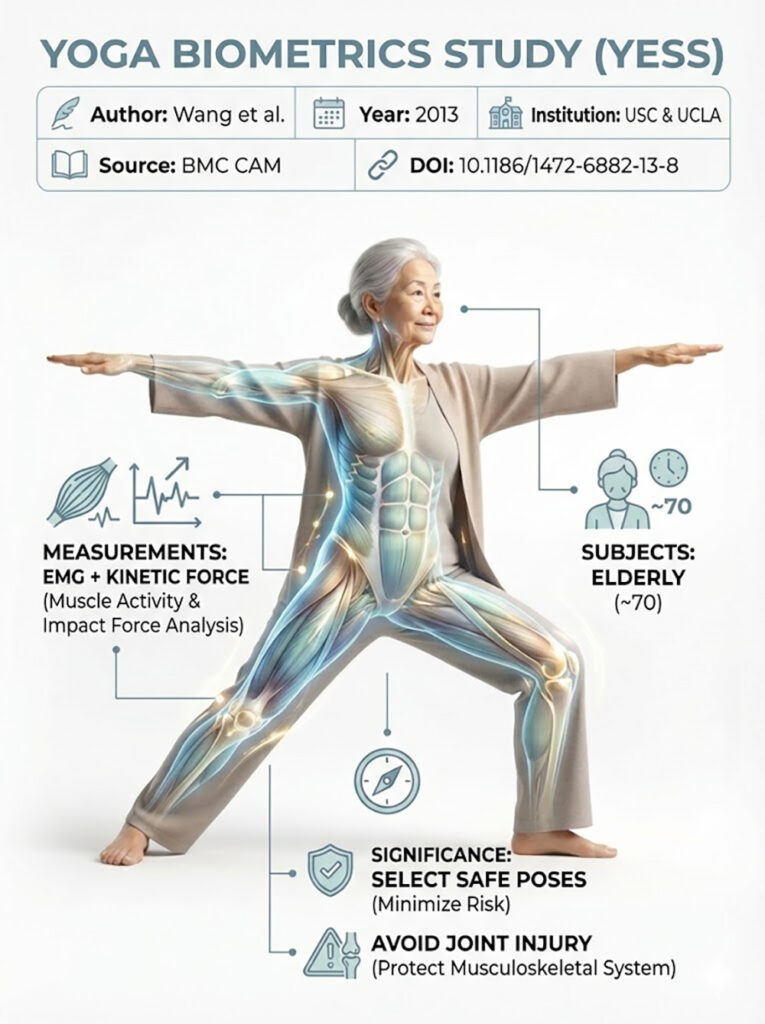
This analysis is based on the YESS (Yoga Empowers Seniors Study)—one of the first projects to utilize advanced biomechanical technology to “quantify” the specific stress placed on the musculoskeletal system during 7 common standing poses.
Study Overview
This is a groundbreaking pilot study, marking the first use of modern biomechanics to measure the specific demands of Yoga on the elderly body.
- Original Title: The biomechanical demands of standing yoga poses in seniors: The Yoga empowers seniors study (YESS).
- Authors: Man-Ying Wang, Sean S-Y Yu, Rami Hashish, Sachithra D Samarawickrame, Leslie Kazadi, Gail A Greendale, George Salem.
- Year: 2013
- Institution: University of Southern California (USC) & University of California Los Angeles (UCLA).
- Source: BMC Complementary and Alternative Medicine.
- DOI: 10.1186/1472-6882-13-8
Why is this study significant?
- Precise Quantitative Data: Unlike survey-based studies (subjective patient reported outcomes), this study utilizes instrumentation to measure Kinetics (Force) and Electromyography (EMG). It provides objective data regarding actual joint stress.
- Specific Population: It focuses on older adults (average age 70)—a demographic with degenerative musculoskeletal systems, distinct from younger populations. These results serve as a “safety benchmark” for Yoga Therapy for seniors.
- High Applicability: The findings enable clinicians and instructors to identify exactly which poses are therapeutic (muscle building) and which should be avoided (harmful joint loading).
Part 2. Objectives and Methodology
Core Objectives
The research team at USC aimed to go beyond visual observation. They sought to precisely quantify:
- Net Joint Moments of Force (JMOF): The rotational force (torque) at a joint that muscles must generate to maintain a posture.
- Electromyography (EMG): The actual activation level of muscle groups (neuromuscular recruitment).
- Comparison with Walking: Benchmarking these indices against self-selected walking to determine if Yoga is physically more or less demanding than daily activity.
Subjects and Protocol (Rigorous & Precise)
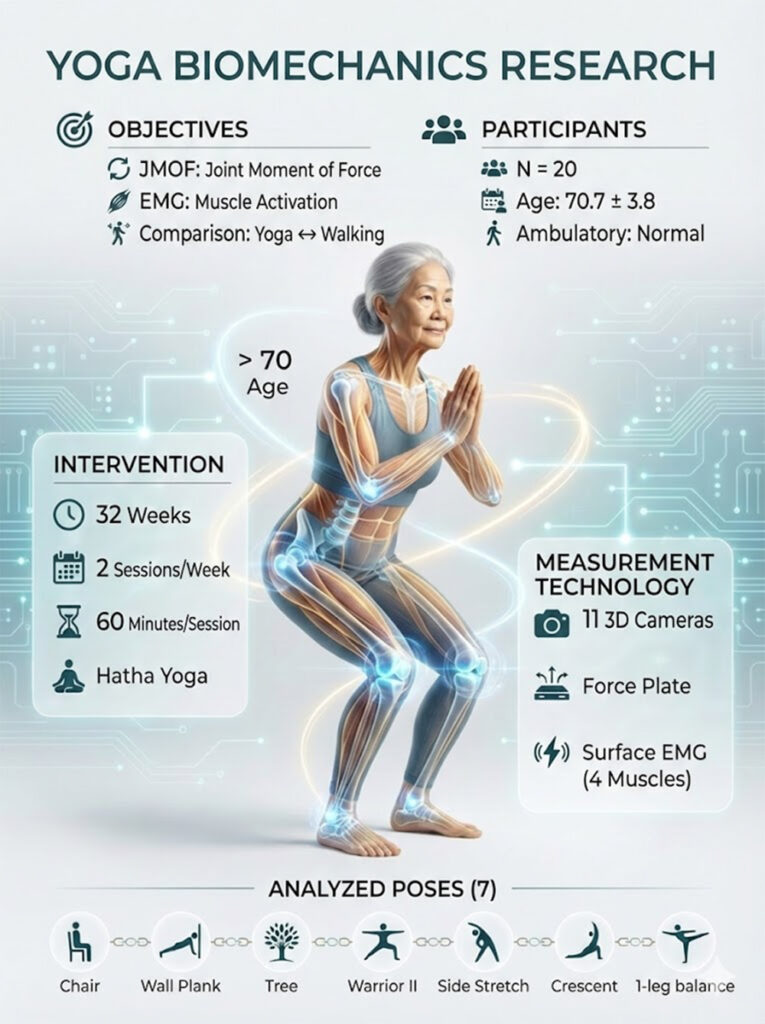
- Subjects: 20 older adults (Mean age: 70.7 ± 3.8 years), ambulatory without assistance.
- Intervention: Participants were not novices. They underwent a 32-week Hatha Yoga intervention (2 sessions/week, 60 minutes/session) to ensure technical proficiency prior to measurement.
Measurement Technology
- 11-camera optical system (Qualisys): To record 3D kinematics.
- Force platforms: To measure Ground Reaction Forces (GRF).
- Surface EMG electrodes: Attached to 4 main muscle groups to measure bioelectrical activity during muscle contraction.
The 7 Analyzed Poses
The study focused on 7 fundamental standing poses (performed after 32 weeks of training):
- Chair (Utkatasana)
- Wall Plank
- Tree (Vrksasana)
- Warrior II (Virabhadrasana II)
- Side Stretch (Parsvottanasana)
- Crescent (High Lunge variation)
- One-Legged Balance
Part 3. Decoding Terminology: What are JMOF and EMG?
To fully grasp the analysis, you must understand these two key concepts:
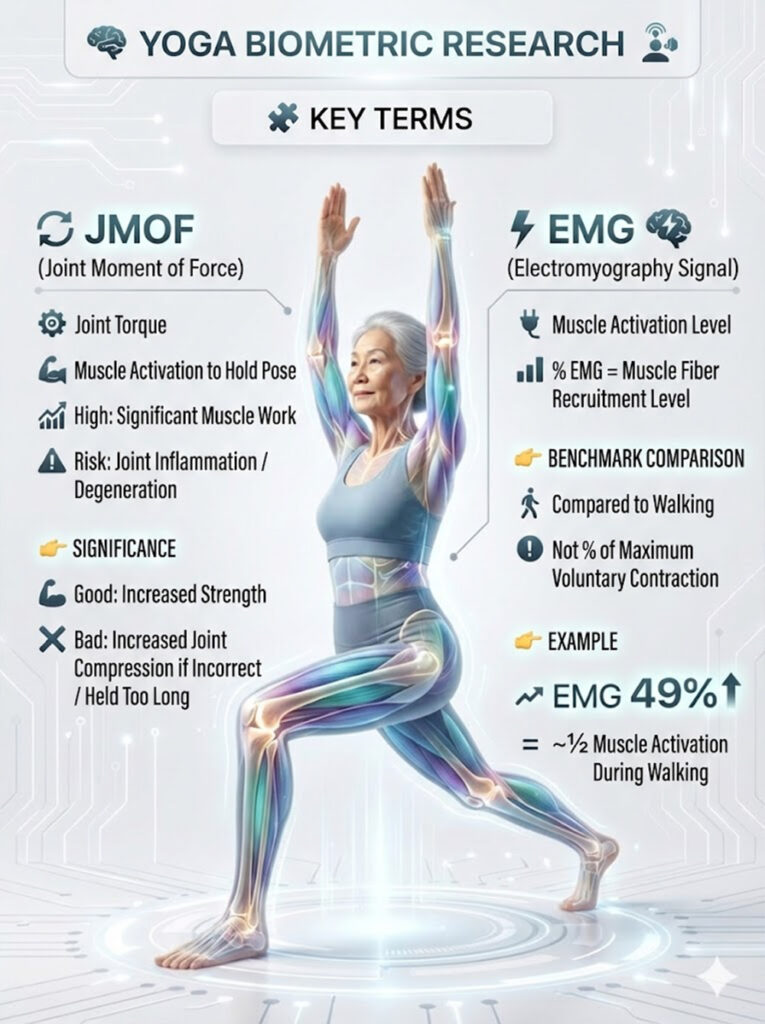
1. JMOF (Net Joint Moments of Force) – The “Load” on the Joint
Imagine performing a squat (Chair pose): Gravity pulls your pelvis toward the ground (External Moment). To prevent collapse, your thigh muscles and knee joint must generate an opposing rotational force to hold the body up.
- JMOF is this internal force.
- High JMOF: Indicates that the muscles and ligaments surrounding that joint are working under high demand.
- Good or Bad? High JMOF is GOOD if the goal is strengthening (muscle loading). However, it is BAD (risky) if the joint is inflamed, degenerative, or has cartilage loss, as it creates significant compressive force, particularly during static holds or malalignment.
2. EMG (Electromyography) – The “Neuromuscular Call”
If JMOF is the external “burden,” EMG is the muscle’s “response.” The EMG device records electrical signals transmitted from the nervous system to the muscle.
- High % EMG: Indicates a greater recruitment of motor units.
- Note: The % EMG indices in this study are normalized to the peak activation during self-selected walking, not the percentage of Maximum Voluntary Contraction (MVC).
- Example: 49% EMG means the muscle is active at roughly half the level of its peak activation during the walking cycle.
Part 4. Analysis of Results
The results dismantled many common assumptions. Poses do not affect the body uniformly; rather, each pose acts as a “specific therapeutic modality” for distinct muscle-joint complexes.
“Anatomy” of the EMG Data Table: The Numbers Speak
Below is the EMG data extracted from the study. We will analyze each column to reveal the truth about muscle workload.
(Note: Percentages are relative to peak activation during self-selected walking).
Summary Table of Muscle Activation (% EMG normalized to walking)
| Pose | Gastrocnemius (GAS) | Hamstrings (HAMS) | Vastus Lateralis (Quads/VL) | Gluteus Medius (GMED) |
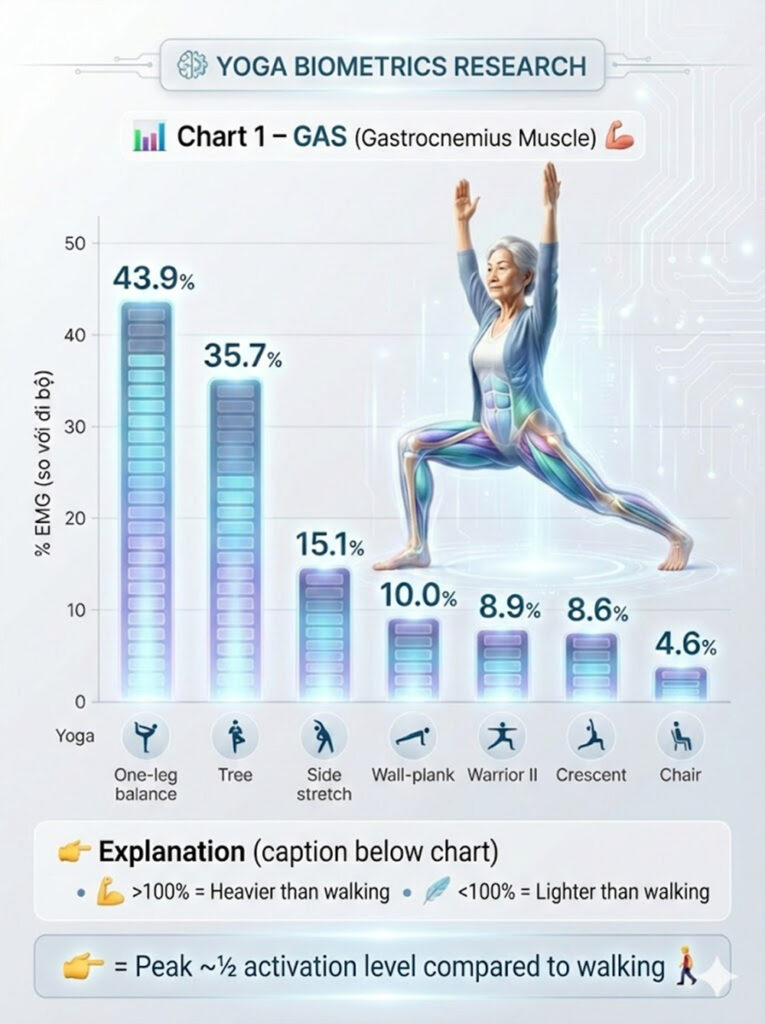
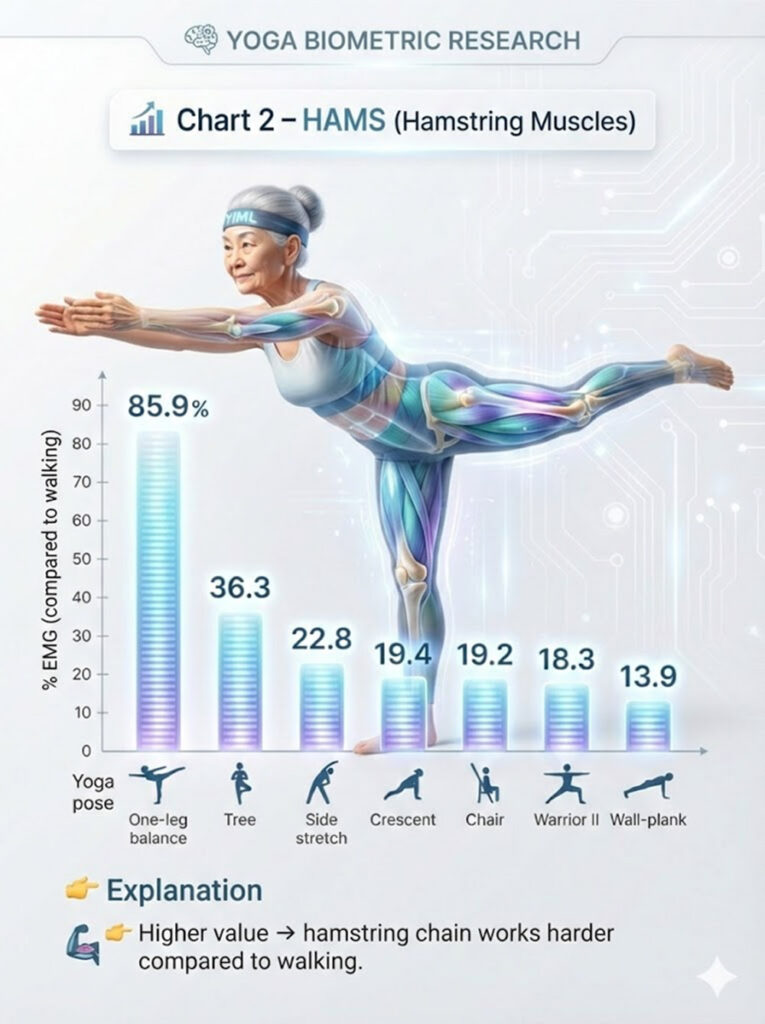
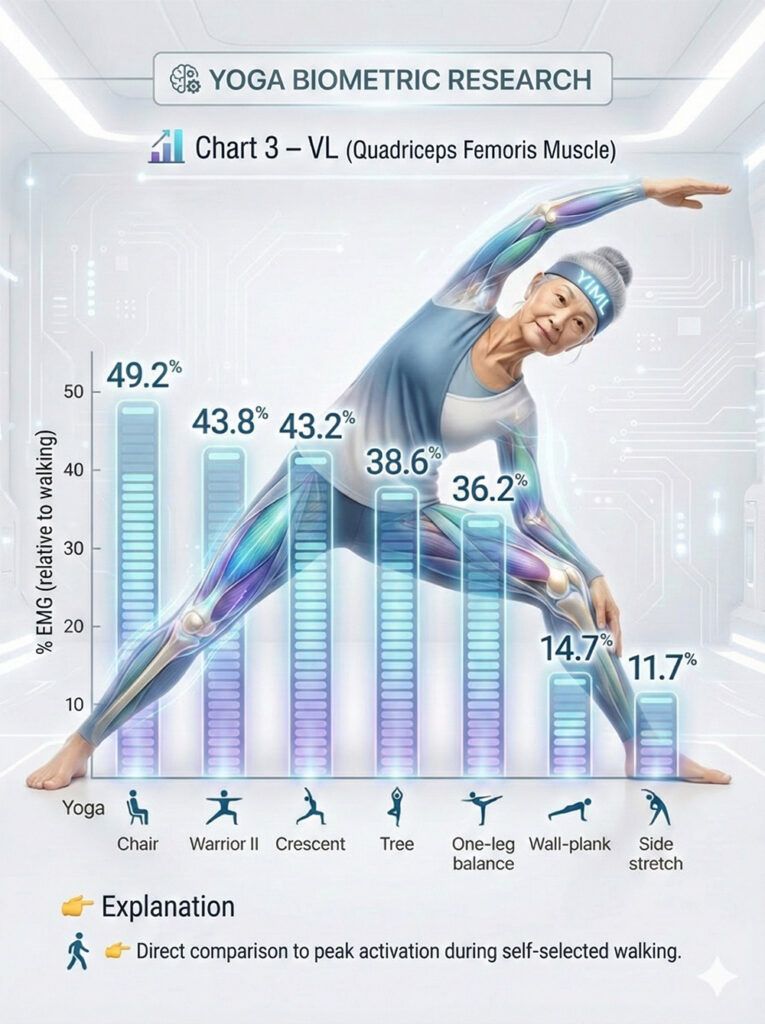
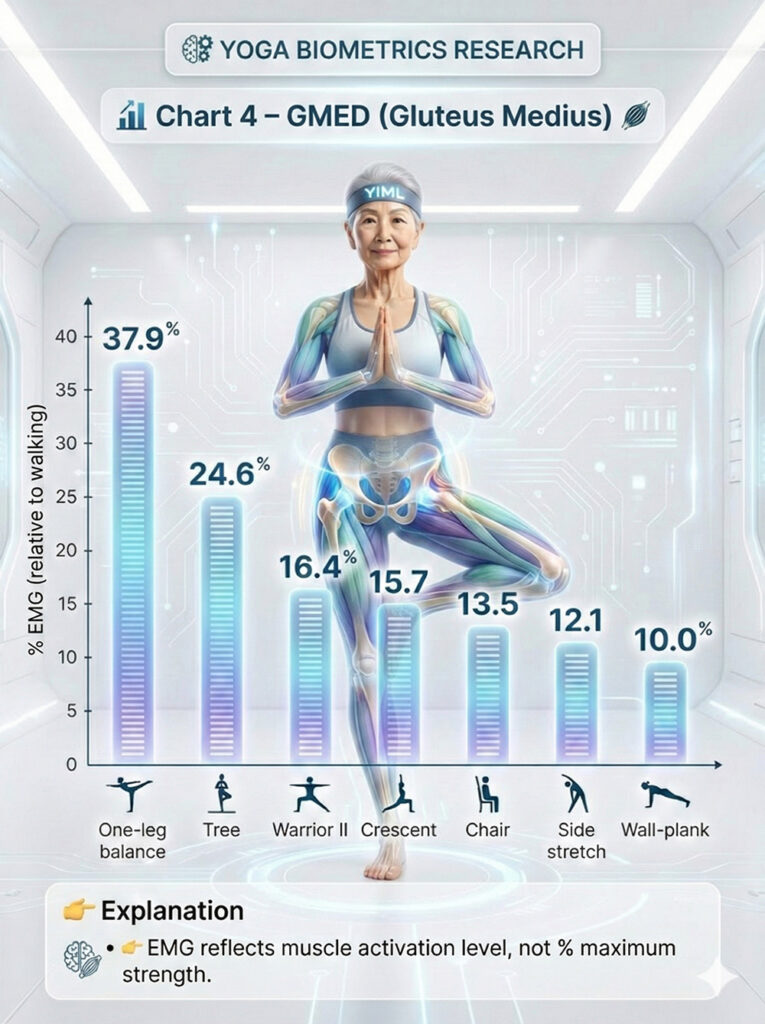
| One-Legged Balance | 43.9% (Highest) | 85.9% (Highest) | 36.2% | 37.9% (Highest) |
| Tree | 35.7% | 36.3% | 38.6% | 24.6% |
| Chair | 4.6% | 19.2% | 49.2% (Highest) | 13.5% |
| Warrior II (Leading) | 8.9% | 18.3% | 43.8% | 16.4% |
| Crescent (Leading) | 8.6% | 19.4% | 43.2% | 15.7% |
| Side Stretch (Leading) | 15.1% | 22.8% | 11.7% | 12.1% |
Composite Chart of Calf Muscle Activation
Composite Chart of Hamstring Muscle Activation
Composite Chart of Quadriceps Muscle Activation
Composite Chart of Gluteus Medius Muscle Activation
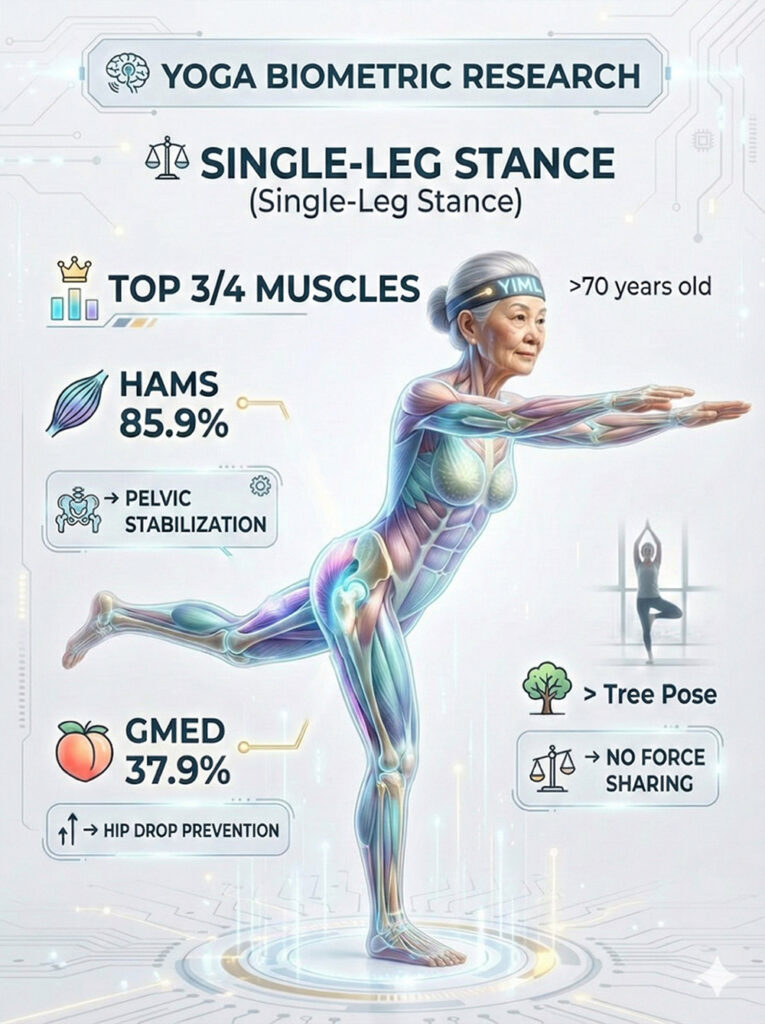
1. The Shock from “One-Legged Balance”
Looking at the table, this pose reigns “supreme” in 3 out of 4 major muscle groups.
- Hamstrings (HAMS) – 85.9%: This figure is startling. Why does standing on one leg recruit the hamstrings so intensely (nearly equal to fast walking)?
- Explanation: It is not due to knee flexion, but rather pelvic stabilization. During single-leg stance, the body tends to lean forward. The hamstrings must perform a strong isometric contraction to maintain pelvic alignment over the heel. This is a “Gold Standard” exercise for the posterior chain without weights.
- Gluteus Medius (GMED) – 37.9%: Significantly higher than Tree Pose (24.6%).
- Reason: In Tree Pose, the bent leg presses into the standing thigh, creating a “closed kinetic chain” that shares the load, reducing fatigue on the glutes. In “One-Legged Balance,” the standing leg functions as an “open chain” stabilizer, forcing the Gluteus Medius to work at maximum capacity to prevent Trendelenburg sign (hip drop).
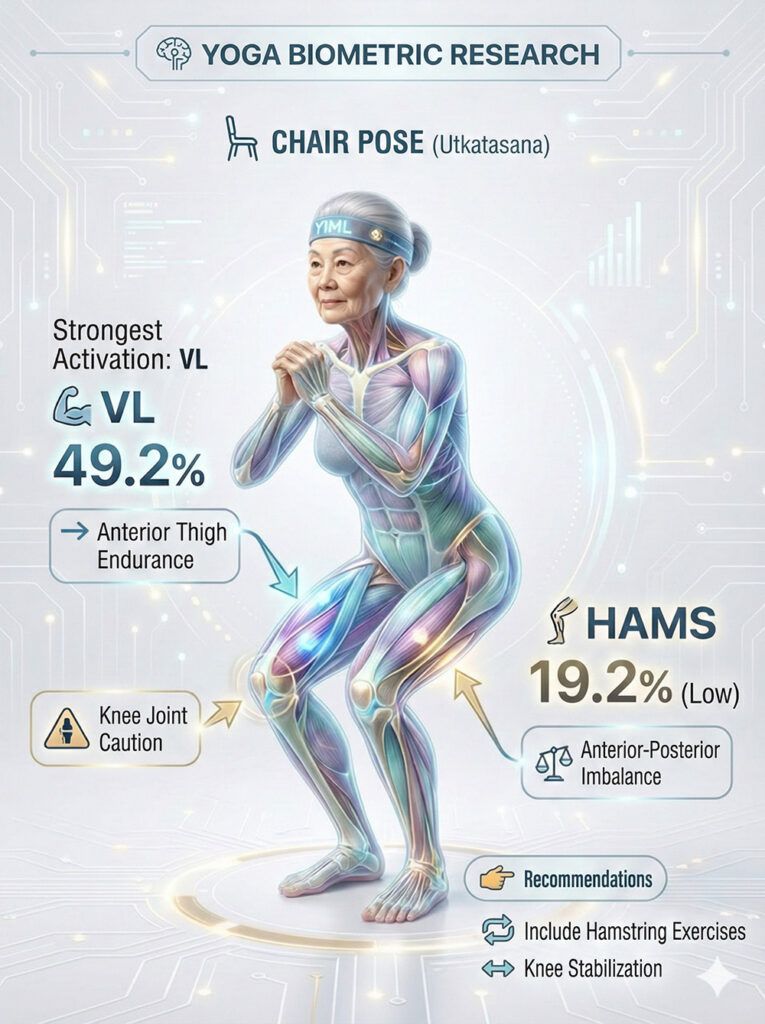
2. “Chair” (Utkatasana) – The Strongest Quadriceps Activator
- Index: 49.2% activation of the Vastus Lateralis (VL).
- Significance: This activation level is equivalent to half the maximum force during walking, but it must be sustained for a prolonged period (30–60 seconds). This creates substantial metabolic stress, excellent for building muscular endurance in seniors with sarcopenia.
- Note: Because Hamstring EMG is very low (19.2%), this pose creates an anterior-posterior force imbalance at the knee.
- Recommendation: Always pair Chair pose with hamstring-strengthening exercises (like Side Stretch or Locust) to balance the knee joint.
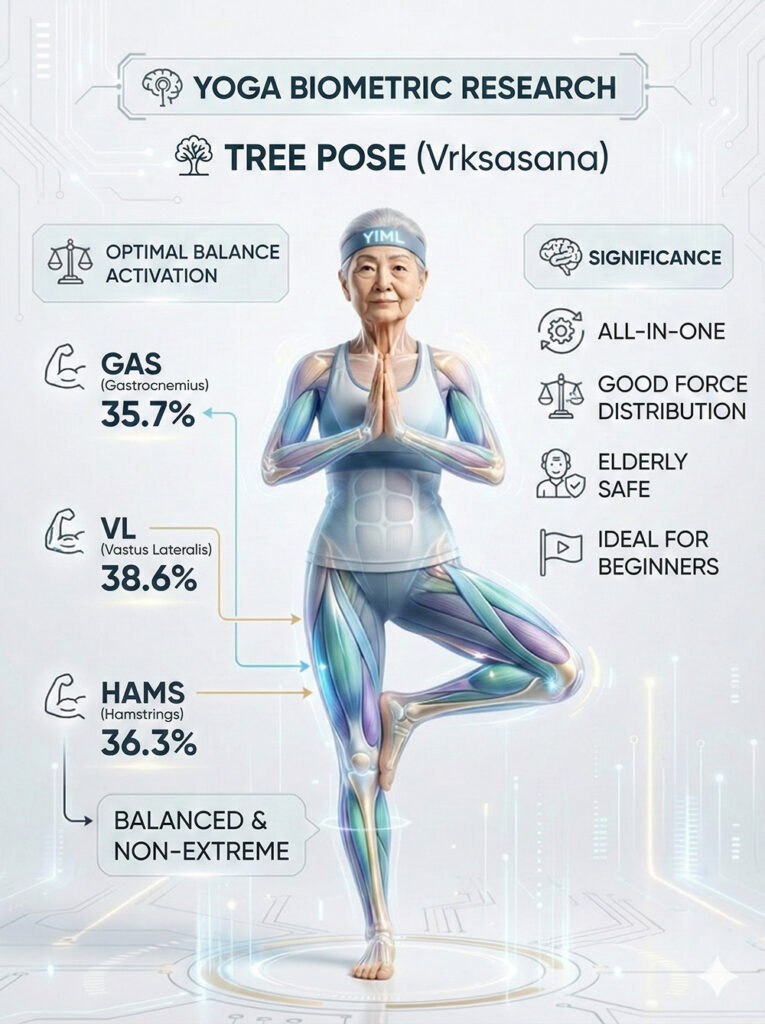
3. Tree (Vrksasana) – The Perfect Balance
- Index: Indices are moderately high and uniform (GAS 35.7%, HAMS 36.3%, VL 38.6%).
- Significance: This is an “All-in-one” pose. It does not place extreme pressure on any single muscle group like “One-Legged Balance,” yet it comprehensively recruits the calf, quadriceps, hamstrings, and glutes. It is the safest and most effective pose to initiate a training program for older adults.
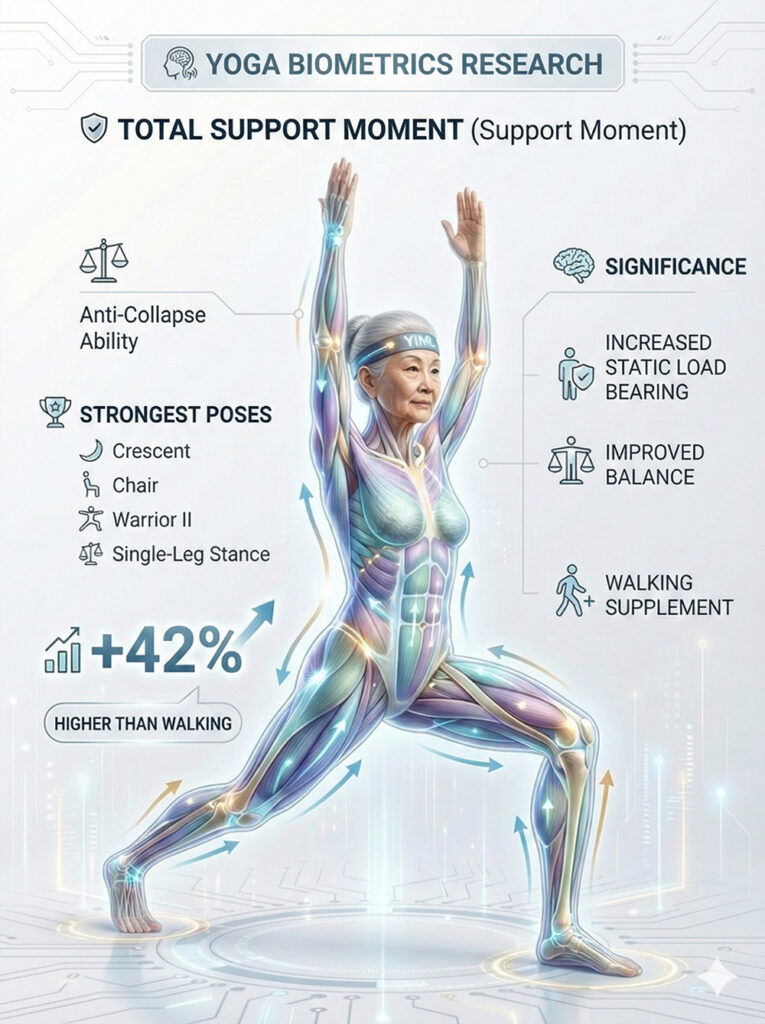
4. Total Support Moment
This index assesses which pose best prevents “collapse” (crucial for those prone to buckling).
- Results: The 4 poses generating the greatest body support force are: Crescent, Chair, Warrior II, and One-Legged Balance.
- Comparison: The total support force of these poses is 42% greater than normal walking.
- Significance: These poses can supplement walking by increasing static load-bearing capacity and balance control.
Part 4. Analysis of Results (Continued)
5. Sagittal Plane Analysis: Flexion & Extension
This plane involves forward bending or backward leaning movements, primarily engaging the Hamstrings and Quadriceps.
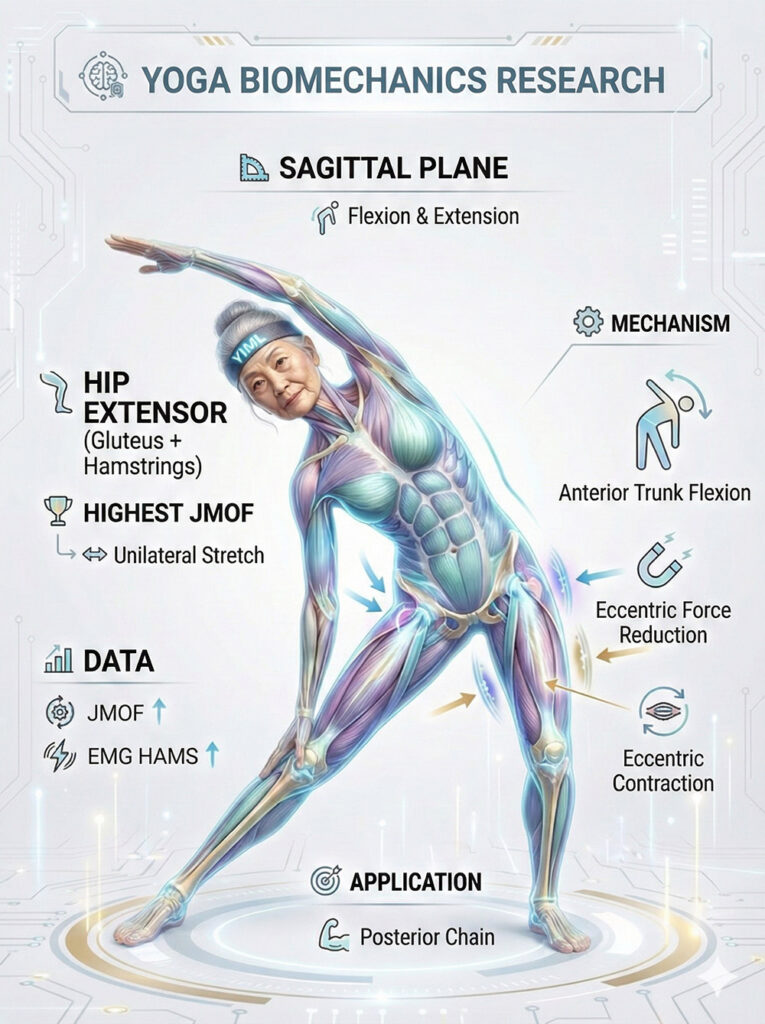
A. Hip Extensors (Glutes & Hamstrings)
- Highest JMOF: Side Stretch (Parsvottanasana).
- Data: The hip extension JMOF in this pose is significantly higher than in Chair or Warrior II. Notably, Hamstring EMG also peaks in this pose.
- Mechanism: During Side Stretch, the trunk flexes forward, and gravity pulls the upper body down. The hamstrings and glutes must exert a powerful force (eccentric contraction initially, then isometric) to arrest this descent.
- Application: This is a key pose for strengthening the Posterior Chain, but caution is advised for patients with lower back pain or lumbar disc herniation due to the high torque.
B. Knee Extensors (Quadriceps)
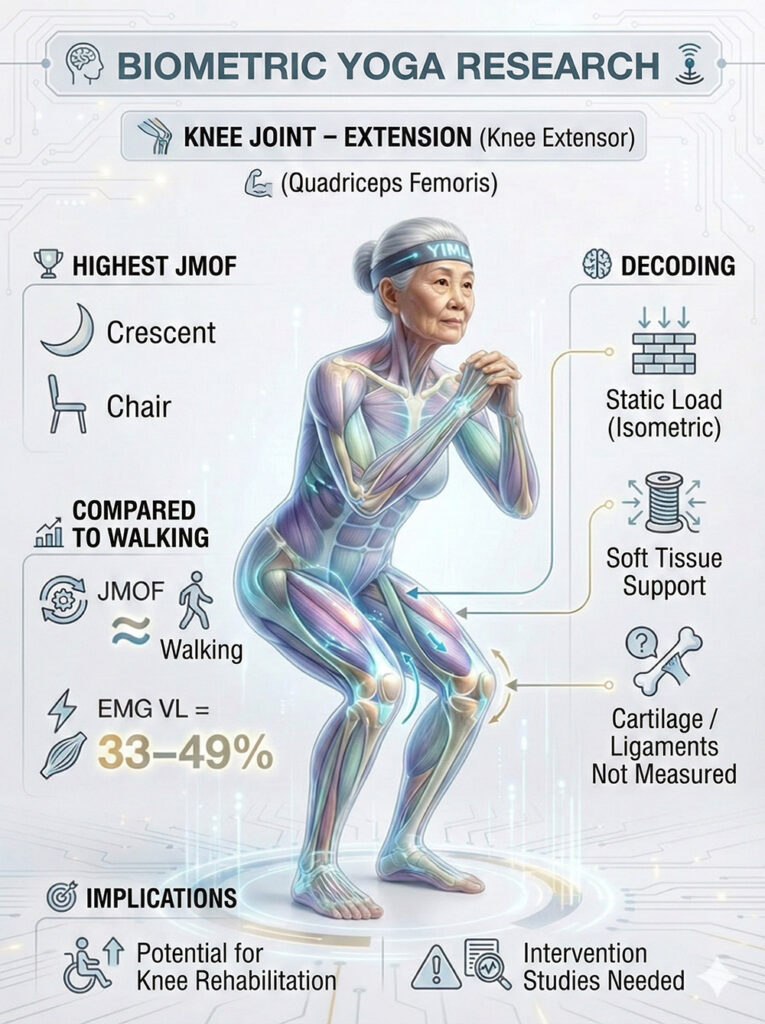
- Highest JMOF: Crescent and Chair.
- Data: The knee moment in these two poses is equivalent to the peak loading phase of walking. However, an interesting paradox exists:
- While the joint load (JMOF) is equivalent to walking…
- …Muscle activation (Vastus Lateralis EMG) is only 33-49% of walking.
- Decoding: This suggests that Yoga creates static (isometric) pressure on the knee. Physiologically, this may support soft tissue endurance. However, the YESS study did not directly measure cartilage or ligament changes, suggesting potential for knee rehabilitation usage, though requiring clinical intervention studies to confirm.
6. Frontal Plane Analysis: Abduction & Adduction (Critical for Balance)
This is the most critical section for Yoga Therapists. This plane dictates lateral balance ability (preventing sideways falls).
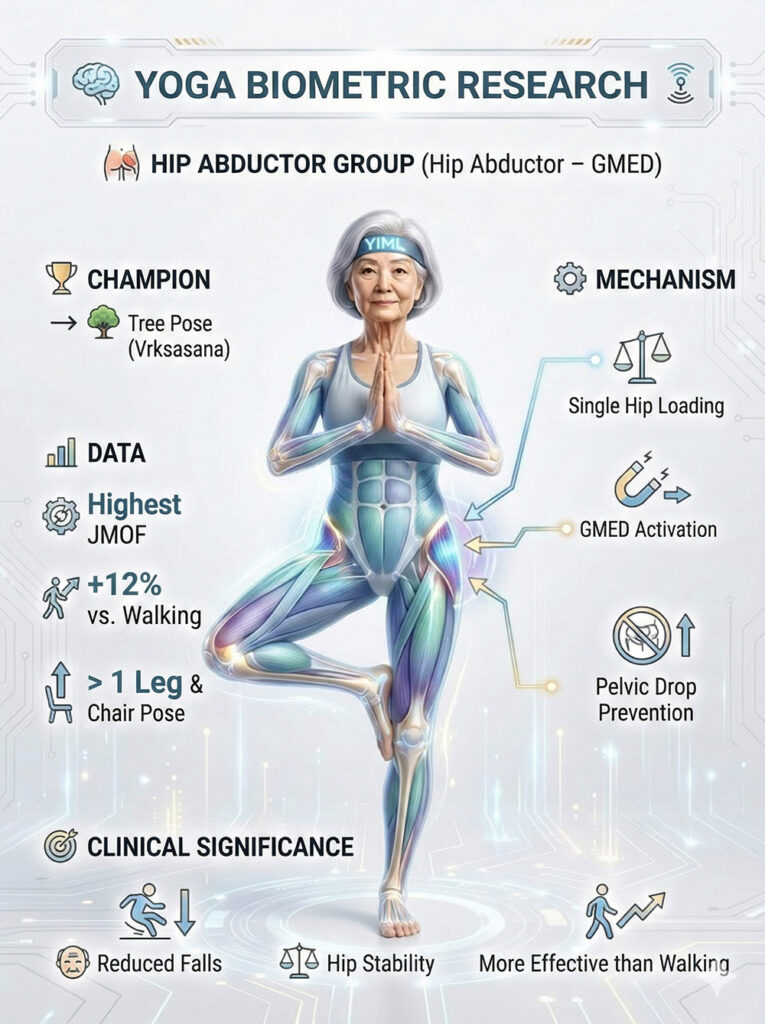
A. Hip Abductors (Gluteus Medius – GMED)
The Gluteus Medius is the primary stabilizer of the pelvis during single-leg stance.
- The Champion: Tree Pose (Vrksasana).
- Data: Tree Pose generates the highest hip abduction moment, surpassing One-Legged Balance and Chair. This moment is 12% greater than walking.
- Mechanism: When standing on one leg in Tree Pose, the entire body weight shifts to one hip. The Gluteus Medius on the standing leg must recruit maximally to prevent the pelvis from dropping toward the lifted side.
- Clinical Significance: For fall prevention in seniors, Tree Pose is a priority exercise. It stimulates hip stabilizers more effectively than walking.
B. Adductors and the “Hidden Danger” to the Knee
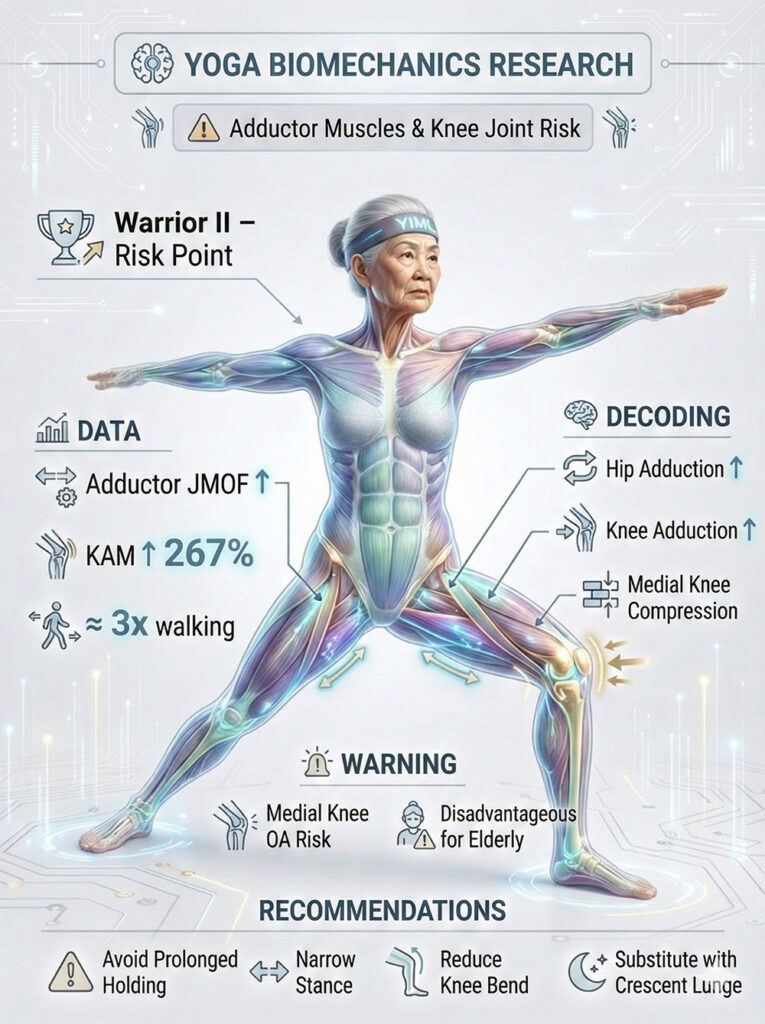
The study identified a potential risk in Warrior II (Virabhadrasana II).
- Data: Warrior II generates an extremely high Adductor JMOF.
- The Issue: High hip adduction moments often correlate with a high Knee Adduction Moment (KAM).
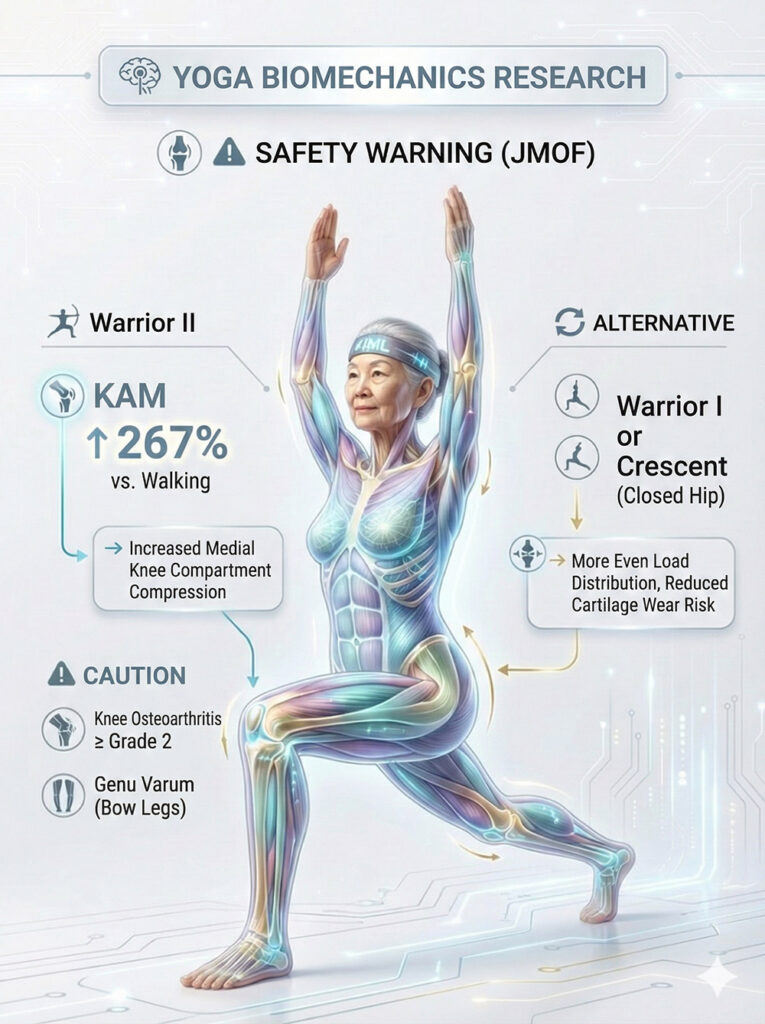
- Critical Finding: The KAM in Warrior II is 267% (nearly 3 times) higher than the peak moment during walking.
- Red Alert: KAM is a primary prognostic indicator for the progression of Medial Compartment Knee Osteoarthritis. This indicates a significant increase in medial compressive load—a factor linked to OA progression, especially in those with pre-existing pathology.
- Advice: For seniors with existing medial knee pain or Genu Varum (bow-legs), holding Warrior II for prolonged periods may increase detrimental loading on the medial knee. Modifications are required: Narrow the stance, reduce knee flexion depth, or substitute with “closed-hip” poses (like Crescent/High Lunge) to minimize medial joint loading.
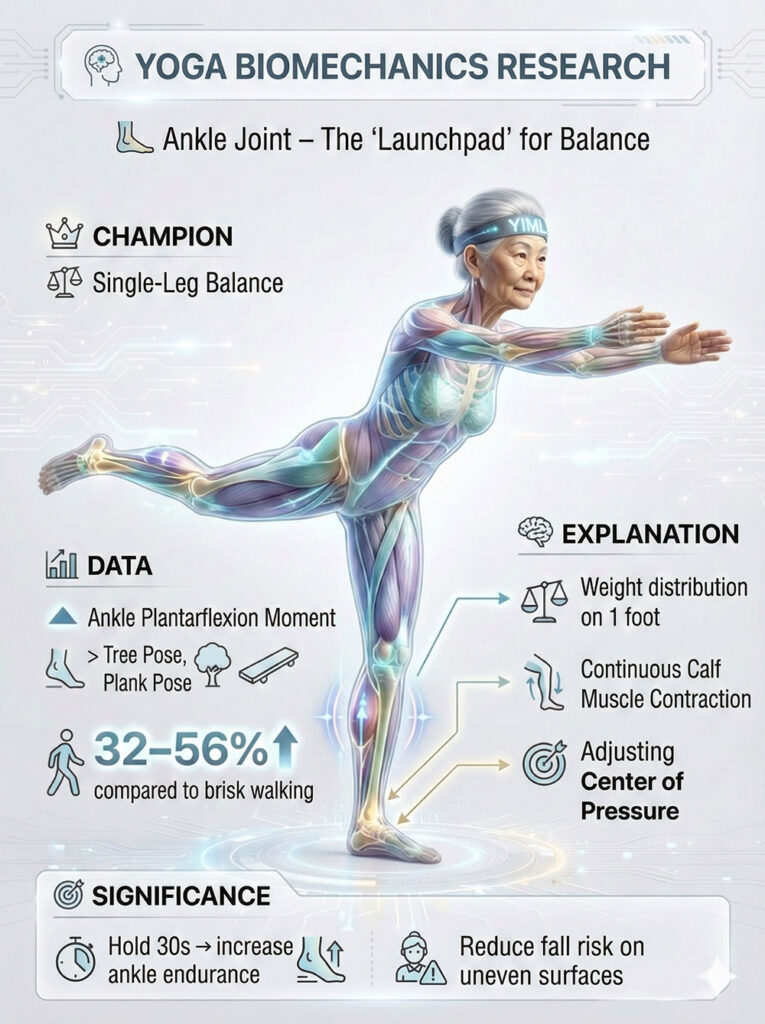
Part 5. Ankle Joint Analysis: The “Launchpad” of Balance
If the hip is the “commander,” the ankle is the “frontline outpost” detecting imbalance. In older adults, reduced proprioception and strength in the ankle are leading causes of falls on uneven surfaces.
1. Plantar-flexors (Calf Muscles)
This group (Gastrocnemius & Soleus) is responsible for propulsion during gait.
- The Champion: One-Legged Balance.
- Data: This pose generates significantly higher plantar flexion moments than Tree or Plank.
- Mechanism: Standing on one leg without support concentrates body weight on a small base of support. The calf muscles must contract continuously to adjust the Center of Pressure (CoP), preventing forward sway.
- Comparison: Although this pressure is only 32-56% of the peak push-off force during fast walking, maintaining this continuously for 30 seconds builds exceptional muscular endurance, aiding in functional mobility.
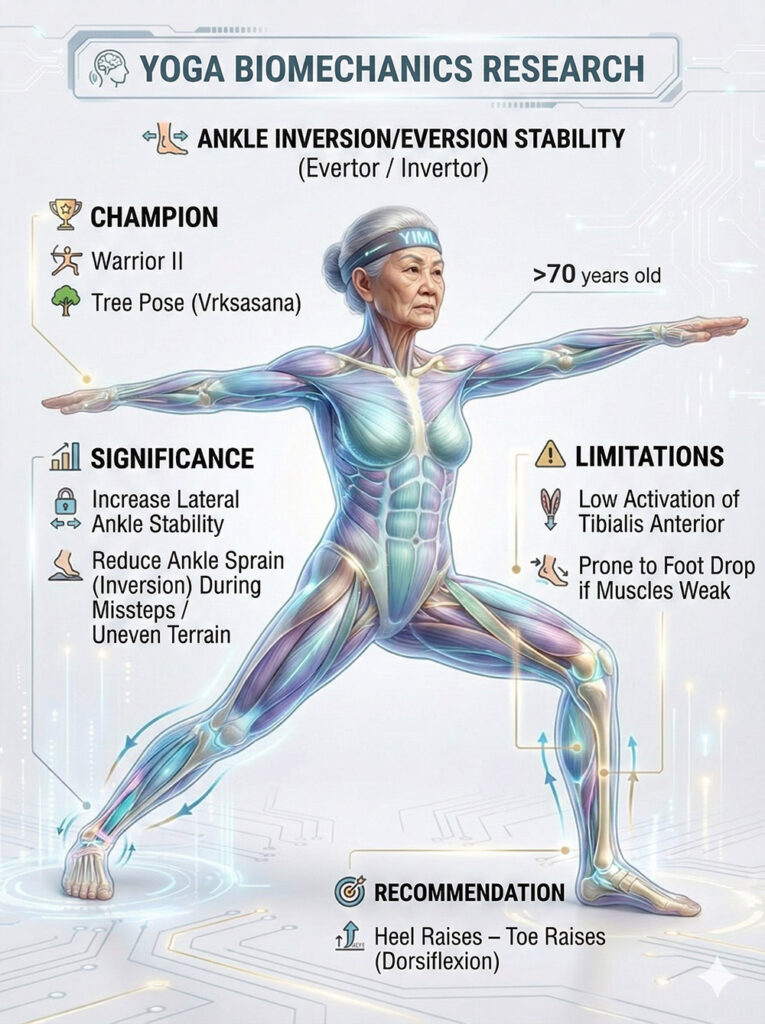
2. Lateral Stability (Evertors & Invertors)
This refers to the ability to prevent ankle inversion sprains (“rolling” the ankle).
- Key Finding: Warrior II and Tree Pose generate the highest lateral stability forces.
- Significance: Practicing these poses strengthens the medial and lateral collateral ligaments of the ankle. This is vital for seniors when navigating uneven terrain.
- Limitation: The study indicates that most standing Yoga poses minimally affect the Tibialis Anterior (dorsiflexor). Weakness in this muscle leads to tripping (foot drop).
- Recommendation: Instructors must add specific “heel lift – toe lift” exercises or heel walking to compensate for this deficit.
Part 6. Discussion & Clinical Applications
Based on JMOF and EMG data, we can construct a scientific prescription for seniors.
1. Study Limitations
To remain objective (scientifically rigorous), we must acknowledge limitations:
- “Super-Senior” Sample: Participants had 32 weeks of prior training. Do not apply this intensity to frail elderly or beginners. Use regression (chair support).
- Static vs. Dynamic: The study measured 3-second static holds. Real-world injuries often occur during Transitions (e.g., stepping from Down Dog to Warrior). Dynamic moments may be higher.
- Upper Extremity Omission: Wrists were not analyzed.
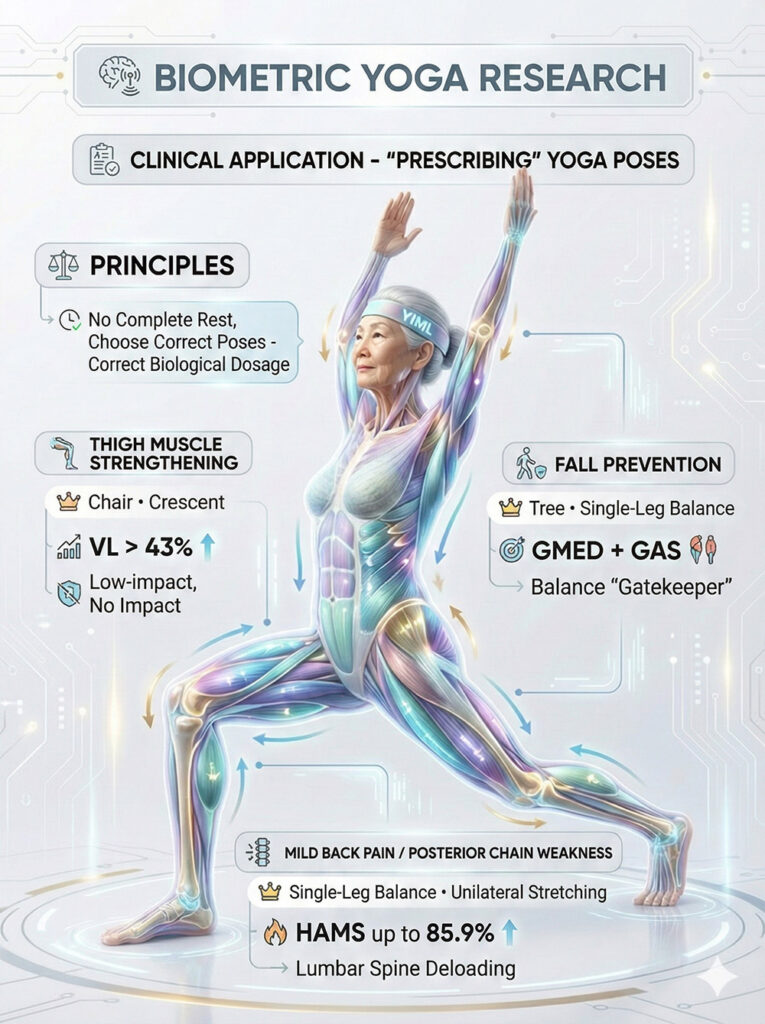
2. Strategy for “Prescribing” Yoga Poses
Do not just stop moving when in pain; choose the correct “biological dose”:
- For Quadriceps Strengthening (Post-op Knee, Atrophy):
- Priority: Chair and Crescent.
- Benefit: VL activation > 43% with low impact.
- For Fall Prevention (Balance):
- Priority: Tree and One-Legged Balance.
- Benefit: Focus on Gluteus Medius and Gastrocnemius—the “gatekeepers” of balance.
- For Mild Low Back Pain (Posterior Chain Strengthening):
- Priority: One-Legged Balance and Side Stretch.
- Benefit: High Hamstring activation (up to 85.9%) to offload the lumbar spine.
3. Safety Warning (Based on JMOF)
- Warrior II Caution: With a KAM of 267% relative to walking, this pose implies a significant surge in medial knee loading.
- Clarification: “267%” does not mean 3 times body weight, but nearly 3 times the peak knee adduction moment of normal walking.
- Clinical Action: Avoid or modify for patients with Grade 2+ Knee OA or Varus alignment. Substitute with Warrior I or Crescent (closed hips distribute force more evenly).
4. Advanced Teaching Techniques: High-Value Cues
Using the data on muscle activation discrepancies between Leading and Trailing legs:
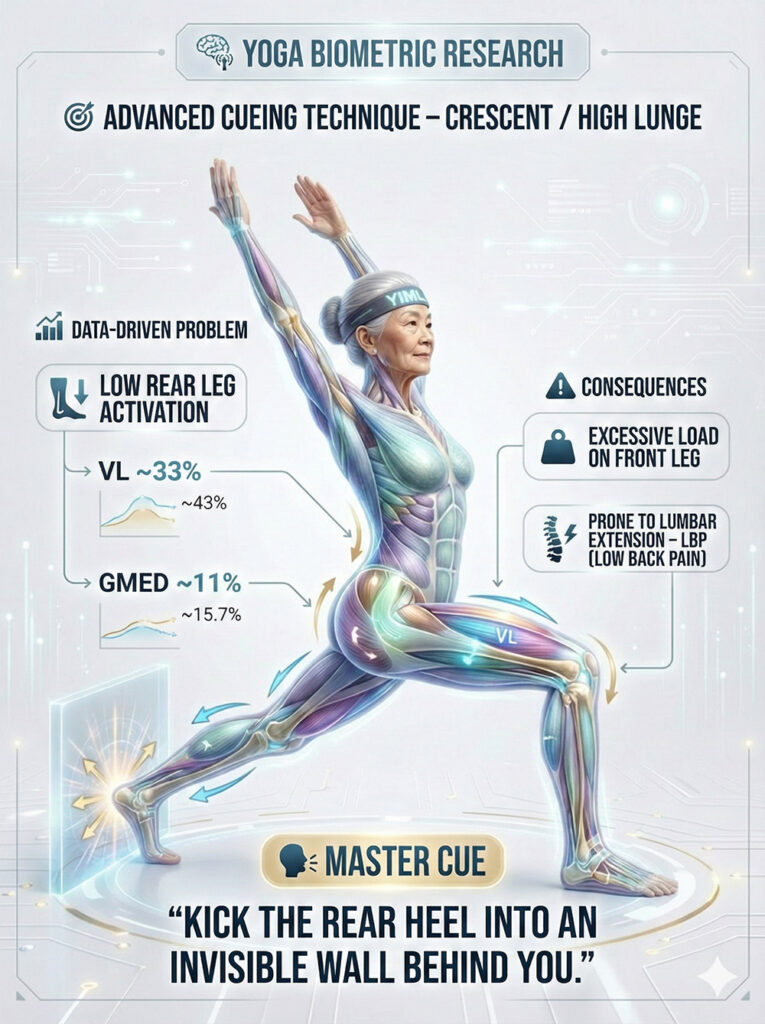
- Crescent (High Lunge):
- Data Problem: Trailing leg is “lazy” (Quad 32.7% vs 43.2% in front; Glute 11% vs 15.7%).
- Master Cue: “Activate your back hamstring by imagining kicking your heel into a wall behind you.”
- Goal: Engage the posterior chain, share the load, and neutralize the spine.
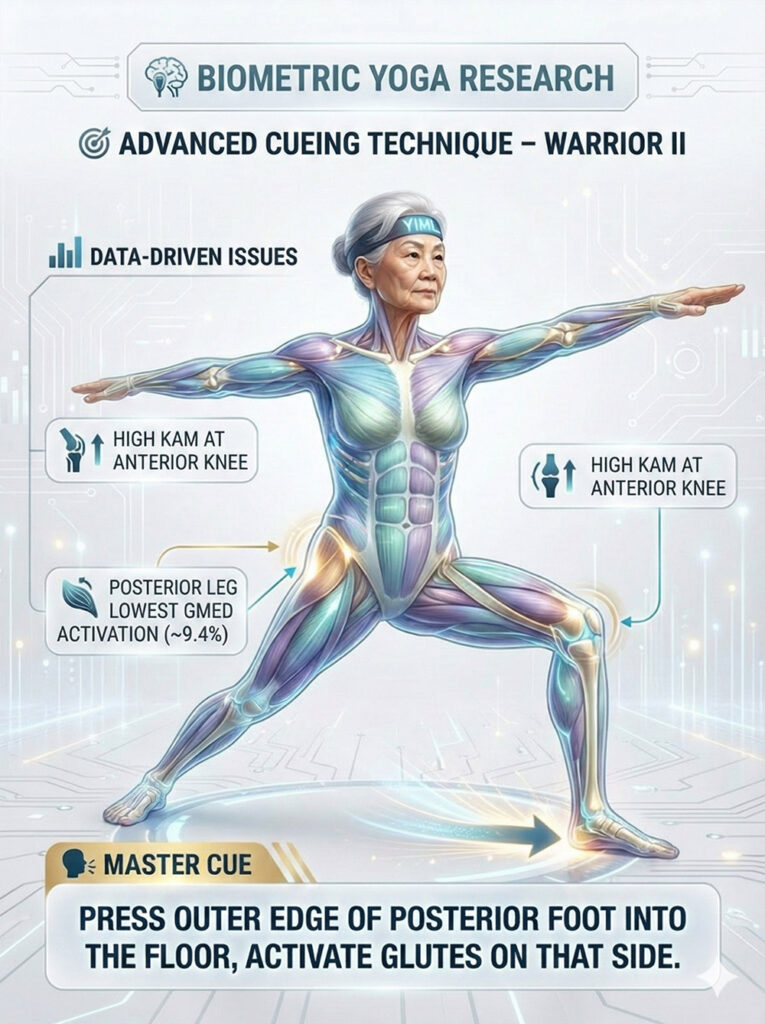
- Warrior II:
- Data Problem: High Knee Adduction Moment on the front leg.
- Master Cue: “Press the outer edge of your back foot down and squeeze that glute.”
- Goal: Data shows the back leg glute has low activation (9.4%). Actively engaging it helps stabilize the pelvis and reduce compressive load on the front knee.
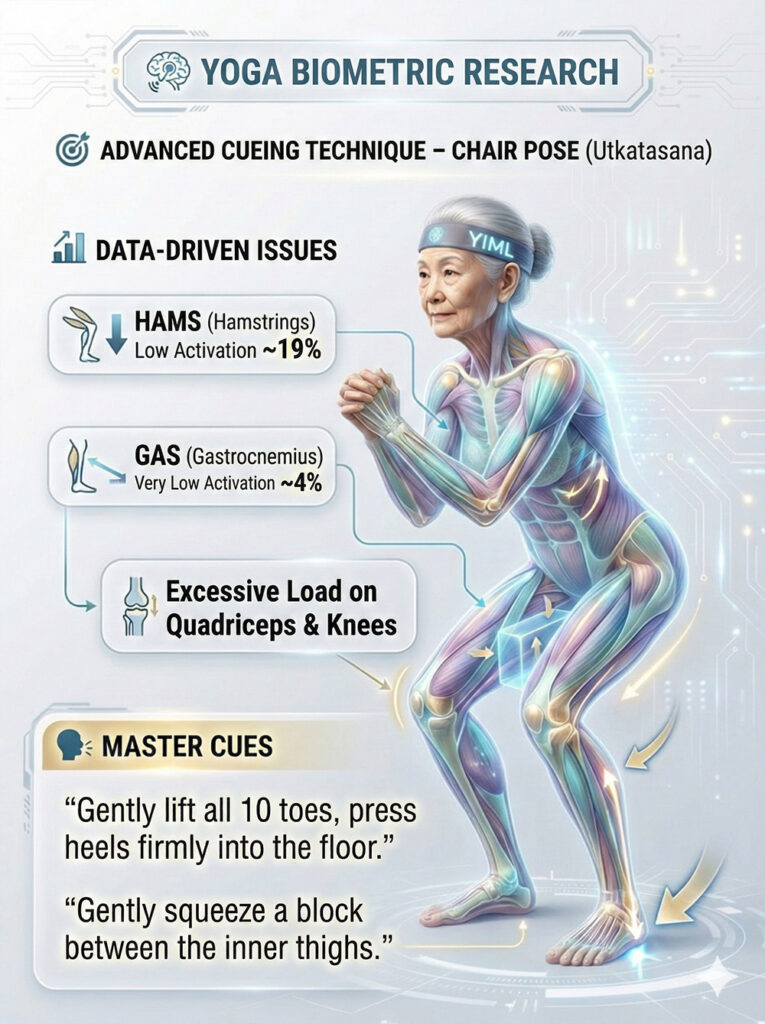
- Chair Pose:
- Data Problem: Hamstrings and Calves are dormant.
- Master Cue: “Try lifting your toes slightly and press your heels down,” or “Squeeze a block between your thighs.”
- Goal: Heel pressure engages the posterior chain; the block (adductor activation) creates co-contraction for knee stability.
This is the official English version of our original article [P85], ‘Biomechanical Demands of Standing Yoga Postures in Older Adults.’ The original Vietnamese version can be accessed here: [[P85] Nghiên cứu: Yêu cầu sinh trắc học của các tư thế Yoga đứng ở người cao tuổi].
Part 7. Conclusion
The YESS (Yoga Empowers Seniors Study) is a milestone shifting Yoga from “folk wisdom” to “evidence-based science.”
3 Core Takeaways:
- High Mechanical Load: Standing poses are not merely “gentle stretching.” They create mechanical loads and muscle activation equivalent to, or exceeding, fast walking.
- Specificity: Chair is for Quads; Tree is for Glutes; One-Legged Balance is for Hamstrings. Use this for targeted therapy.
- Knee Safety: Warrior II is not for everyone. Respect the biomechanics of the knee to prevent cartilage wear.
Yoga Empowers Seniors, but only when practiced with a deep understanding of movement science.
References:
Wang, M. Y., et al. (2013). “The biomechanical demands of standing yoga poses in seniors: The Yoga empowers seniors study (YESS).” BMC Complementary and Alternative Medicine, 13(1).
![The Impact of Yoga on Pediatric Obesity [RESEARCH DECODED]](https://yogaismylife.vn/en/wp-content/uploads/2026/02/The-Impact-of-Yoga-on-Pediatric-Obesity.avif)
![Effects of Yoga in People with Parkinson’s Disease [RESEARCH DECODED]](https://yogaismylife.vn/en/wp-content/uploads/2026/02/effects-of-yoga-in-parkinsons-disease-research-decoded.avif)