
Part 1. Introduction
Parkinson’s disease (PD) is a progressive neurodegenerative disorder characterized by dopaminergic deficiency in the substantia nigra. Patients face not only cardinal motor symptoms such as resting tremor, rigidity, bradykinesia (slowness of movement), and postural instability, but also debilitating non-motor symptoms: depression, anxiety, insomnia, and cognitive decline.
While pharmacological management (e.g., Levodopa) remains the cornerstone of treatment, it does not fully resolve postural instability or neuropsychiatric disturbances and is often associated with long-term side effects (e.g., dyskinesia). Consequently, Rehabilitation Medicine plays an important supportive role in comprehensive management.
In recent years, Yoga has emerged as a potential therapeutic modality. However, does Yoga objectively improve motor function in PD patients, or does it merely provide relaxation? The following Meta-analysis synthesizes existing evidence to elucidate the clinical efficacy of Yoga.
Study Overview
This is one of the most comprehensive systematic reviews on Yoga and Parkinson’s disease, published in a leading rehabilitation journal.
- Original Title: Systematic review and meta-analysis of randomised controlled trials on the effects of yoga in people with Parkinson’s disease.
- Authors: David Suárez-Iglesias, Luis Santos, Miguel A Sanchez-Lastra, Carlos Ayán.
- Data Sources: PubMed, PEDro, SPORTDiscus, Scopus.
- Journal: Disability and Rehabilitation.
- Link: https://pubmed.ncbi.nlm.nih.gov/34533097/
- DOI: 10.1080/09638288.2021.1966522
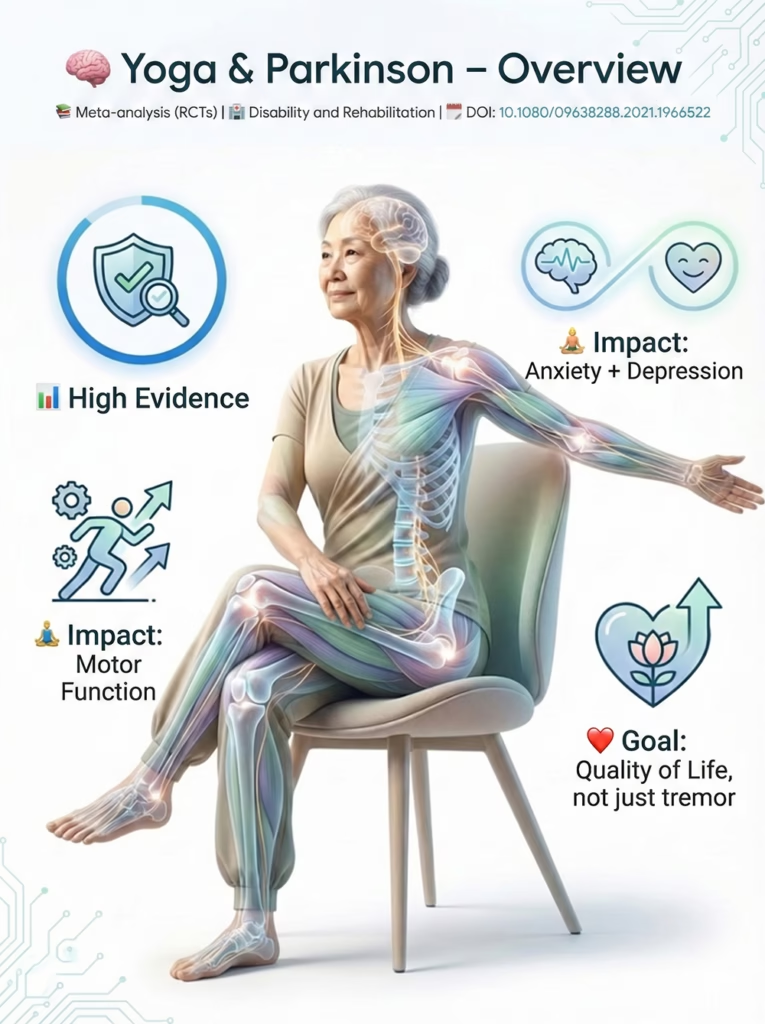
Why is this study significant?
- High Level of Evidence: As a Meta-analysis, it aggregates data from multiple independent studies to provide a statistical conclusion with greater power than any single trial.
- Comprehensive Assessment: The study evaluates beyond motor deficits (tremor/rigidity) to include psychological aspects (anxiety, depression)—factors that directly correlate with Health-Related Quality of Life (HRQoL).
Part 2. Objectives and Scientific Hypothesis
Primary Objectives
The research team aimed to quantitatively synthesize and analyze the efficacy of Yoga interventions regarding:
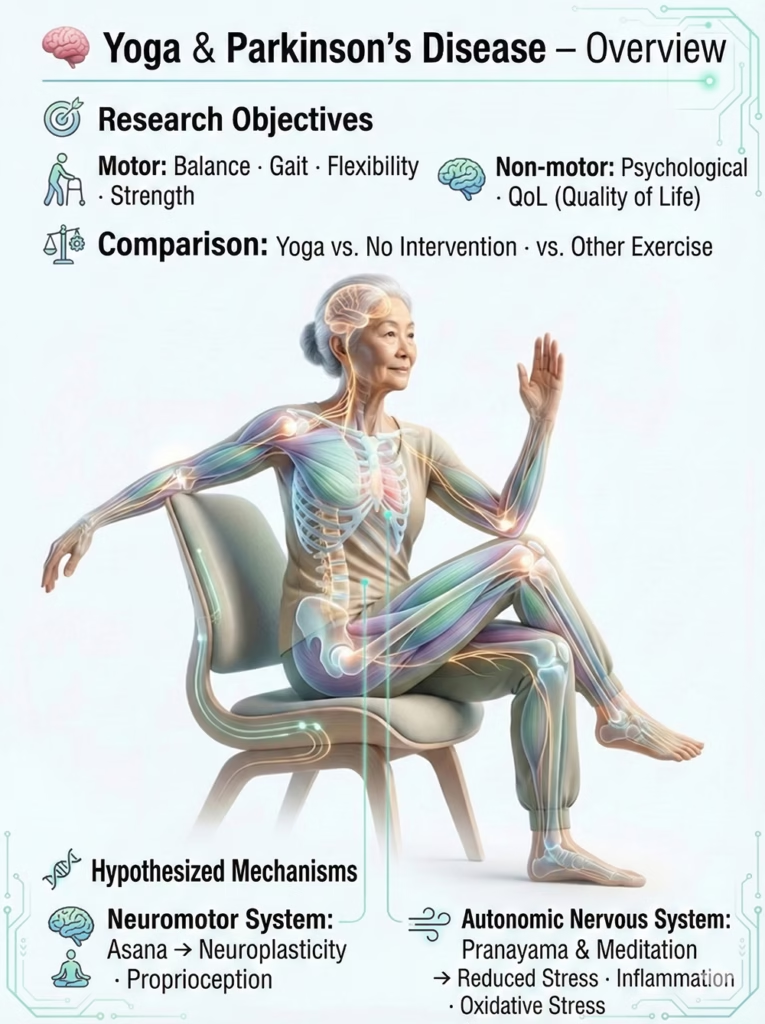
- Motor symptoms: Balance, gait parameters, flexibility, and muscular strength.
- Non-motor symptoms: Psychological status, sleep quality, and quality of life.
- Comparison: Evaluating Yoga against: (1) Passive control (no intervention) and (2) Active control (other forms of physical exercise).
Mechanistic Hypothesis
Yoga is hypothesized to impact Parkinson’s disease via a multidimensional mechanism:
- Neuromuscular: Asanas (postures) require complex coordination, potentially stimulating neuroplasticity and enhancing proprioception.
- Autonomic: Pranayama (breath control) and Meditation facilitate autonomic balance, potentially modulating stress-related physiological pathways implicated in neurodegeneration.
Part 3. Methodology
Study Design (PRISMA Protocols)
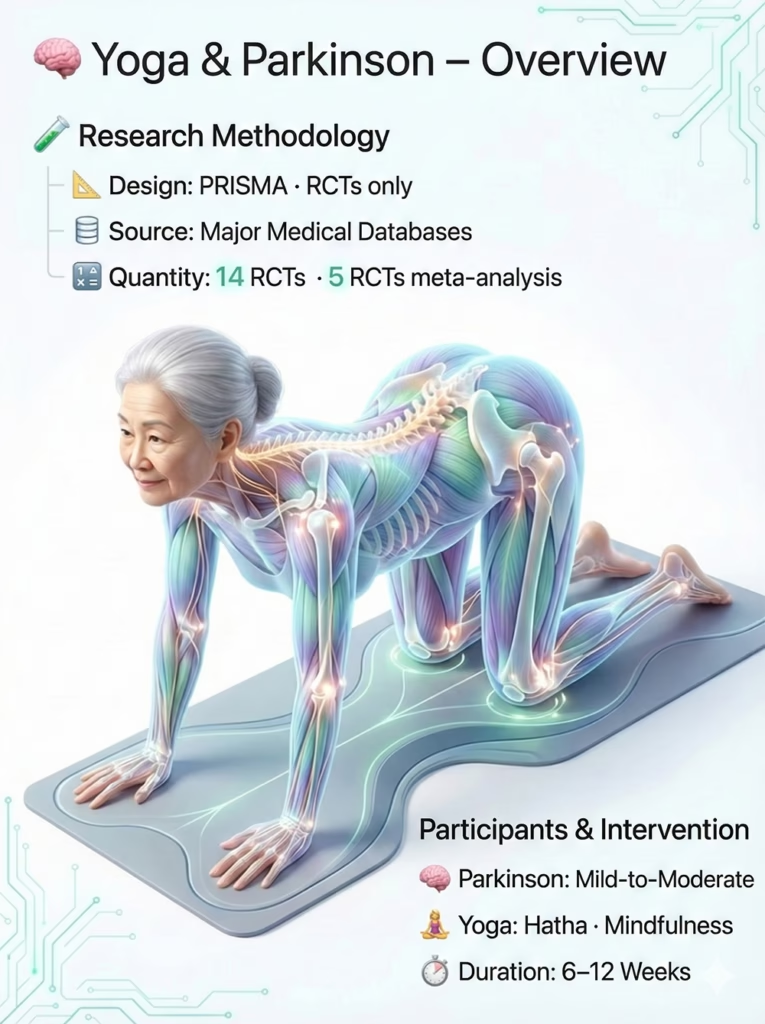
- Data Sources: Rigorous screening of major medical databases.
- Inclusion Criteria: Only Randomized Controlled Trials (RCTs) were selected.
- Sample: 14 RCTs were included for qualitative analysis, of which 5 RCTs met the criteria for quantitative meta-analysis.
Subjects and Intervention
- Population: Patients with Mild to Moderate Parkinson’s disease (typically Hoehn & Yahr stages I–III).
- Intervention: Yoga programs (predominantly Hatha Yoga and Mindfulness-based Yoga) ranging from 6 to 12 weeks in duration.
Part 4. Results – Deep Data Analysis & Clinical Significance
The findings present positive implications for the PD community.
Improvement in Motor Function
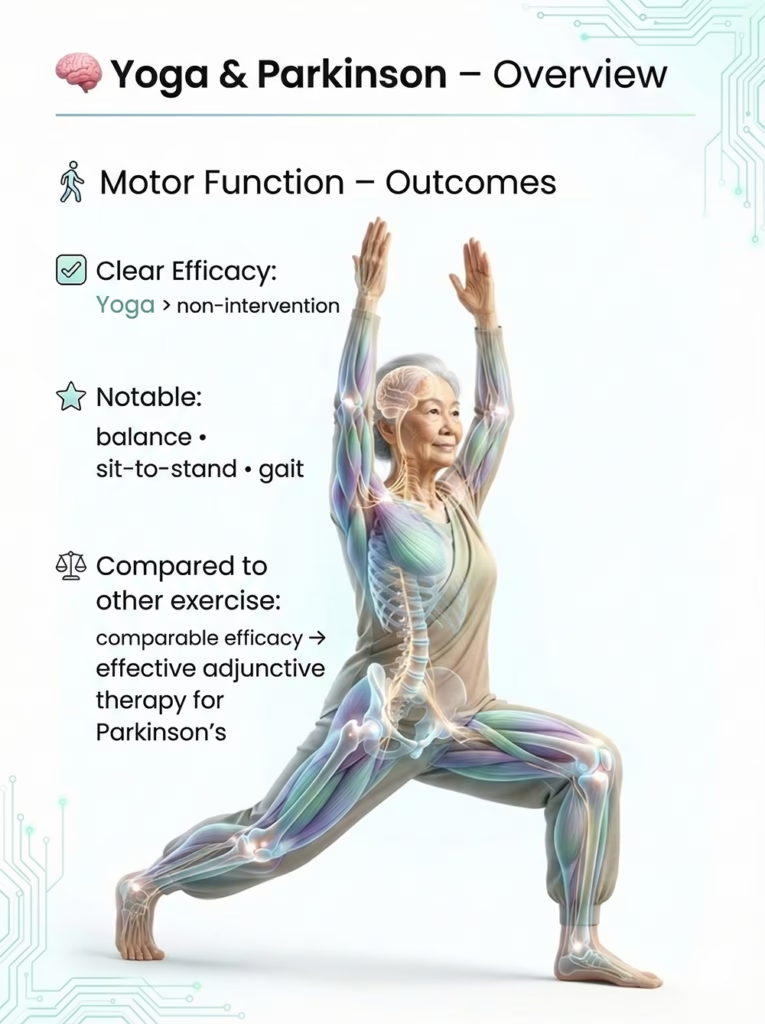
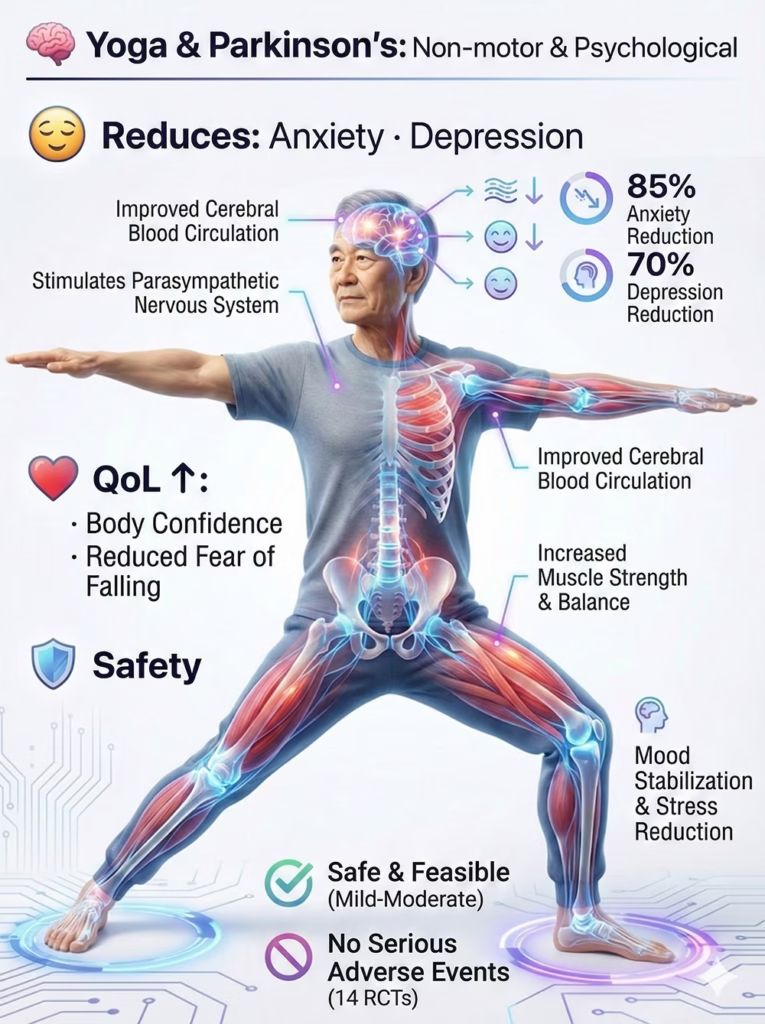
- Result: Yoga demonstrated significant efficacy in improving motor indices compared to passive control groups.
- Key Finding: Substantial improvements were noted in Balance and Functional Mobility (e.g., sit-to-stand mechanics, indoor ambulation).
- Comparison vs. Conventional Exercise: In several studies, Yoga showed comparable efficacy to other active physical exercises in improving motor function. This suggests Yoga is an effective adjunctive rehabilitation strategy, supported by aggregated RCT evidence.
Psychological & Non-Motor Benefits
- Anxiety & Depression: Yoga interventions significantly reduced anxiety and depression scores. This is clinically critical, as depression exacerbates rigidity and tremors in PD patients.
- Quality of Life (QoL): Scores improved significantly; patients reported increased body confidence and reduced fear of falling.
Safety Profile
Yoga interventions were deemed safe and feasible for patients with mild-to-moderate PD. No Serious Adverse Events (SAEs) were reported across the 14 included studies.
Part 5. Discussion: Mechanisms of Neural Facilitation
This section decodes the physiological mechanisms underlying Yoga’s efficacy.
1. Proprioceptive Training
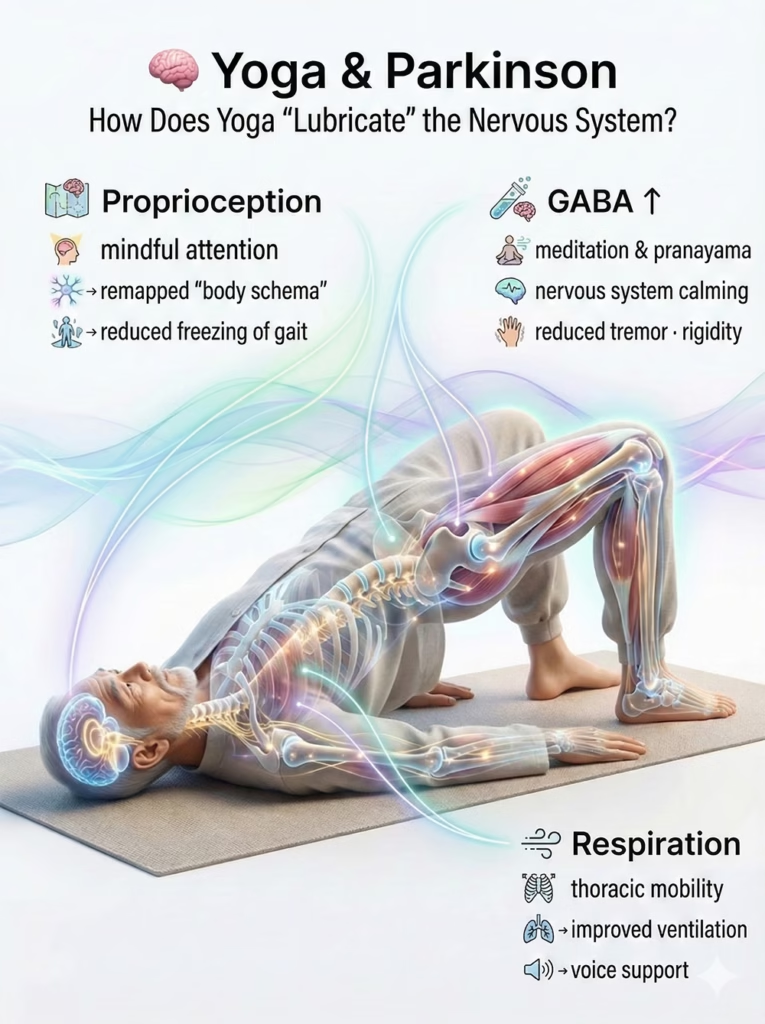
PD patients often suffer from impaired proprioception (internal body mapping), leading to rigid gait or Freezing of Gait (FOG). Yoga postures compel the practitioner to engage in mindful movement (e.g., “sensing the foot grounding,” “subtle hip rotation”). This deliberate attention may facilitate cortical reorganization, improving motor control.
2. The Role of GABA and Stress Reduction
Research on Yoga for anxiety disorders indicates that practice can elevate brain GABA (gamma-aminobutyric acid) levels. Low GABA is associated with anxiety and motor dysfunction. Increased GABA activity may contribute to anxiety reduction and improved emotional regulation, which indirectly supports motor function.
3. Respiratory Mechanics and Chest Rigidity
PD patients frequently exhibit intercostal muscle rigidity, leading to hypophonia (soft voice) and restrictive respiratory patterns. Pranayama exercises help maintain thoracic elasticity, improve lung capacity, and support vocal projection.
Clinical Application (Neurologist’s Perspective)
Based on this meta-analysis (PMID 34533097), clinical recommendations include:
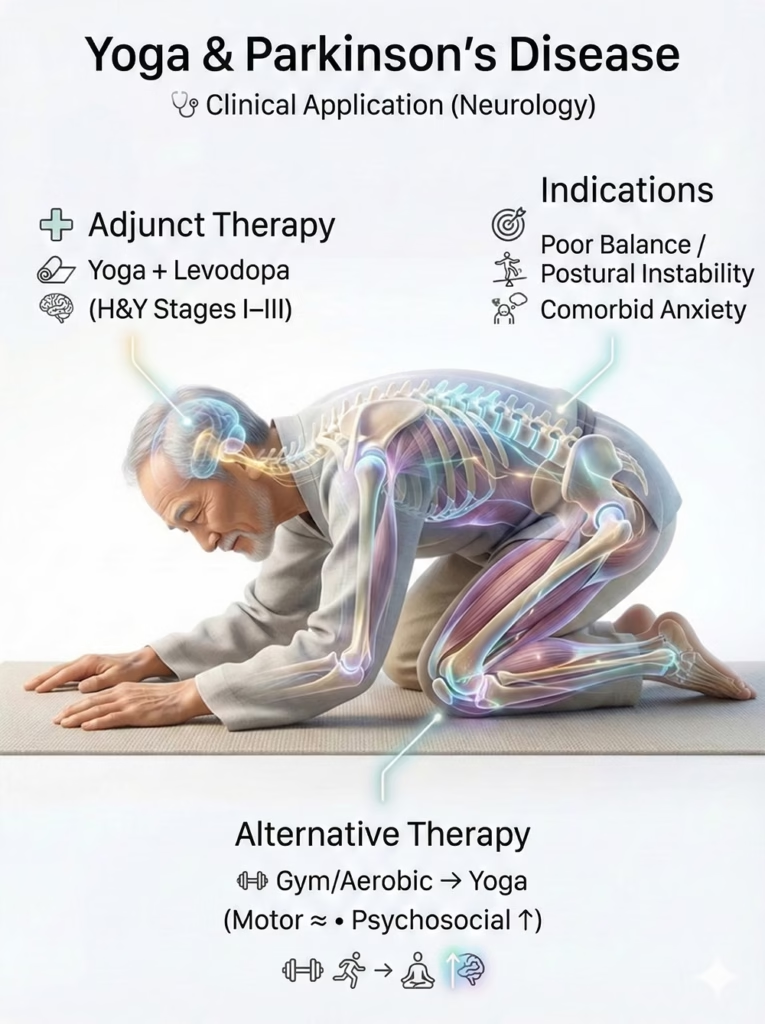
- Adjunctive Therapy: Y Yoga may be considered as part of a multimodal treatment plans (alongside Levodopa) for patients in Hoehn & Yahr stages I-III.
- Targeted Prescription: Specifically indicated for patients presenting with balance deficits and comorbid anxiety.
- Viable Alternative: For patients intolerant of high-intensity aerobics, Yoga offers a comparable motor benefit with meaningful psychological benefits.
Application in Yoga Practice (Yoga Therapist’s Perspective)
When instructing PD patients, therapists must adhere to evidence-based principles:
Cueing Strategy PD patients struggle with movement initiation. Therapists must use External Cues:
- Auditory: Rhythmic counting or use of a metronome.
- Visual: Using lines on the mat or blocks as targets to step over (to mitigate gait freezing).
Safety & Props
- Always utilize a chair or wall. Fall risk is elevated in this population.
- Avoid complex single-leg balances without support.
- Avoid rapid postural changes (supine to standing) to prevent orthostatic hypotension.
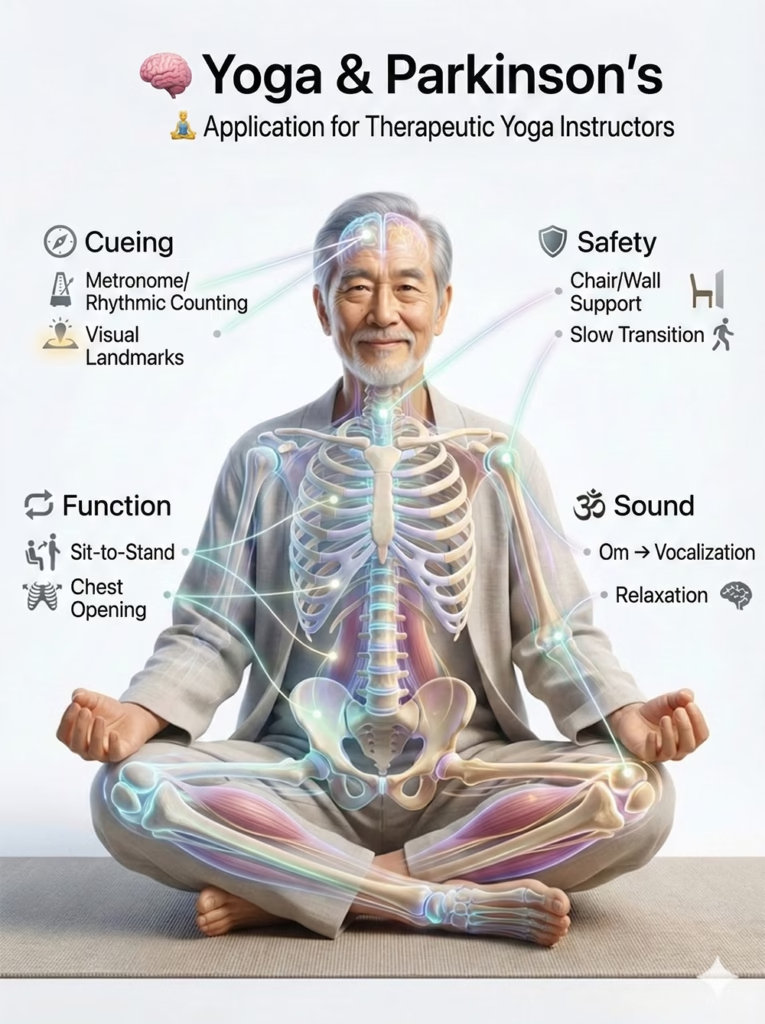
Functional Movement Focus Design sequences mimicking Activities of Daily Living (ADLs):
- Utkatasana (Chair Pose): Safety techniques for sit-to-stand transfer.
- Gentle Twists: To reduce axial/spinal rigidity and assist with bed mobility (rolling over).
- Chest & Neck Opening: To counteract camptocormia (stooped posture) typical of PD.
Sound Integration (Chanting/Om) Encourage chanting (Brahmari/Om). Vibration in the larynx improves vocal function and stimulates the Vagus Nerve, promoting parasympathetic dominance.
Balance impairments in Parkinson’s are also seen in aging populations. Our breakdown of the biomechanical demands of standing yoga poses in seniors provides additional context.
Part 6. Conclusion
The study by Suárez-Iglesias et al. (2022) supports the potential role of Yoga as an adjunct rehabilitation modality for Parkinson’s disease.
Core Message: Yoga not only enhances physical stability (improving balance) but also promotes mental equanimity (reducing anxiety and depression). It represents a safe, effective, and holistic Mind-Body intervention that warrants further integration and investigation in geriatric and neurological care settings and neurological rehabilitation.
References:
Suárez-Iglesias, D., Santos, L., Sanchez-Lastra, M. A., & Ayán, C. (2022). Systematic review and meta-analysis of randomised controlled trials on the effects of yoga in people with Parkinson’s disease. Disability and Rehabilitation, 44(21), 6210–6229. DOI: 10.1080/09638288.2021.1966522. PMID: 34533097.
![The Biomechanical Demands of Standing Yoga Poses in Seniors [RESEARCH DECODED]](https://yogaismylife.vn/en/wp-content/uploads/2026/02/tu-the-chien-binh-cho-nguoi-cao-tuoi.webp)
![The Impact of Yoga on Pediatric Obesity [RESEARCH DECODED]](https://yogaismylife.vn/en/wp-content/uploads/2026/02/The-Impact-of-Yoga-on-Pediatric-Obesity.avif)