Part I: Understanding the Condition: A Dual Perspective
Amid rising global pressures, recent data reveals a concerning trend in modern mental health. The World Health Organization (WHO) reports that stress and mental disorders have become pervasive public health issues, impacting millions worldwide.
If you are experiencing burnout and seeking sustainable stress management strategies, you are not alone. This evidence-based guide explores how therapeutic yoga modulates the nervous system to restore your natural balance and vitality.
Self-Assessment: Before we examine the science and effective yoga-based solutions, please take this one-minute quiz to evaluate your current stress levels.
Overview of Stress: A Modern Medical Perspective
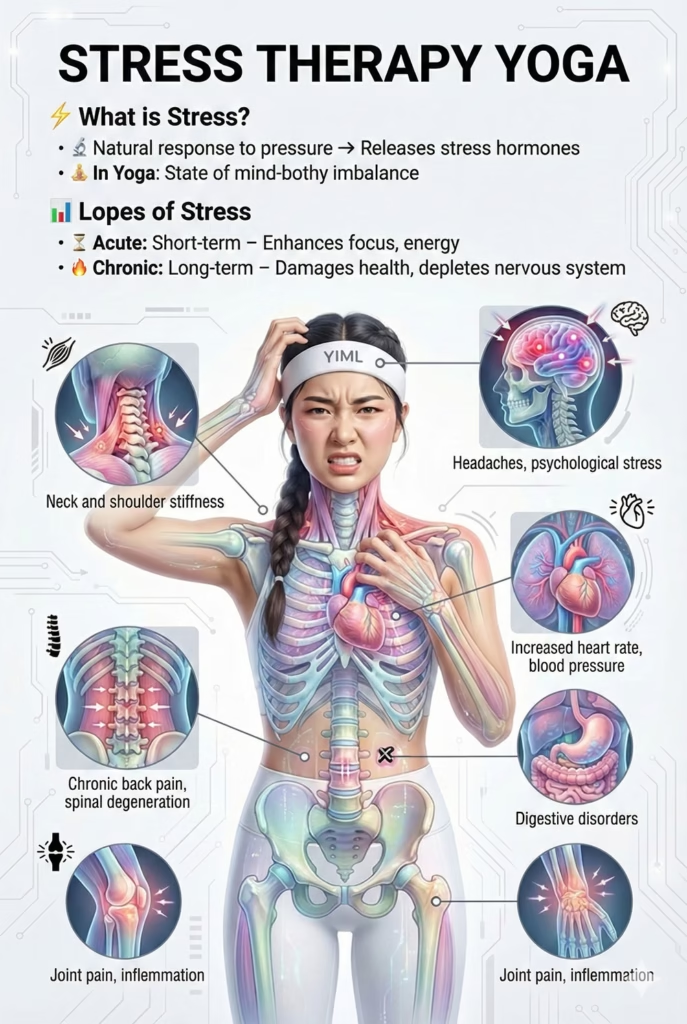
Definition In modern medicine, stress is defined as the body’s physiological response to any demand, pressure, or perceived threat (stressor). When encountering a stressor, the nervous system activates the “fight-or-flight” response, triggering the release of key hormones such as adrenaline and cortisol.
Acute vs. Chronic Stress
- Acute Stress: A short-term, adaptive response that can be beneficial. It mobilizes energy and focus to navigate immediate challenges, such as meeting a deadline or reacting to traffic. Once the stressor subsides, the body returns to homeostasis (equilibrium).
- Chronic Stress: A pathological state where the stress response remains activated over an extended period without a return to a resting state. This prolonged physiological arousal prevents the body from recovering, leading to systemic wear and tear and significant health complications.
Common Symptoms and Clinical Signs Chronic stress impacts all physiological systems. Early recognition is critical for effective intervention. Symptoms are categorized into four primary domains:
1. Physical Symptoms
- Unexplained fatigue and exhaustion.
- Headaches and muscle tension, particularly in the cervical (neck) and lumbar regions.
- Sleep disturbances (insomnia, fragmented sleep, or hypersomnia).
- Gastrointestinal issues (indigestion, reflux, constipation, or diarrhea).
- Tachycardia (rapid heart rate), palpitations, or chest pain.
- Compromised immune function, leading to increased susceptibility to infections.
- Decreased libido.
2. Emotional Symptoms
- Persistent anxiety, restlessness, or agitation.
- Irritability, frustration, and short temper.
- Feelings of being overwhelmed or losing control.
- Inability to relax; a “racing” mind.
- Depressive symptoms, sadness, or feelings of isolation.

3. Cognitive Symptoms
- Rumination and constant worrying.
- Cognitive impairment (difficulty concentrating, memory lapses).
- Pessimism or focusing solely on negative outcomes.
- Indecisiveness.
4. Behavioral Symptoms
- Changes in appetite (hyperphagia or anorexia).
- Procrastination and avoidance of responsibilities.
- Use of alcohol, tobacco, or stimulants as coping mechanisms.
- Social withdrawal and isolation.
- Nervous habits (e.g., nail-biting, pacing).
Etiology & Risk Factors of Stress
1. A Modern Medical Perspective
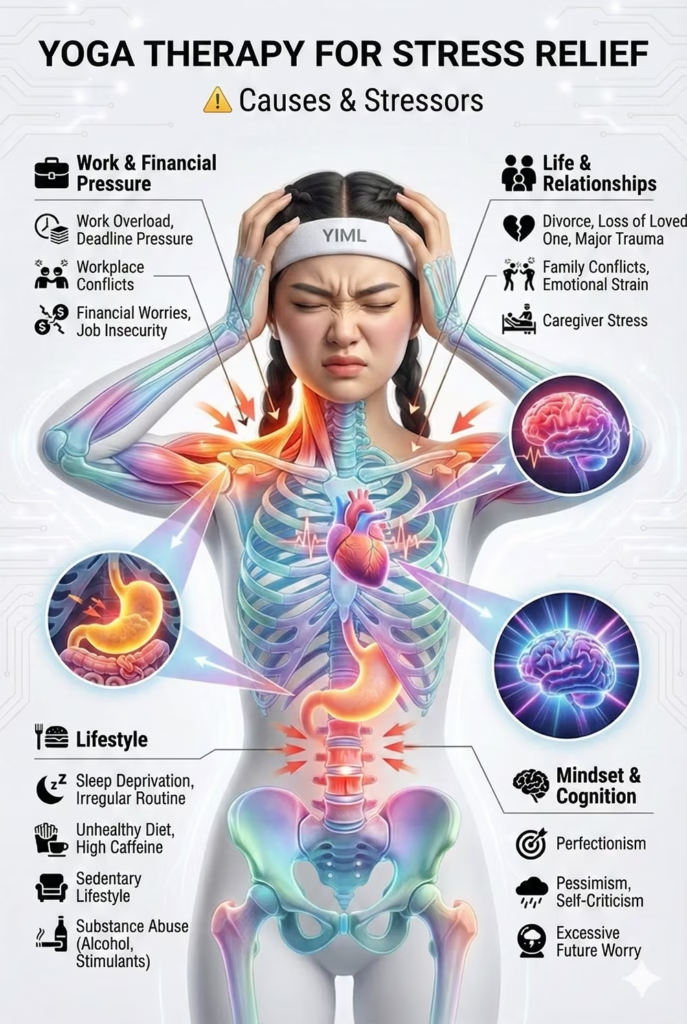
Modern medicine attributes chronic stress to the persistent presence of “stressors,” preventing the body’s “fight-or-flight” mechanism from resetting. These stressors generally fall into four categories:
- Occupational & Financial Pressures: Excessive workload, tight deadlines, toxic work environments, and financial instability or job insecurity.
- Psychosocial Factors: Major life events (divorce, bereavement, relocation), prolonged interpersonal conflicts, and the burden of caregiving.
- Lifestyle Determinants: Chronic sleep deprivation, poor nutrition (high sugar/caffeine intake), sedentary behavior, and substance misuse.
- Cognitive Patterns: How we perceive events dictates the stress response. Maladaptive thought patterns include perfectionism, pessimism, harsh self-criticism, and future-oriented anxiety.
2. A Yogic & Ayurvedic Perspective
Yoga and Ayurveda view stress as a fundamental imbalance in energy and consciousness.
Imbalance of the Gunas (Quality of Mind)
- Rajas (Activity/Turbulence): Stress is primarily an excess of Rajas. When dominant, the mind becomes restless and insatiable.
- Tamas (Inertia/Darkness): Prolonged Rajas eventually burns out, collapsing into Tamas. This manifests as lethargy, depression, and total exhaustion.
- Goal: To cultivate Sattva—the state of clarity, balance, and harmony.

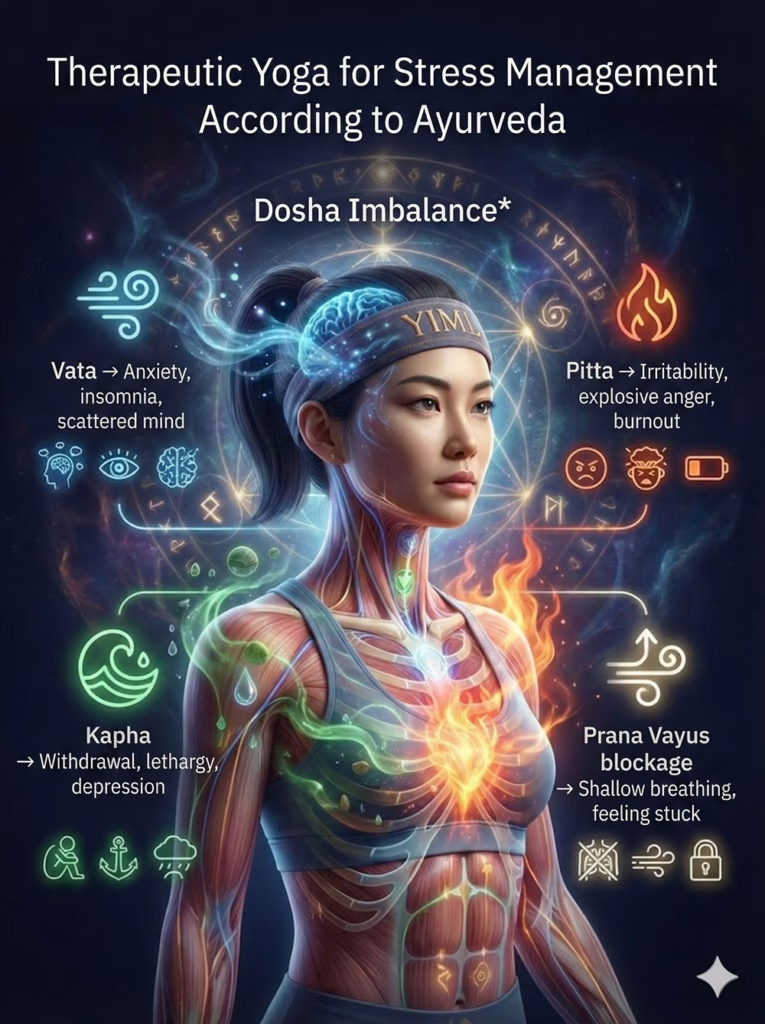
Imbalance of the Doshas (Bio-Energies)
Stress aggravates each constitution differently:
- Vata (Air/Ether): Experiences the most severe imbalance, leading to anxiety, fear, insomnia, and a scattered mind.
- Pitta (Fire/Water): Manifests stress as anger, irritability, judgment, and burnout.
- Kapha (Earth/Water): Reacts by withdrawing, procrastinating, and falling into depression or lethargy.
Disruption of Prana (Vital Life Force)
Stress causes respiration to become shallow and rapid (thoracic breathing). This disrupts the Vayus (winds):
- Prana Vayu: The upward/inward flow of energy is restricted.
- Apana Vayu: The downward/eliminating flow is blocked, creating a sensation of being “stuck.”
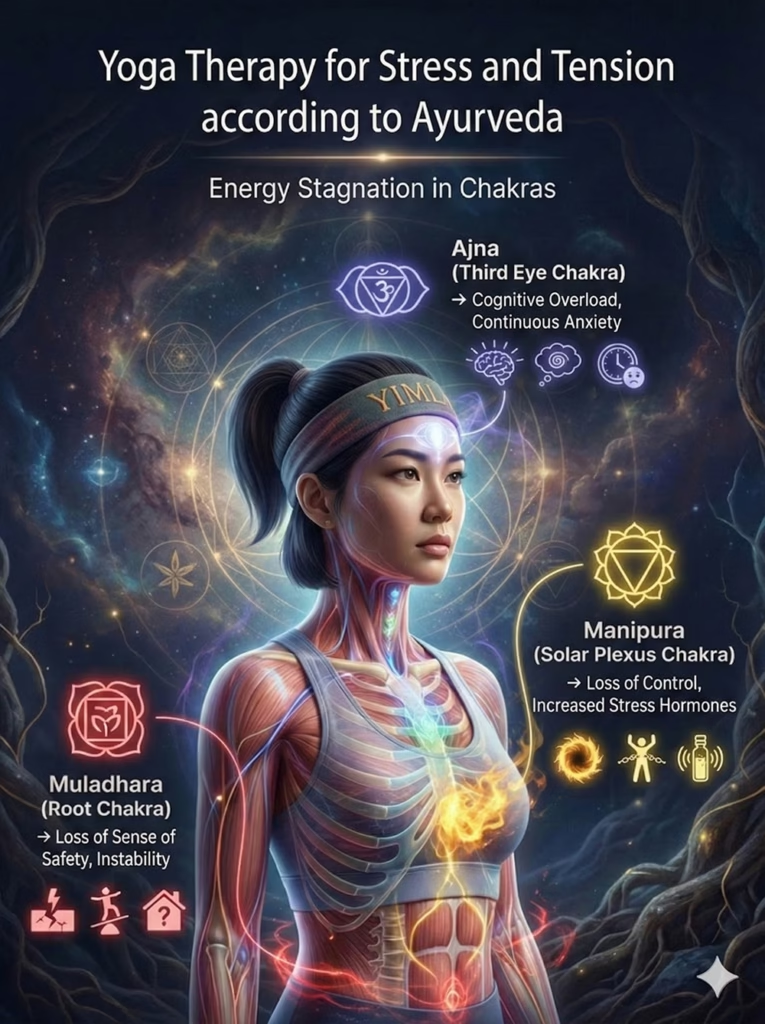
Energetic Blockages in the Chakras
- Muladhara (Root Chakra): Stress compromises our sense of safety and survival.
- Manipura (Solar Plexus Chakra): Feelings of lost control impact this center of personal power.
- Ajna (Third Eye Chakra): Incessant overthinking creates congestion in the center of intuition and clarity.
Part II: Therapeutic Approaches of Yoga to Stress
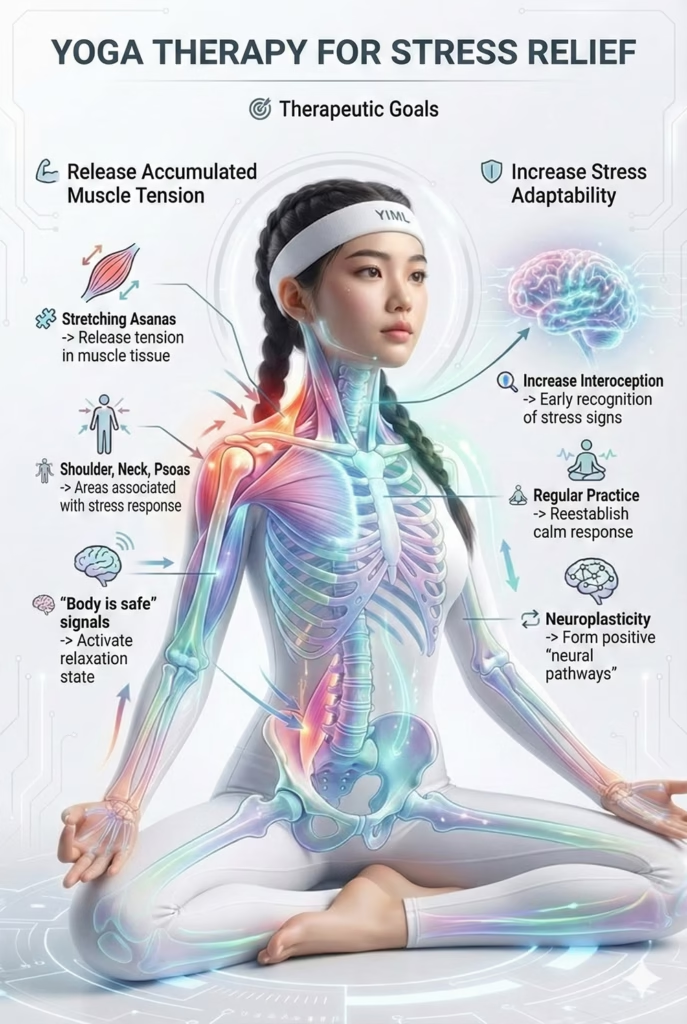
Therapeutic Goals Therapeutic Yoga is not merely a temporary coping mechanism; it is a comprehensive strategy designed to reprogram the body’s physiological and psychological responses to stressors. The core objectives include:
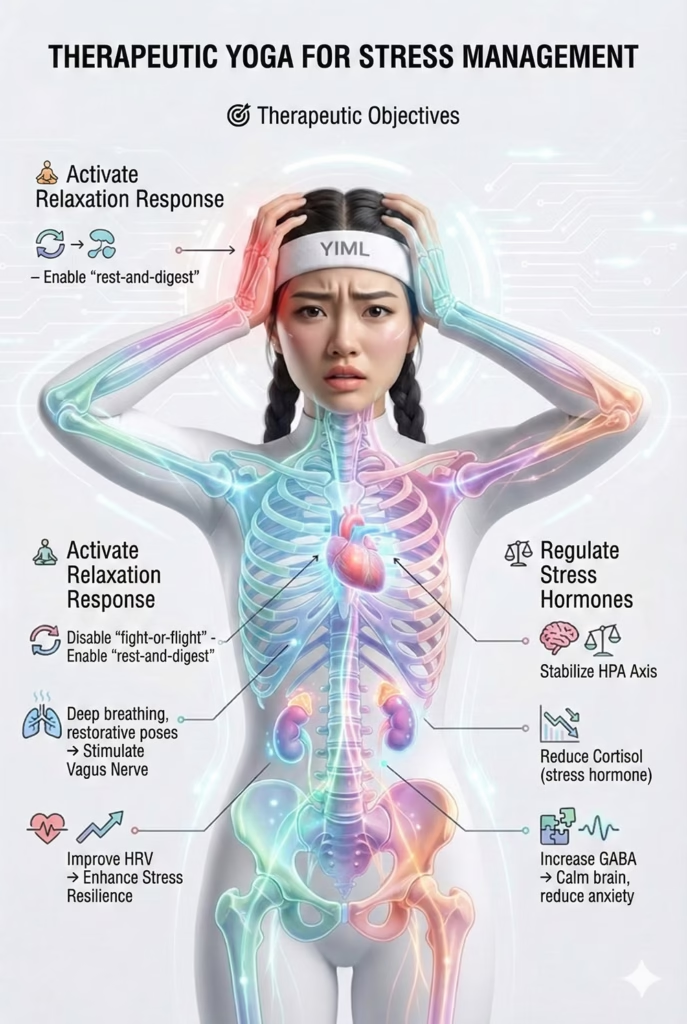
1. Activating the Relaxation Response (Parasympathetic Activation)
- Goal: To shift the autonomic nervous system from the “fight-or-flight” (sympathetic) state to the “rest-and-digest” (parasympathetic) state.
- Mechanism: Controlled breathing (pranayama) and restorative poses directly stimulate the vagus nerve. This enhances vagal tone, measurable by increased Heart Rate Variability (HRV)—a key indicator of physiological resilience and stress recovery.
- Reference: Posadzki P et al., 2015 (https://pubmed.ncbi.nlm.nih.gov/26059998/)
2. Regulating the HPA Axis and Neurochemistry
- Goal: To mitigate the biochemical impact of chronic stress, specifically the overactivity of the Hypothalamic-Pituitary-Adrenal (HPA) axis.
- Mechanism: Regular practice downregulates the HPA axis, lowering cortisol levels. Furthermore, yoga has been shown to increase brain levels of GABA, the primary inhibitory neurotransmitter responsible for reducing neuronal excitability and anxiety.
- Reference: Streeter CC et al., 2010 (https://pubmed.ncbi.nlm.nih.gov/20722471/)
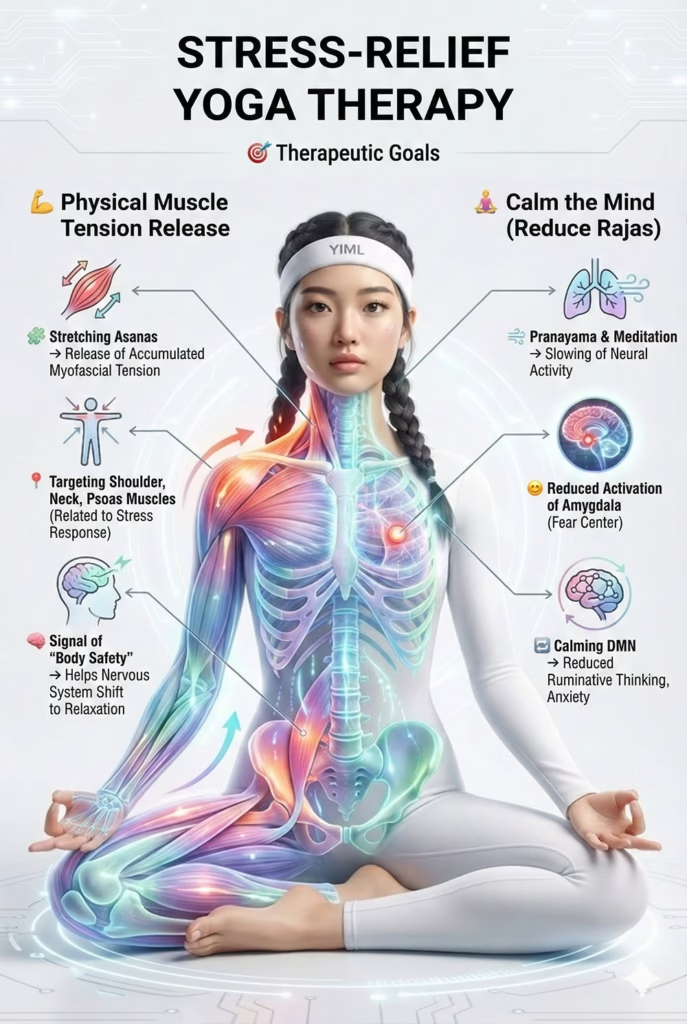
3. Releasing Somatic Tension
- Goal: To release physical trauma and tension stored in muscle tissue.
- Mechanism: Stress manifests as rigidity in key areas like the trapezius and the psoas (the “muscle of the soul,” closely linked to the fight-or-flight response). Stretching these areas sends a feedback signal to the brain that the “threat” has passed, facilitating a return to homeostasis.
- Reference: Khajuria A et al., 2024 (https://pmc.ncbi.nlm.nih.gov/articles/PMC10919405/) and Effect of Hatha yoga on stress, anxiety, and suppression: A randomized controlled trial.
4. Quieting Mental Agitation (Reducing Rajas)
- Goal: To transition the mind from Rajas (turbulence/agitation) to Sattva (clarity/balance).
- Mechanism: fMRI studies indicate that meditation and yoga reduce activity in the amygdala (the brain’s fear center) and the Default Mode Network (DMN), the neural network associated with rumination and wandering thoughts.
- Reference: Marchand WR, 2014 (https://pmc.ncbi.nlm.nih.gov/articles/PMC4109098/)
5. Building Resilience and Neuroplasticity
- Goal: To cultivate long-term resilience by altering how the brain processes stress.
- Mechanism: Yoga enhances interoception (the awareness of internal bodily states), allowing for early detection of stress signals. Through repetition, practitioners leverage neuroplasticity to forge new neural pathways, making calmness—rather than reactivity—the default response to pressure.
- Reference: Impact of Mindfulness-Based Stress Reduction (MBSR) and Yoga on Physiological Stress Measures: A Systematic Review and Meta-Analysis. (DOI: 10.1016/j.psyneuen.2017.08.008)
Golden Principles & Absolute Contraindications
This section is critical. When the psychophysiological system is already under stress, the cardinal rule is the elimination of additional pressure. Therapeutic yoga for stress management is the art of release and nurturing, rather than exertion and achievement.
Golden Principles of Practice
- Permission to Rest: The objective is not physical exertion. Consciously choosing rest over effort signals safety to the amygdala (the brain’s fear center). This directly counteracts the “fight-or-flight” response and facilitates parasympathetic activation.
- Sensation Over Form: Disregard aesthetic perfection. Focusing on internal sensations (interoception) shifts neural activity away from the Default Mode Network (DMN)—the seat of rumination and self-criticism—toward regions processing immediate experience, fostering a state of grounded presence.

- Non-Judgment (Ahimsa): A stressed mind is often a critical mind. Practicing self-compassion is clinically proven to lower cortisol levels. Gently redirecting a wandering mind strengthens the prefrontal cortex (emotional regulation), building long-term resilience.
- Breath as the Anchor: Controlled respiration is the most direct tool for nervous system modulation. Slow, deep breathing—specifically with prolonged exhalation—provides a “massage” to the vagus nerve, immediately slowing heart rate and signaling systemic relaxation.
- The Importance of Slowness: The nervous system interprets speed as urgency or danger (sympathetic arousal). Conversely, deliberate, slow movement signals safety, allowing sensory processing without overload and cultivating deep relaxation.
Absolute Contraindications
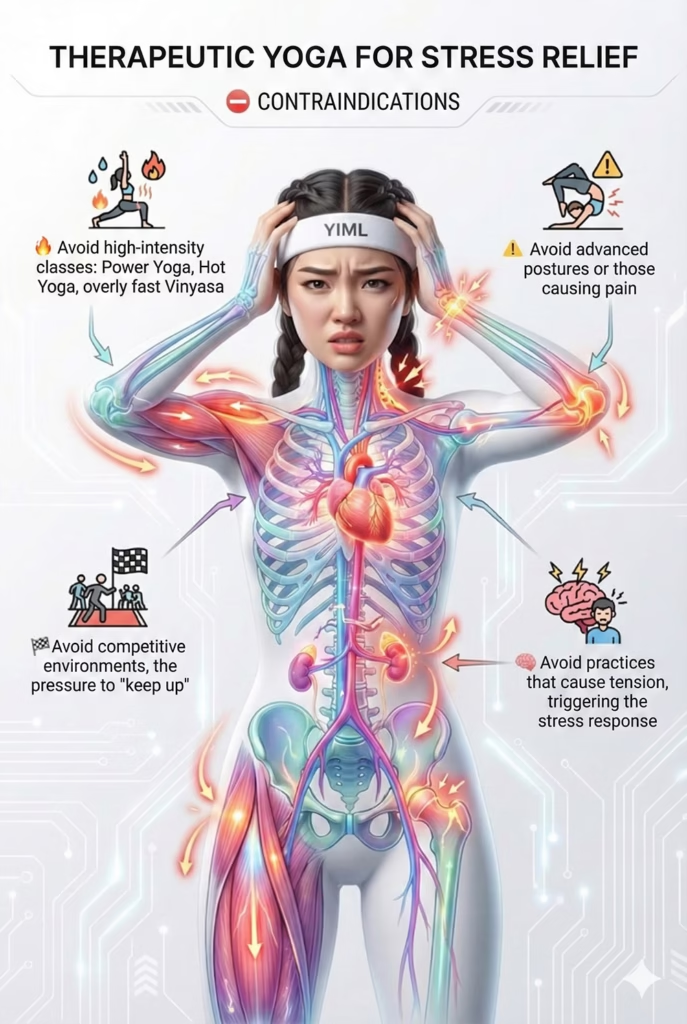
To ensure therapeutic efficacy, the following must be strictly avoided, as they can inadvertently reactivate the stress response mechanism.
1. Asana (Postures)
- Competitive or High-Velocity Classes: Avoid high-intensity formats like Power Yoga, Hot Yoga, or fast-paced Vinyasa. These environments keep the brain in Beta wave states (alertness/reaction) and stimulate the amygdala. Therapeutic goals require shifting into Alpha wave states (relaxation/flow).
- Pain and Excessive Challenge: Pain is a primary biological stressor. It triggers the immediate release of adrenaline and cortisol and causes protective muscle guarding—precisely the physiological state we aim to reverse.
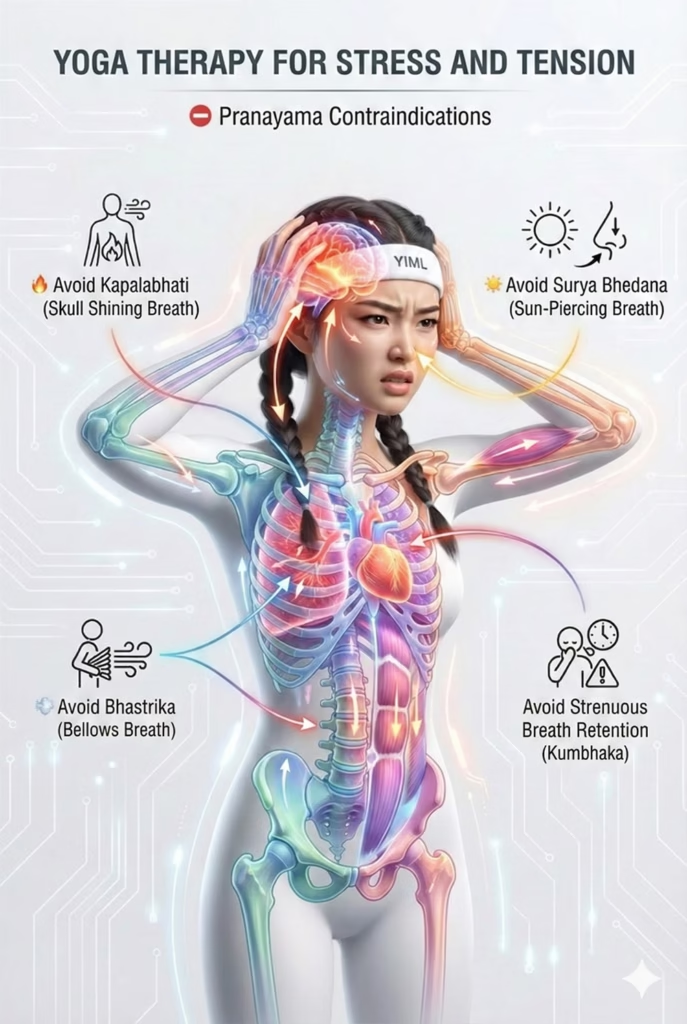
2. Pranayama (Breathwork)
- Stimulating Breathwork: Techniques such as Kapalabhati (Skull Shining), Bhastrika (Bellows Breath), and Surya Bhedana (Right Nostril Breathing) strongly activate the sympathetic nervous system and the Pingala Nadi (active/solar channel). These increase Rajas (agitation), whereas the goal is to activate the Ida Nadi (cooling/lunar channel) and cultivate Sattva.
- Strained Breath Retention (Kumbhaka): Forcing breath retention elevates blood CO2 levels. Chemoreceptors detect this rise, triggering a primal panic response to force respiration, causing a spike in stress hormones.
3. Mental Approach
- The “No Pain, No Gain” Mentality: This mindset engages the DMN, reinforcing effort and self-judgment. Therapeutic practice requires quieting the DMN and focusing on non-judgmental sensory awareness.
- Social Comparison: Comparing oneself to others is a potent psychological stressor. It activates neural circuits related to social threat and inadequacy, undermining the sense of safety and self-acceptance required for healing.

Part III: The Therapeutic Yoga Toolkit for Stress Management
A. Asana (Postures)
Therapeutic Goal: To facilitate somatic release, induce safety, and regulate the autonomic nervous system. Movement must be deliberate, non-competitive, and breath-centric.
1. Mobilization: Marjaryasana-Bitilasana (Cat-Cow)
Objective: To awaken spinal articulation, lubricate joints, and release superficial tension in the upper back.
- Technique: From Table Top position, inhale to extend the spine (Cow); exhale to flex and round the spine (Cat). Perform 8–10 slow repetitions.
- Instructor’s Cue: Visualize the breath as a wave initiating from the coccyx (tailbone) and rippling up through each vertebra to the crown. Let the breath dictate the speed of movement.
- Mechanism of Action:
- Mechanical: Lubricates vertebral joints and mobilizes the thoracic cage, improving diaphragmatic excursion for deeper respiration.
- Neurological: Acts as a moving meditation. The synchronization of breath and movement enhances vagal tone, shifting the system away from sympathetic arousal.
- Energetic: Unblocks Prana flow along the Sushumna Nadi (central channel) and balances the Anahata (Heart) Chakra.
- Safety Protocol:
- Cervical Spine: Avoid hyperextension. Keep the neck long; the gaze should follow the natural curve of the thoracic spine.
- Wrists: Distribute weight evenly through the knuckles to prevent carpal compression.

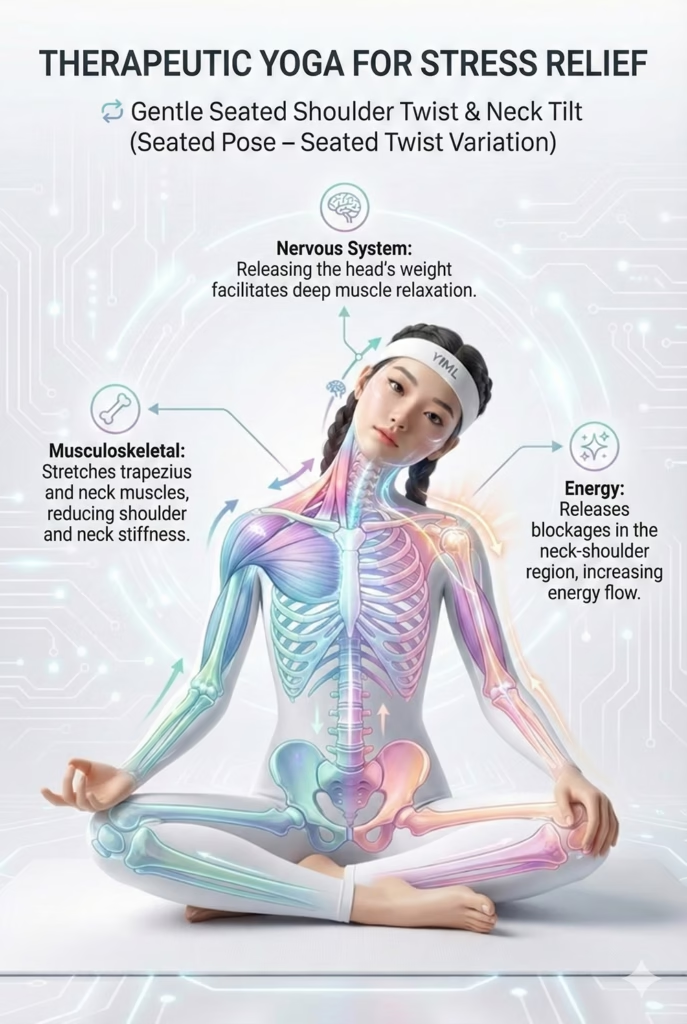
2. Tension Release: Cervical & Shoulder Mobilization
Objective: To target the upper trapezius and levator scapulae—the primary storage sites for psychological stress.
- Technique: Perform slow shoulder rolls. Then, exhale and tilt the right ear toward the right shoulder. Hold for 3 breaths. Repeat on the other side.
- Instructor’s Cue: Do not force the ear to the shoulder. Focus on “anchoring” the opposite shoulder down. Gravity provides the stretch; you provide the release.
- Mechanism of Action:
- Mechanical: Elongates the upper trapezius and levator scapulae, increasing blood flow and reducing ischemic muscle pain.
- Neurological: Releasing chronic tension in the neck interrupts the feedback loop of physical stress signaling sent to the brain.
- Energetic: Clears blockages in the Vishuddha (Throat) Chakra, often constricted by unexpressed emotion.
- Safety Protocol:
- No Manual Force: Do not pull the head with your hand.
- TMJ Awareness: Consciously relax the jaw; tension in the masseter muscles directly correlates to cervical tightness.
3. Grounding Strength: Setu Bandhasana (Bridge Pose)
Objective: To build posterior chain strength and stability while passively opening the anterior chest wall.
- Technique: Supine, knees bent. Inhale, drive through the heels to lift the hips. Clasp hands beneath the pelvis. Hold for 5 breaths.
- Instructor’s Cue: Focus on grounding through the heels and internally rotating the femurs. Move the chest toward the chin (not chin to chest) to preserve the cervical curve.
- Mechanism of Action:
- Mechanical: Strengthens the glutes and hamstrings to counteract stress-induced kyphosis (slouching). Creates physical space for cardiac and pulmonary function.
- Neurological: As a mild inversion, it stimulates the baroreflex, lowering heart rate and blood pressure.
- Energetic: Activates the Muladhara (Root) Chakra for stability and opens the Anahata (Heart) Chakra for emotional release.
- Safety Protocol:
- Cervical Safety: Do not turn the head while the hips are elevated.
- Alignment: Keep knees hip-width apart (imagine squeezing a block) to protect the sacroiliac joint.

4. Resilience: Virabhadrasana II (Warrior II)
Objective: To cultivate isometric strength, psychological stability, and internal focus (Interoception).
- Technique: Wide stance. Deep lunge in the front leg. Arms extended. Hold for 5–8 breaths with a steady gaze (Drishti).
- Instructor’s Cue: Root down from the hips; rise up through the spine. Maintain a “Warrior’s Peace”—physically engaged but mentally still.
- Mechanism of Action:
- Mechanical: Isometric engagement of large muscle groups provides a strong physiological foundation.
- Neurological: Drishti (focused gaze) reduces visual distraction, quieting the “monkey mind” and reducing activity in the Default Mode Network (DMN).
- Energetic: Strongly grounds via the Muladhara Chakra while activating the Manipura (Solar Plexus) Chakra—the center of will and resilience.
- Safety Protocol:
- Knee Tracking: Ensure the front knee tracks over the ankle, not past the toes.
- Foundation: Anchor the outer edge of the back foot to activate the inner arch and medial thigh muscles.

B. Release & Relief Poses
Therapeutic Goal: To access deep muscle layers, release stored somatic tension, and facilitate energetic circulation.
1. Balasana (Child’s Pose)
Objective: The ultimate posture of safety and withdrawal.
- Technique: Kneel, fold forward, forehead to the floor. Arms extended or alongside the body.
- Instructor’s Cue: Do not force hips to heels. Focus on “Back Breathing”—expanding the posterior ribs with every inhale. Yield to gravity; let the floor hold you.
- Mechanism of Action:
- Mechanical: Provides passive traction for the entire spine, particularly the lumbar region. Abdominal compression offers a gentle massage to internal organs.
- Neurological: A posture of sensory withdrawal (Pratyahara). Grounding the forehead calms the frontal cortex, reducing sensory input and mental chatter.
- Energetic: Soothes an overactive Ajna (Third Eye) Chakra and stabilizes Vata energy.
- Modifications:
- Knees: Place a rolled towel behind the knees to reduce flexion pressure.
- Forehead: If the head doesn’t reach the floor, use a block or stacked fists to ensure the neck remains neutral.

2. Supported Paschimottanasana (Supported Forward Fold)
Objective: To surrender rather than stretch.
- Technique: Seated with legs extended. Place a bolster or blankets on thighs. Fold forward, resting the torso and head completely on the props.
- Instructor’s Cue: This is about yielding, not conquering. Let the bolster carry your full weight. Allow the paraspinal muscles to melt with each exhalation.
- Mechanism of Action:
- Mechanical: Allows the posterior chain (hamstrings and back extensors) to release without active contraction or guarding.
- Neurological: Forward folds are inherently quieting. Supported flexion sends a potent safety signal to the parasympathetic nervous system, lowering cortisol.
- Energetic: Stimulates the downward flow of Apana Vayu, grounding anxiety and restlessness.
- Modifications:
- Micro-bend: Keep a small roll under the knees to protect the hamstrings and lumbar spine.
- Rounding: Thoracic rounding is acceptable here; allow the spine to drape over the prop naturally.

3. Supta Matsyendrasana (Supine Spinal Twist)
Objective: To “wring out” tension from the spine and viscera.
- Technique: Supine. Draw the right knee to the chest, then guide it across to the left. Extend arms wide. Hold for 8–10 breaths. Switch sides.
- Instructor’s Cue: Anchor the opposite shoulder to the floor. Let gravity do the work of twisting. Visualize wringing out a wet towel—releasing tension from the core.
- Mechanism of Action:
- Mechanical: Releases deep tension in the multifidus and Quadratus Lumborum (QL) muscles.
- Neurological: Twists regulate the autonomic nervous system. Deep abdominal breathing in this position stimulates the vagus nerve via diaphragmatic excursion.
- Energetic: Detoxifies the Manipura (Solar Plexus) Chakra, clearing stagnation.
- Modifications:
- Prop the Knee: If the knee hangs in the air, support it with a block or bolster to prevent sacroiliac strain.
- Hip Shift: Before twisting, shift hips slightly to the opposite side to maintain spinal alignment.

C. Restorative Poses
Therapeutic Goal: Physiological reset. The body is fully supported to allow the nervous system to enter a deep state of regeneration.
1. Viparita Karani (Legs Up the Wall)
Objective: The most potent restorative inversion for systemic recovery.
- Technique: Supine with hips near the wall, legs extended vertically up the wall. Arms relaxed by sides.
- Instructor’s Cue: “Do nothing.” Adjust your distance from the wall until the sacrum is flat on the floor. Let the legs be heavy in the hip sockets.
- Mechanism of Action:
- Mechanical: Passive inversion utilizes gravity to assist venous return and lymphatic drainage from the lower extremities, reducing cardiac load.
- Neurological: Activates the baroreflex (pressure sensors in major vessels), which signals the brain to lower heart rate and blood pressure immediately.
- Energetic: Highly cooling (pacifies Pitta) and stabilizing (pacifies Vata). Regulates Vyana Vayu (circulation).
- Modifications:
- Hip Support: Elevate hips on a folded blanket for lumbar relief.
- Exit Strategy: Roll to a fetal position and pause before rising to prevent orthostatic hypotension (dizziness).

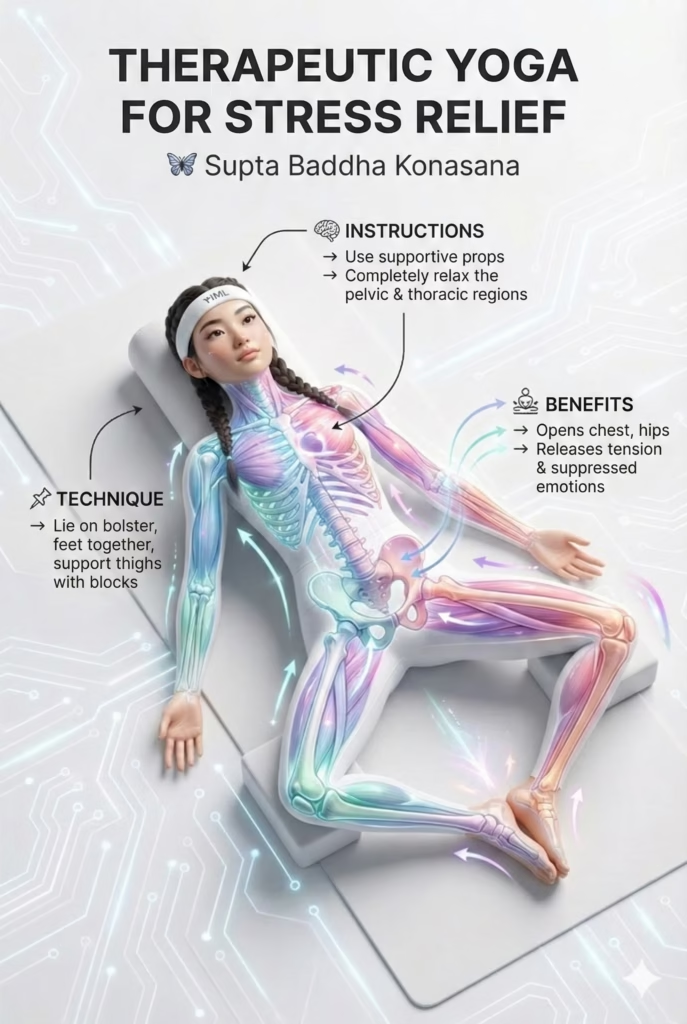
2. Supta Baddha Konasana (Supported Reclined Butterfly)
Objective: To open the heart and hips while fully held.
- Technique: Recline over a bolster. Soles of feet touch, knees open. Support outer thighs with blocks or blankets.
- Instructor’s Cue: Visualize a hug for your heart and pelvis. Ensure the knees feel like they are floating on the props—zero strain in the groin.
- Mechanism of Action:
- Mechanical: Passive chest expansion improves lung capacity. Supported hip opening releases pelvic floor tension.
- Neurological: The sensation of being “cradled” signals safety to the amygdala, deactivating the stress response.
- Energetic: Simultaneously opens and balances the lower chakras (survival/emotion) and the Anahata (Heart) Chakra.
- Modifications:
- Lumbar Comfort: If the lower back pinches, slide the hips slightly further away from the bolster.
- Thigh Support: Essential. Unsupported knees can trigger a stretch reflex, counteracting relaxation.
3. Savasana (Corpse Pose)
Objective: Integration and homeostasis.
- Technique: Supine, bolster under knees, blanket for warmth. Complete stillness.
- Mechanism of Action:
- Mechanical: Prop under knees releases the Psoas muscle (the primary fight-or-flight muscle), allowing the lumbar spine to settle.
- Neurological: The final “reset.” Allows the body to metabolize stress hormones and return to full homeostasis.
- Energetic: The practice of Ishvara Pranidhana (surrender). Prana moves inward to heal and balance all systems.

D. Pranayama (Breathwork)
Breath is the direct bridge to the autonomic nervous system. By consciously modulating the rhythm and depth of respiration, we can shift physiological and psychological states at will.
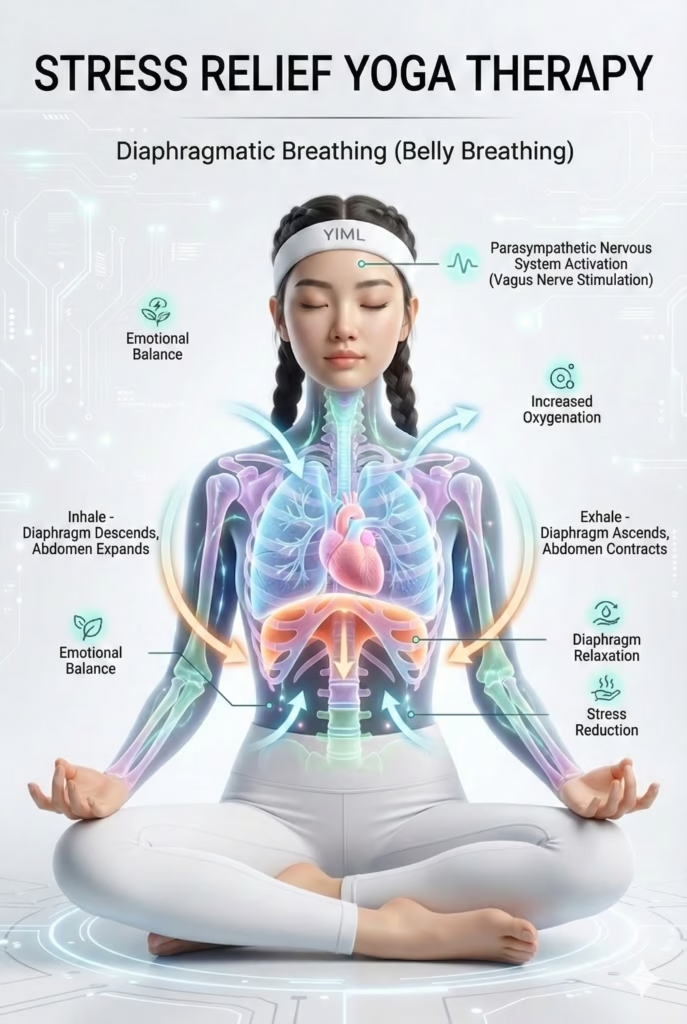
1. Diaphragmatic Breathing (Belly Breathing)
Mechanism & Benefits: This is the foundational tool for stress reduction. Shallow, thoracic (chest) breathing is a somatic marker of the “fight-or-flight” response. Conversely, deep, slow diaphragmatic breathing directly stimulates the vagus nerve, activating the parasympathetic nervous system. It sends an immediate safety signal to the brain, lowering heart rate and blood pressure, effectively interrupting the stress loop.
Instructor’s Cue:
“Avoid forcefully pushing the belly out. Visualize the diaphragm as a parachute. On the inhale, the parachute descends, gently displacing internal organs and allowing the belly to expand naturally. On the exhale, the parachute lifts, and the belly recedes. Do not force the movement; allow it to happen. Your hand on your chest is merely a silent observer, remaining still.”
Important Considerations:
- Effortless Effort: Breathing must be non-striving. If dizziness occurs, resume normal breathing immediately.
- Exhalation Focus: Prioritize lengthening the exhalation. It is the exhale that maximizes the sedative effect on the nervous system.
- Supine Start: Begin in a supine position (lying down) for optimal proprioceptive feedback. Once mastered, integrate this into seated or walking practices.
2. 1:2 Ratio Breathing
Mechanism & Benefits: This technique involves extending the exhalation to twice the length of the inhalation (e.g., Inhale 4, Exhale 8). Since exhalation is intrinsically linked to parasympathetic activation, consciously prolonging it amplifies the relaxation signal, soothing agitation and inducing deep tranquility.
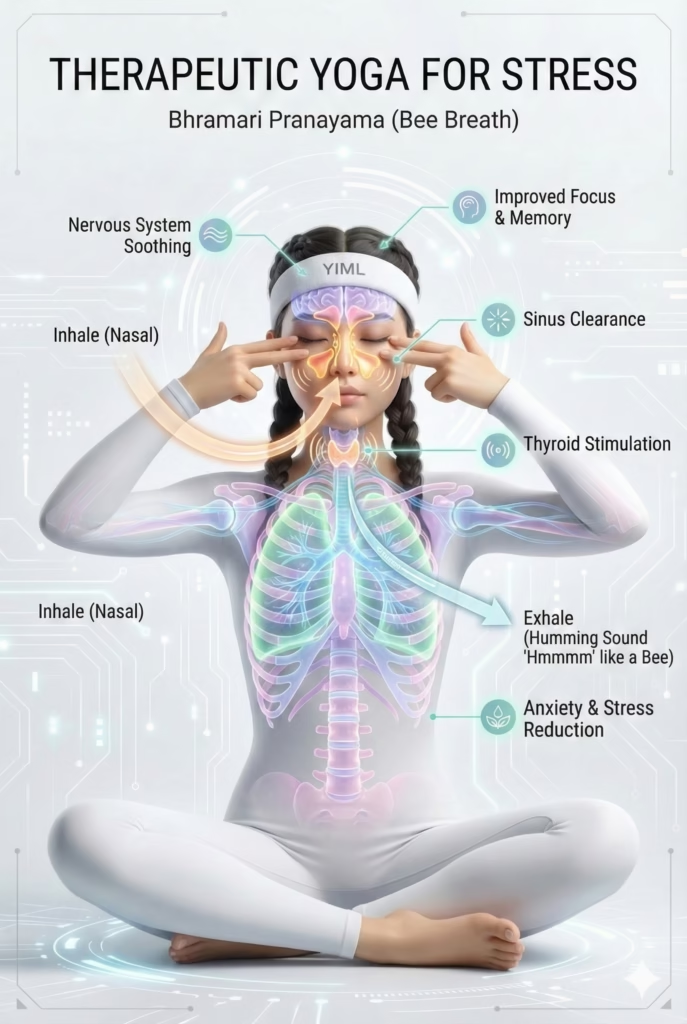
3. Bhramari Pranayama (Bee Breath)
Mechanism & Benefits: The humming sound creates a physical vibration within the cranium that instantly soothes the nervous system. This vibration acts as internal “white noise,” drowning out anxious rumination. It is particularly efficacious when the mind is overwhelmed or racing.
Instructor’s Cue:
“The magic lies in resonance, not volume. Do not force the sound from the throat. Keep the jaw relaxed and allow the ‘hmmm’ sound to originate deep in the chest, rising to fill the skull. Focus on the subtle vibration at the lips, nose, and forehead. It is this sensation, not the noise, that induces stillness.”
Important Considerations:
- Aural Safety: If you have an ear infection or pressure sensitivity, do not occlude the ears. Simply resting the fingers on the tragus is sufficient.
- Frequency: Experiment with pitch to find the frequency that generates the most soothing resonance for your specific physiology.
- Privacy: Practice in a private setting to inhibit self-consciousness and allow for total immersion.
E. Meditation & Deep Relaxation
These tools are designed to reprogram deep-seated cognitive patterns and build long-term stress resilience.
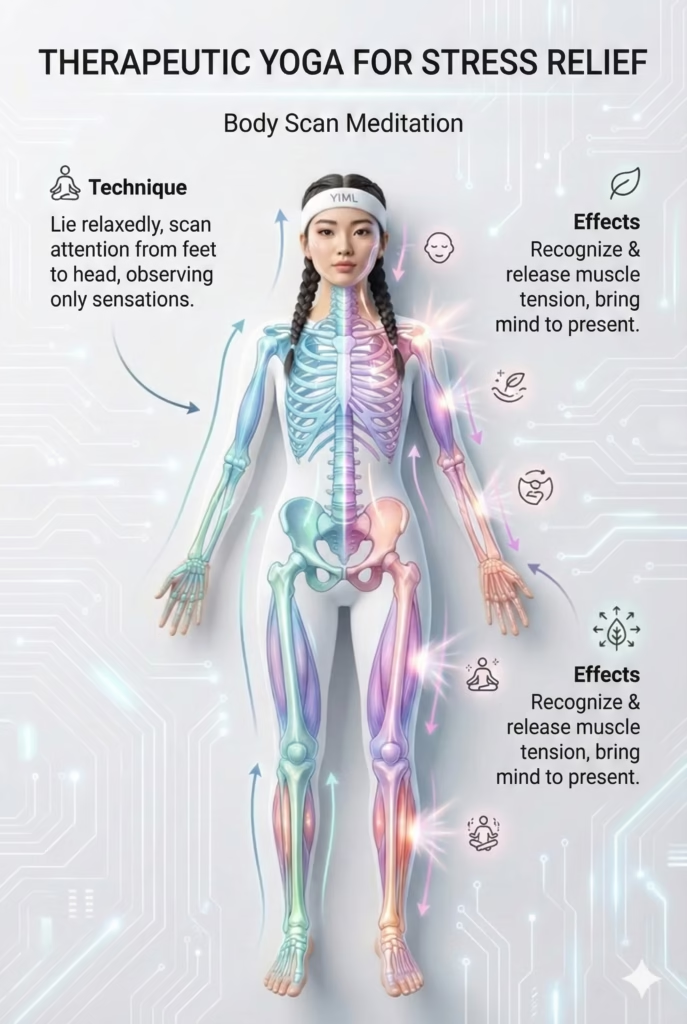
1. Body Scan Meditation
Technique: Lying comfortably, systematically sweep your attention through the body from toes to crown, observing sensations (tension, heat, tingling) without judgment.
Therapeutic Effect: Develops interoception (awareness of internal states) and releases unconscious muscular holding patterns. Crucially, it trains the mind to anchor in the present moment—the body—rather than drifting into past regrets or future anxieties.
2. Yoga Nidra (Yogic Sleep)
Technique: A structured, guided meditation that transitions the practitioner into a hypnagogic state (the threshold between wakefulness and sleep).
Therapeutic Effect: Facilitates profound restoration at the cellular level. In this receptive state, the mind is open to positive intentions (Sankalpa), allowing for the reprogramming of subconscious stress reactions and maladaptive habits.
3. Breath Awareness Meditation
Technique: Seated comfortably, observe the natural flow of breath at the nostrils. When the mind wanders, gently escort it back to the breath.
Therapeutic Effect: Strengthens the “muscle” of focus and non-judgmental awareness. It teaches the practitioner to disidentify from stressful thoughts, creating a psychological “gap” between the stimulus (thought) and the response (emotion).
F. Mudra & Mantra (Optional Integration)
Mudra (Hand Seal)
Chin Mudra (Seal of Consciousness): Connect the tip of the index finger to the tip of the thumb, palms facing up.
- Symbolism: The index finger (individual consciousness) bows to the thumb (universal consciousness).
- Effect: Creates a closed circuit of pranic energy, conducive to grounding and concentration.
Mantra (Sound Tool)
“So Hum” (I Am That): Silently recite “So” on the inhalation and “Hum” on the exhalation.
- Effect: This simple, rhythmic vibration provides a cognitive anchor, preventing the mind from being swept away by the current of stressful thinking.
Part IV: Integration & Practice Protocols
Suggested 25-Minute Therapeutic Sequence
Objective: To systematically downregulate the nervous system and release accumulated somatic tension. Movement should be slow, deliberate, and breath-centric. Use props liberally to ensure total physical support.
Phase 1: Grounding & Centering (4 Minutes)
1. Seated Diaphragmatic Breathing (3 mins)
- Technique: Seated with a tall spine. Place one hand on the belly, one on the chest. Inhale to expand the belly; exhale to soften. The chest remains relatively still.
- Goal: To shift focus from external stimuli to internal proprioception and activate the parasympathetic branch.
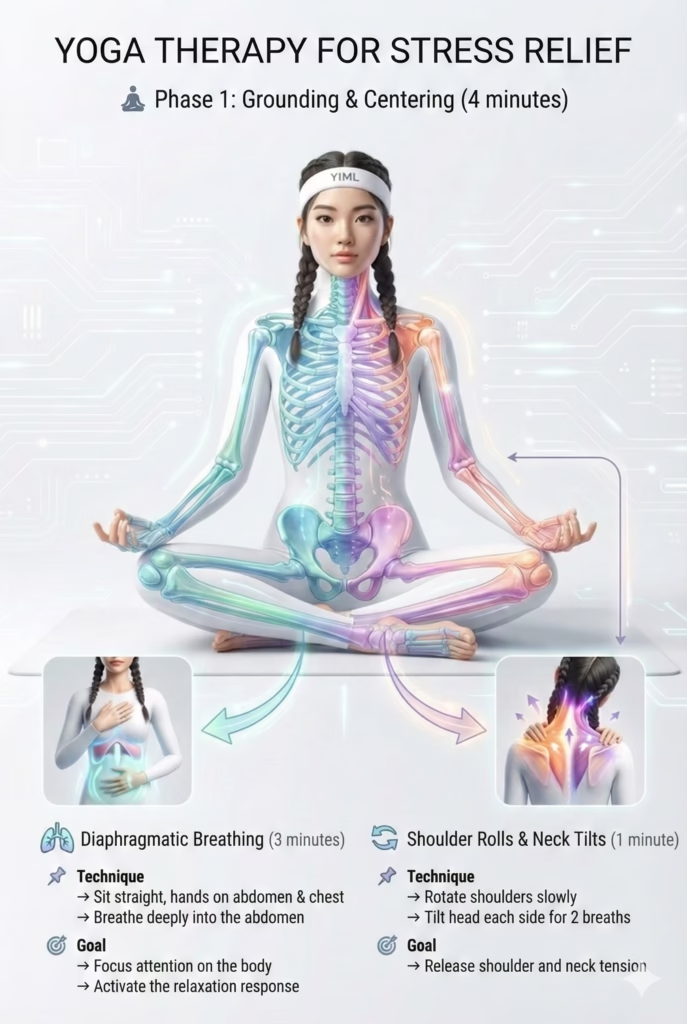
2. Cervical & Shoulder Mobilization (1 min)
- Technique: Slow shoulder rolls (posterior direction). Follow with gentle lateral neck tilts (ear to shoulder), holding for 2 breaths per side.
- Goal: To initiate tension release in the trapezius and levator scapulae.
Phase 2: Gentle Mobilization (6 Minutes)
3. Marjaryasana-Bitilasana (Cat-Cow) (3 mins)
- Technique: From Table Top, synchronize breath with movement: Inhale to extend (Cow), exhale to flex (Cat). Perform 8–10 slow cycles.
- Goal: To articulate the spine and lubricate intervertebral joints.
4. Supine Spinal Twist (3 mins)
- Technique: Supine, knees to chest. Exhale to drop knees to the right, gaze left. Hold for 8–10 deep breaths. Repeat on the other side.
- Goal: To decompress the spine and mechanically stimulate the vagus nerve via diaphragmatic compression.

Phase 3: Restoration (5 Minutes)
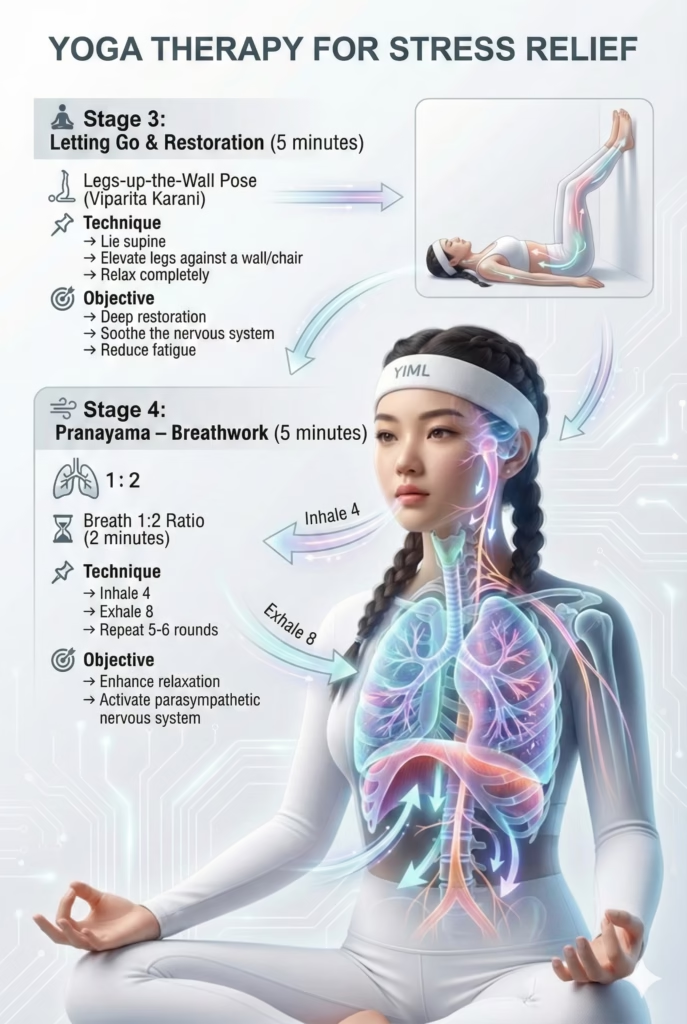
5. Viparita Karani (Legs Up the Wall)
- Technique: Hips close to the wall, legs extended vertically. Arms relaxed. (Alternative: Calves resting on a chair).
- Goal: To utilize gravity for venous return, reduce cardiac load, and induce systemic relaxation.
Phase 4: Therapeutic Pranayama (5 Minutes)
6. 1:2 Ratio Breathing (2 mins)
- Technique: Seated. Inhale for a count of 4; exhale for a count of 8. Repeat 5–6 cycles.
- Goal: To maximize parasympathetic tone through prolonged exhalation.
7. Bhramari (Bee Breath) (3 mins)
- Technique: Gently occlude ears. Inhale deeply. On exhalation, produce a humming sound. Repeat 5–7 times. Finish with silence.
- Goal: To use cranial vibration to disrupt anxious rumination and soothe the limbic system.
Phase 5: Integration (5 Minutes)
8. Savasana (Corpse Pose)
- Technique: Supine, bolster under knees, covered with a blanket. Total surrender of muscular control.
- Goal: To allow the body to metabolize stress hormones and return to homeostasis.
Lifestyle & Ayurvedic Protocols for Stress Management
Stress management requires a holistic approach beyond the yoga mat. The following protocols align daily habits with biological rhythms to support nervous system regulation.
1. Circadian Rhythm Regulation (Dinacharya)
- Sleep Hygiene: Maintain consistent sleep and wake times to stabilize cortisol and melatonin production.
- Morning Routine: Avoid immediate digital exposure. Dedicate the first 5 minutes to somatic grounding (stretching, breathing) rather than reactive scrolling.
2. The “Micro-Break” Protocol
- Mechanism: To prevent cumulative stress load.
- Action: Every 60–90 minutes, take a 3-minute “breathing space.” Disengage from screens and perform 5–10 diaphragmatic breaths to reset the autonomic nervous system.

3. Ergonomic Hygiene
- Action: Maintain neutral spinal alignment. Ensure screens are at eye level to prevent cervical strain, which physically mimics stress postures.
4. Digital Detoxification
- Blue Light Management: Cease screen use 60 minutes prior to sleep. Blue light suppresses melatonin, impairing sleep quality and recovery.
- Information Diet: Consciously limit exposure to high-arousal or negative media content.
Ayurvedic Dietary Guidelines
Clinical Insight: Chronic stress typically aggravates Vata (leading to anxiety/restlessness) and Pitta (leading to irritability/inflammation). The diet should aim to pacify these energies through warmth, grounding, and hydration.
Core Principles
- Mindful Eating: Activate the “rest-and-digest” system by eating in a calm environment without distraction.
- Regularity: Eating at consistent times stabilizes blood sugar and metabolic function (Agni).
Foods to Favor (Vata/Pitta Pacifying)
- Warm & Cooked: Soups, stews, porridges, and roasted root vegetables (sweet potatoes, carrots). These are grounding and easy to digest.
- Complex Carbohydrates: Whole grains like brown rice, oats, and barley.
- Healthy Fats: Ghee, olive oil, coconut oil, and avocados. Lipids are essential for insulating nerve fibers and supporting brain health.
- Cooling Vegetables: Leafy greens, cucumber, broccoli (to balance Pitta).
- Herbal Support: Chamomile, Licorice, and Peppermint teas for their nervine (nerve-calming) properties.
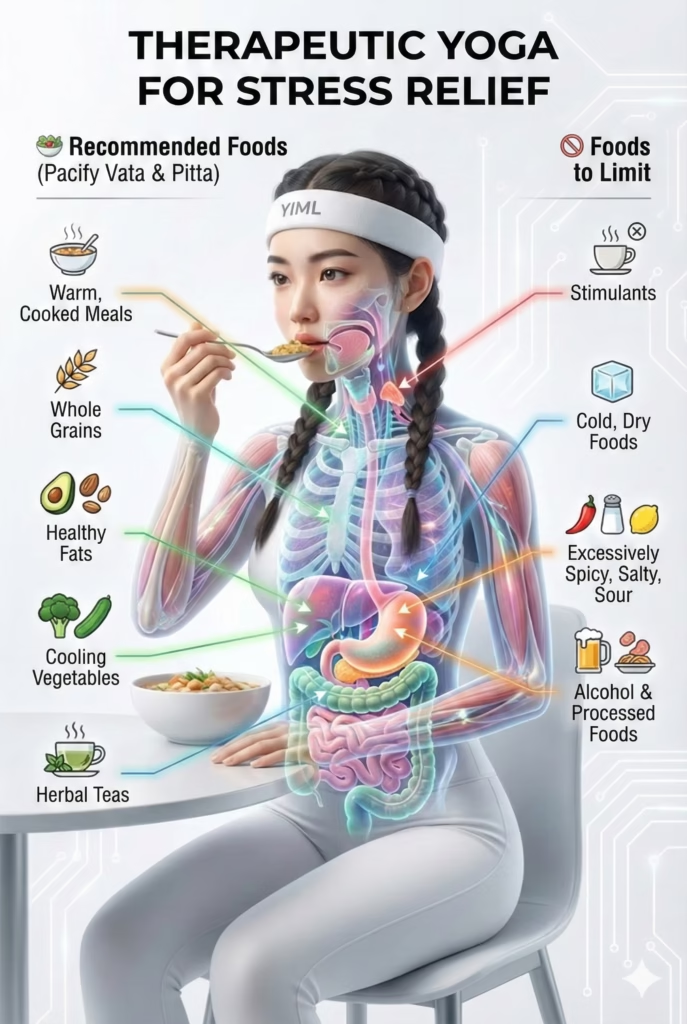
Foods to Avoid or Limit
- Stimulants: Caffeine and refined sugars trigger cortisol spikes and energy crashes.
- Cold & Dry Foods: Raw salads, crackers, and iced drinks aggravate Vata, increasing feelings of ungroundedness.
- Inflammatory Foods: Excessive spice, fried foods, and highly processed items aggravate Pitta and tax the liver.
- Alcohol: Depresses the central nervous system and disrupts REM sleep.
Persistent sympathetic activation is strongly associated with cardiovascular risk, particularly hypertension. See our full medical and yogic approach to hypertension for a cardiovascular-focused framework.
Part V: Conclusion
The yogic approach to stress management is not a palliative measure, but a holistic framework for physiological and psychological transformation. Beyond merely managing symptoms, it addresses the etiology of the problem: a dysregulated nervous system and maladaptive cognitive reactivity to stressors.
By integrating Asana to release somatic tension, Pranayama to directly modulate the autonomic nervous system, and Meditation to restructure neural pathways, Yoga provides a potent toolkit for self-regulation. It cultivates a sense of internal safety, transforming the body and breath into a stable anchor amidst external volatility.
This journey requires neither exceptional flexibility nor physical strength, but rather:
- Patience: Reversing years of accumulated allostatic load (wear and tear on the body) is a gradual process.
- Interoception: Developing the wisdom to discern when the body requires mobilization and when it demands rest.
- Consistency: Neuroplastic change is driven by repetition; it is consistency, not intensity, that yields sustainable outcomes.
Yoga does not eliminate the storms of life, but it trains the practitioner to navigate them with stability and skill.
Medical Disclaimer
IMPORTANT: The content provided in this guide is for informational and educational purposes only. It is NOT intended to substitute for professional medical advice, diagnosis, or treatment.
- Always seek the advice of a physician or other qualified health provider with any questions you may have regarding a medical condition.
- Chronic stress can be symptomatic of underlying pathologies that require professional intervention.
- Never disregard professional medical advice or delay in seeking it because of something you have read in this material.
References
Medical & Scientific Sources
- American Psychological Association (APA). Stress in America™ Survey. (https://www.apa.org/news/press/releases/stress)
- National Institute of Mental Health (NIMH). 5 Things You Should Know About Stress. (https://www.nimh.nih.gov/health/publications/stress)
- Pascoe, M. C., Thompson, D. R., & Ski, C. F. (2017). Yoga, mindfulness-based stress reduction and stress-related physiological measures: A meta-analysis. Journal of Psychiatric Research.
- Thirthalli, J., Naveen, G. H., Rao, M. G., Varambally, S., Christopher, R., & Gangadhar, B. N. (2013). Cortisol and antidepressant effects of yoga. Indian Journal of Psychiatry.
- Zou, Z., et al. (2018). The Effect of Mind-Body Therapies on the Autonomic Nervous System. Frontiers in Human Neuroscience.
Yoga Therapy Sources
- Saraswati, S. S. (2008). Asana Pranayama Mudra Bandha. Bihar School of Yoga.
- Emerson, D., & Hopper, E. (2011). Overcoming Trauma through Yoga: Reclaiming Your Body. North Atlantic Books.
- Forbes, B. (2011). Yoga for Emotional Balance: Simple Practices to Help Relieve Anxiety and Depression. Shambhala Publications.
- Payne, L., & Usatine, R. (2015). Yoga Rx: A Step-by-Step Program to Promote Health, Wellness, and Healing for Common Ailments. Broadway Books.