Part I: Understanding the Pathology from Dual Perspectives
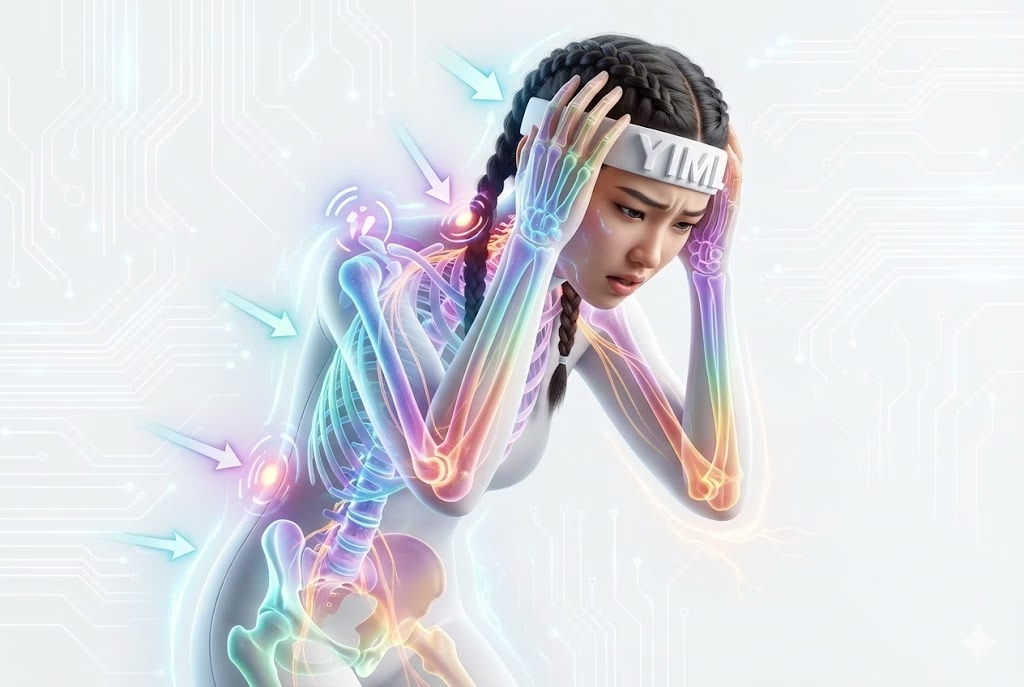
Non-specific Chronic Low Back Pain (NSCLBP) is a leading cause of disability and medical consultation worldwide, significantly impacting quality of life. Defined as persistent low back pain lasting longer than 12 weeks without a specific identifiable pathology (such as distinct disc herniation, fracture, infection, or malignancy), it arises from a complex interplay of mechanical, neurological, psychological, and lifestyle factors.
Yoga offers a holistic intervention. By integrating physical postures (asanas) for strength and flexibility, breath regulation (pranayama) for autonomic balance, and meditation for cognitive reframing, high-quality research has validated Yoga as a highly effective modality for managing pain, restoring function, and enhancing mental well-being in NSCLBP populations.
Overview of Non-specific Chronic Low Back Pain (NSCLBP)
The Modern Medical Perspective
Definition: NSCLBP is defined as pain localized between the costal margin and the inferior gluteal folds, persisting for at least 12 weeks. Crucially, it is a diagnosis of exclusion: clinical examination and imaging (X-ray, MRI) fail to identify a specific structural pathoanatomical cause that fully explains the symptom severity. This category accounts for 85–90% of chronic low back pain cases.
The Biopsychosocial Model:
Modern medicine recognizes NSCLBP as a multidimensional disorder resulting from the interaction of:
- Biological Factors: Alterations in muscle strength, flexibility, neuromuscular control, and potential micro-changes in discs or facet joints insufficient to warrant a “specific” diagnosis.
- Psychological Factors: Stress, anxiety, depression, kinesiophobia (fear of movement), and maladaptive beliefs about pain play a critical role in perpetuating chronic pain via central sensitization.
- Social Factors: Work environment, social support systems, and compensation/insurance issues influence the pain experience.
While imaging often highlights disc pathology, structural findings alone do not always predict pain severity or functional limitation. A systematic review examining yoga’s role in confirmed lumbar disc cases provides a clearer picture of its clinical relevance (see our evidence-based breakdown on yoga and lumbar disc herniation).

Common Symptoms and Signs:
- Dull, Aching Pain: Localized in the lumbar region, potentially radiating to the buttocks or posterior thigh but rarely extending below the knee (distinguishing it from typical sciatica).
- Stiffness: Pronounced in the morning or after prolonged inactivity, often improving with gentle movement.
- Postural/Activity Aggravation: Pain exacerbated by prolonged standing, sitting, flexion, or lifting; relieved by rest or positional change.
- Muscle Spasm: Protective guarding of the paraspinal muscles.
- Functional Limitation: Restriction in range of motion (ROM) affecting daily activities.
- Associated Symptoms: Fatigue, sleep disturbance, and mood alterations due to chronic pain burden.

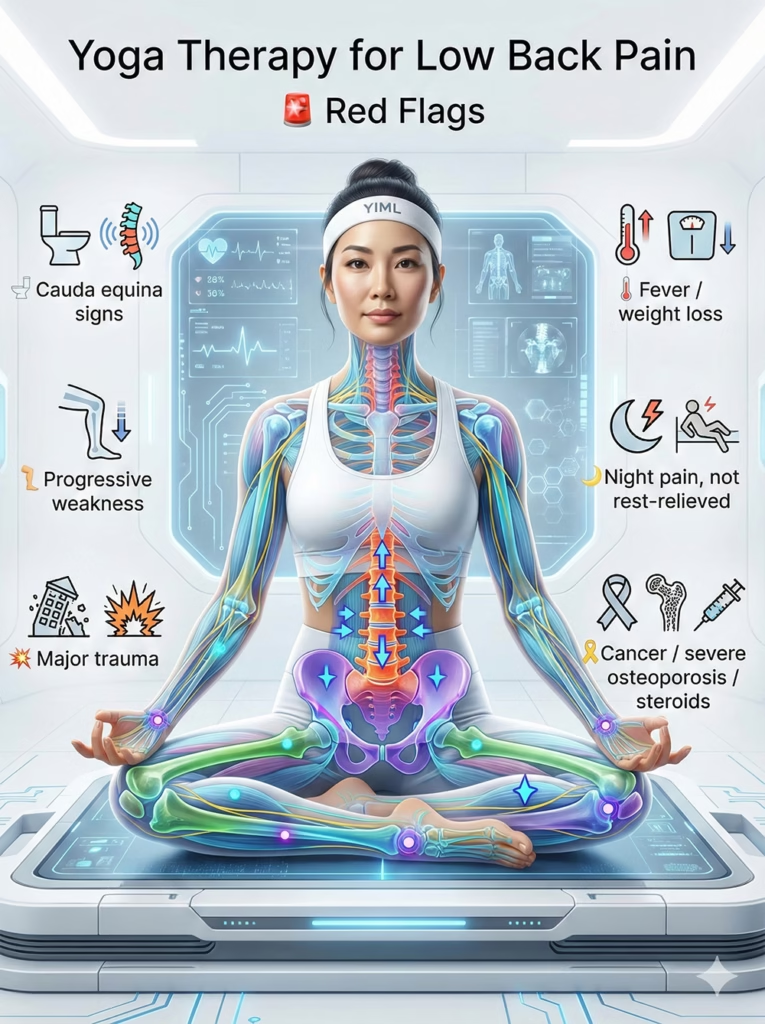
Red Flags (Important Warning): While NSCLBP is benign, specific pathologies must be ruled out. Immediate medical attention is required if pain is accompanied by:
- Cauda Equina Syndrome signs (saddle anesthesia, bowel/bladder incontinence).
- Progressive neurological deficits (leg weakness).
- History of significant trauma.
- Constitutional symptoms (unexplained fever, weight loss).
- Pain that is non-mechanical (unrelieved by rest, worsening at night).
- History of cancer, severe osteoporosis, or prolonged corticosteroid use.
The Yoga and Ayurveda Perspective
In Yoga and Ayurveda, NSCLBP (Kati Shula or Prishta Shula) is primarily viewed as a manifestation of aggravated Vata Dosha in the lumbar region (Kati), the principal seat of Apana Vayu.
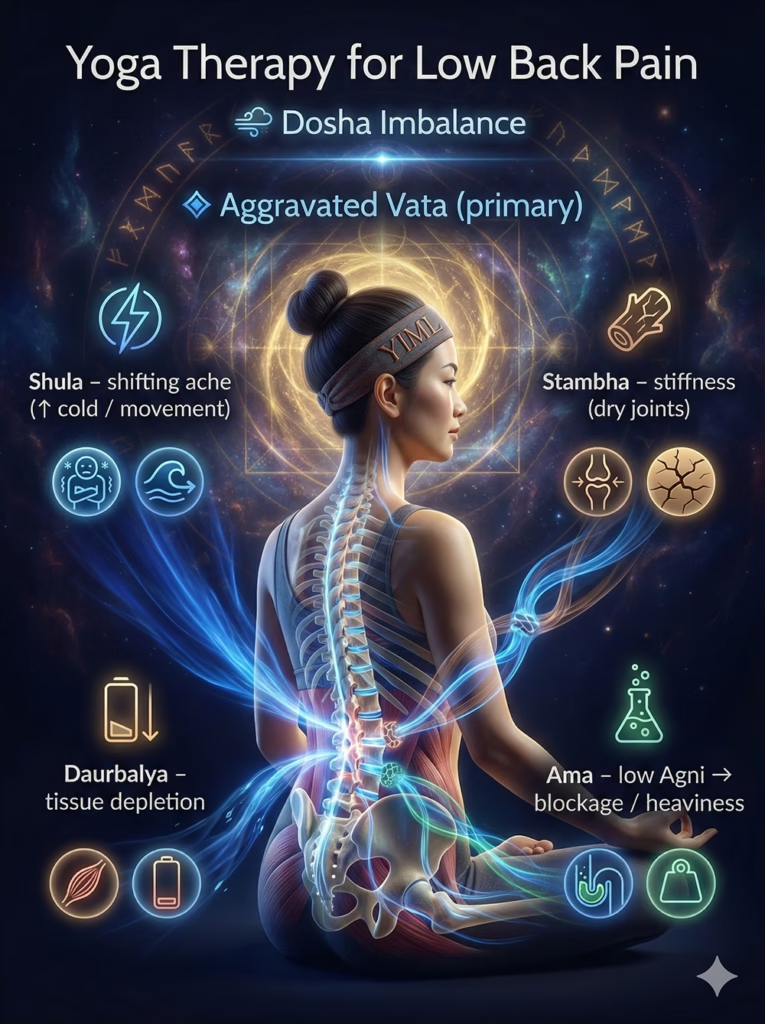
Dosha Imbalance:
- Aggravated Vata: The primary culprit. Vata’s cold, dry, rough, and mobile qualities manifest as:
- Shula (Pain): Aching, shifting pain worsened by movement and cold weather.
- Stambha (Stiffness): Dryness reducing lubrication in joints.
- Daurbalya (Weakness): Vata-induced tissue depletion (Dhatu Kshaya).
- Ama (Toxins): Weak digestive fire (Agni) leads to the accumulation of Ama, blocking energy channels (Srotas) and causing heaviness and stagnation.
Disturbance of Prana Vayus:
- Apana Vayu: Governing the sub-navel region (lumbar, sacrum, elimination), its disturbance causes instability and constriction in the lower back, impairing the grounding function.
- Vyana Vayu: Governing circulation, its flow is obstructed by muscle stiffness, limiting mobility.

Energetic Stagnation (Chakras):
- Muladhara Chakra (Root): Chronic back pain undermines the sense of physical safety and stability.
- Svadhisthana Chakra (Sacral): Stagnation here affects flexibility, emotional flow, and fluid movement.

Causes and Risk Factors
Modern Medical View
NSCLBP lacks a single etiology; it is cumulative:
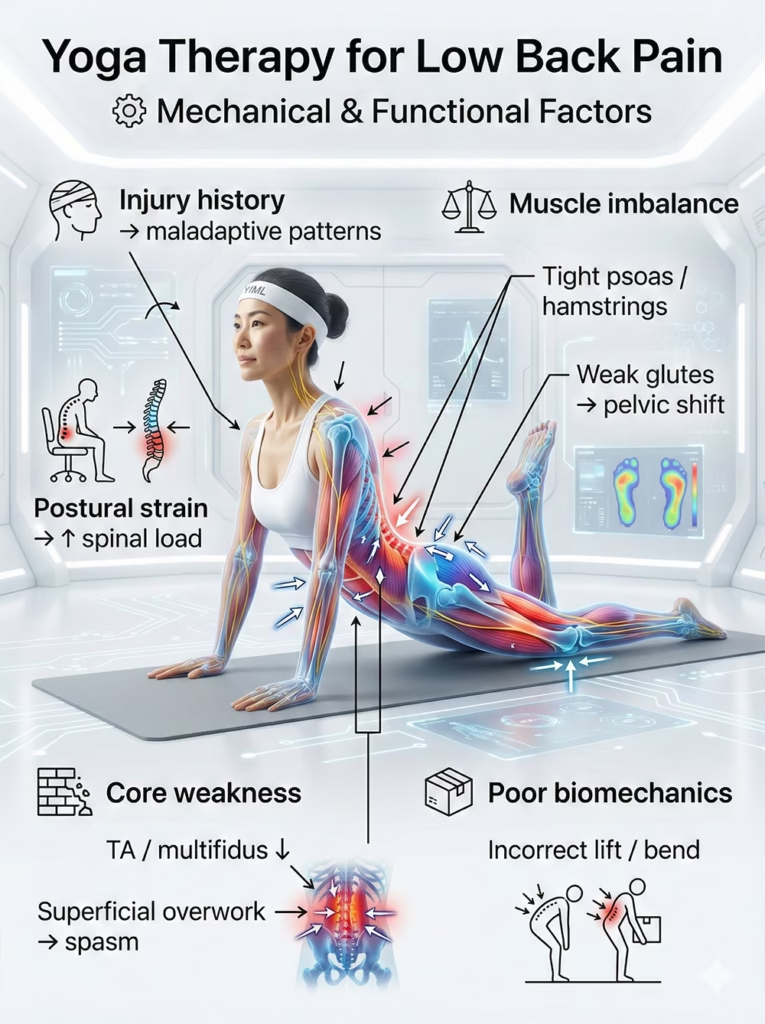
Mechanical & Functional Factors (Targetable by Yoga):
- History of Injury: Acute strains leading to maladaptive movement patterns.
- Postural Strain: Prolonged static postures (sitting/standing) increasing spinal load.
- Core Weakness: Insufficient stabilization by deep abdominal (transversus abdominis) and back muscles (multifidus) forces superficial muscles into overwork and spasm.
- Muscle Imbalance: Tight hip flexors (psoas) and hamstrings coupled with weak glutes alter pelvic alignment.
- Poor Biomechanics: Incorrect lifting or bending techniques.
Lifestyle Factors:
- Sedentary Behavior: Leads to muscle atrophy and reduced disc nutrition.
- Obesity: Increases mechanical load and alters the center of gravity.
- Smoking: Impairs blood flow to spinal structures, accelerating degeneration.
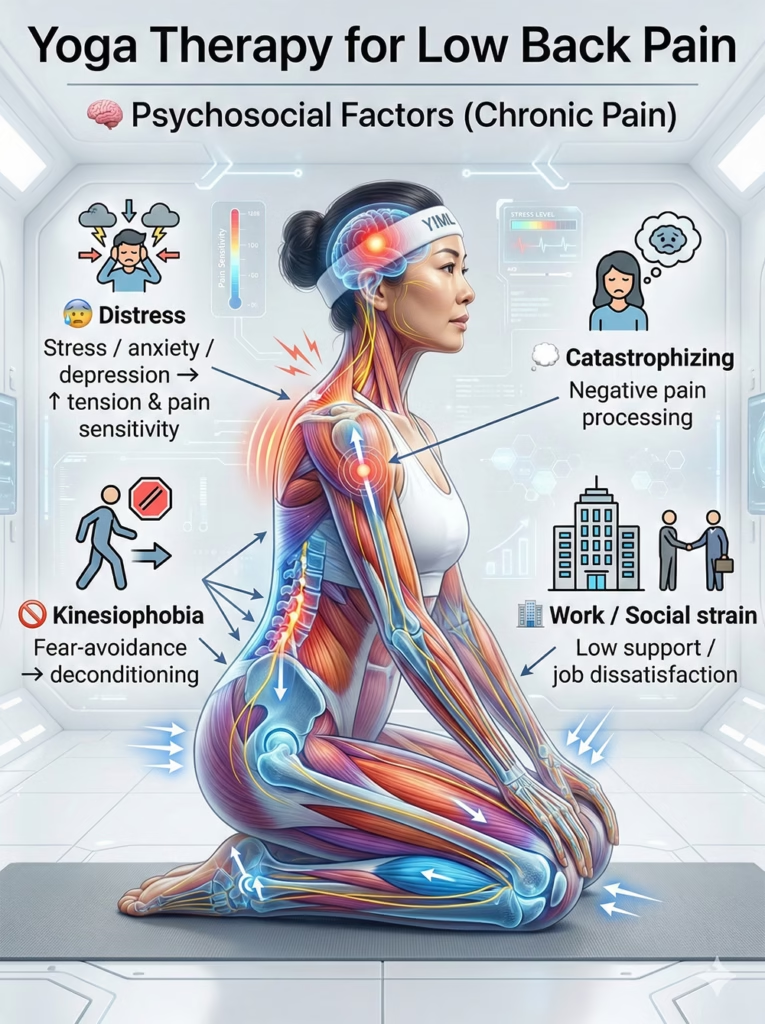
Psychosocial Factors (Critical in Chronic Pain):
- Psychological Distress: Stress, anxiety, and depression heighten muscle tension and pain sensitivity.
- Kinesiophobia: Fear-avoidance behavior leads to deconditioning and increased pain.
- Catastrophizing: Negative cognitive processing of pain signals.
- Occupational/Social Issues: Job dissatisfaction and lack of support.
Yoga and Ayurveda View
- Lifestyle: Irregular habits, sleep deprivation, and exposure to cold/wind aggravate Vata.
- Diet/Digestion: Poor diet and inactivity weaken Agni, creating Ama.
- Emotional: Suppressed emotions and disconnection from the body manifest as energetic blockages and physical pain.
Part II: The Therapeutic Approach of Yoga for Non-specific Chronic Low Back Pain (NSCLBP)
Therapeutic Goals: Yoga therapy approaches NSCLBP through a comprehensive biopsychosocial strategy, focusing on restoring functional movement, regulating the nervous system, cognitive reframing of pain, and rebuilding confidence in the body’s capabilities. These goals are robustly supported by high-quality scientific research.
1. Enhancing Core Strength, Endurance, and Spinal Support
- Goal: To activate and condition the deep stabilizing muscles to function as a natural “internal corset,” thereby providing segmental stability.
- Mechanism: Yoga therapy prioritizes the endurance of deep core muscles, specifically the transversus abdominis and multifidus. Strengthening these stabilizers reduces the mechanical load on passive structures (such as intervertebral discs and facet joints) and mitigates micro-instability, a primary driver of chronic pain.
- Reference: Yoga for chronic non-specific low back pain

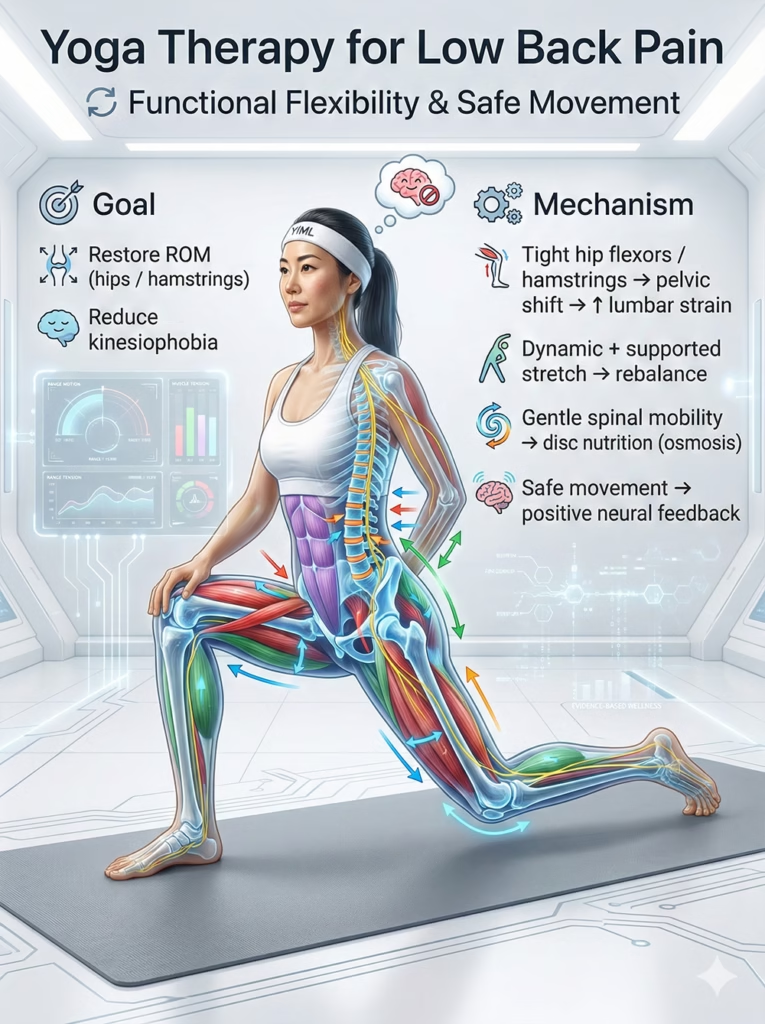
2. Improving Functional Flexibility and Promoting Safe Movement
- Goal: To restore range of motion in the kinetic chain (hips, hamstrings) and alleviate kinesiophobia (fear of movement).
- Mechanism: Tightness in the hip flexors and hamstrings alters pelvic alignment, increasing lumbar strain. Dynamic and supported stretching corrects these biomechanical imbalances. Furthermore, gentle spinal mobilization nourishes the discs via osmosis and reinforces positive neural feedback, signaling to the brain that movement is safe.
3. Regulating the Nervous System and Reprocessing Pain
- Goal: To modulate the autonomic nervous system and shift the cognitive relationship with pain from “reactive” to “observant.”
- Mechanism: Practices such as slow Pranayama, Savasana, and Yoga Nidra potently activate the parasympathetic nervous system. This lowers cortisol levels and dampens amygdala activity, directly desensitizing central pain pathways and breaking the cycle of central sensitization associated with chronic pain.
- Reference: Does yoga reduce pain and anxiety in patients with chronic low back pain and change MRI-proven degeneration? ( DOI: 10.12659/msm.896599)

4. Enhancing Neuromuscular Control and Postural Awareness
- Goal: To re-educate motor patterns and improve interoception (internal body awareness).
- Mechanism: Stability-focused exercises (e.g., Bird-Dog) recruit deep stabilizers and improve brain-muscle communication. Heightened proprioception allows practitioners to self-correct maladaptive postural habits in daily life, thereby reducing cumulative spinal stress.
- Reference: The Impact of Yoga on Brain Health: A Systematic Review of the Current Literature (DOI: 10.3233/BPL-190084)

5. Reducing Stress, Anxiety, and Improving Mood
- Goal: To address the psychological components of the biopsychosocial pain model.
- Mechanism: Yoga regulates the Hypothalamic-Pituitary-Adrenal (HPA) axis, mitigating the physiological markers of stress and anxiety. Mindfulness techniques dismantle catastrophizing thought patterns, while the practice environment offers social support, improving overall quality of life.
- Reference: The effect of yoga on stress and quality of life in the general population of adults with stress: A systematic review and meta-analysis (DOI: 10.3389/fpsyt.2024.1437902)
To further unpack the neurophysiological mechanisms behind stress reduction and cognitive regulation, we have systematically analyzed a randomized controlled trial on Hatha yoga’s impact on stress, anxiety, and distractor suppression in our Research Decoded archive.

Golden Rules and Absolute Contraindications
WARNING: Even without a clear structural cause, NSCLBP requires medical evaluation to rule out underlying issues. This guide is complementary and does not replace medical treatment or physical therapy. Always consult a physician or physical therapist before starting, especially if pain is severe or changing.
The Golden Rules of Practice
1. Respect Pain Signals
- The Rule: Learn to distinguish between “muscle tension/fatigue” (acceptable) and “back pain” (sharp, shooting, deep ache) or “nerve pain” (radiating, numbness, pins and needles). If back pain increases or nerve pain appears, stop immediately. Never “push through” this type of pain.
- The Why: Pushing through pain can trigger protective muscle spasms and heighten central sensitization, worsening the condition.
2. Warm-Up is Mandatory
- The Rule: Dedicate 5–10 minutes to gentle mobilization (Pelvic Tilts, mild Cat-Cow) to warm up muscles and prepare the spine.
- The Why: Increases blood flow, improves tissue elasticity, and primes the neuromuscular system for controlled movement.

3. Stability First
- The Rule: Prioritize deep core and multifidus activation over depth or range of motion. Think “internal corset.”
- The Why: Enhancing deep stabilizers creates internal structural support, reducing load on passive tissues more effectively than stretching alone.
4. Props are Your Best Friends
- The Rule: Use blocks, bolsters, straps, and chairs liberally to maintain alignment and reduce strain.
- The Why: Props allow for precise, safe execution, preventing compensatory patterns that compromise the spine.
5. Slow & Subtle Movement
- The Rule: Move slowly and deliberately, synchronizing movement with breath.
- The Why: Slow movement enhances control, recruits deep stabilizers, and re-patterns neuromuscular pathways. It also allows earlier detection of pain signals.
6. Hip Hinge, Not Spine Bend
- The Rule: Initiate all forward bends from the hip creases, keeping the lumbar spine neutral and elongated. Keep knees soft (micro-bent).
- The Why: Rounding the lower back (spinal flexion) under load places immense pressure on discs and ligaments—a common mechanism of injury. Mastering the hip hinge is the ultimate back-saving skill.
7. Honor Daily Fluctuations
- The Rule: Chronic pain fluctuates. Listen to your body each day. Some days allow for more activity; others require restorative practice.
- The Why: Forcing the body during a flare-up delays recovery. Compassion and adaptability are key.
Absolute Contraindications & Safety Modifications
For safety, individuals with NSCLBP must AVOID or significantly modify the following:
1. Asana (Postures)
Unsafe Forward Folds (Spinal Flexion)
- Avoid: Deep standing forward folds (Uttanasana), Seated Forward Folds (Paschimottanasana), or Plow Pose (Halasana) performed with a rounded back.
- Scientific Reason: Flexion under load creates high anterior disc pressure, potentially irritating structures or aggravating latent issues.
- Safe Alternative: Hinge from hips, keep spine straight, bend knees deeply, and use props.

Unsupported Deep Backbends
- Avoid: Wheel (Chakrasana), Camel (Ustrasana), or deep standing backbends without support.
- Scientific Reason: Causes significant compression of lumbar facet joints, risking sharp pain, especially if facet arthropathy exists.
- Safe Alternative: Gentle, controlled extension like Sphinx, Baby Cobra, or Supported Bridge.
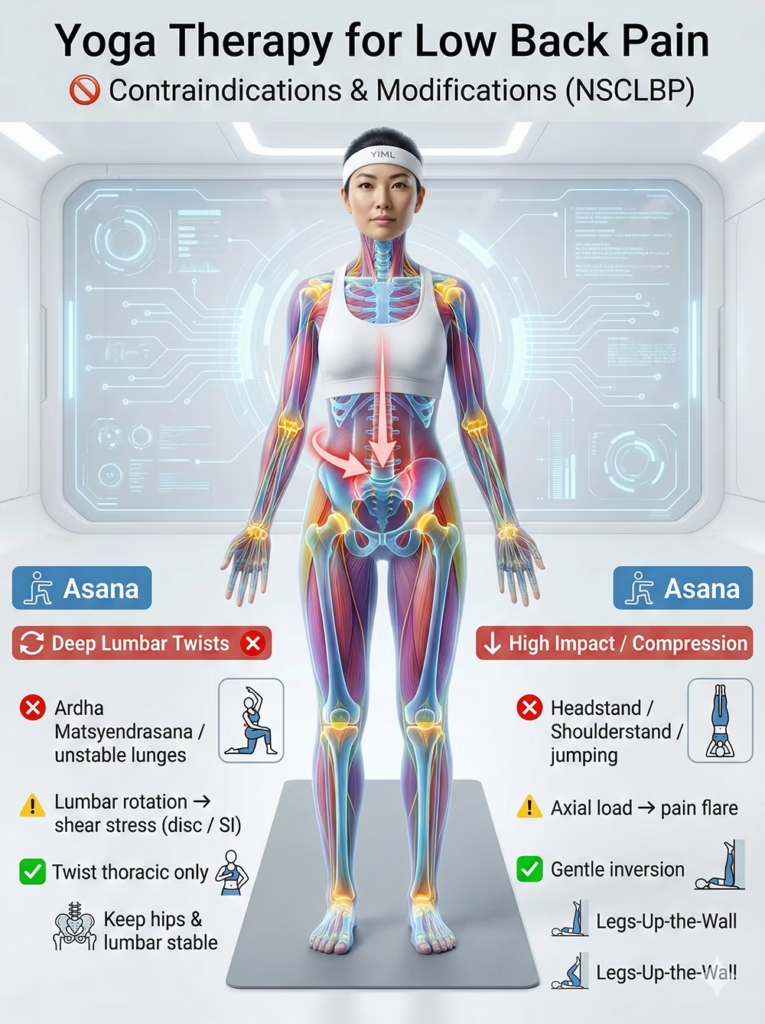
Deep Lumbar Twists
- Avoid: Deep Seated Twists (Ardha Matsyendrasana) or twisting in lunges without pelvic stability.
- Scientific Reason: The lumbar spine has very limited rotation. Forcing rotation here creates dangerous shear forces on discs and the SI joint.
- Safe Alternative: Focus twisting in the thoracic spine (upper back) while keeping the hips and lumbar spine stable.
High-Impact or High-Compression Poses
- Avoid: Full inversions (Headstand, Shoulderstand), jumping transitions.
- Scientific Reason: Axial loading (compression) or impact shock can trigger pain flares.
- Safe Alternative: Gentle inversions like Legs-Up-the-Wall (Viparita Karani).
2. Aggressive Breathwork
- Avoid: Forceful retention (Kumbhaka) or rapid, stimulating breaths.
- Scientific Reason: Can increase intra-abdominal pressure (Valsalva maneuver) or trigger reflex muscle guarding.
The Bottom Line: Adopt a “No Pain, Functional Gain” mindset. Any movement causing increased back pain, radiation, or compression must be avoided. Prioritize stability, control, and listening to the body.
Part III: Detailed Therapeutic Yoga Toolkit for Non-specific Chronic Low Back Pain (NSCLBP)
A. Asana (Postures)
General Reminder: The goal is functional improvement and pain reduction through safe, controlled movement. Listen to your body, prioritize core stability, and move slowly. Never attempt to “push through” back pain.
1. Mobilization: Supine Pelvic Tilts
- Technique: Lie supine with knees bent. Perform 10–15 slow, micro-movements: Exhale to gently flatten the lumbar curve (posterior tilt); Inhale to return to neutral or a micro-arch.
- Instructor’s Cue: This is a subtle conversation with your deepest core. Focus on the internal cinching of the transversus abdominis rather than superficial bracing. Keep the glutes relaxed; isolate the movement strictly to the pelvis.
- Therapeutic Mechanism:
- Mechanical: Lubricates the sacroiliac (SI) joints and lower lumbar vertebrae. Teaches lumbopelvic dissociation (moving the pelvis independently of the spine).
- Neurological: Re-establishes proprioception and the brain-muscle connection often inhibited by chronic pain.
- Energetic: Activates Apana Vayu (downward energy) and nourishes the Muladhara (Root) Chakra.

- Safety Protocol:
- Pain Threshold: Stop immediately if radiation or sharp pain occurs.
- Range Control: Avoid excessive arching (lumbar extension) during the inhalation phase.
2. Mobilization: Modified Marjaryasana-Bitilasana (Stabilized Cat-Cow)
- Technique: From Table Top, perform 6–8 cycles. Inhale to extend the thoracic spine (sternum forward) while keeping the lumbar stable. Exhale to round the upper back while keeping the lumbar stable.
- Instructor’s Cue: Imagine a tea cup balanced on your lower back that you must not spill. Mobilize the heart center while keeping the lumbar spine rock-solid. Differentiate between upper back mobility and lower back stability.
- Therapeutic Mechanism:
- Mechanical: Mobilizes the thoracic spine to reduce compensatory strain on the lumbar region.
- Neurological: High-level neuromuscular re-education; trains the brain to differentiate spinal segments.
- Energetic: Stimulates Prana flow in the Anahata (Heart) and Vishuddha (Throat) Chakras while grounding Muladhara.

- Safety Protocol:
- Lumbar Lock: Keep the lower belly engaged (navel to spine) throughout to prevent sagging.
- Neck Alignment: Keep the cervical spine long; avoid hyperextension.
3. Strengthening: Dandayamana Bharmanasana (Bird-Dog)
- Technique: From Table Top, extend opposite arm and leg while maintaining a neutral spine. Hold for 3–5 breaths per side. Perform 5–8 reps.
- Instructor’s Cue: Reach for length, not height. Visualize the torso as a rigid table; do not let the hips tip or the back sag. Engage the core before lifting the limbs.
- Therapeutic Mechanism:
- Mechanical: Builds anti-rotational core strength (multifidus, obliques) and strengthens the posterior chain without spinal compression.
- Neurological: Enhances coordination and proprioception; corrects faulty motor patterns common in NSCLBP.
- Energetic: Balances Ida and Pingala nadis (left/right energy channels); activates Samana Vayu (centering energy).

- Safety Protocol:
- Pelvic Level: Keep the ASIS (hip bones) pointing directly at the floor.
- Red Light: If pain increases, reduce leverage by sliding the foot along the floor instead of lifting.
4. Strengthening: Setu Bandhasana (Bridge Pose)
- Technique: Supine, knees bent. Exhale to squeeze glutes; Inhale to lift hips slightly (just until extended). Lower slowly. Perform 5–8 reps.
- Instructor’s Cue: Squeeze the glutes before you lift. Let the glutes be the engine and the lower back be the passenger. Avoid arching the back to gain height.
- Therapeutic Mechanism:
- Mechanical: Strengthens the gluteus maximus to offload lumbar extensors and stabilize the SI joint.
- Neurological: Combats “gluteal amnesia” by retraining neuromuscular firing patterns for hip extension.
- Energetic: Activates Muladhara Chakra via strong foot grounding, fostering physical stability.

- Safety Protocol:
- Neck Safety: Keep the head neutral; never turn the head while lifted.
- Height Limit: Lift only until hips are extended; avoid lumbar hyperextension (arching).
5. Release: Supta Padangusthasana (Supine Hamstring Stretch)
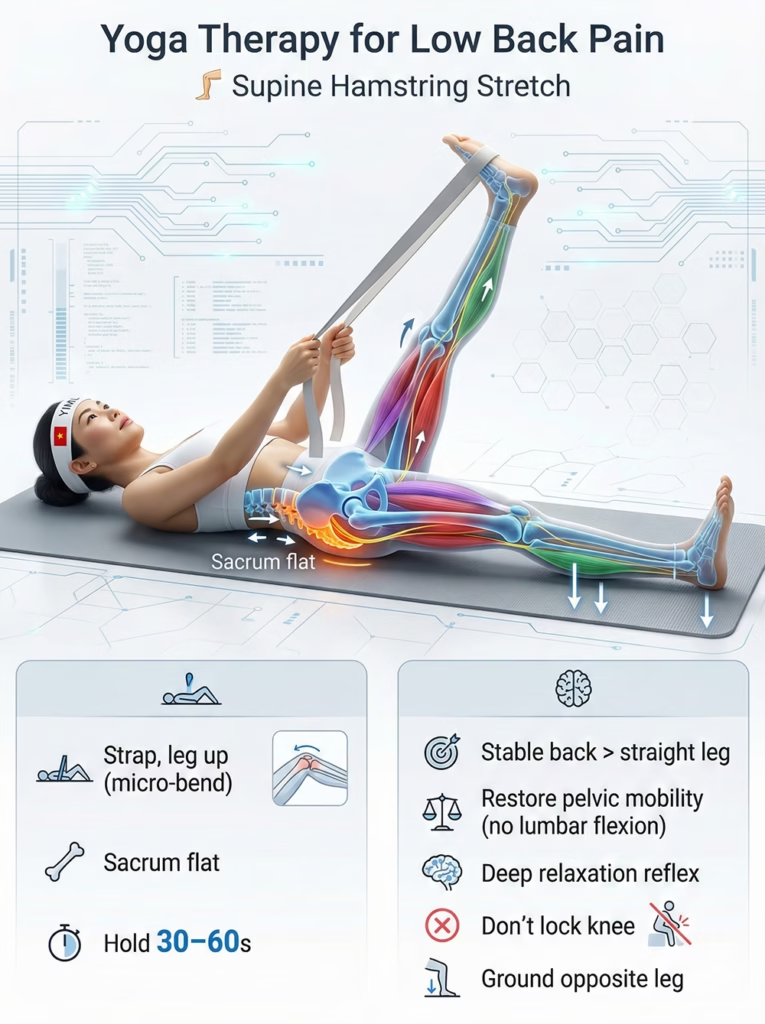
- Technique: Supine with a strap around the foot. Extend the leg with a micro-bend until a mild stretch is felt. Maintain a flat sacrum. Hold 30–60s.
- Instructor’s Insight: The goal is a stable back, not a straight leg. Stop extending the moment your lower back wants to arch or curl off the floor.
- Therapeutic Mechanism:
- Mechanical: Restores pelvic mobility (anterior tilt capability) without forcing lumbar flexion (rounding).
- Neurological: The supported position triggers the Golgi tendon reflex for deep relaxation and desensitization.
- Energetic: Clears downward Apana Vayu flow; soothes Vata dosha.
- Safety Protocol:
- Micro-Bend: Never lock the knee to protect the sciatic nerve.
- Anchor Leg: Keep the non-stretching leg bent and grounded to ensure pelvic stability.
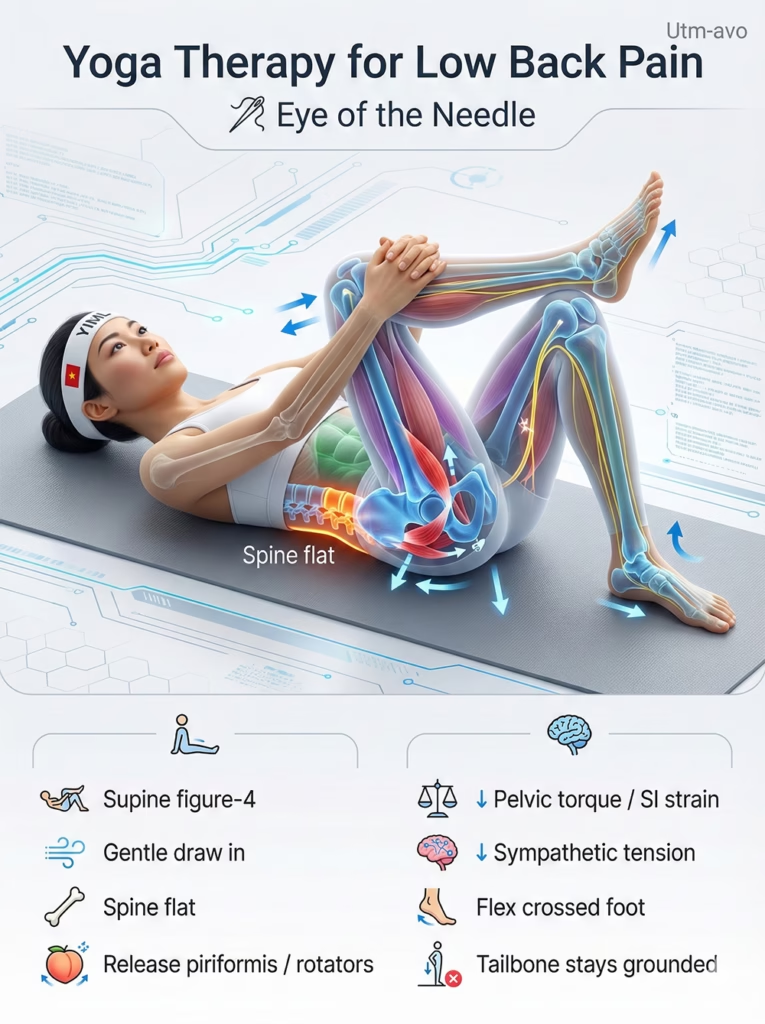
6. Release: Sucirandhrasana (Eye of the Needle)
- Technique: Supine figure-4 position. Gently draw legs toward the chest while keeping the spine flat. Hold 30–60s.
- Instructor’s Cue: Melt the spine into the floor. Use the exhalation to invite the hip to “sigh” and release tension. Do not force the pull.
- Therapeutic Mechanism:
- Mechanical: Releases the piriformis and external rotators to correct pelvic torque and SI joint strain.
- Neurological: Reduces sympathetic tone to release chronic holding patterns in the hips.
- Energetic: Unblocks Svadhisthana Chakra (Sacral) stagnation.
- Safety Protocol:
- Knee Protection: Keep the crossed foot flexed (dorsiflexion) to lock the knee joint.
- Sacral Grounding: Do not let the tailbone curl off the floor; use a wall for support if needed.
7. Restoration: Supported Supine Twist
- Technique: Supine, knees resting on a bolster to the side. Keep shoulders grounded. Hold 2–3 minutes per side.
- Instructor’s Cue: Allow gravity to do the work. Focus on keeping the opposite shoulder heavy to anchor the twist safely.
- Therapeutic Mechanism:
- Mechanical: Passive thoracic rotation releases paraspinal tension without leverage or load.
- Neurological: Soothes the autonomic nervous system via gentle vagal stimulation.
- Energetic: “Squeezes” Ama (toxins) from the abdomen; balances Samana Vayu.

- Safety Protocol:
- Bolster Support: Mandatory to prevent lumbar torque.
- Shoulder Anchor: Keep shoulders down to limit rotation depth to safe levels.
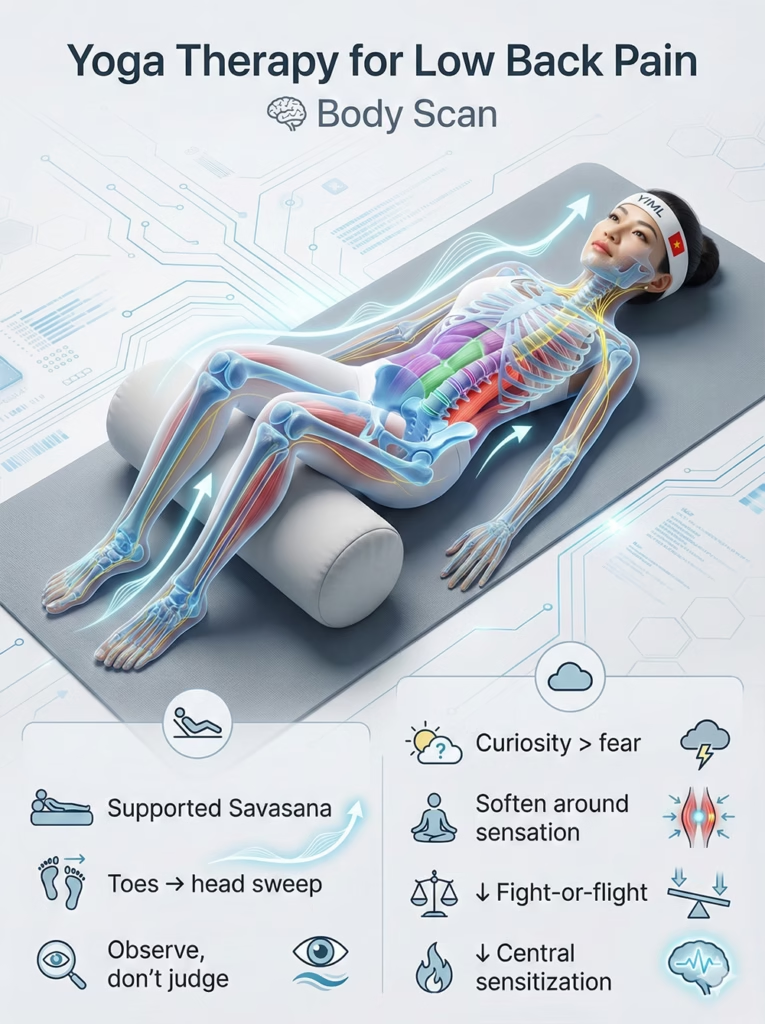
8. Restoration: Supported Savasana
- Technique: Supine with a bolster under the knees to flatten the lower back. Cover with a blanket. Hold 5–10+ minutes.
- Instructor’s Cue: Let the floor hold you completely. Signal to your lumbar muscles that their protection duty is over.
- Therapeutic Mechanism:
- Mechanical: Places the lumbar spine in a neutral, unloaded position by slackening the psoas muscle.
- Neurological: Maximizes parasympathetic activation to down-regulate central sensitization and pain perception.
- Energetic: Induces Pratyahara (withdrawal) and Sattva (balance); restores vital Prana.

- Safety Protocol:
- Knee Support: Essential to offload the lumbar spine.
- Temperature: Maintain warmth to prevent muscle guarding.
B. Pranayama (Breathwork)
Therapeutic Focus: Down-regulation of the nervous system to mitigate pain perception and release paraspinal muscle guarding. Rule #1: Never force the breath; avoid retention (Kumbhaka) to prevent intra-abdominal pressure spikes.
1. Diaphragmatic Breathing (Belly Breathing)
- Technique: Best practiced supine with knees bent (supported). Inhale through the nose, directing air low so the belly rises; chest remains still. Exhale slowly through pursed lips or nose. Ratio: Aim for a 1:1.5 or 1:2 count (e.g., Inhale 4, Exhale 6).
- Instructor’s Cue: “Shift from ‘guarding’ to ‘softening.’ Don’t push the belly out; instead, focus on a long, yielding exhale. Imagine the breath massaging the lumbar spine from the inside.”
- Mechanism: Direct activation of the Vagus Nerve. Shifts the autonomic state from Sympathetic (pain/stress) to Parasympathetic (rest/repair), reducing muscle hypertonicity.

2. Nadi Shodhana (Alternate Nostril Breathing) — Flow Only
- Technique: Seated with back support. Alternate breathing through left and right nostrils using the thumb and ring finger. Crucial: Keep the flow continuous; absolutely NO breath retention.
- Instructor’s Cue: “Prioritize physical comfort—prop your elbow if needed. Think of this as ‘tuning’ your nervous system to a balanced frequency. Smooth, silent, and effortless.”
- Mechanism: Harmonizes the left/right brain hemispheres and balances the autonomic nervous system, reducing the anxiety component often coupled with chronic pain.

C. Meditation & Deep Relaxation
Therapeutic Focus: Cognitive reframing—shifting the relationship with pain from “suffering” (emotional reaction) to “observation” (sensory input).
1. Body Scan (Somatic Awareness)
- Technique: Practice in Supported Savasana. Systematically sweep attention from toes to head. When reaching the lower back, observe sensations (heat, tension, pulsing) without judgment.
- Instructor’s Cue: “Approach your lower back with curiosity, not fear. Observe the sensation as a cloud passing through the sky, rather than defining it as ‘my pain.’ Soften around the sensation.”
- Mechanism: Disengages the “fight-or-flight” response to pain signals. Reduces central sensitization by decoupling the sensory signal from the emotional alarm.
Chronic pain is strongly influenced by stress physiology and autonomic dysregulation. Understanding how nervous system imbalance sustains pain perception is essential when designing therapeutic yoga protocols.
D. Mudra & Mantra (Optional Integration)
1. Mudra: Prithvi (Earth Gesture)
- Technique: Lightly touch the tip of the ring finger to the thumb. Rest hands on thighs.
- Application: Use during meditation or Nadi Shodhana.
- Mechanism: Enhances the Earth element, promoting physical stability and grounding. Energetically counteracts the instability of Vata Dosha associated with back pain.
2. Mantra: “So Hum” (I Am That)
- Technique: Silent mental repetition synchronized with breath. So on the inhale; Hum on the exhale.
- Mechanism: Provides a cognitive anchor. Occupies the “monkey mind,” interrupting pain-focus loops and catastrophizing thoughts.

Part IV: Integration & Practice Protocols Suggested 20-Minute Therapeutic Sequence for Non-Specific Chronic Low Back Pain (NSCLBP)
WARNING: This sequence is a suggestion only and must be adapted to your body’s current capacity. Always consult a physician or physical therapist before beginning. Stop immediately if you experience any sharp pain or pain radiating down the legs (sciatica).
Preparation: Ensure a warm, quiet space. Have props ready (mat, bolster, blanket, blocks, strap). Move slowly; engage the core gently and prioritize comfort over depth.
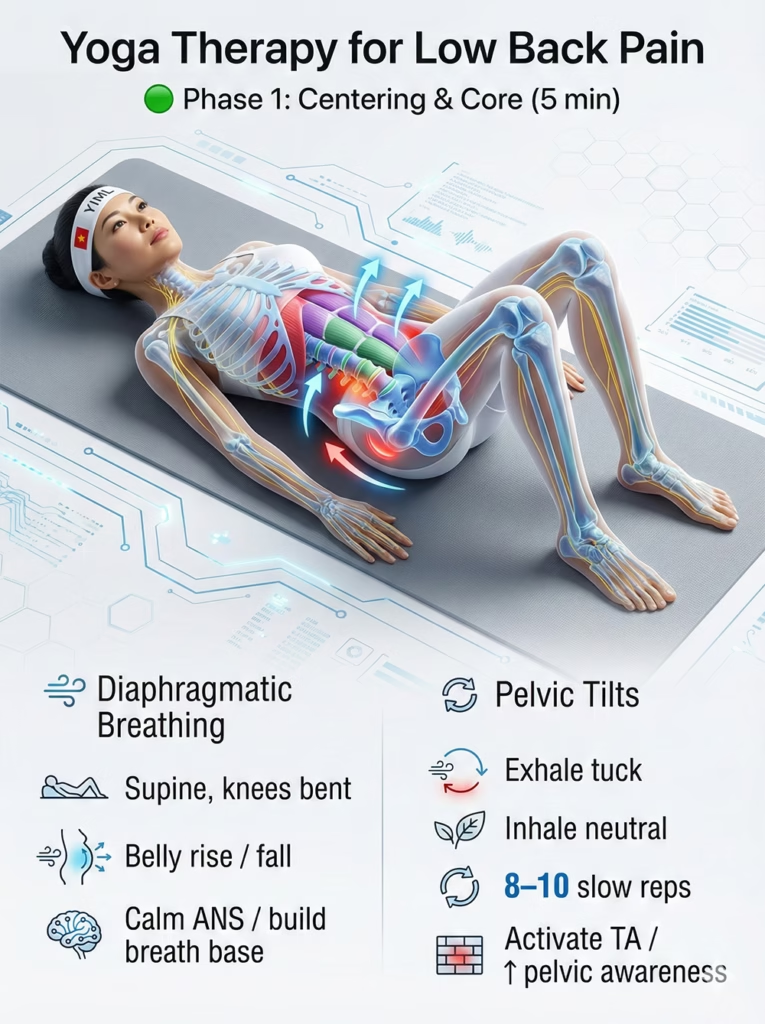
Phase 1: Centering & Core Activation (5 Minutes)
1. Supine Diaphragmatic Breathing
- Technique: Lie supine (on your back) with knees bent, feet flat on the floor. Place hands on the abdomen. Close eyes. Inhale gently, allowing the belly to rise. Exhale slowly, allowing the belly to fall. Focus on the rhythm for several minutes.
- Goal: Down-regulates the nervous system, fosters somatic connection, and establishes the breath foundation.
2. Supine Pelvic Tilts
- Technique: Remain supine with knees bent. Exhale, gently imprint the lumbar spine into the floor (posterior tilt). Inhale, return to neutral (slight curve). Repeat 8–10 times very slowly.
- Goal: Activates the transverse abdominis and improves pelvic proprioception.
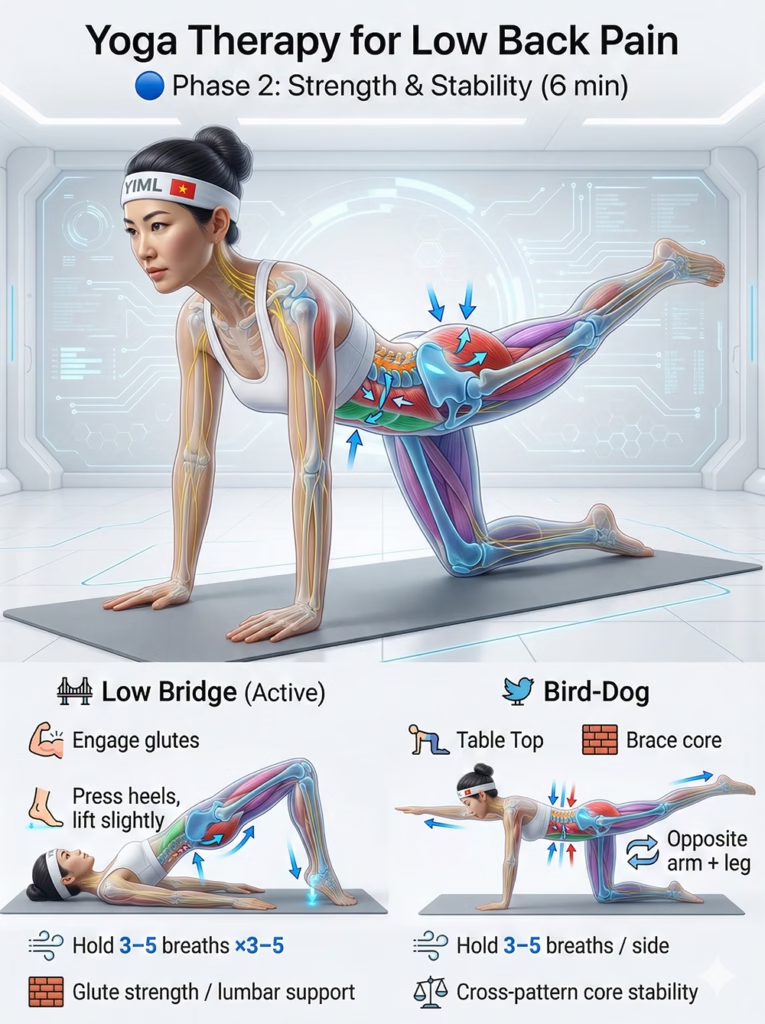
Phase 2: Strengthening & Stability (6 Minutes)
3. Low Setu Bandhasana (Bridge – Active Variation)
- Technique: Supine, knees bent. Exhale, engage glutes. Inhale, press into heels to lift hips just a few inches off the floor. Hold for 3–5 breaths. Exhale, slowly lower. Repeat 3–5 times.
- Therapeutic Benefit: Strengthens the gluteal complex and stabilizes the lower back without hyperextension.
4. Parsva Balasana (Bird-Dog Pose)
- Technique: Table Top position. Exhale, brace the core. Inhale, extend the right arm forward and left leg back (keep hips level/square). Hold for 3–5 breaths. Exhale, release. Switch sides. Repeat 3–5 times per side. (Modification: Start with leg extension only).
- Therapeutic Benefit: Builds cross-patterning stability for the entire core and lumbar spine.
Phase 3: Gentle Stretching & Release (5 Minutes)
5. Supine Hamstring Stretch (with Strap)
- Technique: Supine, left knee bent. Loop a strap around the ball of the right foot. Slowly extend the right leg toward the ceiling (keep a micro-bend in the knee). Keep the sacrum grounded. Hold 30–45 seconds per side.
- Therapeutic Benefit: Safely lengthens the hamstrings, indirectly decompressing the lumbar spine.
6. Sucirandhrasana (Reclined Pigeon / Figure-4)
- Technique: Supine, knees bent. Cross the right ankle over the left thigh (keep the right foot flexed to protect the knee). Gently draw the left thigh toward the chest. Hold 30–45 seconds per side.
- Therapeutic Benefit: Releases tension in the piriformis and hip complex, alleviating sciatic-like symptoms.

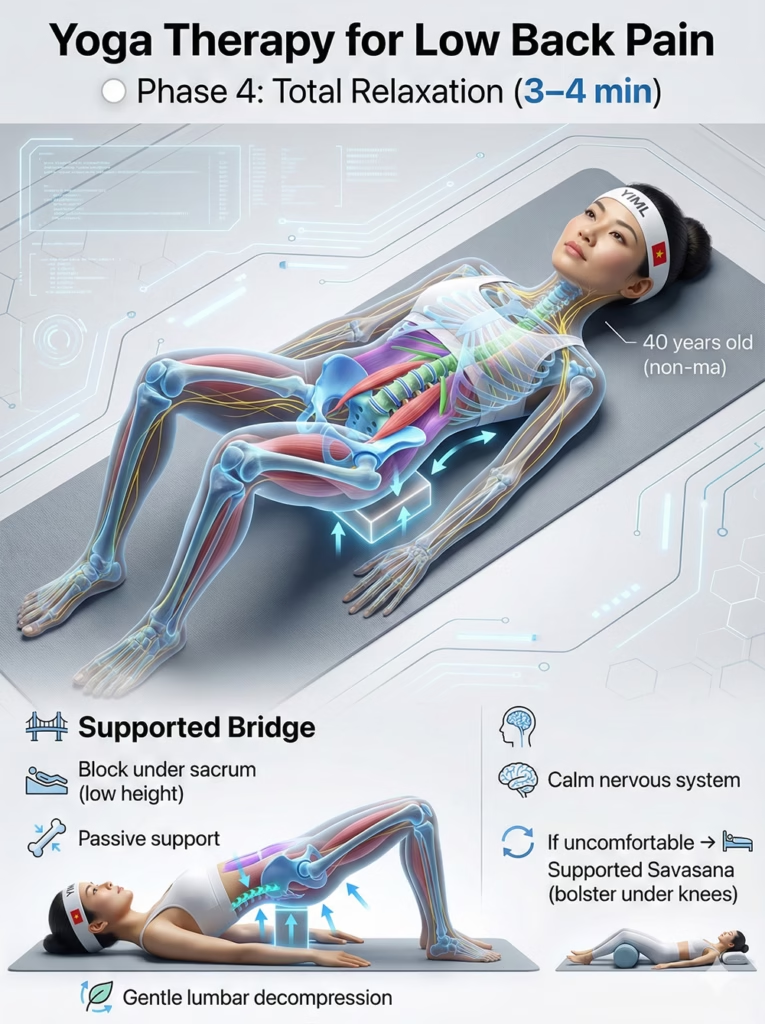
Phase 4: Total Relaxation (3-4 Minutes)
7. Supported Setu Bandhasana (Supported Bridge)
- Technique: Supine, knees bent. Lift hips and place a block (at the lowest height) under the sacrum. Rest the pelvis on the block and surrender.
- Goal: Gentle decompression of the lumbar spine and soothing of the nervous system.
- (Modification: If uncomfortable, substitute with Supported Savasana with a bolster under the knees).
Lifestyle & Ayurvedic Protocols for NSCLBP Management Daily Micro-Habits to Nourish the Lower Back
Objective: To create an environmental and rhythmic framework that reduces systemic inflammation, minimizes mechanical stress on the lumbar spine, pacifies Vata Dosha (the energy of movement, often linked to pain and stiffness), and facilitates natural healing.
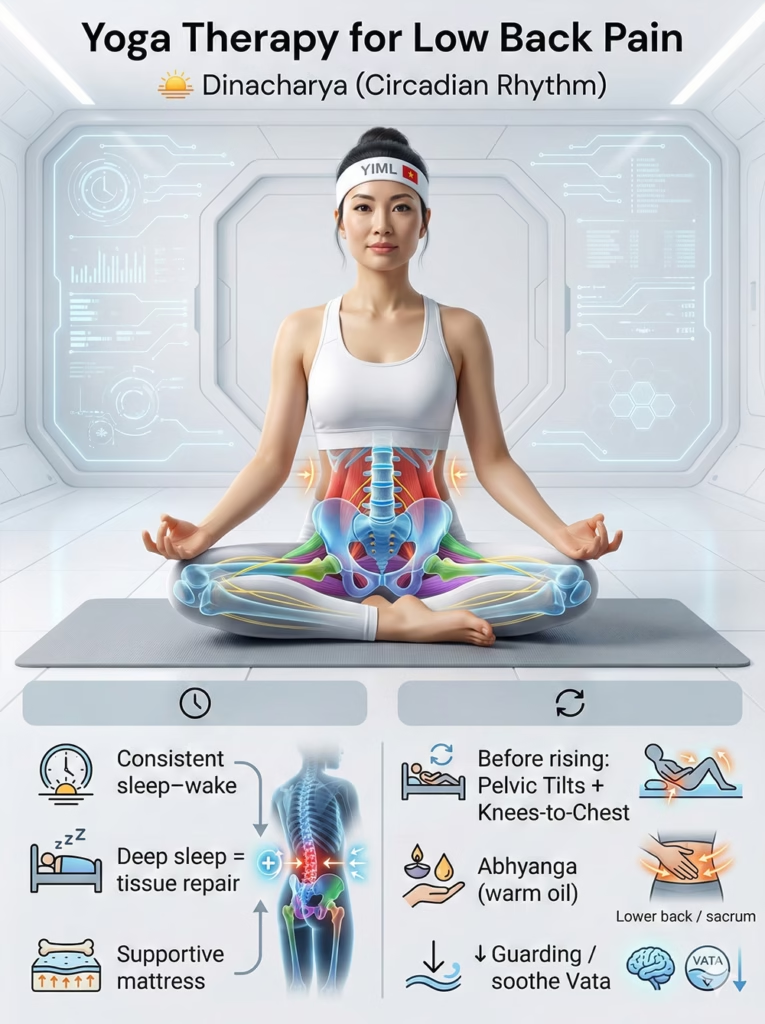
1. Establishing Circadian Rhythm (Dinacharya)
- Sleep Hygiene: Maintain consistent sleep/wake times. Deep sleep is critical for tissue repair and reducing central sensitization associated with chronic pain. Ensure your mattress provides adequate spinal support.
- A Gentle Start: Before getting out of bed, perform a few Pelvic Tilts and “Knees-to-Chest” movements to gently mobilize and lubricate the lumbar region after stillness.
- Abhyanga (Self-Massage): A vital therapy for soothing Vata. Before showering, gently massage warm sesame oil or specialized herbal oil (e.g., Mahanarayan oil) onto the lower back and sacrum. Use circular motions. The warmth and oil reduce muscle guarding and nourish the tissues.
2. Energy Management & Ergonomics
- Postural Variety: Avoid static sitting or standing for prolonged periods (apply the “30-Minute Rule”). When sitting, ensure ergonomic lumbar support. When standing, distribute weight evenly.
- “Motion is Lotion”: Maintain low-impact physical activity such as walking (on flat terrain with good footwear), swimming, or therapeutic yoga. Movement hydrates intervertebral discs and strengthens the core. Avoid high-impact activities or sudden twisting.
- Thermal Regulation: Vata is aggravated by cold. Keep the lumbar region warm, especially in air-conditioned environments, by using layers or a hara maki (waist warmer).
3. Nature Connection
- Morning Sunlight: Facilitates Vitamin D synthesis, essential for bone health.
- Green Exposure: Gentle walking in nature reduces cortisol levels (stress exacerbates pain perception and Vata).
Ayurvedic Dietary Guidelines for Back Pain Clinical Rationale
Non-Specific Chronic Low Back Pain (Kati Shula) is often viewed as aggravated Vata in the lumbar region (Kati). The diet should focus on pacifying Vata (warm, moist, nourishing) and kindling Agni (digestive fire) to eliminate Ama (toxins/inflammation).
1. Golden Principles
- Cooked & Warm: Prioritize warm, cooked meals with healthy fats (ghee, sesame oil, olive oil) to lubricate tissues internally.
- Regular Timing: Stabilizes Agni and biological rhythms.
- Mindful Eating: Optimizes digestion and reduces stress.
2. The Six Tastes (Rasa)
- Favor: Sweet (natural sources: whole grains, cooked root vegetables like pumpkin/carrots – builds tissue), Sour (citrus, yogurt in moderation – stimulates Agni), and Salty (unrefined sea salt in small amounts – retains moisture and grounds Vata).
- Strictly Limit: Bitter (raw greens, coffee – drying), Pungent (excessive chili – over-stimulating), and Astringent (dried beans, raw broccoli – drying and constricting).

3. Specific Meal Suggestions
- Breakfast: Warm oatmeal or rice congee with ghee, cinnamon, and ginger.
- Lunch (Main Meal): White rice, liquid lentil soup (Dal) with warming spices (cumin, ginger), steamed vegetables (zucchini, carrots, asparagus), and a small portion of steamed fish/chicken (if non-vegetarian).
- Dinner (Light & Early): Warm puréed vegetable soup or roasted sweet potatoes. Avoid raw, cold, or dry foods at night.
4. Medicinal Beverages
- Warm Ginger Water: Sip throughout the day to maintain internal heat and clear Ama.
- Licorice Tea: Sweet nature helps soothe Vata and nourish nerve tissue (consume in moderation).
- Golden Milk: Warm milk with cardamom or nutmeg before bed to promote sedation and sleep.
This integrative framework is part of a broader medical-and-yogic decoding series that explores how systemic dysregulation contributes to chronic disease patterns.
Part V: Conclusion
Thus, it is evident that Yoga offers a safe, evidence-based, and comprehensive roadmap for managing Non-Specific Chronic Low Back Pain (NSCLBP). It extends beyond temporary symptom relief to address perpetuating factors such as core weakness, maladaptive movement patterns, autonomic dysregulation, and fear-avoidance behaviors.
The therapeutic yoga approach to NSCLBP is a journey of somatic re-education. It focuses on building internal stability, encouraging safe movement, and transforming the relationship with pain. It views chronic back pain not as a permanent injury to be feared, but as a complex signal soliciting intelligent care and balance.
Through the integration of adapted Asana for functional stability, soothing Pranayama to modulate the nervous system, and Meditation to reprogram pain perception, Yoga provides a potent toolkit. It supports not only pain reduction but also the restoration of confidence in movement and overall quality of life.
This journey is not a “quick fix,” but a sustainable lifestyle transformation requiring:
- Interoception: Absolute respect for the body’s signals; distinguishing between “hurt” and “harm.”
- Patience: Allowing stabilizing muscles time to strengthen and the nervous system to unlearn pain pathways.
- Consistency: Transforming functional changes into permanent habits.
- Compassion: Acceptance of the body and its temporary limitations.
Yoga equips you with the agency to become an active participant in your recovery, finding strength and ease from within.
Medical Disclaimer
IMPORTANT: The content provided in this article is for informational and educational purposes only. It is NOT intended to substitute for professional medical advice, diagnosis, or treatment.
- Always consult with a physician or qualified healthcare provider regarding any questions related to chronic back pain.
- Never disregard professional medical advice or delay seeking it based on information read in this guide.
- ABSOLUTELY DO NOT alter or discontinue prescribed medication without the specific supervision of your physician.
References
Medical & Scientific Sources
- American Heart Association (AHA). (https://www.heart.org) (Note: Cited in original text)
- World Health Organization (WHO). (https://www.who.int)
- Wu, Y., et al. (2019). Effects of Yoga on Blood Pressure: A Systemic Review and Meta-Analysis of Randomized Controlled Trials. Journal of the American Heart Association.
- Hagins, M., et al. (2014). The effect of yoga on the professional quality of life and perceived stress of palliative care workers. Journal of Palliative Medicine.
- PubMed Central (National Library of Medicine). (https://www.ncbi.nlm.nih.gov/pmc/)
Yoga Therapy Sources
- Saraswati, S. S. (2008). Asana Pranayama Mudra Bandha. Bihar School of Yoga.
- Bussing, A., et al. (2012). Effects of Yoga on Mental and Physical Health: A Short Summary of Reviews. Evidence-Based Complementary and Alternative Medicine.
- Frawley, D. (2001). Yoga for Your Type: An Ayurvedic Approach to Your Asana Practice. New Age Books.
- Yoga Journal. (https://www.yogajournal.com)