Part I: Understanding the Condition: A Dual Perspective
Hypertension (high blood pressure) is a prevalent health condition characterized by elevated force against artery walls, significantly increasing the risk of severe complications such as myocardial infarction (heart attack), stroke, and renal failure. Effective management is essential for maintaining overall health and preventing systemic damage.
One of the primary goals for patients is finding safe, sustainable non-pharmacological methods to lower blood pressure. Therapeutic Yoga, with its holistic healing philosophy, offers a compelling solution.
In recent years, therapeutic yoga has gained recognition as an effective adjunct therapy for hypertension management. It integrates physical postures, breathwork, and meditation to induce deep relaxation, reduce allostatic load, and improve cardiovascular health.
Self-Assessment: Before exploring effective, safe yoga-based solutions, please take a minute to assess your current condition.
Overview of Hypertension: A Modern Medical Perspective
Definition Imagine the circulatory system as a hydraulic network: blood is the fluid, and arteries are the pipes. Blood pressure is the force exerted by circulating blood against the arterial walls. This pressure is determined by two primary factors:
- Cardiac Output: The volume of blood the heart pumps per minute.
- Vascular Resistance: The degree of constriction or narrowing in the arteries.

Measurement Parameters Blood pressure is measured in millimeters of mercury (mm Hg) via two readings:
- Systolic Pressure (Top number): The peak pressure exerted when the heart contracts to pump blood.
- Diastolic Pressure (Bottom number): The minimum pressure in the arteries when the heart relaxes between beats.
What is Hypertension? Hypertension is a chronic pathology where the pressure against artery walls is consistently elevated. This state results from increased cardiac output, excessive arterial constriction, or both. Over time, this forces the heart to work harder and damages the delicate endothelial lining of blood vessels, leading to complications in vital organs (heart, brain, kidneys, and eyes).
Classification Guidelines According to the American Heart Association (AHA), blood pressure is categorized as follows:
- Normal: Systolic < 120 AND Diastolic < 80
- Elevated: Systolic 120–129 AND Diastolic < 80
- Hypertension Stage 1: Systolic 130–139 OR Diastolic 80–89
- Hypertension Stage 2: Systolic ≥ 140 OR Diastolic ≥ 90
- Hypertensive Crisis (Medical Emergency): Systolic > 180 AND/OR Diastolic > 120
Common Symptoms and Clinical Signs This section is critical to understanding the risk profile of the disease.
- “The Silent Killer”: The most dangerous aspect of hypertension is its asymptomatic nature. The body possesses a remarkable ability to adapt to high pressure without immediate warning signals. This “silence” often delays diagnosis until severe complications (heart attack, stroke, kidney failure) manifest.
- Potential Symptoms (Severe Cases): When blood pressure reaches critical levels, the following may occur:
- Severe headaches, particularly in the occipital region (back of the head).
- Dizziness, vertigo, or blurred vision (signs of hypertensive retinopathy or cerebral involvement).
- Dyspnea (shortness of breath), indicating the heart is struggling against excessive resistance (early sign of heart failure).
- Epistaxis (nosebleeds) and facial flushing.

Clinical Note: Due to the non-specific nature of symptoms, the only definitive method to detect hypertension is through regular monitoring at medical facilities or via validated home blood pressure monitoring devices.
Etiology & Risk Factors
1. A Modern Medical Perspective
Modern medicine categorizes hypertension into two primary types:
- Primary (Essential) Hypertension: Accounts for 90–95% of cases. It has no single identifiable cause but results from a complex interaction between genetic predisposition and environmental factors.
- Secondary Hypertension: Caused by an underlying condition (e.g., renal disease, thyroid dysfunction, or sleep apnea).
This guide focuses on Primary Hypertension, which develops gradually and is closely linked to the following risk factors:

Non-Modifiable Factors
- Genetics: Family history significantly increases risk due to inherited traits regulating sodium sensitivity and hormone function.
- Age: Arterial stiffening (arteriosclerosis) naturally occurs with age, increasing vascular resistance.
- Ethnicity: Certain demographic groups exhibit higher susceptibility to severe complications.
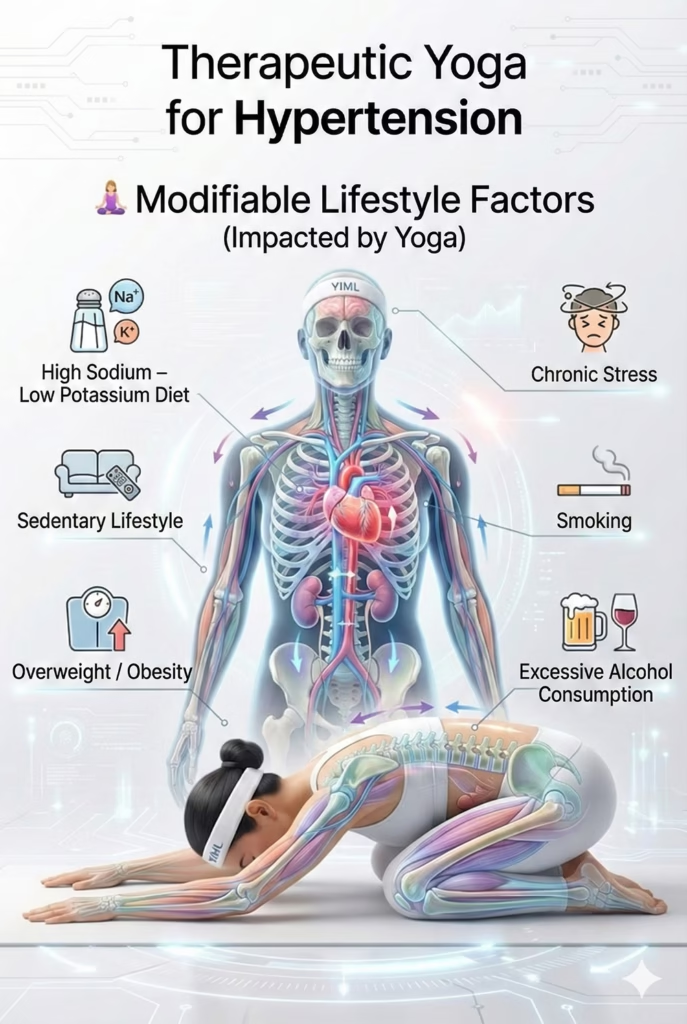
Modifiable Lifestyle Factors (The Therapeutic Window for Yoga)
- Dietary Imbalance: Excess sodium causes fluid retention and increased blood volume. Conversely, low potassium intake reduces the body’s ability to relax vascular smooth muscle.
- Physical Inactivity & Obesity: Sedentary behavior weakens cardiac efficiency. Excess adipose tissue increases blood volume demand and secretes inflammatory markers that induce vasoconstriction.
- Chronic Stress: Chronic activation of the sympathetic nervous system triggers the continuous release of adrenaline and cortisol. This keeps the heart rate elevated and blood vessels constricted, effectively “resetting” the body’s baseline blood pressure to a higher threshold.
- Substance Use: Nicotine causes immediate vasoconstriction and long-term endothelial damage. Excessive alcohol consumption raises blood pressure and weakens the myocardium.
2. A Yogic & Ayurvedic Perspective
Yoga and Ayurveda view hypertension as a condition of “excess heat” and “instability,” reflecting a profound imbalance in bio-energies (Doshas), vital currents (Prana Vayus), and energy centers (Chakras).
Dosha Imbalance: The Pitta-Vata Axis Hypertension is primarily classified as a dual aggravation of Pitta and Vata.
- Pitta (Fire/Water): Represents metabolic heat and intensity. Excess Pitta “overheats” the blood tissue (Rakta Dhatu), creating inflammation and high pressure. Psychological manifestations like anger and ambition directly stimulate adrenal function.
- Vata (Air/Space): Governs movement and the nervous system. Aggravated Vata causes erratic constriction of blood vessels (vasospasm) and dries out arterial walls, leading to stiffness. Vata acts as the wind that fans the flames of Pitta.

Disruption of Prana Vayus (Vital Winds)
- Vyana Vayu (Circulation): The force governing circulation becomes turbulent and excessive, creating high pressure within the arterial channels.
- Prana Vayu (Respiration): Located in the chest, this force is disturbed by stress, leading to shallow, thoracic breathing that fails to soothe the heart.
- Apana Vayu (Elimination/Grounding): When this downward grounding force is weak, energy rises pathologically to the head and heart, manifesting as headaches and dizziness.

Energetic Blockages in the Chakras
- Anahata (Heart Chakra): Emotional suppression or unresolved grief creates constriction in the physical heart center.
- Manipura (Solar Plexus Chakra): The seat of Pitta and personal will. Overactivity here drives the adrenal “fight-or-flight” response, maintaining systemic tension.
- Ajna (Third Eye Chakra): Mental congestion and excessive focus (Vata/Pitta) create pressure in the cranium, contributing to the neurological symptoms of hypertension.

Part II: Therapeutic Approaches of Yoga for Hypertension
Therapeutic Goals Therapeutic Yoga for hypertension employs a multi-layered strategy focused on nervous system downregulation and addressing the root causes related to stress and lifestyle. The primary objectives include:
1. Activating the Parasympathetic Nervous System (PNS)
- Goal: To shift the autonomic state from “fight-or-flight” (Sympathetic) to “rest-and-digest” (Parasympathetic).
- Mechanism: Slow, deep breathing—specifically with prolonged exhalation—directly stimulates the vagus nerve. Vagal activation triggers the release of neurotransmitters (such as acetylcholine) that lower heart rate and promote vasodilation, directly reducing blood pressure.
- Reference: Effect of yoga on arterial stiffness in elderly subjects with increased pulse pressure: A randomized controlled study
(DOI: 10.1016/j.ctim.2015.06.002)

2. Regulating the HPA Axis & Stress Hormones
- Goal: To mitigate the biochemical impact of chronic stress.
- Mechanism: Chronic stress hyperactivates the Hypothalamic-Pituitary-Adrenal (HPA) axis, maintaining elevated cortisol levels. Restorative yoga and meditation have been clinically proven to downregulate this axis. Lowering cortisol not only reduces perceived stress but also mitigates the physiological drivers of vasoconstriction and fluid retention.
- Reference: The influence of Hatha yoga as an add-on treatment in major depressive disorder on hypothalamic-pituitary-adrenal-axis activity: a randomized trial (DOI: 10.1016/j.jpsychires.2014.02.022)
3. Balancing Pitta & Vata Doshas
- Goal: To cool excess heat (Pitta) and stabilize erratic energy (Vata).
- Mechanism:
- Pacifying Pitta: Utilizing non-exertional postures and cooling breathwork like Left Nostril Breathing (Chandra Bhedana Pranayama) to reduce systemic inflammation and “heat.”
- Stabilizing Vata: Employing grounding, steady postures to calm the nervous system and counteract the erratic nature of high blood pressure.
4. Enhancing Interoception & Self-Regulation
- Goal: To develop acute awareness of internal physiological states.
- Mechanism: Yoga cultivates interoception—the ability to sense subtle internal signals. Increased awareness allows for the early detection of stress markers (e.g., shallow breathing, tension), enabling proactive self-regulation via breathwork before blood pressure spikes occur.
- Reference: Mindfulness Focussed Yoga: The Role of Interoceptive Awareness in Mindfulness and Yoga Interventions for Trauma and Pain ( DOI: 10.19080/JYP.2021.09.555759)

5. Improving Vascular Health & Endothelial Function
- Goal: To naturally improve arterial flexibility.
- Mechanism: Gentle movement and controlled respiration stimulate the arterial endothelium to release Nitric Oxide (NO). This critical molecule induces natural vasodilation and reduces arterial stiffness, countering the mechanical effects of hypertension.
- Reference: Association between Yoga Participation and Arterial Stiffness: A Cross-Sectional Study (DOI: 10.3390/ijerph20105852
- Abstract)
We have further decoded the clinical evidence in our detailed analysis of yoga for hypertension, where we examine the study’s methodology and outcomes.
Golden Principles & Absolute Contraindications
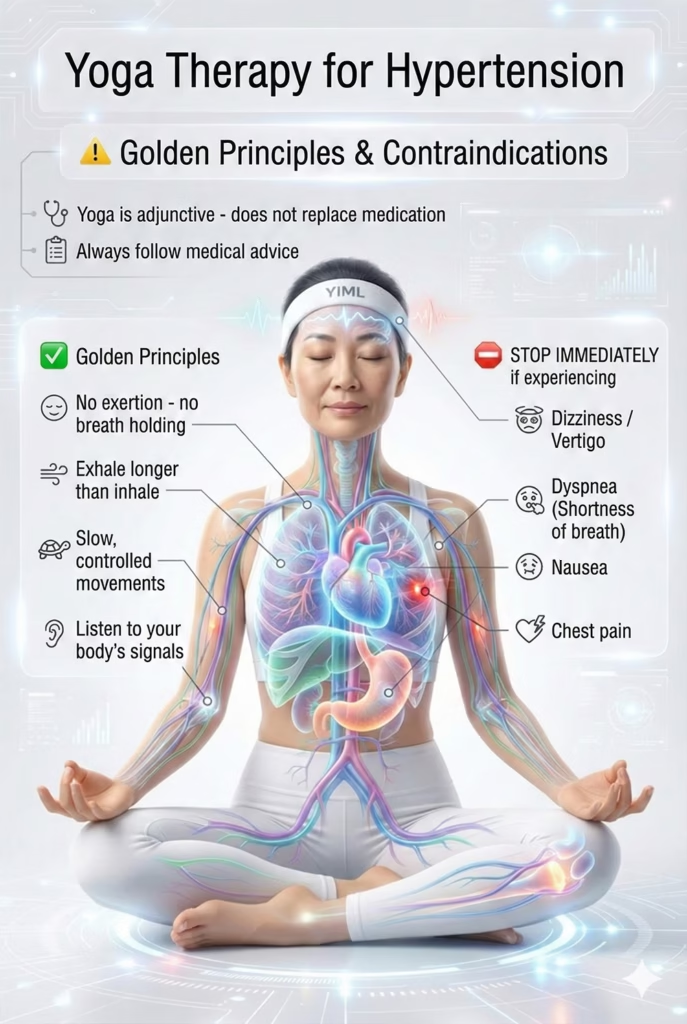
WARNING: Hypertension is a serious medical pathology. This guide is an adjunct to, not a substitute for, professional medical treatment. Always consult your physician before initiating any exercise regimen.
Golden Principles of Practice
- Adjunct Therapy: Yoga functions synergistically with pharmacotherapy. It is a tool for lifestyle modification and stress reduction, enhancing the overall efficacy of your medical treatment plan—never replacing it.
- Avoid the Valsalva Maneuver: The “no pain, no gain” mentality is dangerous here. Any straining or breath-holding (the Valsalva maneuver) spikes intrathoracic pressure, causing a rebound surge in blood pressure.
- The Exhalation Bias: Prioritize lengthening the exhalation. Neurologically, exhalation links to the parasympathetic nervous system. Extending the exhale stimulates the vagus nerve, acting as a physiological “brake” to decelerate heart rate.
- Hemodynamic Stability: Transition slowly. Moving too quickly from supine to standing can trigger orthostatic hypotension (a sudden drop in BP causing dizziness). Gradual transitions allow arterial baroreceptors sufficient time to autoregulate pressure.
- Interoception as a Guide: Dizziness, nausea, or thoracic discomfort are critical biological data points. If they occur, cease activity immediately and return to a neutral position until stable.
Absolute Contraindications
To ensure safety, hypertensive individuals must STRICTLY AVOID the following, as they can precipitate dangerous hypertensive crises.
1. Asana (Postures)
- Full Inversions (Head below Heart):Sirsasana (Headstand), Sarvangasana (Shoulderstand), Halasana (Plow).
- Clinical Rationale: These postures flood the cranial vessels, increasing intracranial pressure. In hypertensive patients, the baroreflex (pressure regulation mechanism) may be blunted or overwhelmed, leading to a stroke risk.
- Safe Alternative: Viparita Karani (Legs Up the Wall) is safe as it fosters venous return without the gravitational pressure on the cranium.

- Deep, Active Backbends:Chakrasana (Wheel), Deep Ustrasana (Camel).
- Clinical Rationale: These are potent sympathetic nervous system stimulants. They trigger the “fight-or-flight” response, releasing catecholamines (adrenaline) and elevating heart rate.

- Isometric Strength Holds:Bakasana (Crow), Vasisthasana (Side Plank).
- Clinical Rationale: Sustained isometric contraction of large muscle groups compresses intramuscular blood vessels, drastically increasing total peripheral resistance. The heart must pump harder to overcome this resistance, causing BP to spike.
2. Pranayama (Breathwork)
- Hyper-Stimulating Techniques:Kapalabhati (Skull Shining), Bhastrika (Bellows), Surya Bhedana (Sun Piercing).
- Clinical Rationale: These techniques are designed to induce sympathetic arousal and vasoconstriction. Energetically, they aggravate Pitta (heat), counteracting the cooling therapy needed for hypertension.
- Breath Retention (Kumbhaka):
- Clinical Rationale: Holding the breath creates the Valsalva effect, increasing internal pressure and blocking venous return to the heart. This results in a sharp rise in blood pressure upon release.
- Forceful Ujjayi: While soft Ujjayi is soothing, forceful constriction of the glottis creates unnecessary strain and pressure.

Part III: The Therapeutic Yoga Toolkit for Hypertension
A. Asana (Postures)
Clinical Note: The objective is autonomic regulation, not physical exertion. Movement must be slow, breath-synchronized, and strictly adherent to the contraindications previously outlined.
1. Mobilization: Marjaryasana-Bitilasana (Cat-Cow)
Technique: From Table Top, perform 8–10 slow cycles synchronized with breath (Inhale/Extension, Exhale/Flexion). Instructor’s Cue: Let the breath initiate the movement. Inhale first, then allow the spine to extend; exhale first, then allow the spine to round. This synchronization forces the heart rate to decelerate to match the respiratory rhythm.
Therapeutic Mechanism:
- Mechanical: Lubricates vertebral joints and mobilizes the diaphragm for deeper respiration.
- Neurological: Acts as a moving meditation. Rhythmic coordination enhances vagal tone, shifting the system away from sympathetic arousal.
- Energetic: Unblocks Prana flow along the Sushumna Nadi and balances the Anahata (Heart) Chakra.

Safety Protocol:
- No Breath Retention: Flow continuously to prevent pressure spikes.
- Facial Relaxation: Relax the jaw and forehead; facial tension correlates with increased intracranial pressure.
2. Tension Release: Shoulder Rolls & Neck Tilts
Technique: Slow shoulder rolls followed by gentle lateral neck tilts. Instructor’s Cue: Focus on the exhalation. With every downward roll or tilt, visualize the “armor” of the trapezius muscles dissolving. The exhale is the neurological signal to “disarm.”
Therapeutic Mechanism:
- Mechanical: Releases trigger points in the upper trapezius and levator scapulae, improving cranial circulation.
- Neurological: Releasing chronic cervical tension interrupts the feedback loop of stress signaling sent to the brainstem.
- Energetic: Clears blockages in the Vishuddha (Throat) Chakra.

Safety Protocol:
- 70% Effort: Never stretch to the maximum; pain triggers a sympathetic response.
- Stop at Dizziness: If vertigo occurs, cease immediately and return to a neutral head position.
3. Gentle Strengthening: Dynamic Setu Bandhasana (Bridge)
Technique: Supine. Inhale to lift hips; exhale to lower. Repeat 8–10 times. Do not hold the pose statically. Instructor’s Cue: Visualize a wave. Prioritize smoothness over height. The rhythmic oscillation soothes the nervous system, whereas static holding might tempt breath retention.
Therapeutic Mechanism:
- Mechanical: Dynamic movement strengthens glutes/hamstrings without the isometric strain that risks the Valsalva maneuver.
- Neurological: Rhythmic movement stabilizes the autonomic nervous system.
- Energetic: Stabilizes Apana Vayu in the pelvis while passively opening the chest for Prana Vayu.

Safety Protocol:
- Exhale on Descent: This maximizes the relaxation response.
- Cervical Safety: Keep the neck neutral; do not turn the head.
4. Gentle Sun Salutation Variation
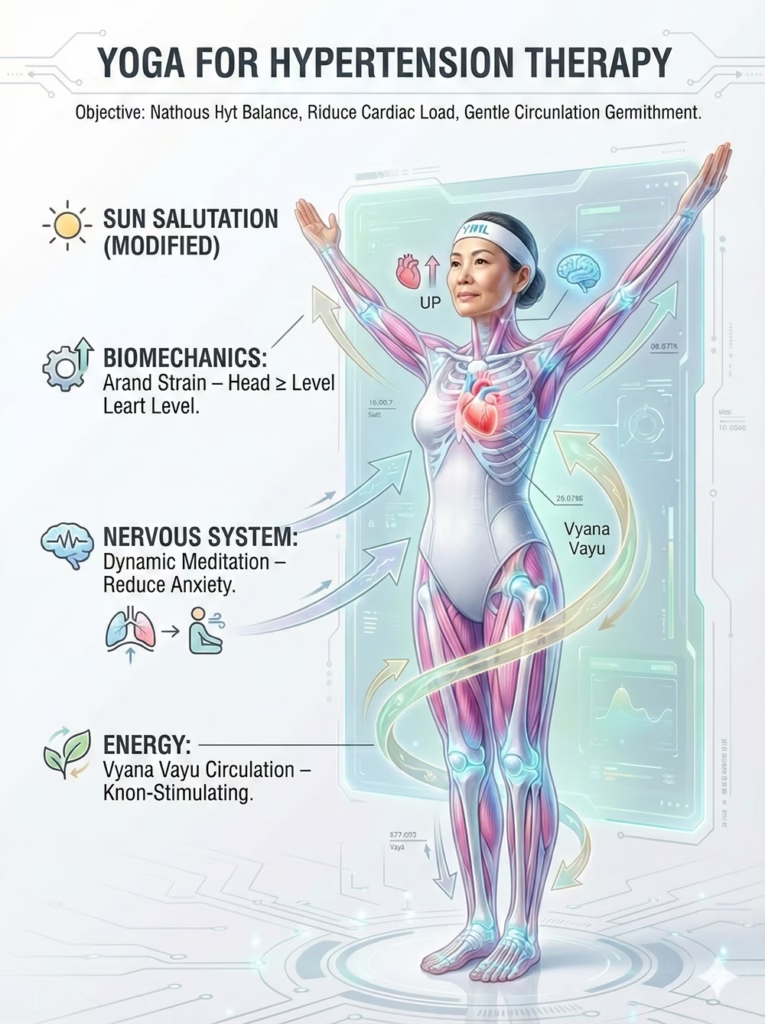
Technique: Slow-motion sequence. Replace Chaturanga with Knees-Chest-Chin. Crucial: In Forward Fold, lift halfway (Ardha Uttanasana) to keep the head at or above heart level. Instructor’s Cue: Move at the speed of your breath. If you are gasping, you are moving too fast. This is therapy, not calisthenics.
Therapeutic Mechanism:
- Mechanical: Avoiding deep forward folds prevents intracranial pressure spikes.
- Neurological: Coordinates motor control with respiration, reducing anxiety (Vata).
- Energetic: Circulates Vyana Vayu (circulation energy) without overstimulating the system.
Safety Protocol:
- Head Position: In forward bends, keep the head elevated (above the heart) to prevent gravitational pressure buildup.
5. Release: Supported Paschimottanasana (Forward Fold)
Technique: Seated, bolster on thighs. Fold forward, resting the forehead on props. Ensure the head remains level with or higher than the heart. Instructor’s Cue: This is a posture of surrender. Build the props high enough so you don’t have to “reach.” Support the forehead to signal safety to the brain.
Therapeutic Mechanism:
- Mechanical: Passive release of the posterior chain. Keeping the head elevated prevents hypertensive risk.
- Neurological: Stimulation of the trigeminal nerve (via forehead pressure) induces a profound relaxation response.
- Energetic: Promotes the grounding flow of Apana Vayu, settling excess Vata and Pitta.

Safety Protocol:
- No Straining: If the back muscles are gripping, add more height to the props.
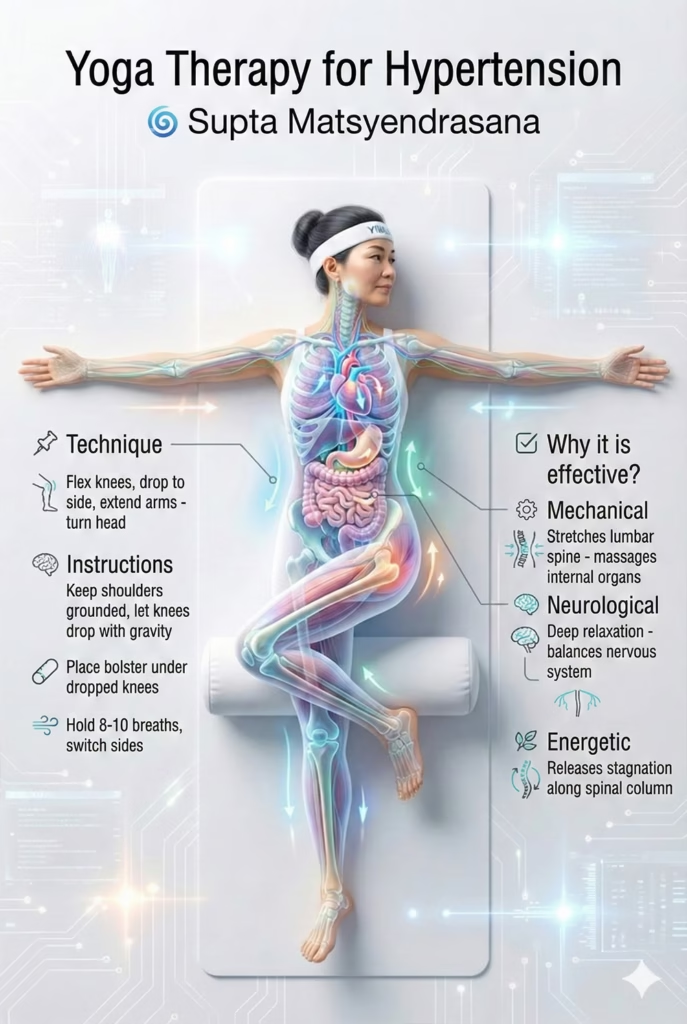
6. Release: Supta Matsyendrasana (Supine Twist)
Technique: Supine, knees to chest, drop knees to one side onto a support (bolster/block). Instructor’s Cue: Let gravity do the work. Anchor the opposite shoulder. Support the knees so the inner thighs can completely disengage.
Therapeutic Mechanism:
- Mechanical: Compresses and massages the abdominal viscera, including the adrenal glands.
- Neurological: Releases tension in the sympathetic chain ganglia along the spine.
- Energetic: Balances Samana Vayu (digestive/assimilative energy).
Safety Protocol:
- Support is Mandatory: Hanging legs can cause muscle guarding. Use props to ensure total passivity.
7. Restorative: Viparita Karani (Legs Up the Wall)
Technique: Hips near wall, legs vertical. The Gold Standard for Hypertension. Instructor’s Cue: Comfort supersedes alignment. Move hips away from the wall if hamstrings are tight. Let the legs be “dead weight.”
Therapeutic Mechanism:
- Neurological (Key): Increased venous return stimulates baroreceptors (pressure sensors) in the carotid arteries and aortic arch. These receptors trigger a reflex that lowers heart rate and induces systemic vasodilation.
- Energetic: Highly cooling (Pitta pacifying) and grounding.

Safety Protocol:
- Exit Strategy: Roll to the side and rest in a fetal position for 30+ seconds to prevent orthostatic hypotension (dizziness upon standing).
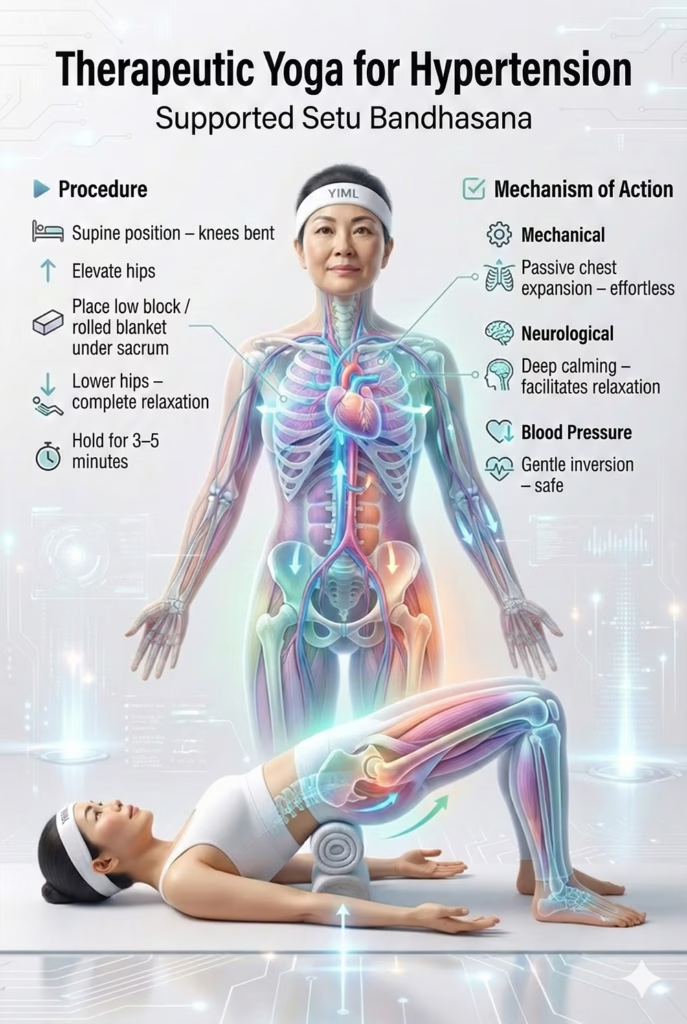
8. Restorative: Supported Setu Bandhasana (Bridge)
Technique: Sacrum supported by a block at the lowest height. Instructor’s Cue: Passive chest opening. Allow the psoas muscles to melt.
Therapeutic Mechanism:
- Mechanical: Releases the Psoas (fight-or-flight muscle). Passive thoracic expansion improves lung capacity.
- Neurological: Mild inversion triggers a gentle baroreflex response.
- Energetic: Opens the Anahata (Heart) Chakra receptively.
Safety Protocol:
- Lowest Height Only: Higher elevations can compress the lumbar spine and overstimulate the system.
9. Savasana (Corpse Pose)
Technique: Supine, bolster under knees, blanket for warmth. Instructor’s Cue: Use the props to signal “safety” to the amygdala. Non-resistance is the goal. Therapeutic Mechanism:
- Neurological: The final reset for the autonomic nervous system, allowing for the metabolization of stress hormones.
- Energetic: Pratyahara (withdrawal of senses) facilitates deep internal healing.

Safety Protocol:
- Thermal Regulation: A drop in body temperature indicates parasympathetic dominance; cover with a blanket to maintain comfort.
B. Pranayama (Breathwork)
Clinical Insight: Breath is the most direct and effective intervention for autonomic regulation. The selected techniques are cooling, soothing, and parasympathetic-dominant. Note: Perform without breath retention (Kumbhaka) to avoid pressure spikes.
1. 1:2 Ratio Breathing
Technique: Seated comfortably. Inhale gently through the nose for a count of 3 or 4. Exhale slowly and smoothly through the nose for a count of 6 or 8 (doubling the inhalation length). Mechanism & Benefit: Exhalation is intrinsically linked to the parasympathetic nervous system. By consciously elongating it, we transmit a potent relaxation signal to the brainstem, effectively decelerating heart rate and inducing vasodilation.

2. Nadi Shodhana (Alternate Nostril Breathing) – Without Retention
Technique: Perform alternate nostril breathing slowly and rhythmically, omitting all retention phases. Mechanism & Benefit: Nadi Shodhana balances hemispheric activity and harmonizes the autonomic nervous system. It specifically mitigates anxiety (Vata) and irritability (Pitta)—the primary psychological drivers of hypertension. Instructor’s Cue: Treat this practice as a lullaby for the nervous system. The breath should be silent—so gentle it wouldn’t disturb a fine silk thread placed beneath the nostrils. Focus on continuity and smoothness rather than depth.
Important Considerations:
- Absolute Prohibition on Retention: Holding the breath (Kumbhaka) can cause immediate blood pressure spikes. Maintain a continuous flow.
- Seated Support: Use a chair or wall for back support to ensure total physical relaxation.
- Facial Relaxation: Use minimal digital pressure to close the nostrils. Keep the shoulder girdle and facial muscles flaccid.
3. Cooling Breath (Sheetali / Sheetkari Pranayama)
Technique: Inhale through a curled tongue (Sheetali) or through the teeth (Sheetkari). Exhale slowly through the nose. Mechanism & Benefit: These techniques act as a physiological “air conditioner,” directly pacifying Pitta Dosha (heat). They provide immediate relief during episodes of facial flushing or agitation. Instructor’s Cue: Focus on the evaporative cooling sensation on the tongue or teeth. visualize this coolness traveling down the throat, soothing internal “fire.”

Important Considerations:
- Environment: Avoid practice in cold or polluted environments.
- Genetics: If unable to curl the tongue, use the Sheetkari (teeth) variation for identical therapeutic effect.
C. Meditation & Deep Relaxation
These tools reprogram deep-seated stress reactivity and facilitate physiological recovery.
1. Yoga Nidra (Yogic Sleep)
Technique: A guided, supine meditation systematically inducing complete physical, emotional, and mental relaxation. Clinical Effect: Proven to induce a hypnagogic state where the nervous system can reset the baroreflex sensitivity, aiding in long-term blood pressure management.
2. Body Scan Meditation
Technique: Systematically sweeping attention through the body to identify and release unconscious holding patterns. Clinical Effect: Releases neuromuscular tension that contributes to peripheral resistance and elevated blood pressure.
3. Metta (Loving-Kindness) Meditation
Technique: Silent repetition of benevolent intentions toward oneself and others (e.g., “May I be safe. May I be healthy.”). Clinical Effect: Hypertension often correlates with hostility and impatience (“Type A” personality traits). Metta meditation cultivates compassion, reducing the physiological arousal associated with anger and judgment.

D. Mudra & Mantra (Optional Integration)
Hridaya Mudra (Heart Seal)
Technique: Place the tip of the index finger at the base of the thumb. Join the tips of the middle and ring fingers to the tip of the thumb. Keep the little finger extended. Place the backs of the hands on the knees. Benefit: Believed to redirect Prana to the heart region (Anahata), relieving emotional heaviness and supporting cardiac function.
Mantra: “Om Shanti, Shanti, Shanti”
Technique: Slowly recite—audibly or mentally—on the exhalation. Benefit: “Shanti” translates to “Peace.” The vibrational quality and semantic meaning soothe the limbic system, inducing a profound state of biological tranquility.
Part IV: Integration & Practice Protocols
Suggested 25-Minute Therapeutic Sequence for Hypertension
Preparation: Ensure a quiet, dimly lit space with props (bolster, blanket, blocks). Move slowly; prioritize comfort over depth.
Phase 1: Centering & Breath (5 Minutes)
1. Seated 1:2 Ratio Breathing
- Technique: Seated on a cushion to elevate hips. Eyes closed. Establish natural diaphragmatic breathing. Transition to 1:2 ratio (Inhale 4, Exhale 8).
- Goal: Immediate activation of the parasympathetic nervous system and mental settling.

Phase 2: Gentle Mobilization (6 Minutes)
2. Marjaryasana-Bitilasana (Cat-Cow)
- Technique: Table Top position. Inhale/Extension (Cow), Exhale/Flexion (Cat). Repeat 6–8 times slowly.
- Therapeutic Benefit: Safe spinal articulation and somatic tension release.
3. Supported Paschimottanasana (Forward Fold)
- Technique: Seated, legs extended. Bolster on thighs. Inhale lengthen; exhale fold forward, resting forehead on the bolster. Head remains above heart level. Hold 1–2 minutes.
- Therapeutic Benefit: Deep release for the posterior chain; induces the relaxation response via the trigeminal nerve.

Phase 3: Restoration & Soothing (8 Minutes)
4. Supported Setu Bandhasana (Bridge)
- Technique: Supine. Sacrum supported by a block at the lowest height. Legs relaxed or knees bent. Arms wide. Hold 3–4 minutes.
- Therapeutic Benefit: Passive thoracic expansion creates space for cardiac function; mild inversion triggers the baroreflex.
5. Viparita Karani (Legs Up the Wall)
- Technique: Hips near wall, legs vertical. Complete surrender to gravity. Hold 4–5 minutes.
- Therapeutic Benefit: The cornerstone pose for hypertension. Facilitates venous return and systemic cooling without cardiac strain.

Phase 4: Integration (5 Minutes)
6. Savasana (Corpse Pose)
- Technique: Supine. Bolster under knees. Blanket for warmth. Total surrender.
- Goal: Physiological homeostasis and cellular repair.
Here is the translation for the final section on Lifestyle and Ayurveda, maintaining the scientific, professional, and soothing tone.
Lifestyle & Ayurvedic Protocols for Hypertension Management
Daily Micro-Habits for Nervous System Regulation
Objective: To establish an environmental and rhythmic framework that reduces allostatic load, facilitating a return to physiological homeostasis.
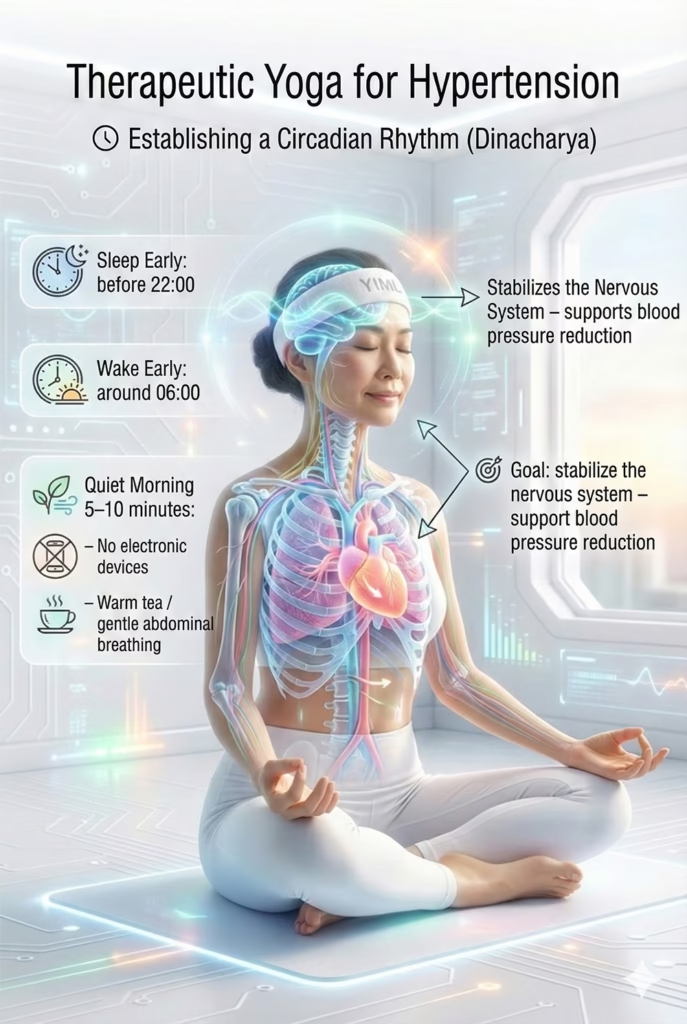
1. Establishing Circadian Rhythm (Dinacharya)
- Sleep Hygiene: This is the non-negotiable foundation. Aim to sleep by 10:00 PM and wake around 6:00 PM. According to Ayurveda, the window from 10:00 PM to 2:00 AM is “Pitta Time,” during which the body performs its most critical purification and tissue repair. Deep sleep during this phase reduces systemic inflammation (pacifying Pitta) and regenerates the nervous system.
- A Quiet Start: Instead of immediately engaging with digital stimuli, dedicate the first 5–10 minutes to stillness. A cup of warm herbal tea (e.g., Chamomile) and a few rounds of Diaphragmatic Breathing establish a baseline of calm for the day, stabilizing Vata (air energy).
2. Energy Management Strategy
- “Breathing Spaces”: Set an alarm for every 90 minutes of work. When it rings, pause and perform 5 rounds of Relaxation Breathing (extended exhalation). This micro-intervention consciously shifts the autonomic nervous system from sympathetic (stress) to parasympathetic (relaxation), preventing the cumulative buildup of stress hormones.
- Mindful Post-Meal Walk: Dedicate 10 minutes after lunch for a slow-paced walk. This supports Samana Vayu (digestive energy) and acts as a grounding practice to soothe Vata, preventing post-prandial heaviness and anxiety.
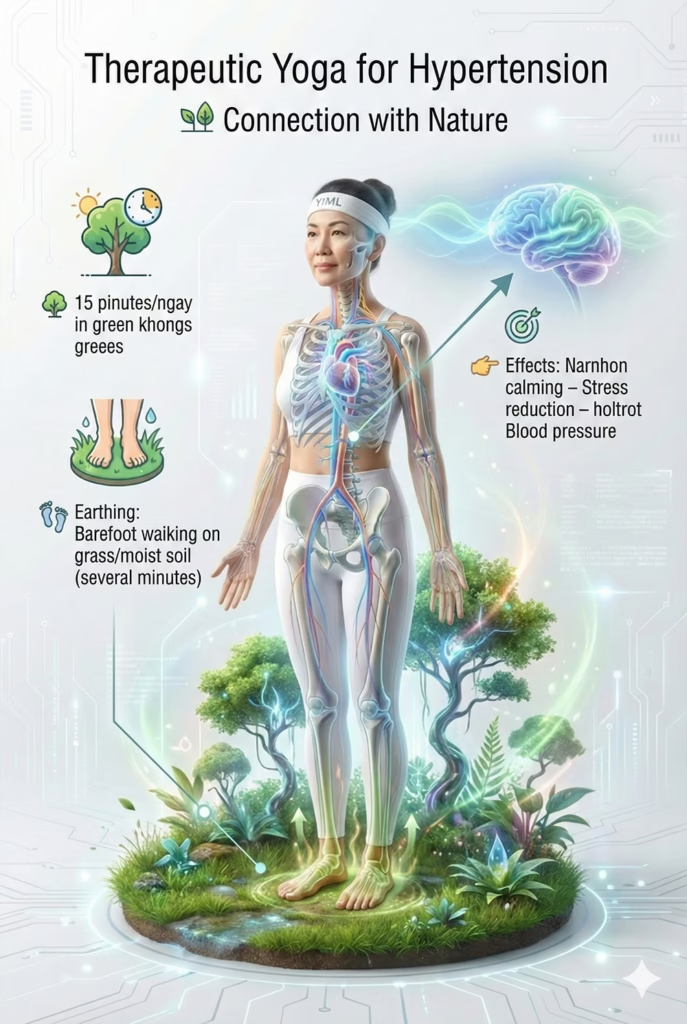
3. Nature Connection
- Green Exposure: Spend at least 15 minutes daily in a green environment. The inherent frequency of nature naturally pacifies Pitta (aggression) and Vata (anxiety).
- Earthing (Grounding): If possible, walk barefoot on grass or damp soil. Theoretically, this allows for the equilibration of electrical charge, inducing a profound settling effect on the nervous system.
Ayurvedic Dietary Guidelines for Hypertension
Clinical Rationale: Hypertension is viewed as a combination of aggravated Pitta (heat/intensity) and Vata (instability/vasoconstriction). Therefore, the diet must be dual-pacifying.
1. Golden Principles
- Chrononutrition: Eat meals at the same time every day to provide the digestive and nervous systems with a predictable rhythm.
- Mindful Eating: Eliminate digital distractions. Sit down and consciously engage with the meal. This sensory focus activates the “rest-and-digest” response, optimizing nutrient absorption and reducing stress.
2. The Six Tastes (Rasa)
- Favor: Sweet (natural sources: grains, dairy, root vegetables like carrots/sweet potatoes), Bitter (leafy greens, bitter melon), and Astringent (legumes, broccoli). These tastes cool Pitta and ground Vata.
- Strictly Limit: Salty (causes fluid retention and direct BP spikes), Sour (heating nature increases Pitta; e.g., pickles, vinegar), and Pungent (spicy foods are highly heating and stimulate both Pitta and Vata).

3. Specific Meal Suggestions
- Breakfast (Warm & Grounding): Oatmeal cooked with a pinch of cinnamon and cardamom, topped with steamed banana or apple. Avoid coffee and dry toast.
- Lunch (Main Meal/Cooling): White rice, liquid lentil soup (Dal) with cilantro, steamed cooling vegetables (zucchini, broccoli, asparagus), and cucumber salad.
- Dinner (Light & Early): Consume before 7:00 PM. Warm vegetable soup or roasted root vegetables with olive oil. Avoid red meat or heavy proteins at night.
4. Medicinal Beverages
- Hibiscus Tea: Clinical studies support its efficacy in naturally reducing systolic pressure.
- Chamomile & Peppermint Tea: Powerful nervine tonics that cool the body and soothe the nervous system.
- Fresh Coconut Water: Cooling and potassium-rich, aiding in sodium balance.
- Note: Consume beverages warm or at room temperature; avoid ice-cold drinks which shock digestion (Agni).
Chronic stress plays a central role in blood pressure dysregulation. For a deeper analysis of autonomic imbalance, explore our roadmap to nervous system rebalancing.
Part V: Conclusion
Thus, it is evident that Yoga offers a clear, evidence-based roadmap as an effective non-pharmacological antihypertensive intervention. It empowers patients not merely to passively monitor clinical metrics, but to actively rebalance the entire Mind-Body system.
The therapeutic yoga approach to hypertension is a gentle yet profound journey, prioritizing soothing over exertion. It does not view hypertension as an enemy to be battled, but rather as a physiological signal that the body and mind are soliciting greater balance and care.
Through the integration of Restorative Asana to release somatic tension, Soothing Pranayama to directly modulate the autonomic nervous system, and Meditation to reprogram emotional reactivity, Yoga provides a comprehensive and potent toolkit. It supports not only blood pressure reduction but also the enhancement of overall quality of life.
This journey is not a “quick fix,” but a sustainable lifestyle transformation requiring:
- Patience: Allowing the nervous system time to relearn the art of relaxation and down-regulation.
- Interoception: Developing the somatic wisdom to discern when to mobilize and when to rest.
- Consistency: Transforming tranquility from a temporary state into a permanent physiological habit.
Yoga equips you with the agency to become an active participant in your own health journey, finding peace from within.
Medical Disclaimer
IMPORTANT: The content provided in this article is for informational and educational purposes only. It is NOT intended to substitute for professional medical advice, diagnosis, or treatment.
- Always consult with a physician or qualified healthcare provider regarding any questions related to hypertension.
- Never disregard professional medical advice or delay seeking it based on information read in this guide.
- ABSOLUTELY DO NOT alter or discontinue antihypertensive medication without the specific prescription and supervision of your physician.
References
Medical & Scientific Sources
- American Heart Association (AHA). High Blood Pressure. (https://www.heart.org/en/health-topics/high-blood-pressure)
- World Health Organization (WHO). Hypertension. (https://www.who.int/news-room/fact-sheets/detail/hypertension)
- Wu, Y., et al. (2019). Effects of Yoga on Blood Pressure: A Systemic Review and Meta-Analysis of Randomized Controlled Trials. Journal of the American Heart Association.
- Hagins, M., et al. (2014). The effect of yoga on the professional quality of life and perceived stress of palliative care workers. Journal of Palliative Medicine.
- PubMed Central (National Library of Medicine). (https://www.ncbi.nlm.nih.gov/pmc/)
Yoga Therapy Sources
- Bussing, A., et al. (2012). Effects of Yoga on Mental and Physical Health: A Short Summary of Reviews. Evidence-Based Complementary and Alternative Medicine.
- Frawley, D. (2001). Yoga for Your Type: An Ayurvedic Approach to Your Asana Practice. New Age Books.
- McCall, T. (2007). Yoga as Medicine: The Yogic Prescription for Health and Healing. Bantam Dell.
- Saraswati, S. S. (2008). Asana Pranayama Mudra Bandha. Bihar School of Yoga.
- Yoga Journal. (https://www.yogajournal.com)