
Part 1. Introduction
In the context of modern medicine, where the importance of lifestyle in managing chronic diseases is increasingly recognized, non-pharmacological interventions are receiving special attention. Hypertension, one of the world’s leading “silent killers,” is a major risk factor for cardiovascular disease and stroke.
The fight against hypertension extends beyond pharmaceuticals to adjunctive therapies such as nutrition, physical activity, and stress management. Among these, Yoga—an ancient practice combining physical and mental discipline—is increasingly being investigated as a complementary intervention.
This analysis delves into a significant study to better understand the efficacy of Yoga on cardiovascular health.
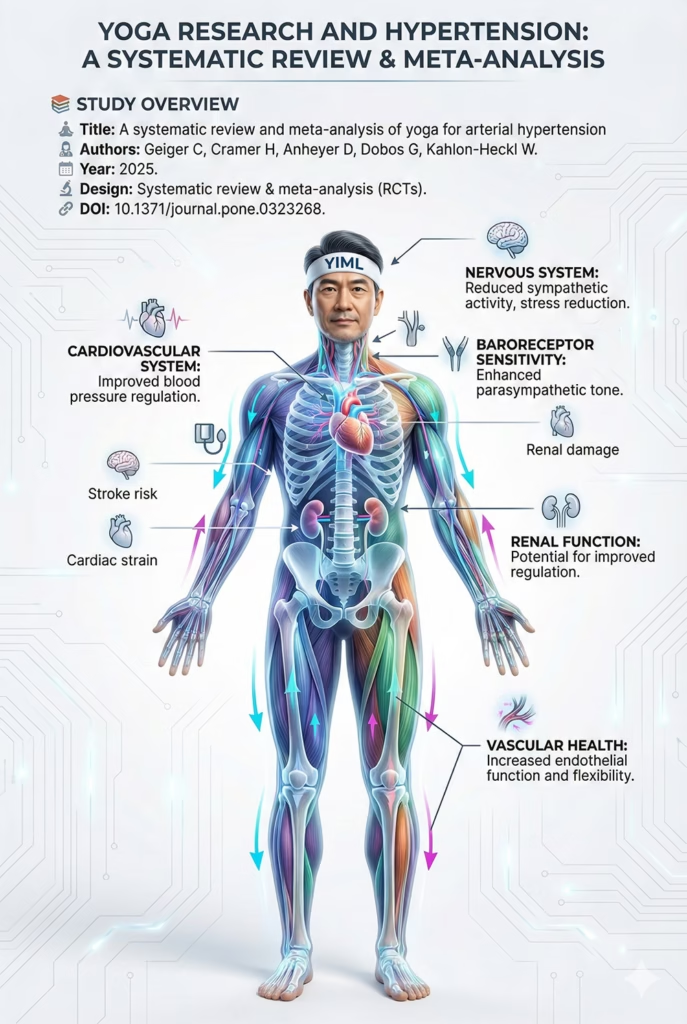
Study Overview
- English Title: A systematic review and meta-analysis of yoga for arterial hypertension
- Authors: Geiger C, Cramer H, Anheyer D, Dobos G, Kahlon-Heckl W
- Publication Year: 2025
- Source: https://pubmed.ncbi.nlm.nih.gov/40367243/
- DOI: 10.1371/journal.pone.0323268
The Role of the HPA Axis in Stress and Chronic Disease
To understand how Yoga impacts blood pressure, we must look at the core of the body’s stress response: the Hypothalamic–Pituitary–Adrenal (HPA) axis. This central neuroendocrine system acts as a “thermostat” for stress [1]. When faced with stress, the HPA axis is activated, leading to the release of cortisol.
Chronic elevation of cortisol is a contributing factor to hypertension [2]. The study by Geiger et al. (2025) was conducted to systematically evaluate Yoga therapy in regulating these responses and improving blood pressure [3].
At normal levels, cortisol mobilizes energy to face challenges. However, in modern society, stress is often chronic. This causes the HPA axis to remain perpetually activated, keeping cortisol levels high. Chronic high cortisol leads to hyperglycemia, immune suppression, sleep disturbances, and notably, hypertension. It increases vascular sensitivity to vasoconstrictors and promotes sodium and water retention, directly increasing arterial pressure.
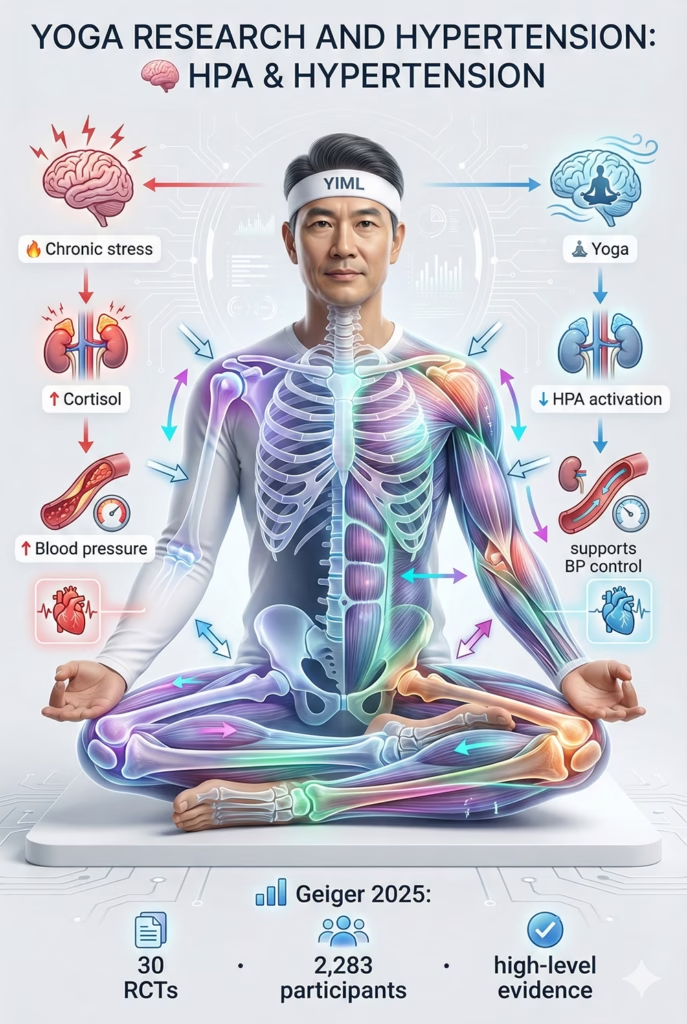
Therefore, any therapy capable of down-regulating the HPA axis and restoring balance holds immense potential for managing stress-related pathologies, particularly hypertension.
Rationale for Selection
The study by Geiger et al. was selected because it is not a single trial but a meta-analysis of 30 Randomized Controlled Trials (RCTs). Meta-analyses are generally considered among the highest levels of clinical evidence, particularly when based on randomized controlled trials, synthesizing data from 2,283 participants to provide a conclusion far more reliable than individual studies. It answers the overarching question: “Overall, is Yoga truly effective for patients with hypertension?”
Yoga Instructor’s Perspective:
“In practice, students frequently report feeling ‘relieved,’ ‘lighter,’ and ‘significantly less stressed’ after class. Many also report better sleep and reduced palpitations.
While these are genuine anecdotal reports, we seek a scientific explanation. This study bridges that gap. It confirms that the sense of relaxation likely stems from a biological recalibration of the endocrine system, specifically the HPA axis, lending scientific validity to Yoga practice.”
Part 2. Objectives and Hypotheses
Every scientific study begins with specific questions and verifiable predictions.
Primary Objectives
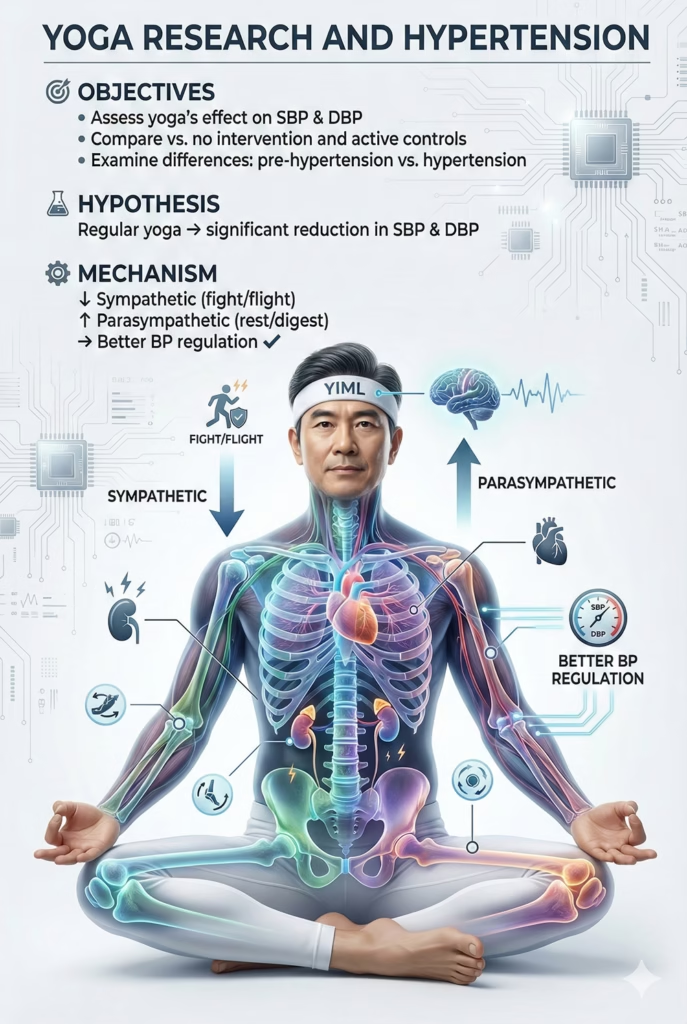
The authors aimed to systematically evaluate the efficacy of Yoga interventions on blood pressure management in individuals diagnosed with pre-hypertension or hypertension.
Specifically, the researchers sought to answer:
- Does Yoga practice lead to a statistically significant reduction in Systolic Blood Pressure (SBP) and Diastolic Blood Pressure (DBP)?
- Is there a difference in efficacy when comparing Yoga to no intervention (waitlist) versus active controls (other forms of exercise)?
- Does efficacy vary based on the baseline condition (pre-hypertension vs. hypertension)?
Scientific Hypothesis
Although not stated as a single sentence in the abstract, the underlying hypothesis is logically inferred:
Regular Yoga practice will result in a statistically significant decrease in both SBP and DBP in individuals with pre-hypertension and hypertension compared to control groups.
This hypothesis is built on theoretical foundations suggesting Yoga decreases sympathetic nervous system activity (“fight or flight”) and enhances parasympathetic activity (“rest and digest”). This balance is the key mechanism for regulating heart rate, respiration, and ultimately, blood pressure.
Part 3. Methodology
For scientific conclusions to be valid, the methodology must be rigorous and reproducible.
Study Design
This is a Systematic Review and Meta-analysis.
- Systematic Review: Researchers screened major databases (Medline/PubMed, Scopus, CENTRAL) using strict search protocols to identify all relevant RCTs. RCTs are the “gold standard” in clinical research as randomization minimizes bias.
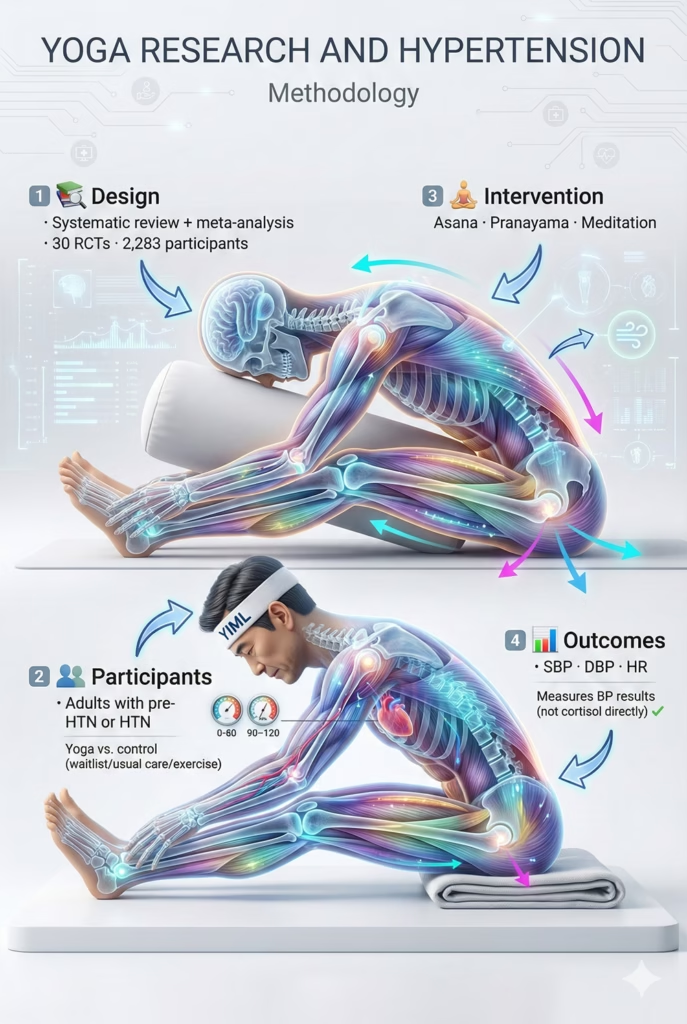
- Meta-analysis: Data from qualifying studies (30 RCTs) were pooled statistically. This creates a large sample size (n=2,283), increasing statistical power to estimate the overall effect of Yoga.
Participants and Inclusion Criteria
- Subjects: Adults diagnosed with pre-hypertension (BP 120-139/80-89 mmHg) or hypertension (BP ≥140/≥90 mmHg).
- Criteria: Only RCTs comparing a Yoga intervention group against a control group (no intervention, usual care, or active exercise) were included. Studies had to measure systolic and/or diastolic blood pressure.
Yoga Intervention
“Yoga” is multimodal. In this analysis, interventions varied but typically included three core elements:
- Asanas: Physical postures.
- Pranayama: Breath regulation techniques.
- Dhyana/Meditation: Including mindfulness and deep relaxation techniques like Yoga Nidra.
- Note: Duration and frequency varied significantly between studies, reflecting real-world heterogeneity.
Biological Measures
- Primary Outcomes: SBP and DBP.
- Secondary Outcomes: Heart Rate (HR).
- Clarification: While the introduction discusses cortisol and HPA axis mechanisms, this specific meta-analysis focuses on hemodynamic outcomes (BP, HR). Neuroendocrine markers are typically measured in smaller mechanistic studies; this analysis measures the “end result.”
Yoga Instructor’s Perspective:
“The interventions in these studies closely resemble Restorative Yoga or gentle Hatha Yoga. The emphasis on Pranayama and meditation is crucial. This is practical for students with hypertension, as complex postures are unnecessary. The key to internal change lies in slowing down, deep breathing, and relaxation.”
Part 4. Results
This section presents the quantitative evidence derived from the pooled data.
Key Metrics and Group Differences
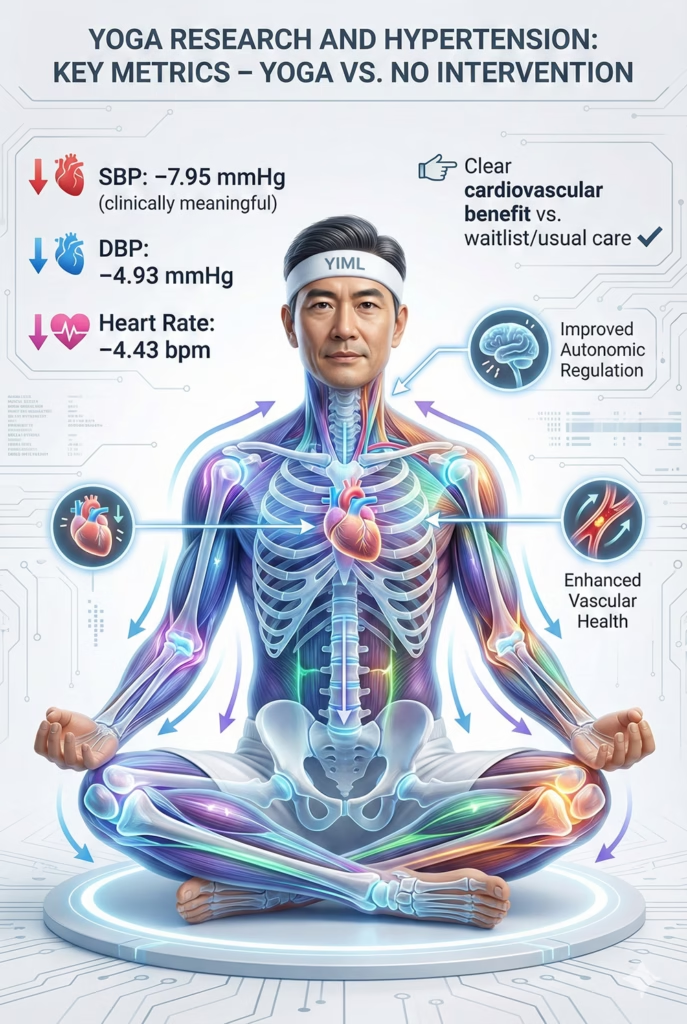
1. Yoga vs. Non-intervention Control (e.g., waitlist, usual care):
- Systolic BP (SBP): Reduced by an average of 7.95 mmHg (95% CI: -10.24 to -5.66). This magnitude of reduction is generally considered clinically meaningful.
- Diastolic BP (DBP): Reduced by an average of 4.93 mmHg (95% CI: -6.25 to -3.60).
- Heart Rate (HR): Reduced by an average of 4.43 beats/min.
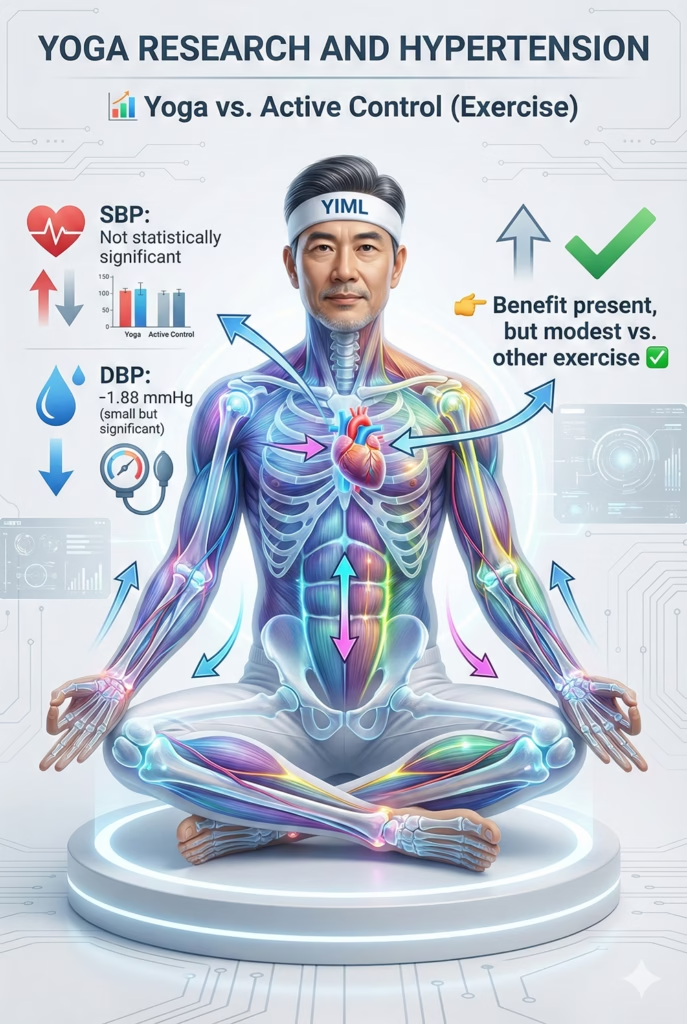
2. Yoga vs. Active Control (e.g., other exercise):
- When compared to other physical activities, the specific advantage of Yoga was more modest.
- SBP: Reduction was not statistically significant.
- DBP: A small but statistically significant reduction of 1.88 mmHg.
Statistical and Clinical Significance
The p-values (< 0.01) for the non-intervention comparisons indicate these results are not due to chance. Clinically, a reduction of ~8 mmHg in SBP is substantial. Medical guidelines suggest that every 5 mmHg reduction in SBP significantly lowers the risk of stroke and ischemic heart disease.
The finding that Yoga demonstrated significant benefits compared with non-intervention controls and was comparable to other forms of exercise (with a slight edge in DBP) suggests that while movement is key, Yoga offers unique autonomic benefits beyond simple physical exertion.
Yoga Instructor’s Perspective:
“These numbers reflect reality. Students report feeling calmer and sleeping better—signs of active parasympathetic recovery. These changes may reflect improved autonomic regulation.”
Part 5. Discussion
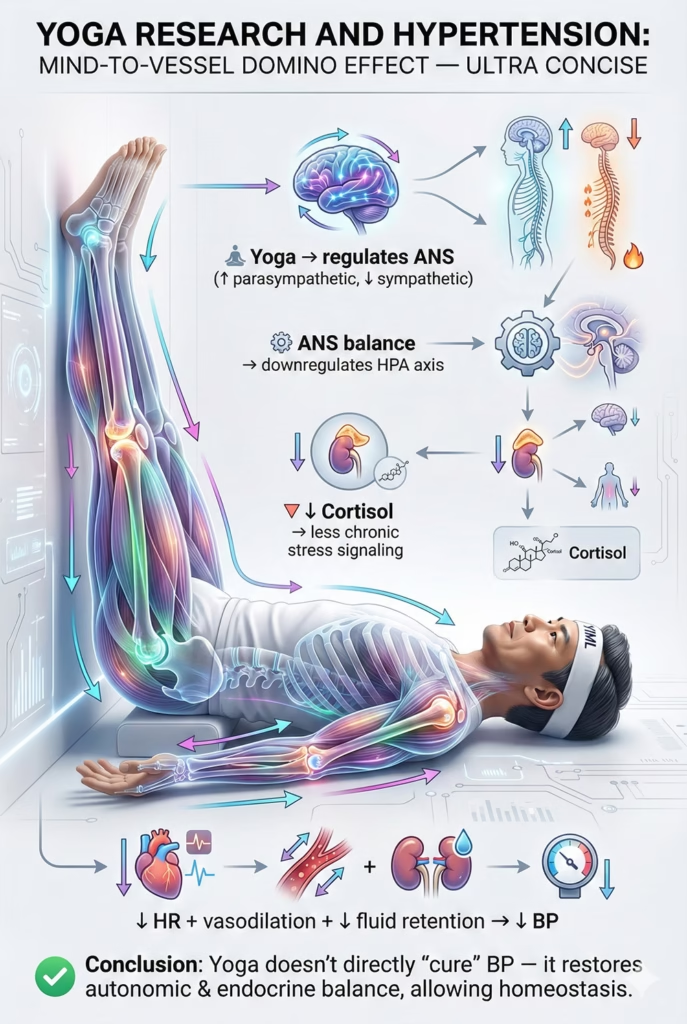
Mechanism: The Mind-to-Vessel Domino Effect
The reduction in blood pressure is the endpoint of a complex physiological chain:
- Yoga => ANS Regulation: Techniques like Pranayama (slow breathing) stimulate the Vagus nerve, signaling safety to the brain. This downregulates the sympathetic nervous system and upregulates the parasympathetic system.
- ANS => HPA Axis Regulation: Parasympathetic activation inhibits the hypothalamus and pituitary gland, “turning down” the stress thermostat and reducing CRH/ACTH production.
- HPA Regulation => Cortisol Reduction: The adrenal glands produce less cortisol, removing the body from a state of chronic alarm.
- Cortisol & ANS Balance => BP Reduction:
- Reduced sympathetic tone lowers heart rate and causes vasodilation.
- Lower cortisol reduces sodium/water retention and vascular sensitivity to vasoconstrictors.
Conclusion: Yoga does not “cure” blood pressure directly; it facilitates the body’s self-regulation mechanisms to restore homeostasis.
Chronic stress plays a central role in blood pressure dysregulation. For a deeper analysis of autonomic imbalance, explore our roadmap to nervous system rebalancing.
Limitations
- High Heterogeneity: Variations in Yoga styles and dosages make it difficult to prescribe a standard “dose.”
- Quality of Evidence: Classified technically as “low” due to potential biases in original RCTs (e.g., lack of blinding, small sample sizes), necessitating caution and further high-quality research.
- Publication Bias: Positive results are more likely to be published.
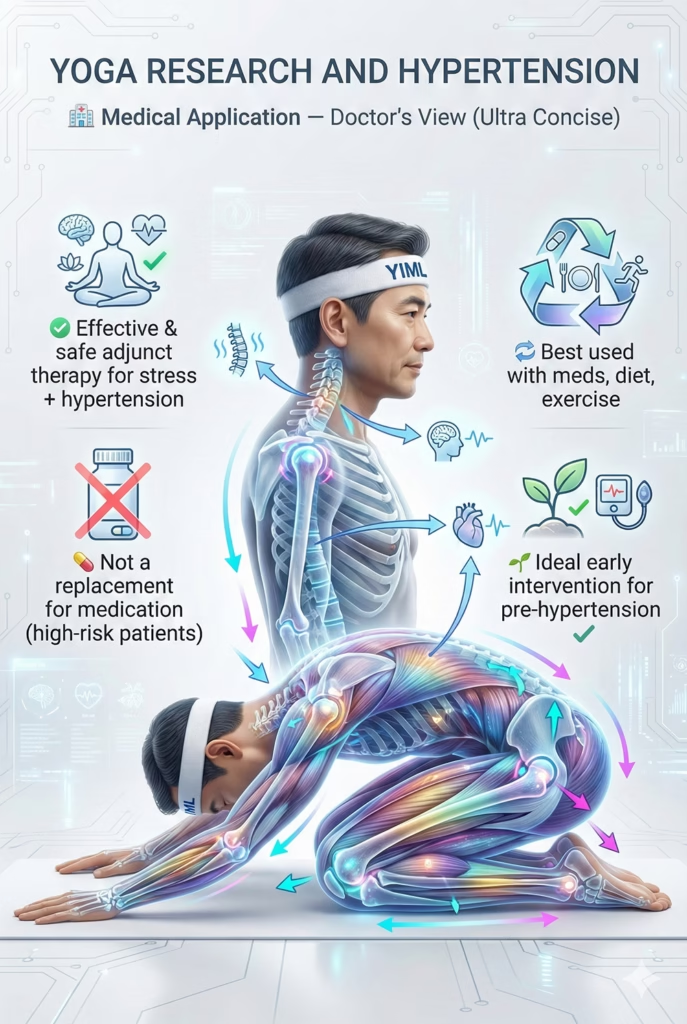
Medical Application (Doctor’s Perspective)
“Yoga should be considered an effective, safe adjunctive therapy for chronic stress and hypertension. It does not replace pharmacotherapy, especially in high-risk patients. Instead, it should be integrated into a comprehensive treatment plan alongside medication, diet, and exercise. For pre-hypertension, it serves as an excellent early, non-pharmacological intervention.”
Yoga Practice Application (Instructor’s Perspective)
“This research serves as a strategic map for class design. Efficacy comes from autonomic impact, not postural difficulty. I design classes based on three principles: Activation – Regulation – Reset.“
1. Down-regulation Principles:
- Avoid sympathetic overdrive (e.g., fast, high-intensity flows).
- Prioritize slow tempo and conscious movement.
- Hold poses (30–60s) to activate baroreceptor reflexes.
2. Pranayama as Physiological Foundation:
- Slow breathing (5–6 breaths/min) increases Heart Rate Variability (HRV).
- Application: Diaphragmatic breathing to start; Nadi Shodhana (Alternate Nostril Breathing) to finish. Focus on extending the exhalation.
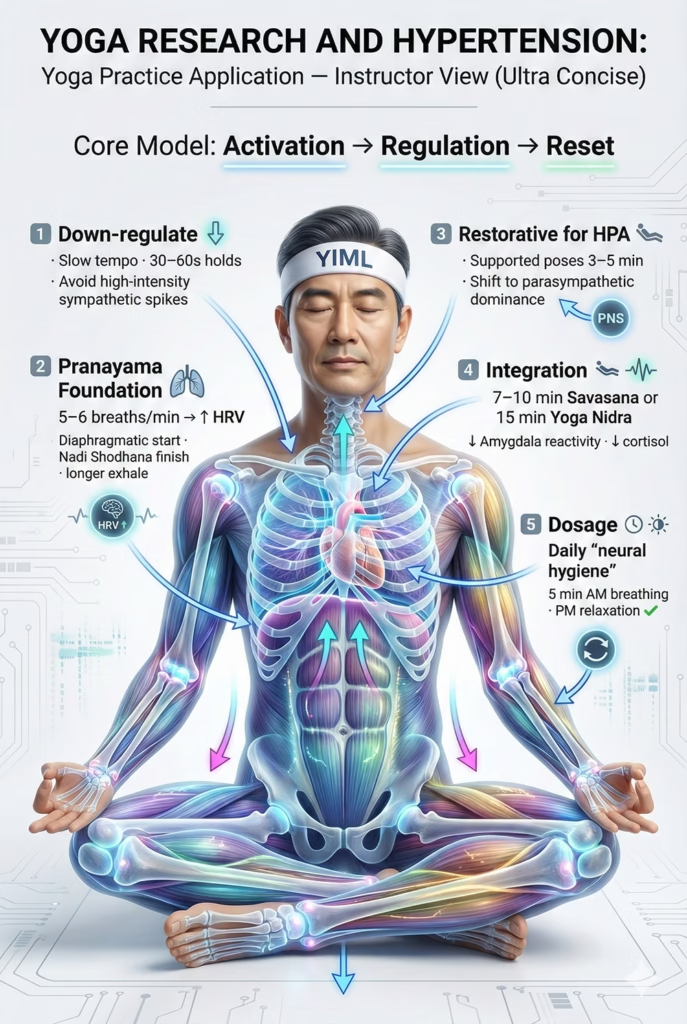
3. Restorative Poses for HPA Axis:
- Supported postures (using bolsters) shift the body into parasympathetic dominance.
- Plan: Include 1–2 restorative poses (3–5 mins each), such as supported chest openers.
4. Savasana & Yoga Nidra:
- This is the neurological integration phase.
- Plan: Minimum 7–10 mins Savasana or 15 mins Yoga Nidra to lower amygdala activity and cortisol.
5. Dosage and Consistency:
- Efficacy comes from repetition.
- Advice: “Neural hygiene” is daily work. Encourage 5 minutes of breathing in the morning and relaxation before sleep.
While this meta-analysis confirms yoga’s measurable impact on blood pressure regulation, understanding the broader clinical picture of hypertension is essential for long-term management.
For a deeper integrative framework, explore our guide on the medical and yogic approach to hypertension, where we outline a comprehensive therapeutic roadmap from pathophysiology to practical application.
Part 6. Conclusion
This study provides aggregated evidence suggesting that Yoga may be an effective intervention for reducing blood pressure in pre-hypertensive and hypertensive individuals. The reductions are statistically and clinically significant, highlighting Yoga’s potential in reducing cardiovascular disease burden.
While further high-quality research is needed, current findings are robust enough to take Yoga seriously as a medical intervention. The work of Geiger et al. demonstrates that the path to controlling blood pressure lies not only in medication but also in the breath and stillness we cultivate within ourselves.
References
- Smith, S. M., & Vale, W. W. (2006). The role of the hypothalamic-pituitary-adrenal axis in neuroendocrine responses to stress. Dialogues in Clinical Neuroscience, 8(4), 383–395.
- Lighthall, S., et al. (2009). The effects of acute stress on subsequent decision-making. PLoS ONE, 4(7), e6420.
- Geiger, C., Cramer, H., Anheyer, D., Dobos, G., & Kahlon-Heckl, W. (2024). A systematic review and meta-analysis of yoga for arterial hypertension. PLoS ONE, 19(5), e0303268.
![The Biomechanical Demands of Standing Yoga Poses in Seniors [RESEARCH DECODED]](https://yogaismylife.vn/en/wp-content/uploads/2026/02/tu-the-chien-binh-cho-nguoi-cao-tuoi.webp)
![The Impact of Yoga on Pediatric Obesity [RESEARCH DECODED]](https://yogaismylife.vn/en/wp-content/uploads/2026/02/The-Impact-of-Yoga-on-Pediatric-Obesity.avif)