
Part 1. Introduction
In a world saturated with ceaseless information and stimuli, the capacity to focus attention and filter out distractions has become a critical cognitive skill for maintaining mental health. Stress and anxiety are not merely negative emotions; they can function as “attentional hijackers,” drawing the mind into ruminative loops or excessive concerns, thereby impairing functional efficiency in both work and daily life.
This phenomenon has led to a compelling hypothesis in cognitive neuroscience: Is there a bidirectional relationship between attentional control and stress levels? Specifically, could training the ability to suppress distractors—an executive function of the brain—serve as a fundamental mechanism to reduce stress and anxiety? Conversely, do stress-reduction interventions actually work by “enhancing” this cognitive filter?
Yoga, particularly Hatha Yoga (one of the most widely practiced forms), has long been regarded as an effective method for stress reduction and concentration enhancement. Its philosophy emphasizes returning attention to the body and breath—a sophisticated form of mental training. This poses an intriguing scientific question regarding mechanism: Does the known stress-reducing benefit of Yoga actually stem from improved distractor suppression? Or are they two distinct effects operating via different pathways?
Study Overview
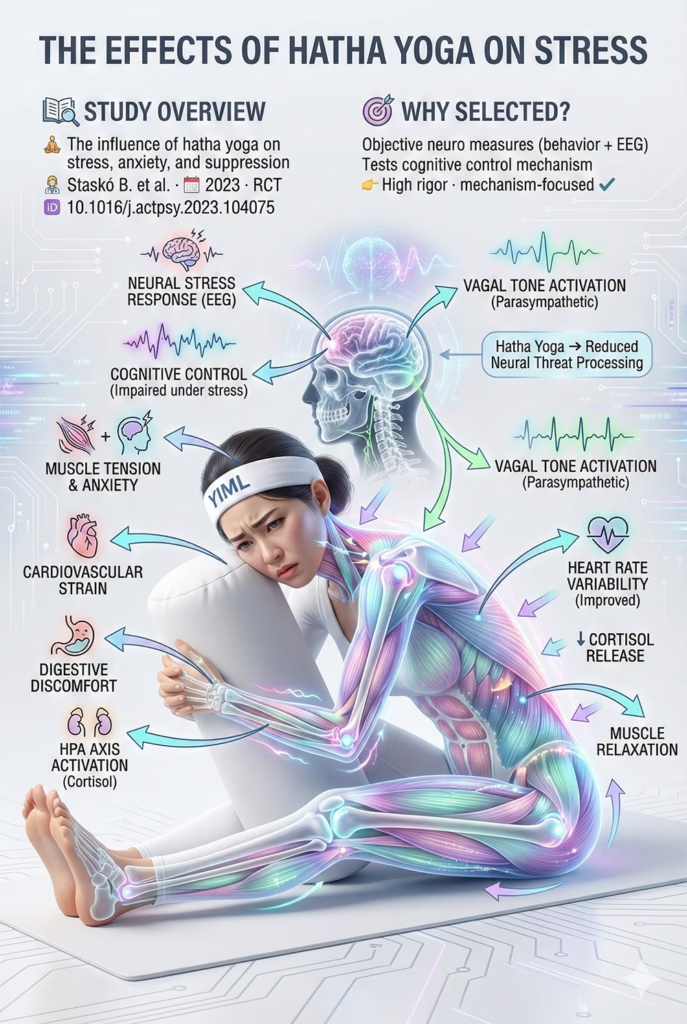
- English Title: The influence of hatha yoga on stress, anxiety, and suppression: A randomized controlled trial
- Authors: Bence Staskó, Rebecca Schmid, Ulrich Pomper, et al.
- Publication Year: 2023
- Source: https://pubmed.ncbi.nlm.nih.gov/37931334/
- DOI: 10.1016/j.actpsy.2023.104075
Rationale for Selection
The study by Staskó et al. is of high scientific caliber because it moves beyond standard psychological questionnaires. It ventures deeply into testing a specific, measurable cognitive mechanism. By utilizing objective measures from psychophysiology and neuroscience (behavioral tasks and electrophysiology) to assess distractor suppression, this research subjects the hypothesis that “Yoga works by improving cognitive control” to a rigorous examination. Regardless of whether the results are positive or negative, they provide a nuanced understanding of how mind-body interventions actually induce change.
Part 2. Objectives and Hypotheses
Primary Objectives
The study had a dual objective:
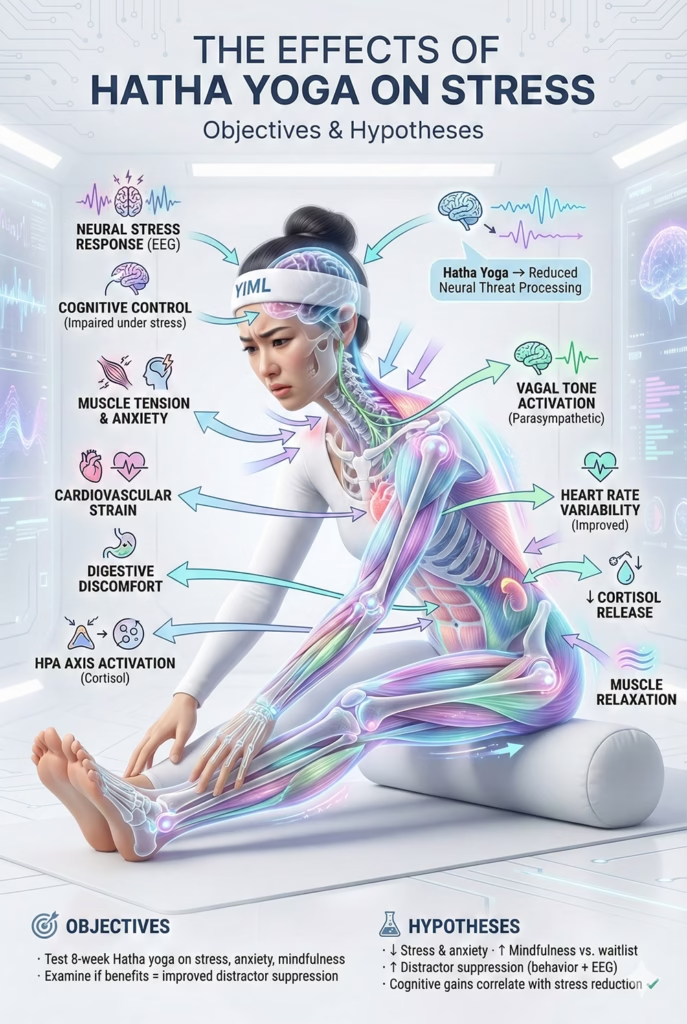
- To validate the efficacy of an 8-week Hatha yoga program in reducing stress, anxiety, and enhancing mindfulness in novices.
- To test a specific mechanistic hypothesis: To investigate whether these improvements in mental health can be explained by an improvement in distractor suppression.
Scientific Hypotheses
- Efficacy Hypothesis: Researchers hypothesized that, compared to a waitlist control group, the group participating in the 8-week Hatha yoga program would show a statistically significant reduction in self-reported stress and stress reactivity, and a statistically significant increase in mindfulness.
- Mechanistic Hypothesis: They further hypothesized that the Yoga group would demonstrate a statistically significant improvement in the ability to suppress distractors (measured by behavioral and electrophysiological indices), and that this cognitive improvement would correlate with the reduction in stress markers.
Part 3. Methodology
Study Design
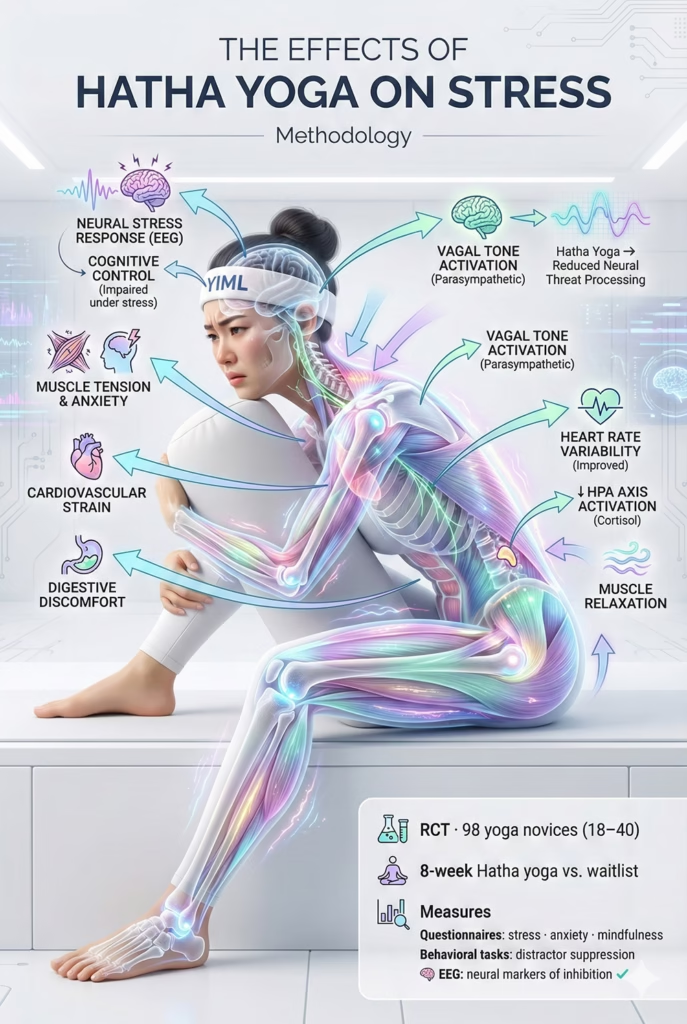
This was a Randomized Controlled Trial (RCT) with two parallel groups. A total of 116 participants were randomized. After pre-intervention attrition, 98 initiated the 8-week program.
Participants and Inclusion Criteria
- Subjects: 98 healthy adults, yoga novices (no prior experience), aged 18-40. Selecting novices ensured that any observed changes could be attributed to the program intervention.
Yoga Intervention
- Intervention Group: Participated in an 8-week Hatha Yoga program.
- Control Group: Received no intervention during the study period (waitlist).
Measures
1. Psychological Measures (Questionnaires):
- Self-reported stress levels and stress reactivity.
- Mindfulness levels.
- State and Trait Anxiety.
2. Cognitive and Electrophysiological Measures:
- Behavioral Measures: Tasks specifically designed to assess an individual’s ability to ignore irrelevant information (distractors) while performing a task.
- Electrophysiological Measures: Included Electroencephalography (EEG) to measure neural signals associated with the processing and inhibition of distractors.
Part 4. Results
4.1 Participant Characteristics
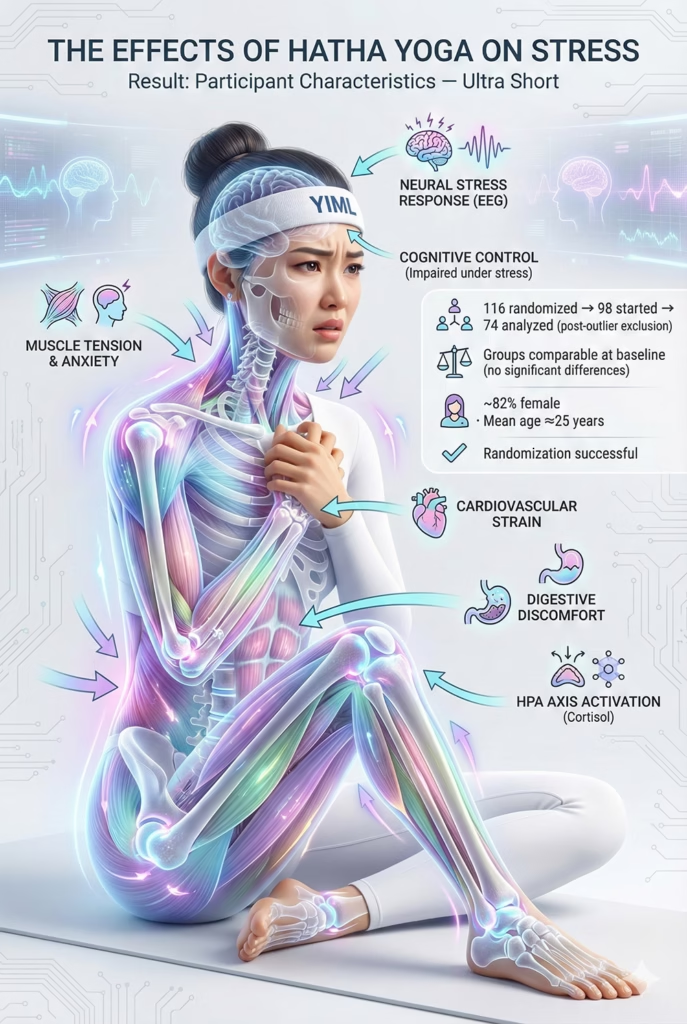
A total of 116 participants were randomized. After minor attrition prior to intervention onset, 98 individuals began the 8-week program. Questionnaire analyses were based on 74 participants (after standard outlier exclusion procedures).
Baseline characteristics were comparable between groups across age, gender distribution, BMI, physical activity, depression scores, somatic symptoms, and baseline stress levels (all p > .15). No meaningful pre-intervention differences were observed, suggesting successful randomization.
The sample was predominantly female (≈82%), with a mean age of approximately 25 years.
4.2 Psychological Outcomes
Perceived Stress (PSS)
The intervention group demonstrated a greater reduction in perceived stress compared to controls.
- Mean reduction difference: 2.40 points
- t(70) = 1.87, p = .033
- Effect size: d = 0.44 (small-to-moderate)
Although the interaction effect did not reach conventional statistical significance (p = .070), planned group comparisons indicated a significant reduction in perceived stress in the intervention group (p = .033).
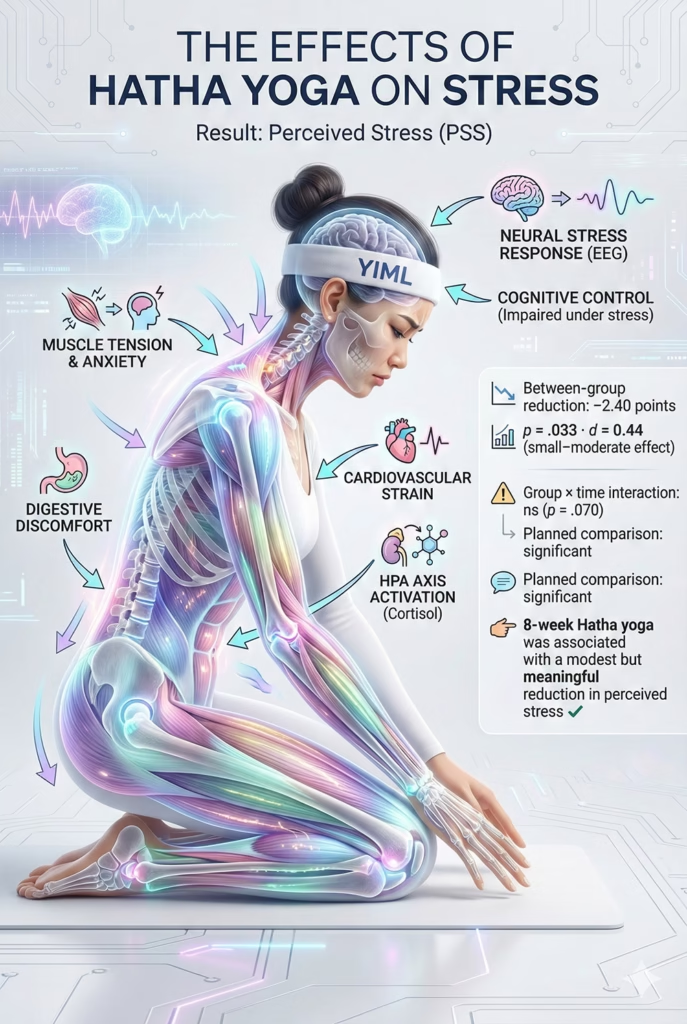
Interpretation: Hatha yoga produced a modest but meaningful reduction in subjective stress levels.
Stress Reactivity (PSRS)
Results were stronger for stress reactivity:
- Significant interaction effect: F(1,72) = 5.42, p = .023
- Mean group difference: 2.51 points
- Effect size: d = 0.54 (moderate)
This suggests the intervention did not merely reduce perceived stress, but altered participants’ responsiveness to stressors.
Interpretation: Yoga may influence how stress is processed, not only how it is reported.

Anxiety (State & Trait)
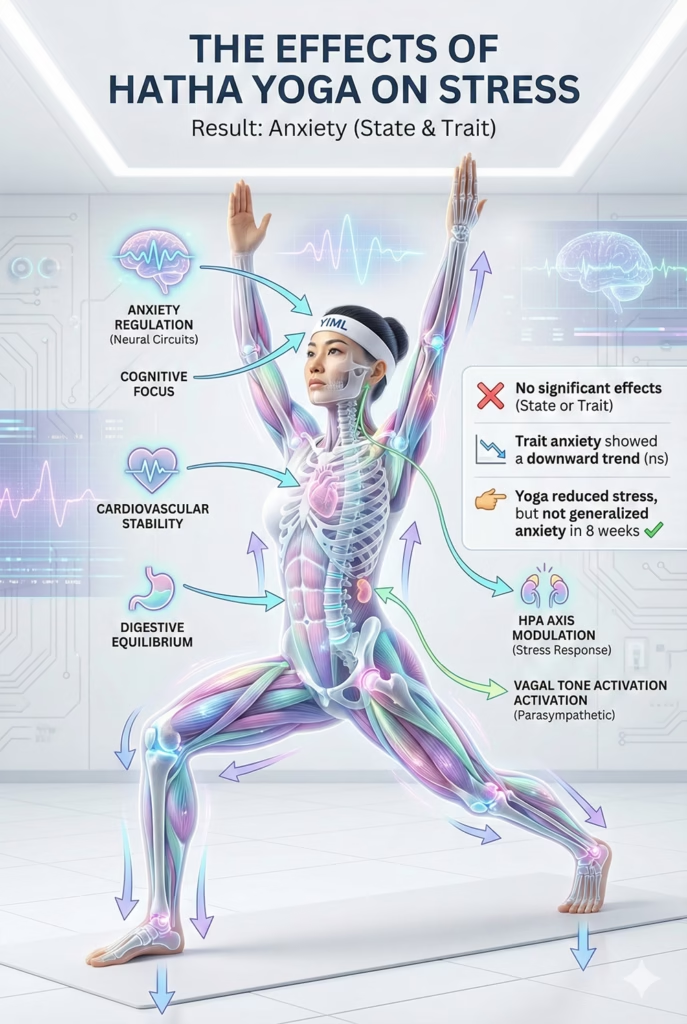
No statistically significant intervention effects were observed for:
- State anxiety (STAI-ST)
- Trait anxiety (STAI-TR)
While trait anxiety showed a downward trend in the intervention group, effects did not reach statistical significance.
Interpretation: The 8-week intervention reduced stress metrics but did not significantly alter generalized anxiety levels.
Trait Mindfulness
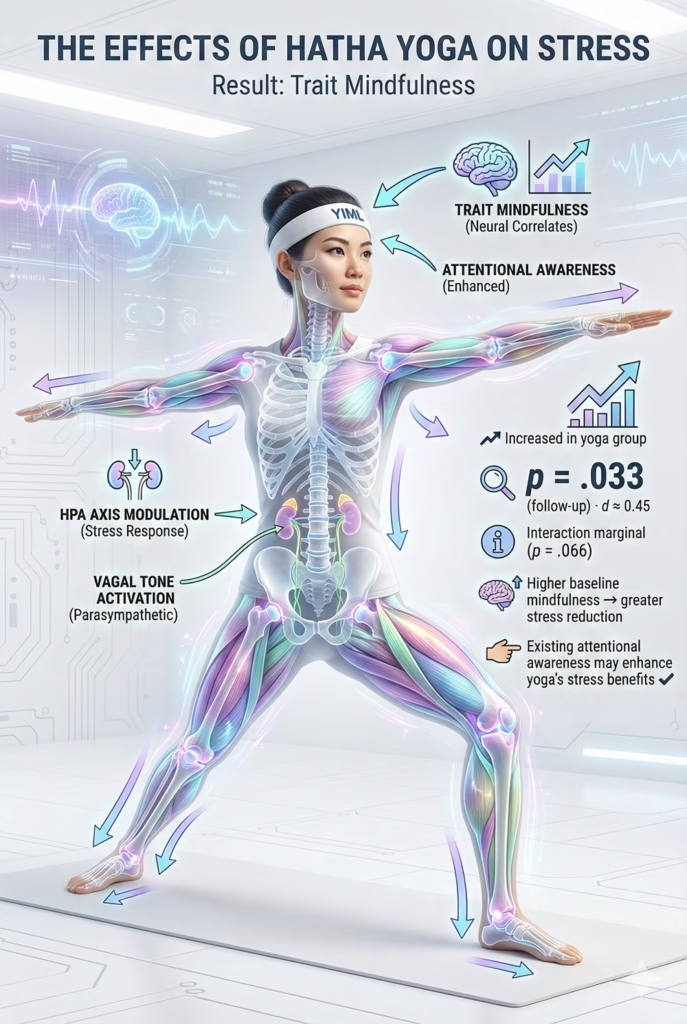
Trait mindfulness increased in the intervention group:
- Marginal interaction: p = .066
- Follow-up comparison significant: p = .033
- Effect size: d ≈ 0.45
Interestingly, baseline mindfulness moderated stress reduction:
Participants with higher initial mindfulness exhibited stronger stress reductions following yoga.
Interpretation: Preexisting attentional awareness may amplify the stress-reducing effects of yoga.
4.3 Behavioral & Neurophysiological Outcomes
Suppression Task (False Alarm Rates)
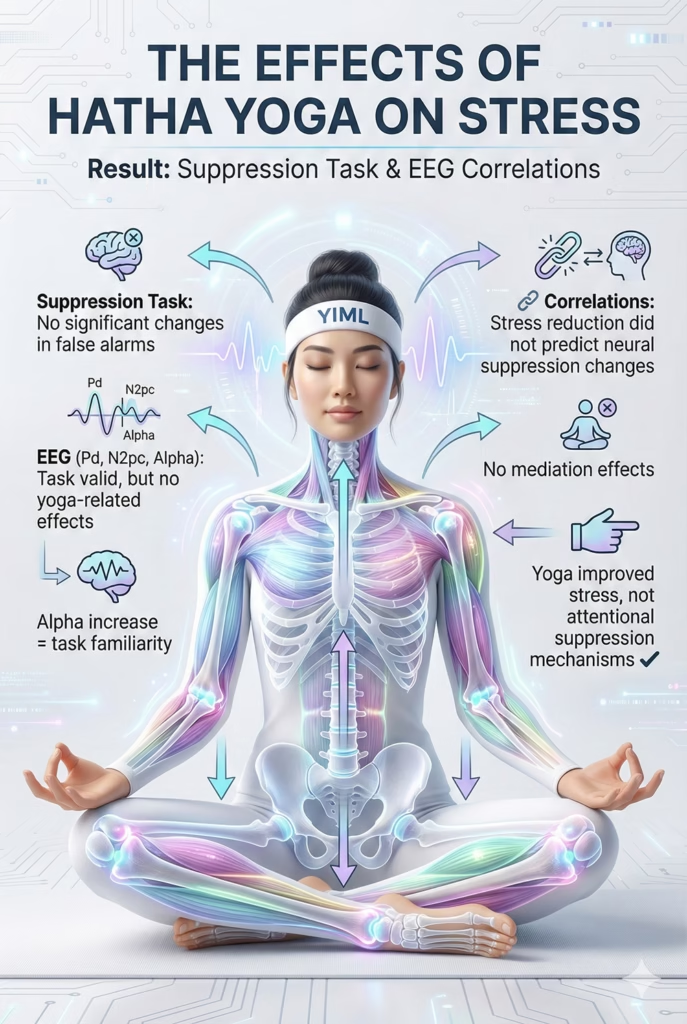
No significant intervention effects were observed in attentional suppression performance.
False alarm rates did not differ significantly between groups post-intervention.
EEG Measures (Pd & N2pc Components)
Event-related potentials (Pd and N2pc) were present as expected, confirming task validity.
However:
- No significant group × time interaction effects
- No intervention-related changes in attentional suppression markers
- No changes in alpha power specific to the intervention
Observed increases in alpha activity reflected task familiarity rather than yoga effects.
Correlational & Mediation Analyses
Changes in stress and anxiety scores did not significantly predict changes in electrophysiological suppression measures.
Regression analyses indicated no mediating role of stress reduction on neural suppression markers.
Overall Interpretation
The 8-week Hatha yoga intervention produced:
- ✔ Small-to-moderate reductions in perceived stress
- ✔ Moderate reductions in stress reactivity
- ✔ Increased trait mindfulness
- ✖ No significant changes in anxiety
- ✖ No measurable effects on neural attentional suppression
The findings suggest that yoga primarily influenced subjective stress processing and self-regulatory awareness rather than early attentional neural mechanisms.
While this trial clarifies how yoga influences subjective stress regulation, a more clinically pressing question remains: Can these effects extend to hypertension? To examine that possibility, we turn to aggregated evidence evaluating yoga’s impact on blood pressure and hypertensive outcomes.
Part 5. Discussion
The combination of clear “positive” and “negative” findings in this study generates a deep scientific discussion. It refines our understanding by excluding a mechanistic hypothesis.
Mechanism Explanation: Why the “Dissociation” Between Stress and Cognitive Control?
Why did 8 weeks of Hatha Yoga significantly reduce perceived stress and increase mindfulness without affecting the fundamental cognitive ability to suppress distractors or changing anxiety levels? The answer lies in the distinction between “top-down” and “bottom-up” neural regulation.
1. Yoga operates via a “bottom-up” mechanism. The findings are consistent with the possibility that short-term stress reduction may be mediated primarily through bottom-up physiological regulation rather than top-down executive enhancement.
Autonomic Nervous System (ANS) Regulation: Techniques such as slow, deep breathing (Pranayama) and holding static postures directly impact the ANS. They activate the parasympathetic nervous system (“rest and digest”), reducing physiological stress markers like heart rate, blood pressure, and cortisol levels. When physiological arousal is reduced, the brain may interpret this as a signal of safety, reducing the subjective feeling of stress.
- Enhanced Interoception: Hatha Yoga, with its deliberate pace, encourages attention to subtle internal bodily sensations. This practice enhances interoception, helping individuals recognize signs of tension earlier (e.g., muscle tightening, shallow breathing) and proactively adjust. This is a form of emotion regulation rooted in the body.
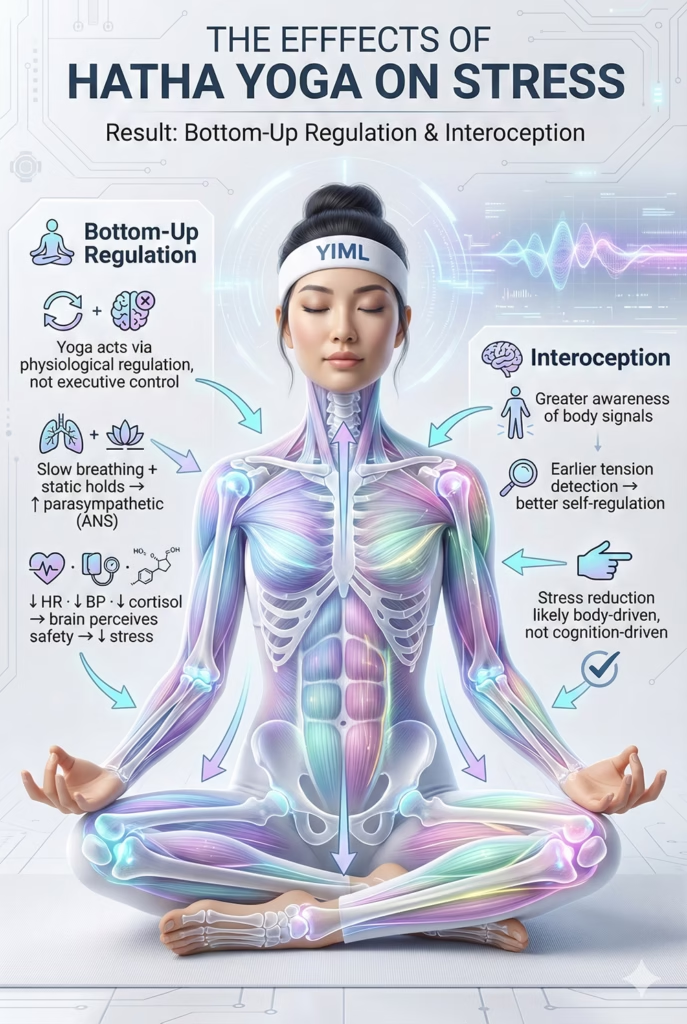
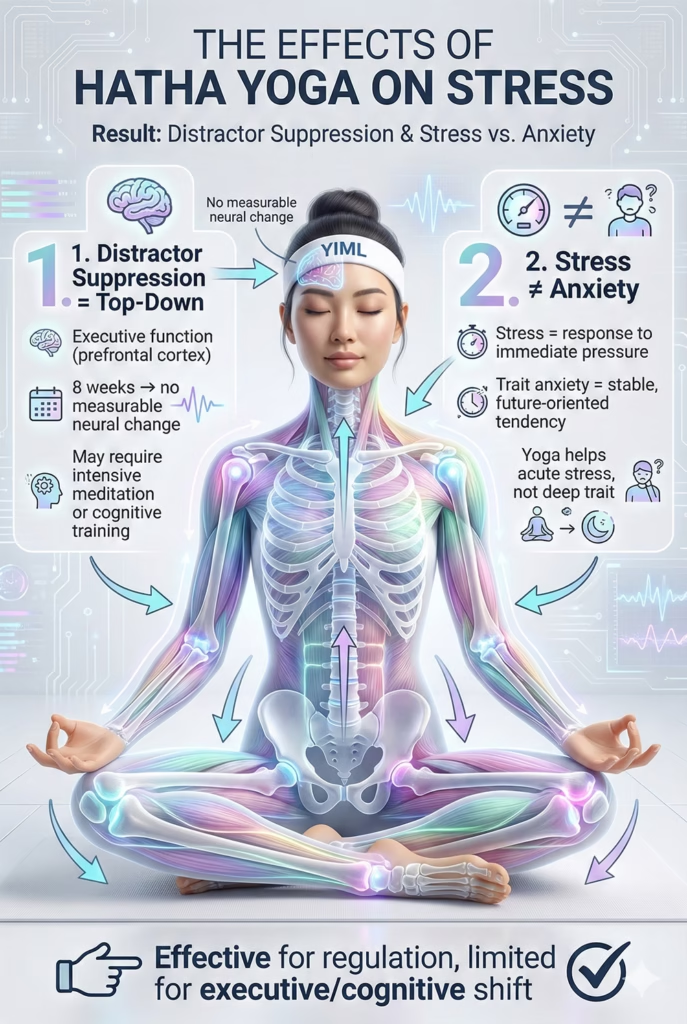
2. Distractor Suppression is a “Top-Down” Function The ability to filter out distractors is a higher-order executive function controlled primarily by the prefrontal cortex. It is a cognitive process requiring conscious effort and control.
- The study’s null result indicates that 8 weeks may be insufficient to produce measurable changes in the specific electrophysiological markers assessed in this study.. It is possible that more intensive forms of concentration meditation or specialized cognitive interventions are required to impact this function.
3. The Distinction Between Stress and Anxiety The finding that Yoga reduced stress but not anxiety is subtle.
- Stress is typically a response to external, immediate pressures.
- Anxiety (especially Trait Anxiety) is an intrinsic predisposition—a persistent worry often oriented toward the future.
- Hatha Yoga, with its focus on the present moment and physiological regulation, is highly effective for alleviating immediate stress responses. However, shifting a deep-seated personality trait like anxiety may require a longer intervention duration or more cognitively-focused techniques.
Study Limitations
- Lack of Active Control: The control group was a waitlist. A stronger design would include an active control (e.g., a stretching or walking group) to isolate whether the benefits are unique to Yoga or simply due to physical activity.
- Short Duration: 8 weeks may be sufficient for initial stress reduction but too short for sustainable cognitive changes or shifting trait anxiety.
- Reliance on Subjective Measures: While supported by objective cognitive tests, the primary positive outcomes (stress/mindfulness) relied on self-reports, which can be influenced by placebo/expectancy effects.
Medical Application (Doctor’s Perspective)
This study provides precise guidance for clinical application.
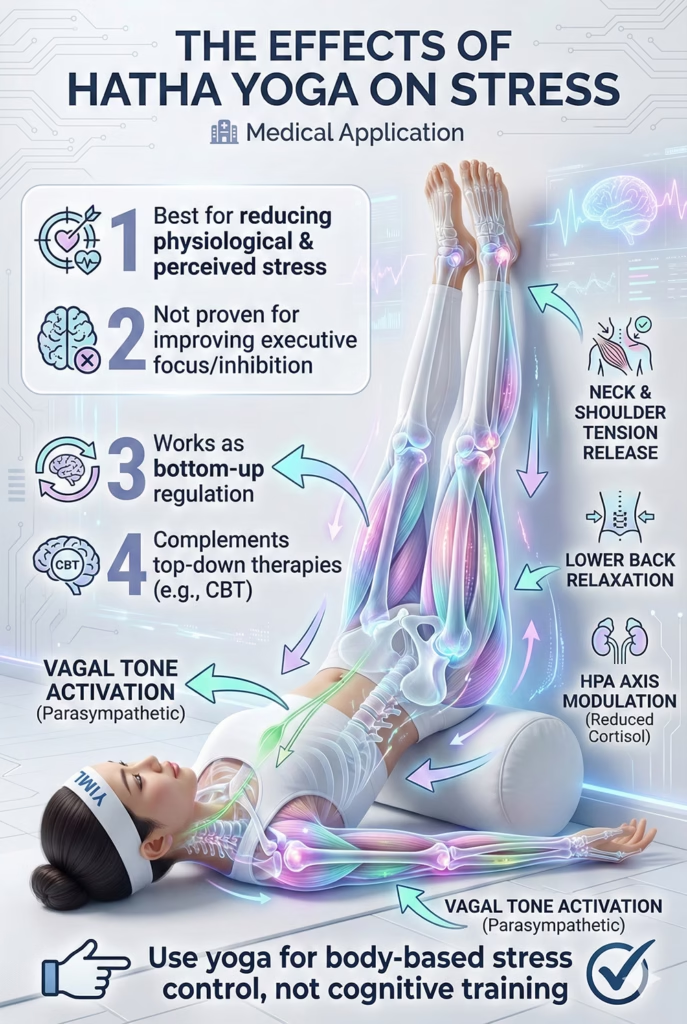
- Right Tool for the Right Job: If the primary goal is reducing physiological stress responses and perceived stress, Hatha Yoga represents an evidence-informed and potentially effective option. However, if the goal is to improve higher-order cognitive functions like focus or distractor inhibition, other interventions (such as cognitive training) may be more appropriate.
- Basis for Integrative Care: Physicians and psychologists can confidently recommend Hatha Yoga as a “bottom-up” intervention to regulate the body and sensations, complementing “top-down” therapies like Cognitive Behavioral Therapy (CBT).
Yoga Practice Application (Instructor’s Perspective)
These results provide strong validation for the core philosophy of Hatha Yoga.
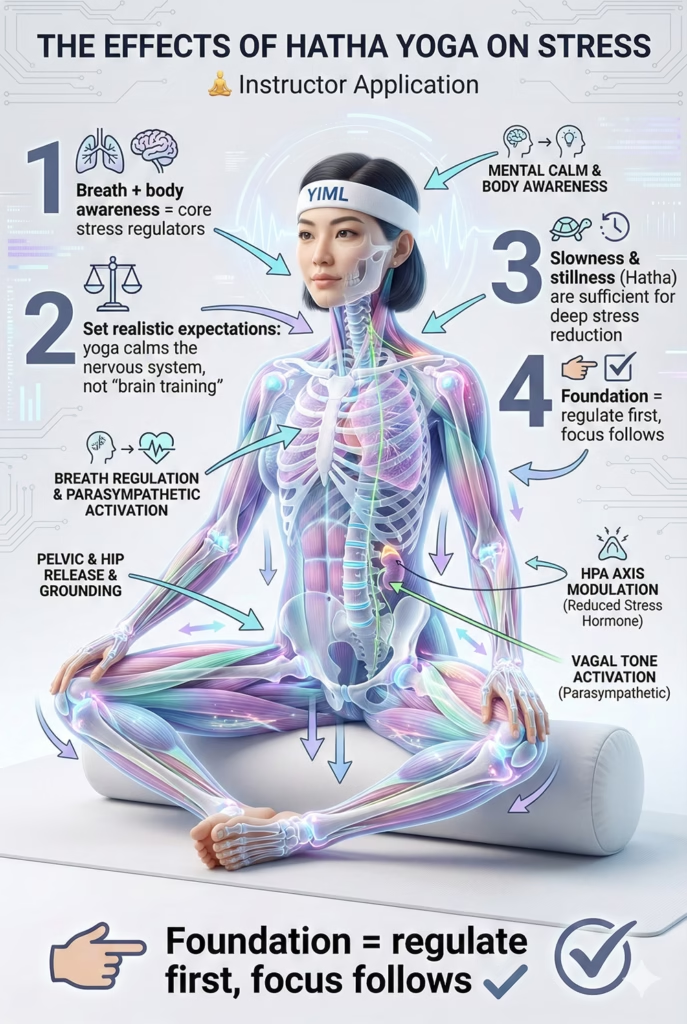
- The Power of Breath and Body Awareness: The study underscores that the efficacy of Hatha Yoga in stress reduction lies in the fundamentals: slow breathing and attention to bodily sensations. These are powerful regulators of the nervous system.
- Managing Expectations: Instructors should avoid making exaggerated claims that Yoga “boosts brain power” or “improves focus” in the sense of cognitive training. Instead, the evidence-based approach is to state: “Yoga helps create a calm and balanced state within the nervous system; from that stable foundation, your ability to focus may naturally improve.”
- Hatha Yoga as the Foundation: The use of Hatha Yoga in the study shows that one does not need to practice overly strenuous styles to achieve profound stress-reduction benefits. Slowness, stillness, and time for sensing create the ideal conditions for nervous system regulation.
Rather than viewing stress purely as a cognitive issue, this evidence points toward a neurophysiological imbalance requiring systemic regulation. A clinical roadmap integrating medical and yogic frameworks is outlined in: Decoding Stress Through Medical & Yogic Lenses: A Roadmap to Nervous System Rebalancing.
Part 6. Conclusion
The study by Staskó et al. provides a profound and nuanced insight into the mechanisms underlying Yoga practice. Its primary conclusions are twofold:
First, It provides empirical support that an 8-week Hatha Yoga program is an effective intervention, significantly reducing self-reported stress levels and stress reactivity while enhancing mindfulness in novices.
Second, and perhaps more importantly, it presents an important null finding these mental health benefits cannot be attributed to improvements in cognitive distractor suppression.
This final conclusion does not diminish the value of Yoga; rather, it refines our scientific understanding. It strongly suggests that the stress-reducing benefits of Hatha Yoga do not stem from a “top-down” cognitive training pathway, but rather from a “bottom-up” neurophysiological regulation pathway—mediated through breath and body awareness. Yoga appears to promote well-being not primarily through executive cognitive enhancement, but through neurophysiological regulation mediated by breath and interoceptive awareness.
References
- Staskó, B., Schmid, R., Pomper, U., et al. (2023). The influence of hatha yoga on stress, anxiety, and suppression: A randomized controlled trial. Acta Psychologica, 241, 104075.
- Riley, K. E., & Park, C. L. (2015). How does yoga reduce stress? A systematic review of mechanisms of change and guide to future inquiry. Health Psychology Review, 9(3), 379-396.
- Gothe, N. P., Khan, I., Hayes, J., Erlenbach, E., & Damoiseaux, J. S. (2019). Yoga effects on brain health: A systematic review of the current literature. Brain Plasticity, 5(1), 105-122.
![The Biomechanical Demands of Standing Yoga Poses in Seniors [RESEARCH DECODED]](https://yogaismylife.vn/en/wp-content/uploads/2026/02/tu-the-chien-binh-cho-nguoi-cao-tuoi.webp)
![The Impact of Yoga on Pediatric Obesity [RESEARCH DECODED]](https://yogaismylife.vn/en/wp-content/uploads/2026/02/The-Impact-of-Yoga-on-Pediatric-Obesity.avif)