Part I: Understanding the Pathology from Dual Perspectives
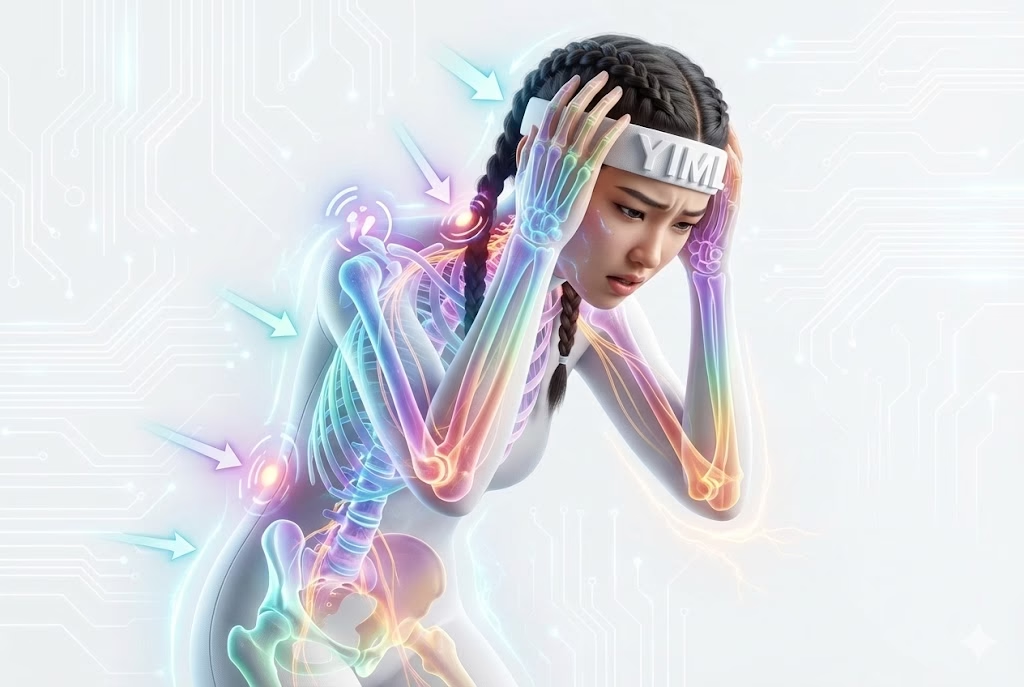
Headaches and insomnia form a debilitating vicious cycle: pain precludes sleep, and sleep deprivation exacerbates pain. Yoga offers a holistic intervention to break this loop by addressing the root causes: somatic tension and nervous system dysregulation.
Overview: The Headache-Insomnia Cycle
The Modern Medical Perspective This condition is defined by a bidirectional relationship where pain acts as the primary barrier to sleep onset or maintenance:
- Pain-Induced Hyperarousal: Physical discomfort activates the sympathetic nervous system (“fight-or-flight”), keeping the brain in a state of hyperarousal that prevents relaxation.
- Sleep-Deprivation Hypersensitivity: Lack of sleep impairs the brain’s pain-modulating systems, lowering the pain threshold and increasing central sensitization.
This hyperarousal pattern mirrors the broader stress–nervous system imbalance seen in chronic conditions. A deeper exploration of how yoga restores autonomic equilibrium can be found in Decoding Stress Through Medical & Yogic Lenses: A Roadmap to Nervous System Rebalancing, which explains how sympathetic dominance sustains both pain and sleep disruption.

Common Types & Symptoms
- Tension-Type: The most common variety. Manifests as a “tight band” around the head, linked to muscular trigger points in the neck and shoulders.
- Migraine: A complex neurovascular disorder characterized by severe, throbbing pain, often accompanied by nausea and sensory sensitivity.
- Cluster Headaches: Intense, cyclical pain linked to the hypothalamus (biological clock), often waking patients at specific times.
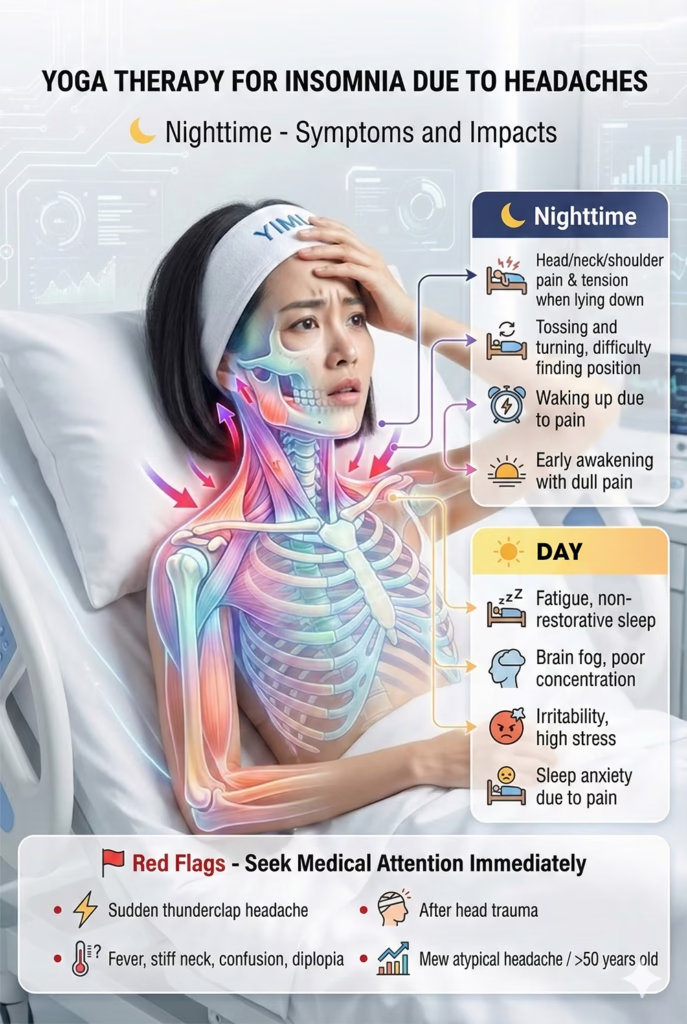
- Symptom Profile: Patients experience nocturnal tossing and turning due to pressure/pain, followed by daytime “brain fog,” fatigue, and irritability.
Red Flags (Seek Immediate Medical Care): Sudden “thunderclap” pain; fever with stiff neck; post-trauma onset; or neurological changes (vision loss, confusion).
Etiology & Risk Factors: The Medical View
Modern medicine attributes this cycle to a convergence of mechanical, biochemical, and psychological stressors.
1. Cervicogenic Tension (Physical Stress)
- “Tech Neck”: Chronic forward-head posture places immense load on the trapezius and suboccipital muscles, compressing nerves and triggering tension headaches.
- Bruxism: Nocturnal teeth grinding due to stress overworks the jaw muscles, leading to morning headaches.
Biomechanical stress patterns in the cervical region are also observed in broader posture-related research, particularly in aging populations where load tolerance decreases over time.
2. Biochemical Factors
- HPA Axis Hyperactivity: Chronic stress elevates Cortisol levels in the evening. This not only prevents sleep onset but also increases systemic inflammation, making pain feel more intense.
- Neurotransmitter Imbalance: Dysregulation of serotonin and melatonin disrupts both pain modulation (migraines) and sleep architecture.
Evidence from clinical trials examining Hatha Yoga and stress physiology further supports this mechanism, particularly in relation to emotional regulation and autonomic balance (see our review on the effects of Hatha Yoga on stress and anxiety).

3. Lifestyle Triggers
- Dehydration, digital eye strain, and dietary triggers (caffeine, skipped meals, processed foods).
Etiology: The Yogic & Ayurvedic View
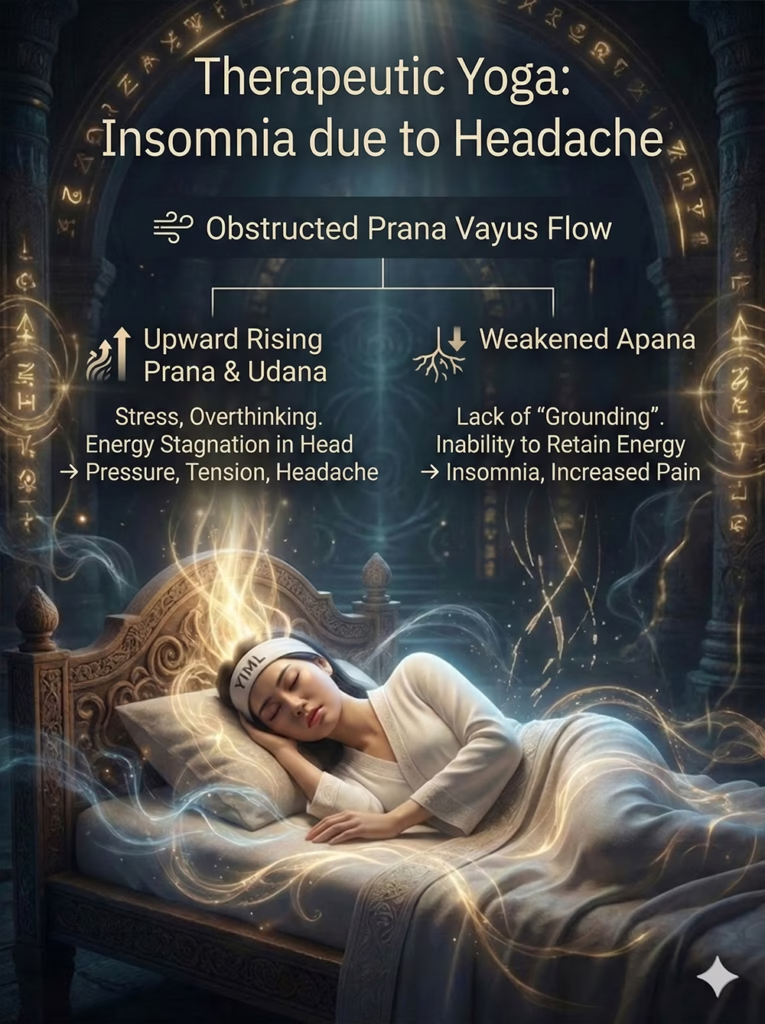
Yoga views this condition as Prana (Vital Energy) becoming trapped in the cranial region due to the upward surge of agitated energy.
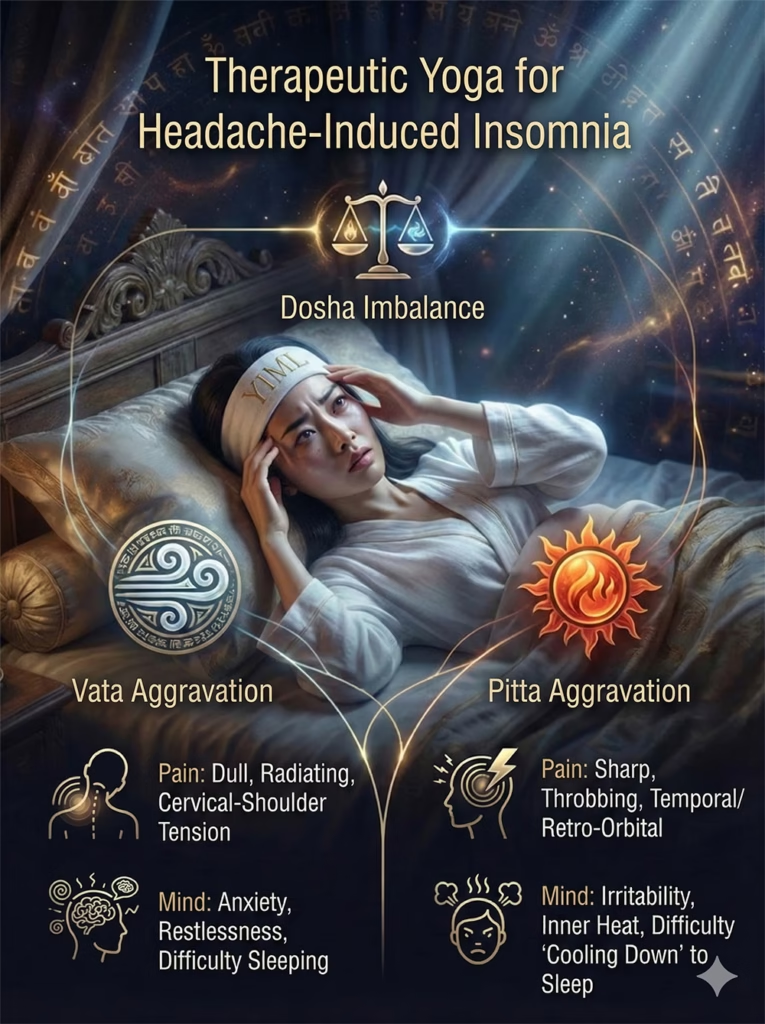
1. Dosha Imbalance
- Aggravated Vata (Air & Space):
- The Pain: Dull, shifting aches with stiffness.
- The Mind: Anxiety and racing thoughts (“Monkey Mind”) that prevent sleep onset.
- Aggravated Pitta (Fire & Water):
- The Pain: Sharp, throbbing, migraine-like pain (indicative of inflammation/heat).
- The Mind: Irritability and intensity, preventing the mind from “cooling down.”
2. Pranic Disruption (The Energetic Root)
- Excess Udana & Prana Vayu: The upward-moving energies become chaotic and “stuck” in the head due to overthinking and stress.
- Weak Apana Vayu: The downward, grounding energy is insufficient to anchor the mind, allowing energy to surge upward uncontrollably.
3. Chakra Stagnation
- Ajna Chakra (Third Eye): Becomes congested by mental over-analysis, manifesting as frontal headaches and eye strain.
- Sahasrara Chakra (Crown): Blockage here reflects an inability to “surrender” thoughts, which is essential for deep sleep.

Part II: The Therapeutic Approach of Yoga for Headache-Induced Insomnia
Therapeutic Goals Yoga Therapy employs a dual-strategy approach: physically decompressing the cervical region to alleviate pain and regulating the autonomic nervous system to induce sleep. These goals are robustly supported by modern neuroscience.
1. Release Cervicogenic Tension (Mechanical Decompression)
- The Goal: To target the mechanical root of tension headaches by releasing chronic rigidity in the upper trapezius and suboccipital muscles.
- Mechanism: Gentle traction and stretching of the suboccipital region (base of the skull) decompress cranial nerves and reduce myofascial trigger points that refer pain to the head.
- Evidence: Effects of Yoga for Chronic Nonspecific Neck Pain: A Systematic Review and Meta-Analysis of Randomized Controlled Trials (DOI: 10.1097/MD.0000000000014649)
2. Nervous System Regulation & Pain Modulation
- The Goal: To shift the autonomic nervous system from a sympathetic “fight-or-flight” state (pain/stress) to a parasympathetic “rest-and-digest” state.
- Mechanism: Restorative postures and slow breathing stimulate the Vagus Nerve. This lowers cortisol (stress hormone) levels and triggers the release of endorphins (natural painkillers), effectively raising the pain threshold and desensitizing the central nervous system.
- Evidence: The Effect of Diaphragmatic Breathing on Attention, Negative Affect and Stress in Healthy Adults (DOI: 10.3389/fpsyg.2017.00874)

3. Enhance Cerebral Hemodynamics (Blood Flow)
- The Goal: To optimize oxygen and blood delivery to the brain.
- Mechanism: Releasing neck stiffness removes physical compression on the vertebral and carotid arteries. Combined with relaxation-induced vasodilation, this restores natural blood flow, alleviating “hypoxic” pain and mental fog.
- Evidence: Efficacy of Ruesi Dadton and Yoga Exercise Compared with Stretching Exercise on Reducing Neck and Shoulder Pain in Office Workers (DOI: 10.70252/LQAG7231)
4. Cognitive Reframing (Neuroplasticity)
- The Goal: To break the anxiety loop (“fear of pain” causing “fear of sleep”).
- Mechanism: Mindfulness practices leverage neuroplasticity to decouple the physical sensation (pain) from the emotional reaction (suffering/anxiety). By training the mind to “observe” rather than “react,” the neural pathways associated with chronic pain and sleep anxiety are gradually rewired and weakened.
- Evidence: Influence of yoga therapy on the treatment efficacy of migraine attack: A meta-analysis (DOI: 10.1016/j.jocn.2022.01.018)

Golden Rules & Absolute Contraindications
CRITICAL WARNING: During a headache episode, your nervous system is in a state of hypersensitivity. A single misaligned movement can trigger a severe flare-up. The principle of Ahimsa (Non-harming) must be the absolute priority.
The Golden Rules of Practice
1. Respect the Pain Signal
- The Rule: Stop immediately if you feel any increase in pressure, throbbing, or sharp pain in the head, eyes, or sinuses.
- The Why: Pushing through pain triggers protective muscle guarding and heightens central sensitization. If pain arises, exit the pose gently.
2. “Neck-Free” Movement
- The Rule: Initiate all movement from the thoracic spine (mid-back) or hips, allowing the neck to follow naturally.
- The Why: Keep the cervical spine neutral. Never aggressively extend the head back or force the chin to the chest, as this strains the already sensitive suboccipital muscles.

3. Sensory Deprivation (Darkness & Silence)
- The Rule: Practice in a dim, quiet room is mandatory.
- The Why: During a headache, the brain loses its ability to filter stimuli. Photophobia (light sensitivity) and Phonophobia (sound sensitivity) occur because the brain’s sensory “gates” are wide open. A quiet environment allows the overloaded nervous system to down-regulate.
4. Breath is the Primary Medicine
- The Rule: Prioritize slow, rhythmic breathing with a focus on extending the exhalation.
- The Why: Long exhalations directly stimulate the Vagus Nerve, activating the Parasympathetic Nervous System (“Rest & Digest”). This lowers stress hormones and signals safety to the tensed muscles.
5. Support the Head (The 5kg Rule)
- The Rule: Always use props (blocks, bolsters) to support the head in forward folds or restorative poses.
- The Why: The average head weighs ~5kg. When neck muscles are in spasm, holding this weight is exhausting. Supporting the head allows these muscles to fully disengage, which is the only way deep relaxation and healing can occur.
Absolute Contraindications (What to Avoid)
For safety, individuals with Headache-Induced Insomnia must AVOID or significantly modify the following:
1. Asana (Postures)
Strong Inversions (Sirsasana, Sarvangasana, Halasana)
- Scientific Rationale: These poses cause a sudden spike in intracranial and intraocular pressure. For a sensitized brain, this pressure surge can trigger immediate, severe rebound pain.
- (Note: Gentle, supported inversions like Viparita Karani are safe and beneficial).

Deep Unsupported Backbends (Wheel, Camel)
- Scientific Rationale: These are potent stimulants for the Sympathetic Nervous System (“Fight-or-Flight”). They increase heart rate and adrenaline release, which directly counteracts the relaxation necessary for sleep.
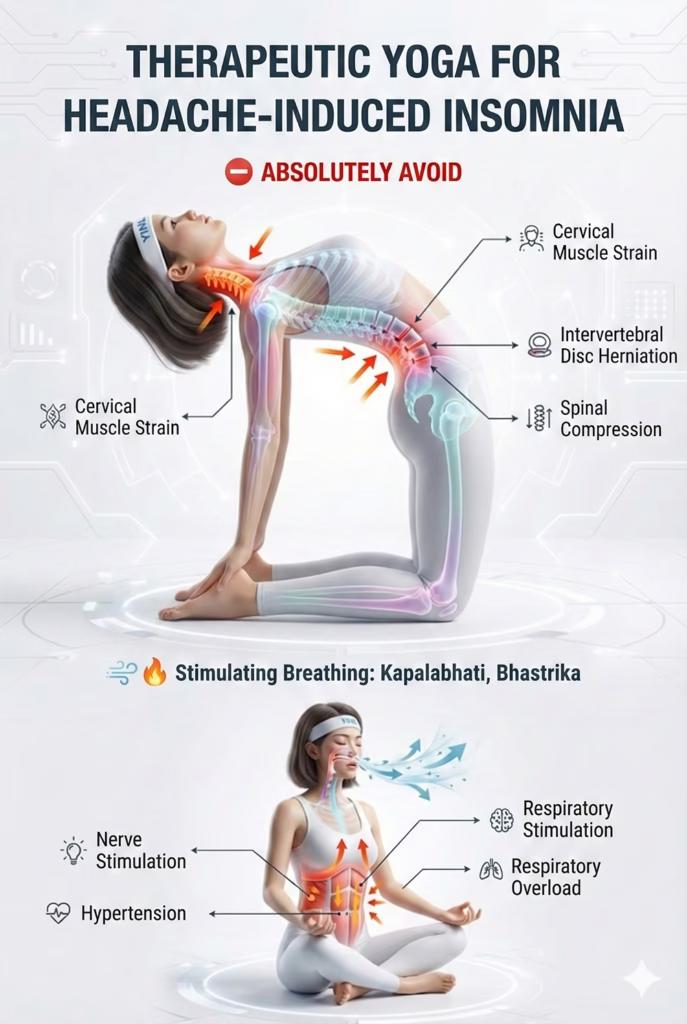
Stimulating Pranayama (Kapalabhati, Bhastrika)
- Scientific Rationale: Rapid, forceful breathing increases pressure in the cranial cavity and aggravates Pitta (Heat) and Vata (Wind) in the head, worsening the energetic imbalance causing the pain.
Unsupported Forward Folds (Dangling Head)
- Scientific Rationale: Allowing the head to hang without support forces the upper trapezius and neck muscles into eccentric contraction (working while lengthening) to fight gravity. This sustained tension is a primary trigger for tension headaches. Always rest the forehead on a prop.
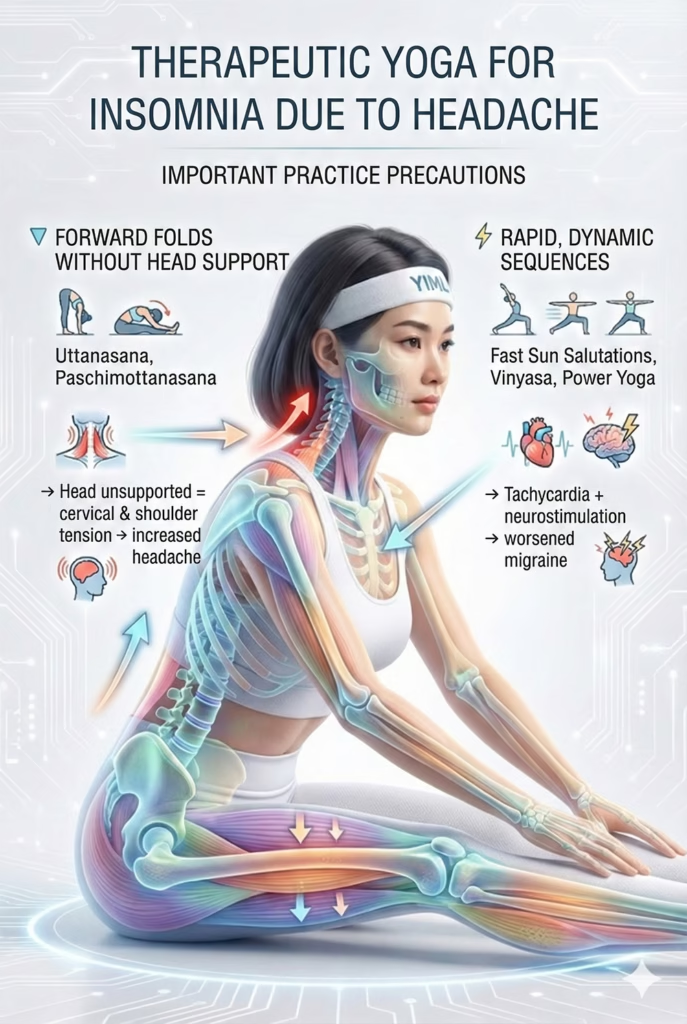
Dynamic Vinyasa or High-Intensity Movement
- Scientific Rationale: Fast movement increases heart rate and blood pressure. In migraines (vascular headaches), increased blood flow intensifies the throbbing sensation. The goal is to slow down, not speed up.
Part III: Detailed Therapeutic Yoga Toolkit for Headache-Induced Insomnia
Asana (Postures)
Reminder: The goal is to release tension and soothe the irritated nervous system. Move slower than you think necessary, use props generously, and never create pressure in the head or neck.
Module 1: Releasing Cervical & Shoulder Tension Target: To directly soften the upper trapezius, levator scapulae, and suboccipital muscles—the root of most tension headaches.
1. Gentle Seated Neck & Shoulder Rolls
- Technique: Sit comfortably. Slowly tilt the right ear to the right shoulder; hold for 3–5 breaths. Return to center and switch sides. Then, roll shoulders back and down 5 times, and forward 5 times. Movements must be microscopic and fluid.
- Instructor’s Cue: “Treat your neck like it’s made of glass. Move at 50% of your maximum range. Imagine moving through thick honey—slow, smooth, and deliberate. Don’t think about ‘stretching’; think about ‘melting’ tension with gravity.”
- Therapeutic Mechanism:
- Mechanical: Safely mobilizes the upper trapezius and levator scapulae without triggering protective spasms.
- Neurological: Slow, conscious movement signals safety to the brain, deactivating the stress response. Gentle neck traction stimulates the Vagus Nerve branches.
- Energetic: Unblocks stagnation in the Vishuddha Chakra (Throat Center).

- Safety Protocol:
- Red Light: Stop immediately if dizziness or nausea occurs.
- Eyes Closed: Reduces visual input to calm the nervous system further.
- No Hands: Do not pull on the head; let gravity do the work.
2. Gomukhasana Arms (Cow Face Arms)
- Technique: Seated tall. Reach the right arm up and bend the elbow to touch the upper back. Reach the left arm behind and up to clasp fingers (or use a strap). Hold 3–5 breaths. Switch sides.
- Instructor’s Cue: “Use the strap as a bridge—don’t force the grip. Focus on keeping the head neutral; do not let the top arm push the head forward. The sensation should be an opening in the chest and shoulders, not compression in the neck.”
- Therapeutic Mechanism:
- Mechanical: Creates a deep, reciprocal stretch for the rotator cuff (internal/external rotation), improving shoulder mobility and posture.
- Neurological: Demands high proprioception to prevent rib flaring, training the nervous system to remain calm under tension.
- Energetic: Unbinds the back of the Anahata Chakra (Heart Center), releasing carried burdens.
- Safety Protocol:
- Head Position: Keep the neck long and free. If the top arm pushes the head, loosen the strap.
- Rib Containment: Avoid flaring the ribs; keep the core gently engaged to isolate the shoulder stretch.

3. Parsva Balasana (Thread the Needle)
- Technique: From Table Top, inhale reach right arm up. Exhale, slide right arm under left, resting the right shoulder and temple on the floor (or a blanket). Hold 5–8 breaths. Switch sides.
- Instructor’s Cue: “Surrender the weight of your head completely to the floor. Don’t try to hold it up. Breathe into the space between your shoulder blades.”
- Therapeutic Mechanism:
- Mechanical: Provides a deep stretch for the posterior deltoid and rhomboids while gently rotating the thoracic spine to relieve upper back rigidity.
- Neurological: The supported, inverted nature induces a profound parasympathetic response.
- Energetic: “Wrings out” stagnation from the heart and lung meridians.
- Safety Protocol:
- Weight Distribution: Keep weight on the shoulder, not the head/neck.
- Prop Use: If the shoulder doesn’t reach the floor comfortably, place a folded blanket underneath for support.
- Hips Level: Keep hips square to ensure the twist occurs in the thoracic spine.
Module 2: Full Body Release & Mental Soothing Target: To release tension in the spine and hips, lowering overall physiological stress and inducing an inward focus (Pratyahara).
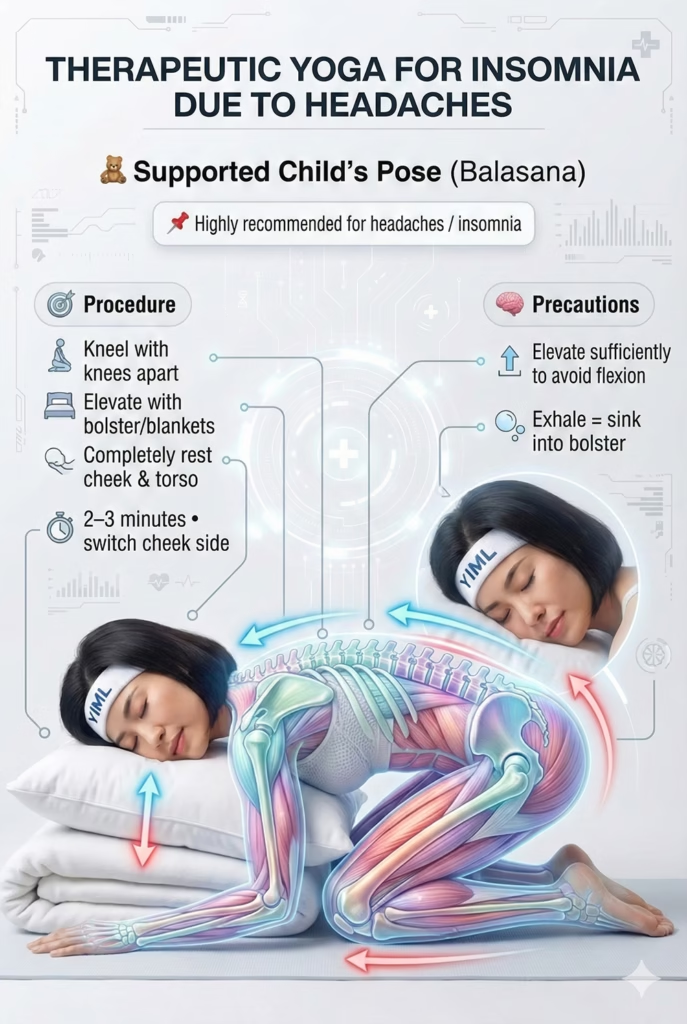
4. Supported Balasana (Child’s Pose)
- Technique: Kneel with knees wide. Place a bolster (or stack of blankets) between the thighs. Exhale and fold forward, resting the entire torso and one cheek on the bolster. Arms relax forward or back. Hold 2–3 minutes, then switch cheeks.
- Instructor’s Cue: “Let the bolster rise to meet you—don’t fold down to it. Stack props high enough so your neck is neutral. Surrender your weight completely; imagine the bolster absorbing your fatigue. Turn off the outside world.”
- Therapeutic Mechanism:
- Mechanical: Gently elongates the spine and decompresses the lower back while keeping the neck fully supported.
- Neurological: Deep tactile pressure on the abdomen and forehead stimulates the Parasympathetic Nervous System, signaling safety.
- Energetic: Grounds excess Vata and calms an overactive Ajna Chakra (Third Eye), pulling energy from the head down to the earth.
- Safety Protocol:
- Head Pressure: If you feel pressure in the head/sinuses, raise the hips or stack more props under the chest.
- Knee Comfort: Place a rolled blanket behind the knees or under the ankles if there is strain.
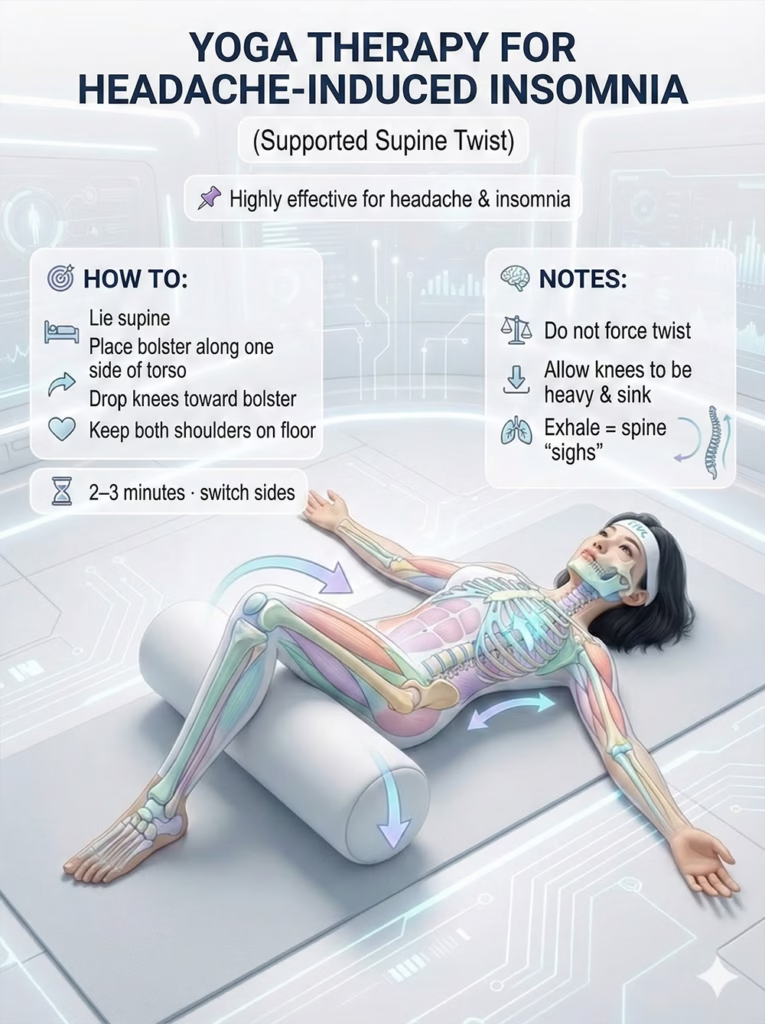
5. Supported Supine Twist
- Technique: Lie on your back. Place a bolster to your right. Exhale, drop both bent knees to the right onto the bolster. Keep the left shoulder grounded. Hold 2–3 minutes. Switch sides.
- Instructor’s Cue: “Think of this as ‘wringing out’ the day’s anxiety. Let the knees be heavy. Focus on the breath massaging the ribcage from the inside out. Release the spine to release the mind.”
- Therapeutic Mechanism:
- Mechanical: Releases tension in the Quadratus Lumborum (QL) and paraspinals without active muscle engagement.
- Neurological: Gentle rotation stimulates the Vagus Nerve and massages abdominal organs, enhancing the “rest and digest” response.
- Energetic: Balances Samana Vayu (digestive energy), helping to “digest” mental stress.
- Safety Protocol:
- Shoulder Anchor: Prioritize keeping the opposite shoulder down over getting knees to the floor. Use props to fill the gap.
- Neck Neutral: Keep the head center if turning it causes neck strain.
Module 3: Restorative Inversions & Decompression Target: To reduce intracranial pressure and induce deep systemic rest using gravity and support.
6. Viparita Karani (Legs-Up-the-Wall)
- Technique: Sit sideways against a wall with a folded blanket under the hips. Swing legs up the wall as you lie back. Rest arms by sides. Optional: Place an eye pillow over the eyes. Hold 5–15 minutes.
- Instructor’s Cue: “This is the ‘cooling’ switch for a hot, throbbing head. Visualize the stuck energy draining from your head down into the earth. Let the legs be heavy; don’t hold them up. Soften the jaw.”
- Therapeutic Mechanism:
- Mechanical: Passive inversion facilitates venous return and lymphatic drainage without cardiac strain.
- Neurological: Triggers the Baroreflex, naturally slowing heart rate and lowering blood pressure.
- Energetic: Highly effective for pacifying Pitta (heat) and stabilizing Vata (movement). Reverses the flow of Apana Vayu, grounding the nervous system.

- Safety Protocol:
- Head Pressure: If throbbing increases, exit immediately. Even mild inversions can be too much during a severe migraine.
- Exit Strategy: Roll to the side and rest in Fetal Pose for a few breaths before sitting up to prevent dizziness.
7. Supported Reclining Chest Opener (Supta Baddha Konasana / Fish Variant)
- Technique: Place a bolster lengthwise along the mat. Sit in front of it and lie back so the bolster supports the entire spine and head. Arms rest to the sides, palms up. Legs can be straight or in butterfly shape.
- Instructor’s Cue: “Anti-dote to ‘Tech Neck.’ Allow your shoulders to drape over the sides of the bolster like water. Un-hunch your posture to un-clench your mind. Breathe into the open heart space.”
- Therapeutic Mechanism:
- Mechanical: Passively stretches the pectorals and anterior deltoids, counteracting the kyphotic (hunched) posture that drives tension headaches.
- Neurological: Expands the ribcage for deeper diaphragmatic breathing, which is directly linked to relaxation.
- Energetic: Opens the Anahata Chakra, releasing emotional guarding and grief.

- Safety Protocol:
- Head Support: Ensure the head is fully supported on the bolster (or an extra blanket) so the chin is not poking up. The neck must be neutral.
- Lumbar Comfort: If the lower back pinches, slide hips further away from the bolster or bend the knees.
B. Pranayama (Breathwork)
Therapeutic Focus: To soothe the senses and reduce intracranial pressure. Crucial Rule: Absolutely NO breath retention (Kumbhaka) and NO forceful exhalations.
1. Bhramari Pranayama (Humming Bee Breath)
- Why it works: This is the gold standard for headaches. The gentle vibration of the hum acts as a sonic massage for the brain and sinuses, disrupting pain signal transmission (Gate Control Theory) and inducing immediate parasympathetic dominance.
- Technique: Sit comfortably. Close eyes. Inhale deeply. Exhale slowly while making a low-pitched, steady humming sound (“Mmmm”). Focus on the vibration resonating in the center of the head.
- Instructor’s Cue: “Create a lullaby for your brain. Focus on the quality of the vibration, not the volume. Let the sound dissolve the tension from the inside out. If sound aggravates your migraine, practice silently in your mind.”
- Safety Protocol:
- No Ear Plugging: Unlike the traditional version (Shanmukhi Mudra), keep hands relaxed on thighs to avoid creating head pressure.
- Jaw Release: Keep teeth slightly parted. A clenched jaw negates the benefits.

2. Supine Diaphragmatic Breathing
- Why it works: Pain triggers shallow, chest-based breathing, which fuels the stress response. Deep belly breathing is the fastest way to “hack” the Vagus Nerve, lowering heart rate and signaling safety to the brain.
- Technique: Lie supine with knees bent (supported). Place hands on the belly. Inhale through the nose, feeling the belly rise. Exhale through pursed lips (“Haaaa”), letting the belly fall.
- Instructor’s Cue: “Pain makes us freeze. Use the breath to melt the ice. Don’t force the inhale; just focus on a long, sighing exhale. Let the body soften into the floor with every breath out.”
- Safety Protocol:
- Zero Effort: Breathing should feel nourishing, not laborious. If it increases head pressure, return to natural breathing.
- Prop Support: Use a pillow under the head and a roll under the neck to ensure total cervical relaxation.
3. Nadi Shodhana (Alternate Nostril Breathing) – Flow Only
- Why it works: Harmonizes the left/right brain hemispheres and balances the autonomic nervous system. It gives the anxious “monkey mind” a soothing task, breaking the loop of pain-focused ruminating.
- Technique: Seated with back support. Gently close the right nostril, inhale left. Close left, exhale right. Inhale right, exhale left. Keep the flow continuous and silent.
- Instructor’s Cue: “Imagine you are threading a silk ribbon through your breath—smooth, silent, and seamless. No pausing. No forcing.”
- Safety Protocol:
- No Retention: Keep the breath moving like a wave. Holding the breath increases cranial pressure.
- Light Touch: Use minimal pressure on the nose to avoid facial tension.

C, Meditation & Deep Relaxation
Therapeutic Focus: To shift from “reacting” to pain to “observing” sensation, reducing suffering and anxiety.
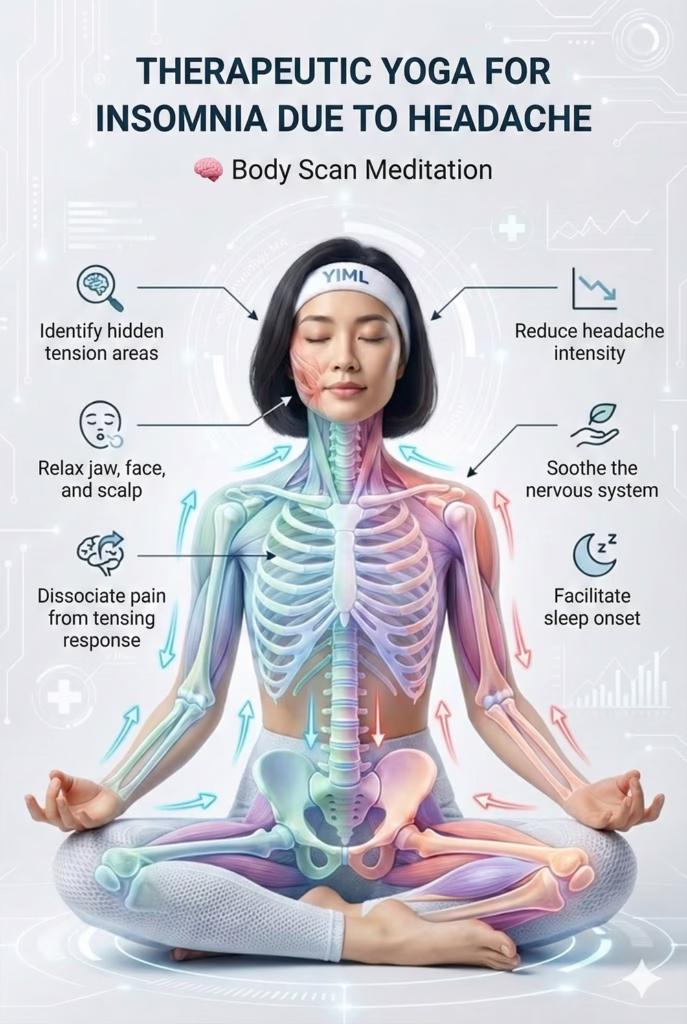
1. Body Scan Meditation
- Effect: Systematically releases unconscious holding patterns in the jaw, brow, and shoulders—areas that “brace” against pain. It helps distinguish between the physical sensation of pain and the emotional reaction to it.
2. Yoga Nidra (Yogic Sleep)
- Effect: When pain is too intense for active relaxation, Yoga Nidra provides a guided pathway to deep rest. It quiets the analytical mind and lowers systemic inflammation, creating the optimal internal environment for sleep onset.
3. Dark Space Meditation (Chidakasha)
- Effect: Ideal for photophobia (light sensitivity). Simply rest awareness in the dark space behind the closed eyelids. This soothes the optic nerve and provides a neutral anchor for the mind.
D. Mudra & Mantra (Optional Integration)
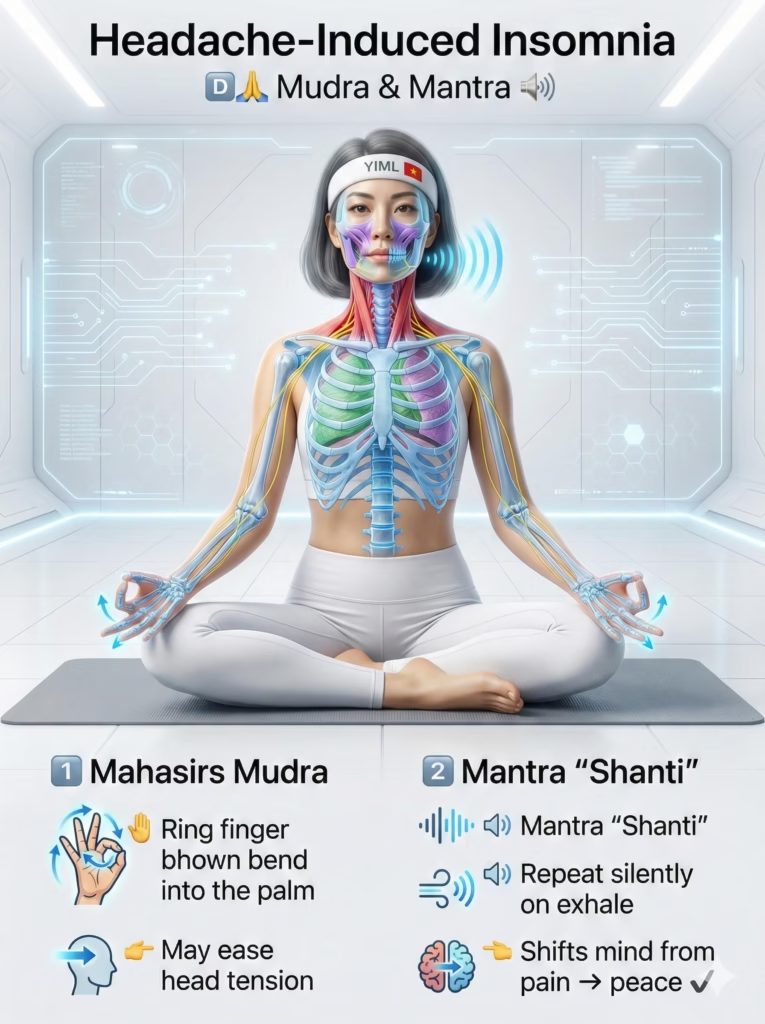
1. Mahasirs Mudra (Great Head Mudra)
- Technique: Ring finger folds into the palm. Thumb, index, and middle fingertips touch. Little finger extends.
- Benefit: A specific therapeutic gesture believed to balance energy in the head and relieve sinus congestion/tension.
2. Bija Mantra: “SHANTI”
- Technique: Silently repeat “Shanti” (Peace) on the exhalation.
- Benefit: The vibrational quality and meaning of the word interrupt the pain-anxiety feedback loop, replacing “I hurt” with a frequency of peace.
Part IV: Integration & Practice Protocols Suggested 25-Minute Therapeutic Sequence for Headache & Insomnia
Preparation (2 mins): Create a “peaceful cave”—dark, quiet, and cool. Have your props ready: bolster (or rolled blankets), a small neck roll, blocks, and an eye pillow.
Phase 1: Sensory Withdrawal & Centering (5 Minutes)
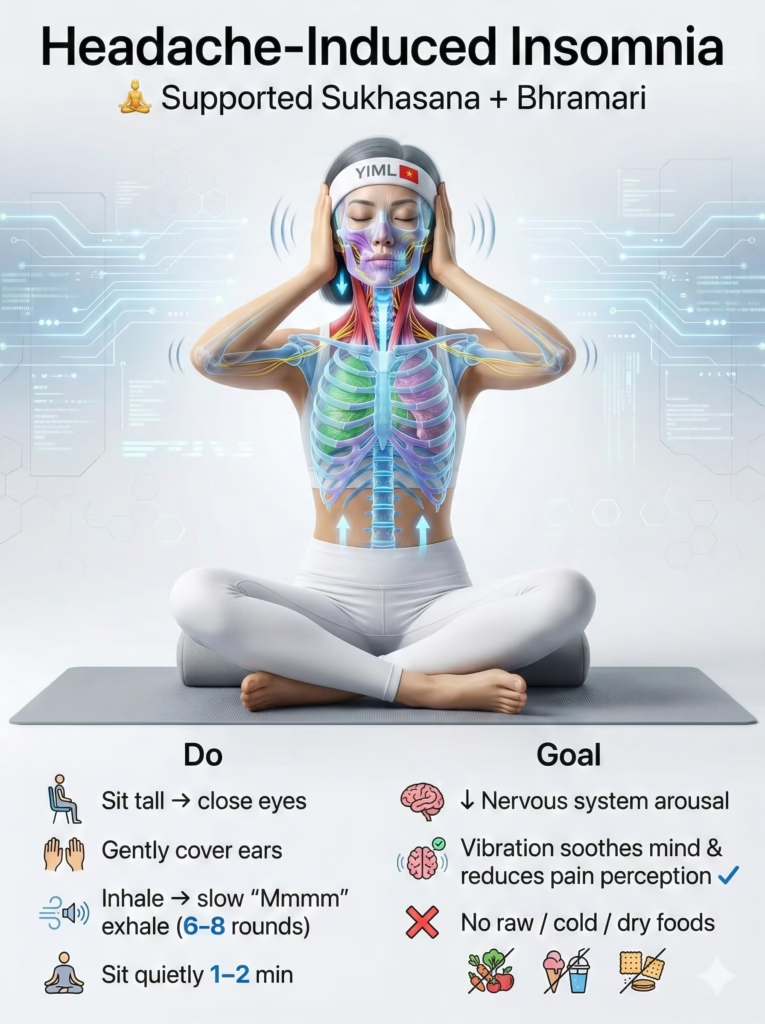
1. Supported Sukhasana & Bhramari Pranayama (Humming Bee Breath)
- Technique: Sit comfortably on a cushion with a tall spine. Close eyes. Gently close ear tragus with fingers. Inhale deeply. Exhale slowly, creating a low-pitched “Mmmm” humming sound. Repeat 6–8 rounds. Sit in silence for 1-2 minutes to absorb the vibration.
- Goal: Immediate nervous system down-regulation. The vibration acts as a sonic massage for the brain, drowning out pain signals and external noise.
Phase 2: Releasing Cervical & Shoulder Tension (6 Minutes)
2. Parsva Balasana (Thread the Needle)
- Technique: From Table Top, inhale reach right arm up. Exhale, slide right arm under left, resting the shoulder and temple gently on the floor. Focus on the stretch behind the shoulder blade, not a deep twist. Hold 2 minutes per side.
- Goal: Releases tension in the upper back and rhomboids—key triggers for tension headaches—without loading the neck.
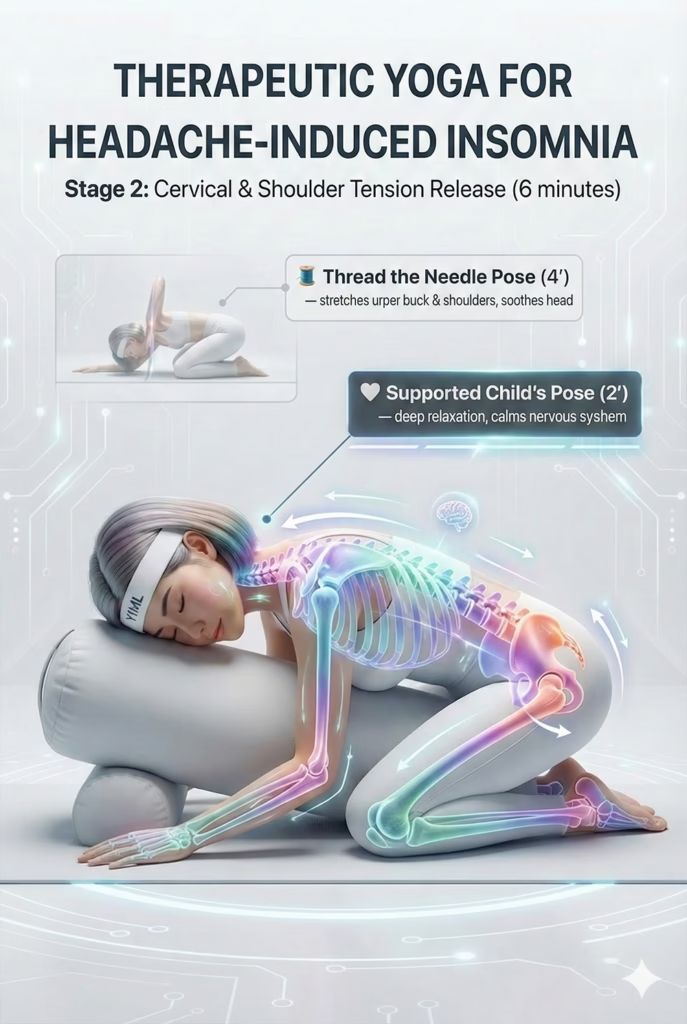
3. Supported Balasana (Child’s Pose)
- Technique: Kneel with knees wide. Place a bolster between thighs. Exhale, fold forward, resting the torso and one cheek on the bolster. Surrender completely.
- Goal: Turns the senses inward (Pratyahara) and relaxes the paraspinals. The bolster support allows for total muscular disengagement.
Phase 3: Deep Restoration & Decompression (10 Minutes)
4. Viparita Karani (Legs-Up-the-Wall)
- Technique: Sit sideways against a wall with a blanket under hips. Swing legs up. Place an eye pillow over eyes. Arms rest by sides. Action: Perform a Body Scan, consciously releasing the scalp, forehead, jaw, and eyes.
- Therapeutic Benefit: The cornerstone pose. It soothes the nervous system, reduces throbbing/pounding sensation in the head via the baroreflex, and induces profound relaxation.

Phase 4: Transition to Sleep (2 Minutes+)
5. Supported Savasana
- Technique: Gently exit legs-up-the-wall. Lie supine. Place a bolster under knees and a small cervical roll under the neck to support its natural curve. Cover with a warm blanket and use the eye pillow.
- Goal: To create a neutral, fully supported posture where every muscle can finally let go. From here, you can drift into sleep or move to bed with minimal disturbance.

Lifestyle & Ayurvedic Protocols for Headache-Induced Insomnia Daily Micro-Habits for Prevention
Objective: To minimize daytime triggers and curate an ideal nocturnal environment.
1. Cervical Awareness & Ergonomics
- Tech Hygiene: Raise screens to eye level. When using a phone, lift the device rather than dropping the head (“Tech Neck”).
- Micro-Breaks: Every 30–45 minutes, take 30 seconds to perform gentle shoulder rolls and slow neck tilts to reset muscle tension.
2. Ocular Care
- 20-20-20 Rule: Every 20 minutes, look at something 20 feet away for 20 seconds to relax ciliary eye muscles.
- Light Hygiene: Use blue light filters in the evening and dim screens to reduce photophobia triggers.

3. Hydration & Sleep Posture
- Hydrate: Dehydration is a primary trigger for tension headaches. Drink consistently.
- Pillow Talk: Invest in a pillow that supports the natural cervical curve. Avoid sleeping on the stomach, which strains the neck. Side sleeping (with a pillow between knees) or back sleeping is optimal.
Ayurvedic Dietary Guidelines Clinical Rationale
Ayurveda views this condition as aggravated Vata (pain, anxiety, stiffness) and Pitta (burning, inflammation, irritability). The goal is to soothe and cool both.
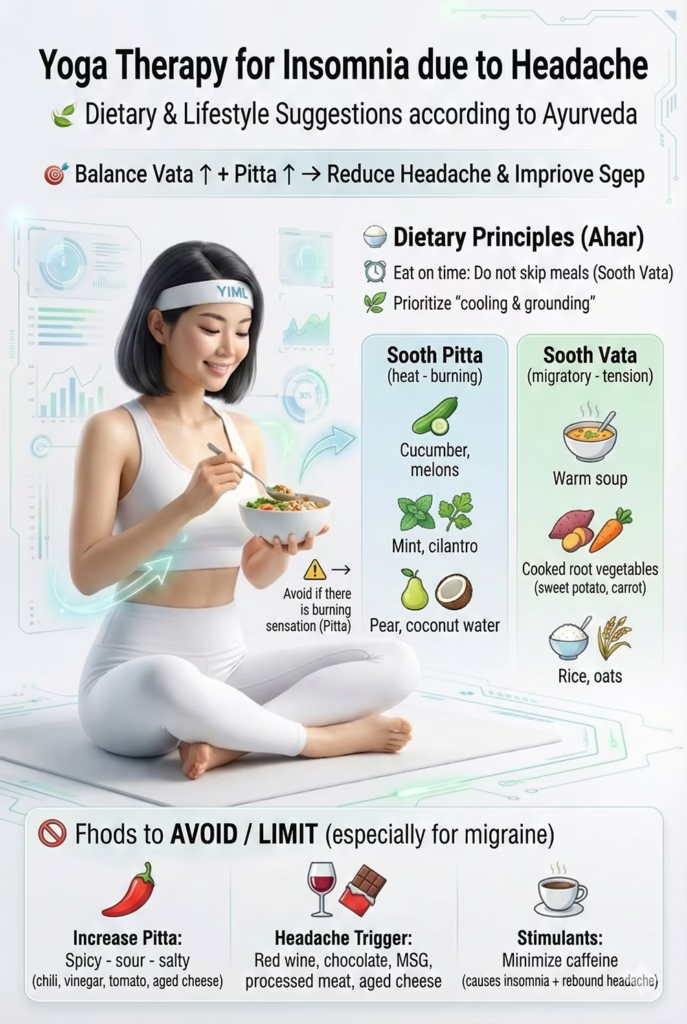
1. Dietary Principles (Ahar)
- Regularity: Stick to a consistent meal schedule to stabilize Vata. Never skip meals (hypoglycemia triggers headaches).
- Favor Cooling & Grounding Foods:
- Pacify Pitta: Cucumber, mint, cilantro, melons, pears, coconut water.
- Pacify Vata: Warm soups, cooked root vegetables (sweet potato, carrots), rice, oatmeal.
- Herbal Teas:
- Peppermint: Cools and relieves tension headaches.
- Chamomile/Lotus Heart: Sedates the nervous system for sleep.
- Ginger (Small amount): Improves circulation for muscle-contraction headaches (avoid if you feel heat/burning).
2. Foods to Avoid (Trigger Management)
- Pitta Aggravators: Spicy, sour, salty foods (chili, vinegar, aged cheese).
- Common Migraine Triggers: Red wine, chocolate, MSG, processed meats, fermented foods.
- Stimulants: Minimize caffeine. While it can temporarily relieve pain, it often causes “rebound headaches” and disrupts sleep architecture.
3. Sensory Care (Vihar)
- Abhyanga (Self-Massage): Before bed, massage warm oil onto the scalp, temples, and soles of the feet.
- Brahmi Oil (Coconut base): Cooling and nervine; excellent for migraines and insomnia.
- Sesame Oil: Warming and grounding; best for Vata-type tension headaches.
- Nasya (Nasal Therapy): 1-2 drops of warm sesame oil or Anu Taila in each nostril in the morning can clear cranial channels and relieve sinus pressure.
- Aromatherapy:
- Peppermint Oil: Apply to temples for tension relief.
- Lavender/Sandalwood: Diffuse to induce sleep and calm the mind.
Chronic headache and insomnia are rarely isolated phenomena; they often coexist with broader patterns of autonomic imbalance and vascular dysregulation. For readers interested in how this medical–yogic decoding model applies to cardiovascular conditions driven by similar mechanisms, explore our roadmap on integrative yoga approaches to hypertension management.
Part V: Conclusion
The therapeutic yoga approach to headache-induced insomnia is a dual strategy of compassion and science: simultaneously releasing physical tension in the cervical-shoulder complex and soothing the hyper-aroused nervous system. It is not a battle to “fight” the pain, but a process of learning to listen, soothe, and create a peaceful internal space for self-healing.
By integrating gentle Asana for decompression, Pranayama to reduce intracranial pressure, and Deep Relaxation to break the “pain-anxiety-insomnia” loop, Yoga provides a comprehensive toolkit. The ultimate goal is to reduce the frequency and intensity of headaches and rebuild your confidence in the body’s ability to rest.
This journey requires:
- Patience: Releasing chronic neuromuscular guarding takes time and consistency.
- Interoception: Pain is a strict teacher. Learn to respect the body’s subtlest limits.
- Consistency: Preventive practice is infinitely more effective than reactive treatment.
Medical Disclaimer
IMPORTANT: The content provided in this article is for informational and educational purposes only. It is NOT intended to substitute for professional medical advice, diagnosis, or treatment.
- Headaches can be symptoms of diverse medical conditions, some of which are serious. Always consult a physician for an accurate diagnosis.
- Never disregard professional medical advice based on information read in this guide.
RED FLAGS: Seek Immediate Emergency Care If You Experience:
- A sudden, severe “thunderclap” headache.
- Headache accompanied by fever, stiff neck, confusion, seizures, double vision, or weakness.
- Headache following head trauma.
- A new or distinct headache pattern, especially if you are over 50.
- Progressive worsening of pain that does not subside.
References
Medical & Scientific Sources
- Mayo Clinic. Tension headache & Migraine symptoms and causes. (https://www.mayoclinic.org)
- The International Classification of Headache Disorders (ICHD-3).
- Ma, X., et al. (2017). The Effect of Diaphragmatic Breathing on Attention, Negative Affect and Stress in Healthy Adults. Frontiers in Psychology.
- Kisan, R., et al. (2014). Effect of Yoga on Migraine: A Comprehensive Study using Clinical and Autonomic Functions. International Journal of Yoga.
- PubMed Central (National Library of Medicine). (https://www.ncbi.nlm.nih.gov/pmc/)
Yoga Therapy Sources
- Saraswati, S. S. (2008). Asana Pranayama Mudra Bandha. Bihar School of Yoga.
- McCall, T. (2007). Yoga as Medicine: The Yogic Prescription for Health and Healing. Bantam Dell.
- Frawley, D. Ayurveda and the Mind: The Healing of Consciousness.
- Yoga Journal. (https://www.yogajournal.com)