Part I: Understanding Anxiety Disorders from Dual Perspectives
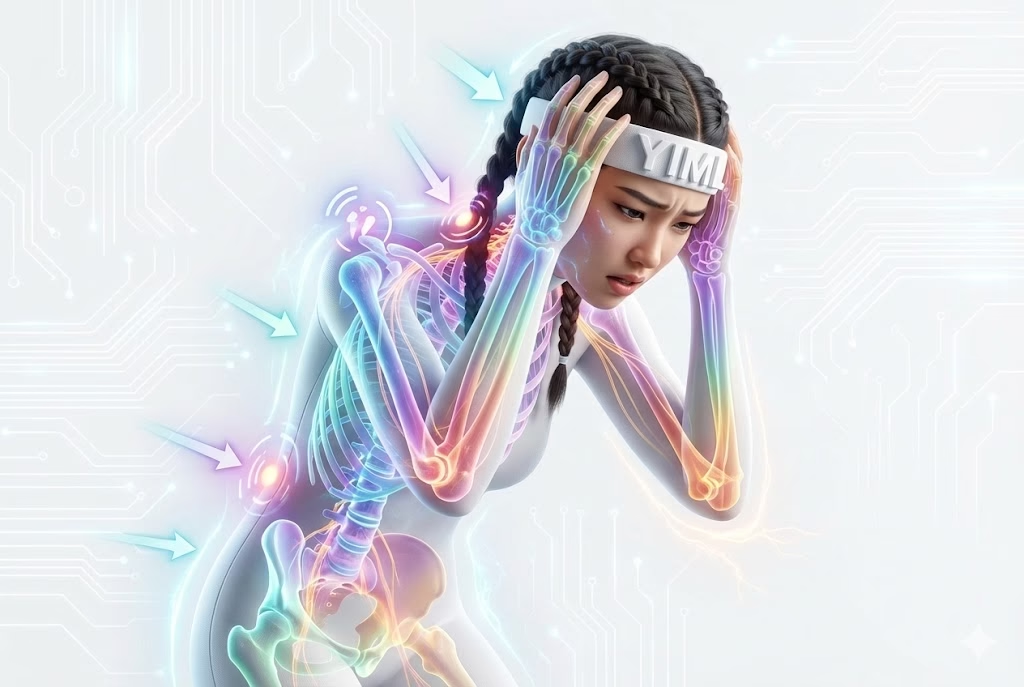
Anxiety is an evolutionary survival mechanism. However, when this response becomes disproportionate, chronic, and debilitating, it transitions into an Anxiety Disorder. This is not a “character flaw” or a lack of mental fortitude; it is a highly treatable neurobiological condition characterized by systemic nervous system dysregulation. Therapeutic Yoga—utilizing precise breath regulation, somatosensory grounding, and vagal nerve stimulation—is a scientifically validated adjunctive intervention to recalibrate this neural imbalance.
Overview of Anxiety Disorders
The Modern Medical Perspective Anxiety disorders encompass a spectrum of psychiatric conditions defined by excessive, persistent dread and hyperarousal that are entirely incongruent with actual environmental threats.
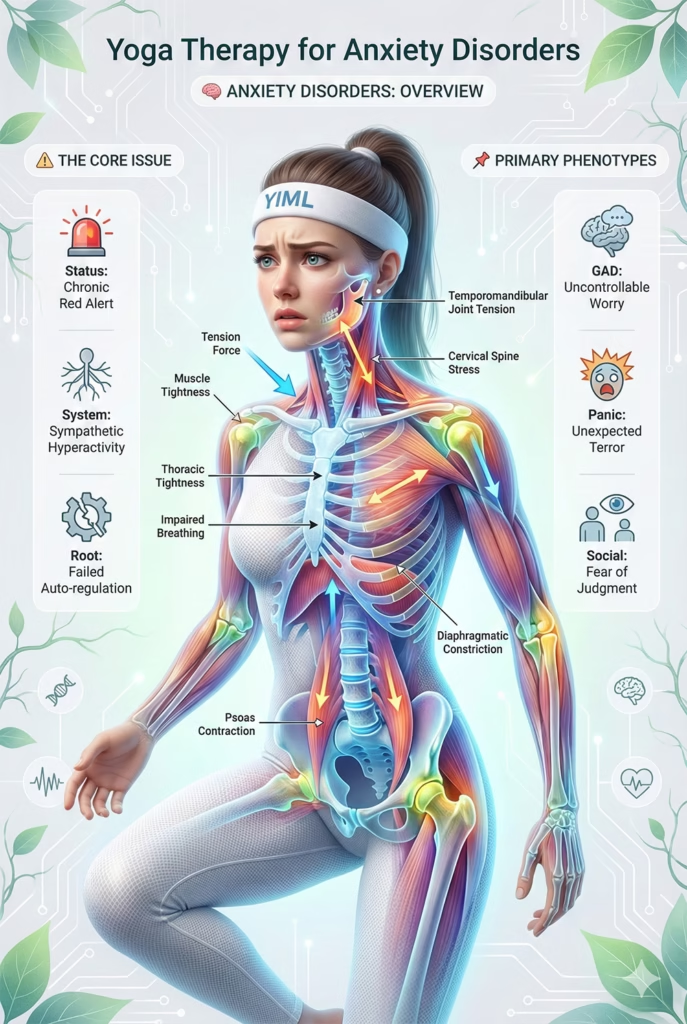
The Core Neurobiological Issue: The “Stuck” Alarm System At its core, an anxiety disorder is the severe dysregulation of the autonomic nervous system. The sympathetic “fight-or-flight” response is pathologically hyperactive and fails to auto-regulate back to a baseline of safety. The body and brain are locked in a chronic state of “red alert,” constantly anticipating catastrophic outcomes even in safe environments.
Primary Clinical Phenotypes:
- Generalized Anxiety Disorder (GAD): Chronic, free-floating, and uncontrollable worry regarding everyday matters (health, finances, routine events).
- Panic Disorder: Recurrent, unexpected panic attacks characterized by sudden, overwhelming terror and severe autonomic symptoms (mimicking a heart attack).Chronic heart rate elevation is a key marker of high blood pressure. Learn more about managing this in our Decoding Hypertension Through Medical & Yogic Lenses.
- Social Anxiety Disorder: Intense, paralyzing fear of negative evaluation, judgment, or humiliation in social performance situations.
Clinical Signs and Symptoms Anxiety manifests across a triad of systems:
1. Somatic (Physical) Symptoms (Sympathetic Overdrive):
- Tachycardia (rapid, pounding heart) and palpitations.
- Tachypnea (shallow, rapid breathing) and a sensation of smothering or air hunger.
- Tremors, generalized muscle tension (especially cervicothoracic and jaw rigidity).
- Diaphoresis (excessive sweating), hot flashes, or chills.
- Gastrointestinal distress (nausea, irritable bowel syndrome) due to blood shunting away from the digestive tract.
- Chronic insomnia and profound, unexplained fatigue.
2. Cognitive & Psychological Symptoms:
- Persistent psychomotor agitation (restlessness).
- Intrusive, catastrophic rumination (uncontrollable racing thoughts).
- A pervasive sense of impending doom.
- Brain fog, difficulty concentrating, and hypervigilance (exaggerated startle response).
3. Behavioral Symptoms:
- Avoidance: The hallmark behavioral symptom (avoiding places, people, or situations that trigger anxiety).
- Compulsive reassurance-seeking or repetitive self-soothing behaviors (pacing, fidgeting).

Etiology and Risk Factors
The Modern Medical Perspective Anxiety disorders emerge from a complex interplay of neurobiology, genetics, and environmental trauma.
1. Neurobiology & Genetics:
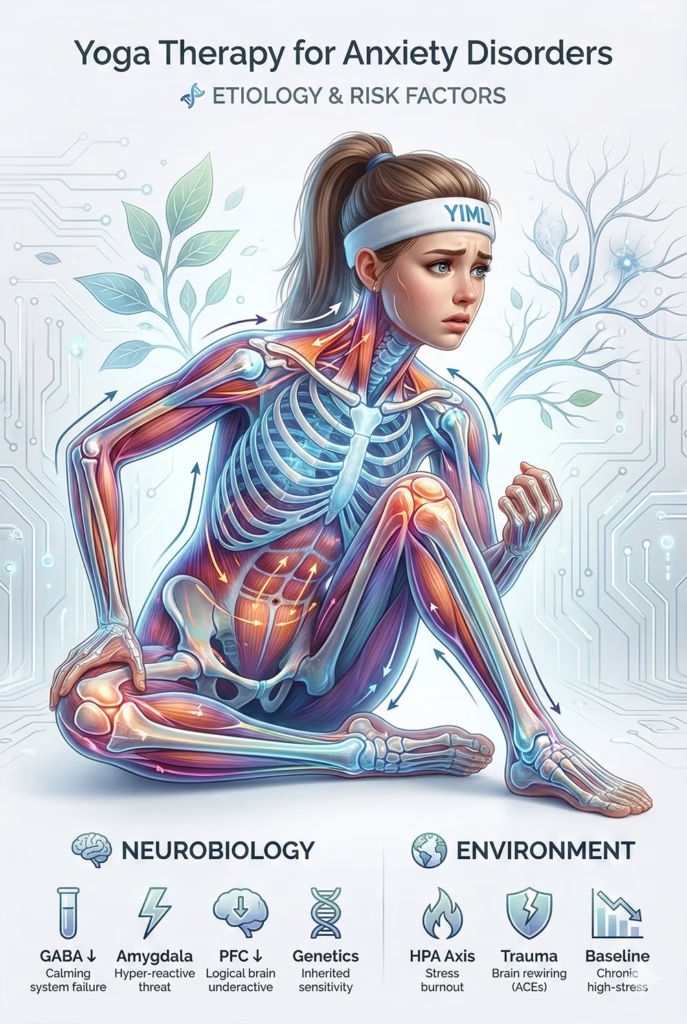
- Neurotransmitter Dysregulation: A critical deficiency in GABA (Gamma-Aminobutyric Acid), the brain’s primary inhibitory (calming) neurotransmitter, coupled with the erratic firing of Serotonin and Norepinephrine.
- Brain Architecture (The Amygdala Hijack): Functional MRI studies show that in anxiety disorders, the amygdala (the brain’s threat-detection center) is hypertrophic and hyper-reactive, while the prefrontal cortex (the logical brain responsible for dampening the amygdala) is underactive.
- Genetics: A strong familial predisposition exists, indicating a heritable vulnerability to nervous system sensitization.
2. Environment & Trauma:
- Chronic Allostatic Load: Prolonged exposure to high-stress environments “burns out” the HPA axis (Hypothalamic-Pituitary-Adrenal axis), setting a new, higher baseline for anxiety.Understanding how the nervous system reaches this breaking point is vital. See our full guide: Decoding Stress Through Medical & Yogic Lenses.
- Psychological Trauma (PTSD): Adverse childhood experiences (ACEs) or severe acute trauma fundamentally rewire the brain to perceive the world as inherently dangerous.
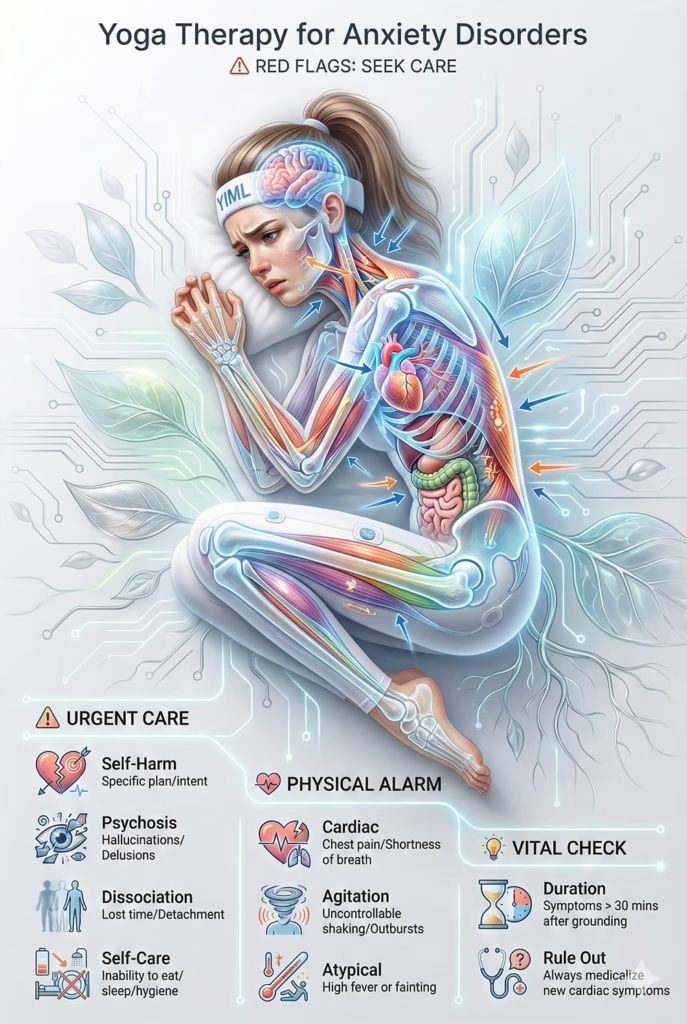
🚨 RED FLAGS (Seek Immediate Professional Care):
- Active Suicidal or Homicidal Ideation: Having a specific plan, intent, or means to harm yourself or others.
- Acute Psychosis: Experiencing sudden hallucinations (hearing or seeing things that aren’t there) or severe delusions (fixed, false beliefs).
- Severe Dissociation or “Lost Time”: Feeling completely detached from reality (derealization) or your body (depersonalization) to the point where you cannot function or remember your actions.
- Inability to Care for Self: Complete inability to eat, sleep, or maintain basic hygiene for an extended period due to paralyzing fear or panic.
- Cardiovascular Mimicry: If you experience crushing chest pain radiating to the arm or jaw, or extreme shortness of breath for the first time—even if you suspect it is “just anxiety”—it must be evaluated to rule out a cardiac event.
- Severe Behavioral Agitation: Uncontrollable shaking, pacing, or violent outbursts that pose an immediate risk of injury.
💡 Vital Distinction:
Anxiety is a master of disguise. It often triggers the “Fight or Flight” response, which can feel identical to a physical emergency. However, if the symptoms do not subside with deep breathing or grounding techniques after 20–30 minutes, or if they are accompanied by a high fever or fainting, seek medical evaluation.
The Yogic and Ayurvedic Perspective
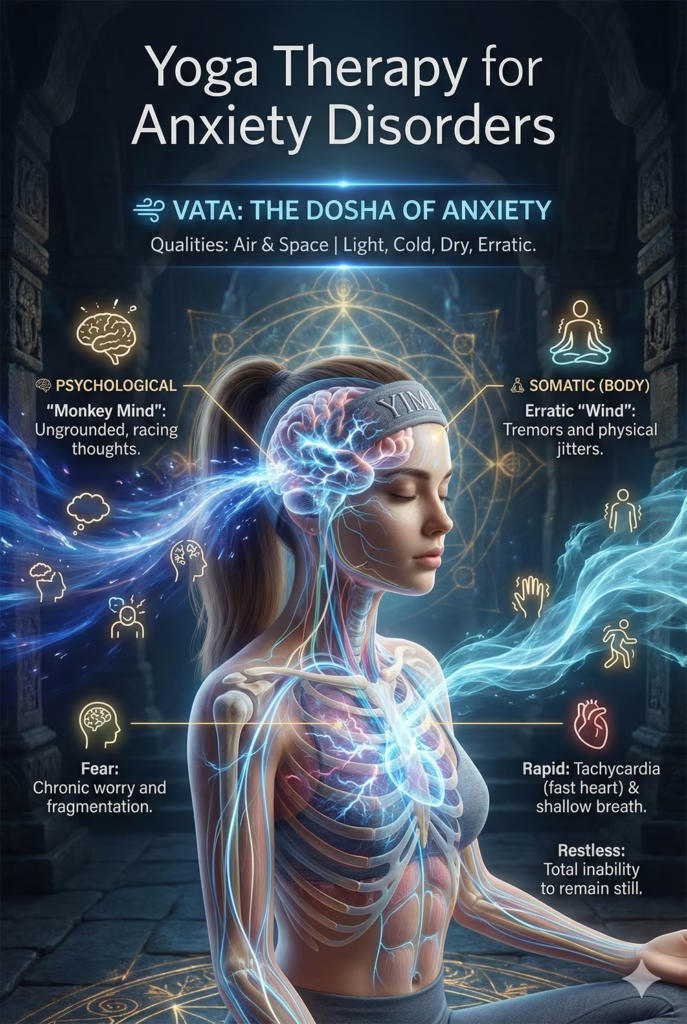
Ayurveda diagnoses clinical anxiety as a severe, systemic aggravation of the Vata Dosha, leading to erratic, chaotic movement of Prana (life force) throughout the nervous system.
1. Dosha Imbalance: The Dominance of Vata
- Vata (composed of Air and Space) governs all movement in the body, including nerve impulses. Its qualities are light, cold, dry, erratic, and mobile.
- Psychological Manifestation: When Vata overflows, it creates the “monkey mind”—racing, ungrounded, and fearful thoughts.
- Somatic Manifestation: The erratic “wind” of Vata creates physical tremors, tachycardia, shallow breathing, and an inability to remain still.
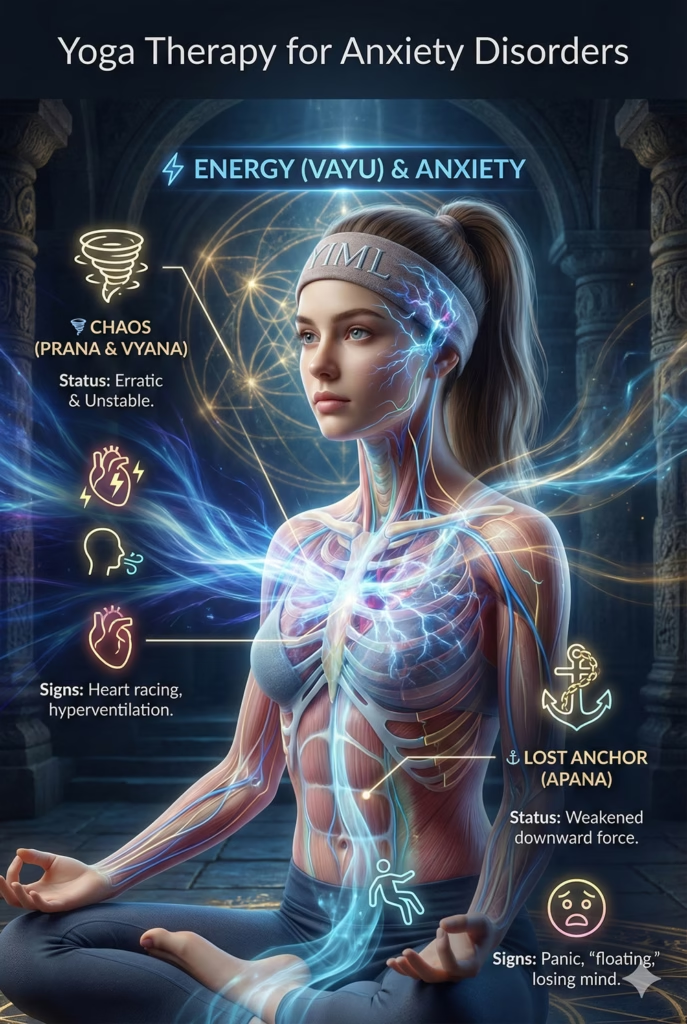
2. Disruption of Prana Vayus (Energy Currents)
- Erratic Prana & Vyana Vayu: Prana Vayu (inward-moving energy in the chest/head) and Vyana Vayu (circulating energy) become highly unstable, manifesting clinically as palpitations, hyperventilation, and scattered, frantic energy.
- Weakened Apana Vayu: The most critical energetic failure in anxiety. Apana Vayu is the downward-moving, grounding force. When it fails, the excess Vata energy cannot be “earthed” or discharged. It rushes upward into the chest and head, causing panic, dissociation, and the sensation of “floating” or losing one’s mind.
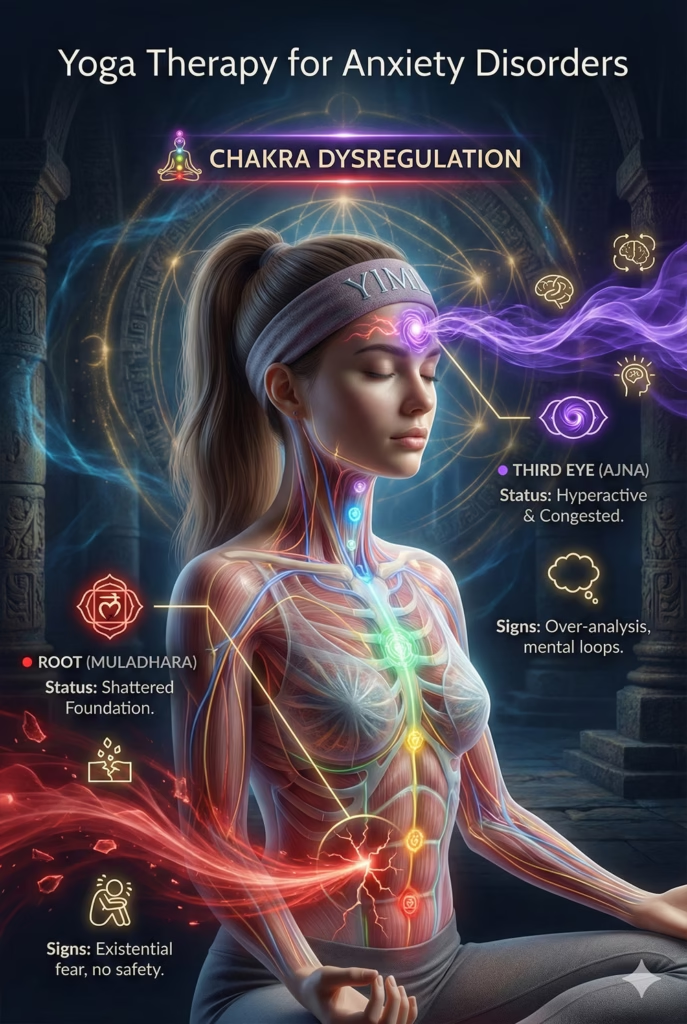
3. Chakra Dysregulation
- Muladhara Chakra (Root): This is the epicenter of anxiety. The Root Chakra governs safety, survival, and physical grounding. In anxiety, this foundation is shattered, creating a pervasive, existential fear of annihilation.
- Ajna Chakra (Third Eye): Becomes hyperactive and congested, generating an endless loop of catastrophic over-analysis and mental exhaustion.
Part II: The Therapeutic Yoga Approach to Anxiety Disorders
Therapeutic Goals The therapeutic yoga approach to anxiety is a comprehensive somatic strategy aimed at recalibrating the autonomic nervous system and equipping the patient with real-time symptom management tools. These objectives are deeply rooted in neurobiology.
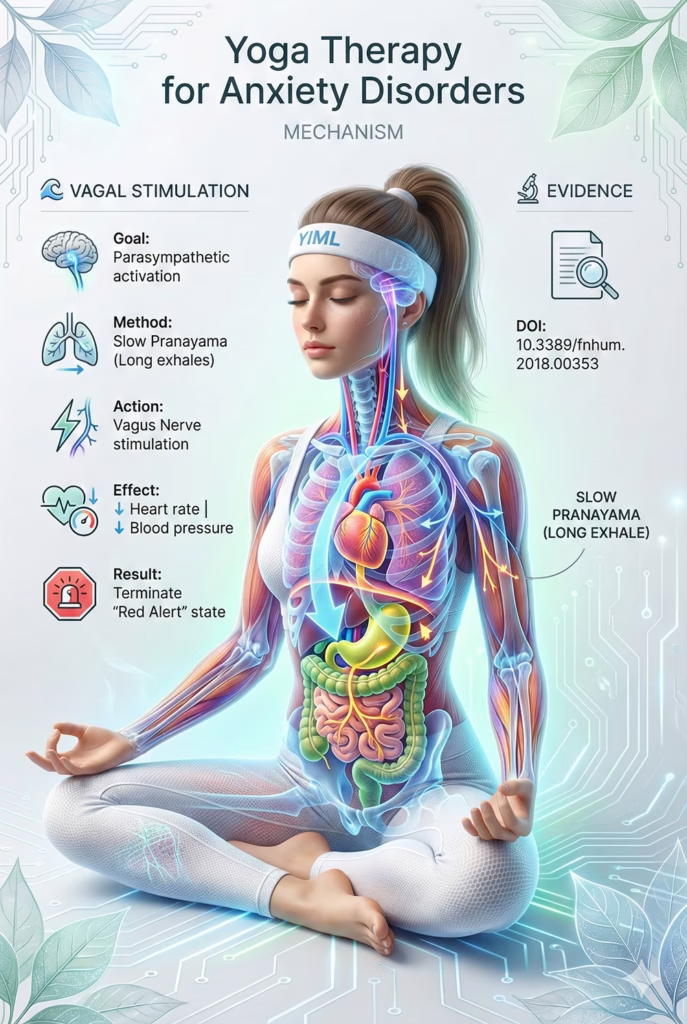
1. Activate the Relaxation Response (Vagal Stimulation)
- Mechanism: Anxiety disorders involve chronic sympathetic overactivation and reduced autonomic flexibility. Slow, controlled breathing—particularly prolonged exhalation—enhances parasympathetic dominance via vagal pathways. This increases heart rate variability (HRV), reduces heart rate and blood pressure, and supports autonomic recalibration rather than temporary suppression of symptoms.(DOI: 10.3389/fnhum.2018.00353)
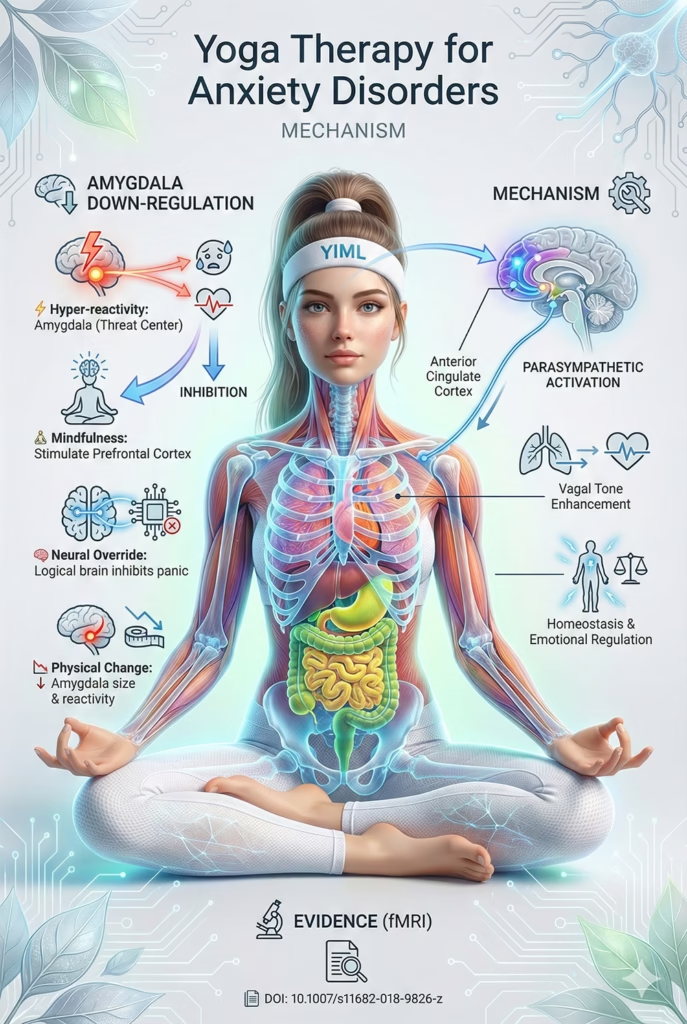
2. Soothe the Brain’s Fear Center (Amygdala Down-Regulation)
- Mechanism: Anxiety is associated with heightened amygdala reactivity and impaired prefrontal regulation. Mindfulness-based elements of Yoga (breath awareness and interoceptive focus) engage prefrontal cortical networks that exert top-down inhibitory control over the amygdala. Neuroimaging studies suggest reduced amygdala reactivity and altered functional connectivity following regular practice. (DOI: 10.1007/s11682-018-9826-z)
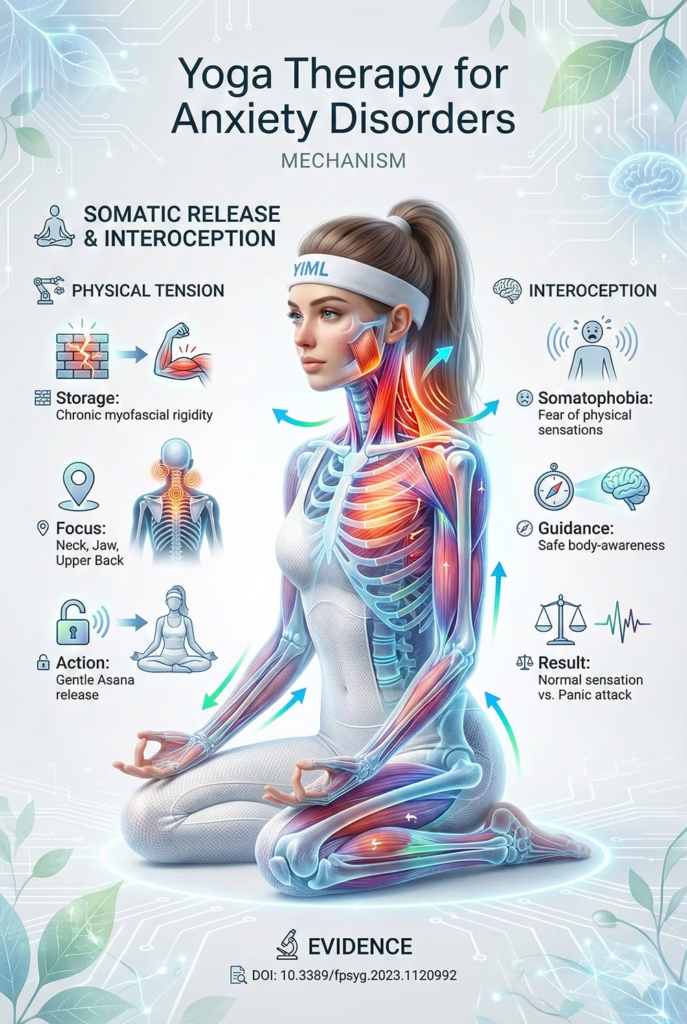
3. Release Somatic Tension & Restore Interoception
- Mechanism: Anxiety is strongly associated with persistent somatic hyperarousal, often expressed as chronic muscular hypertonicity and heightened autonomic vigilance. Gentle Asana reduces excessive muscle tension, while structured interoceptive awareness retrains patients to observe bodily sensations without catastrophic interpretation. This improves interoceptive tolerance and disrupts the feedback loop driving panic symptoms. (DOI: 10.3389/fpsyg.2023.1120992)
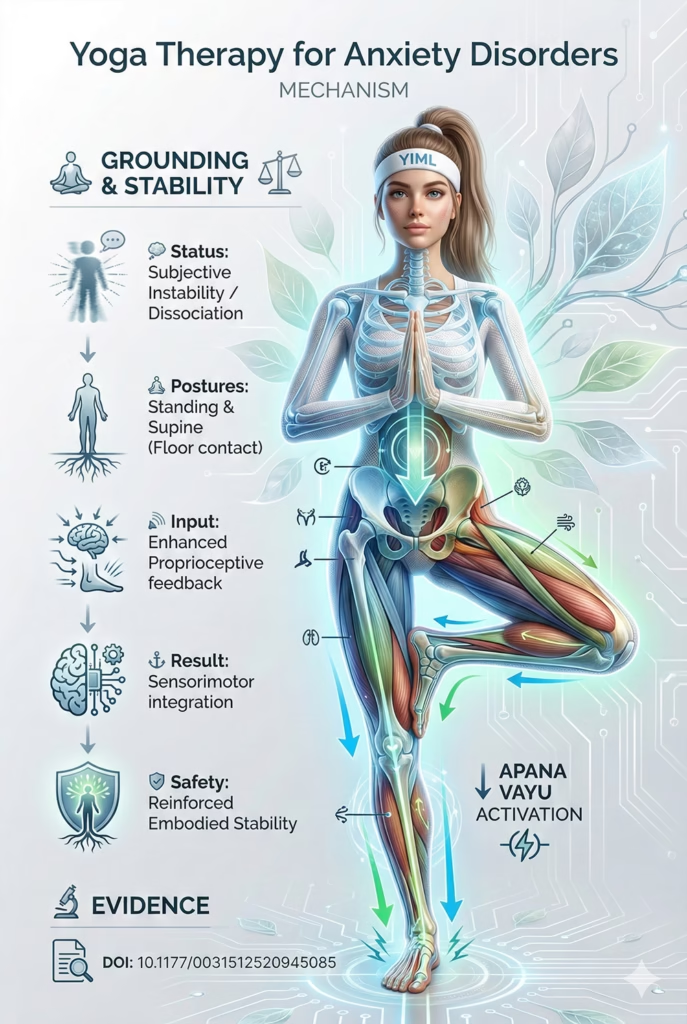
4. Enhance Grounding and Stability (Apana Vayu Activation)
- Mechanism: Anxiety frequently produces subjective instability and dissociation. Grounding postures—especially standing and supine positions—enhance proprioceptive and somatosensory input through weight-bearing and floor contact. Increased afferent feedback supports sensorimotor integration and ventral vagal engagement, reinforcing embodied safety and physiological stability. (DOI: 10.1177/0031512520945085)
Golden Rules & Absolute Contraindications
CRITICAL WARNING: When a patient is in a state of clinical anxiety, their nervous system is exceptionally fragile and hyper-vigilant. The sole objective of practice is safety and soothing—never a challenge. An aggressive or incorrect practice can inadvertently trigger a panic attack. The principles of Ahimsa (non-harming) and Santosha (contentment) are paramount.
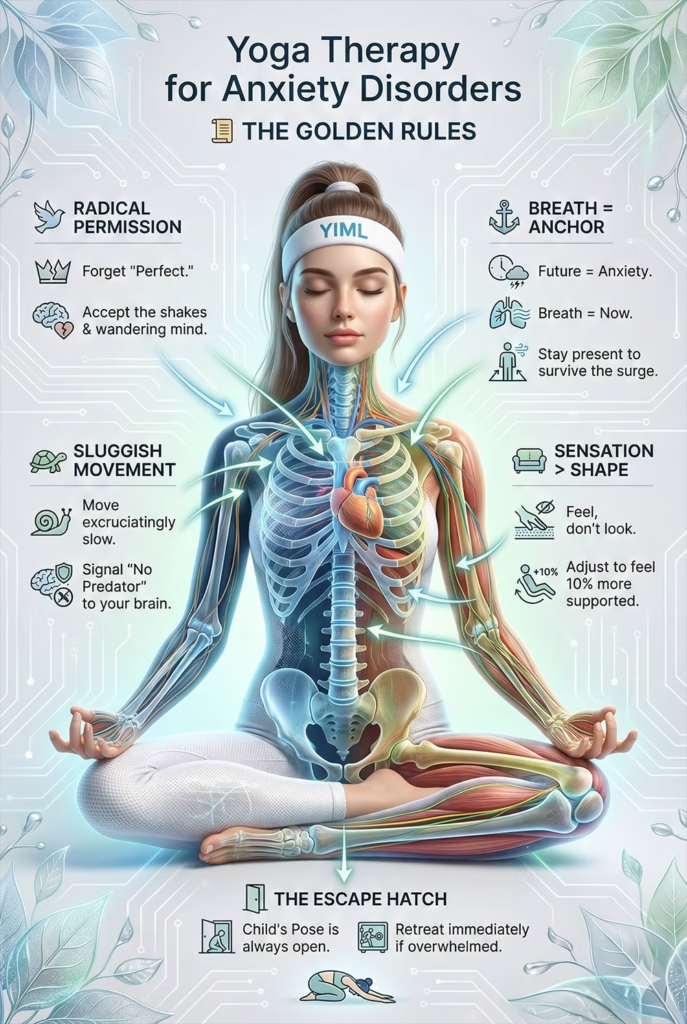
The Golden Rules of Practice
- Radical Permission to be Imperfect: Abandon all pressure to execute a “perfect” posture or achieve a “blank” mind. Anxiety is often fueled by perfectionism. The practice is an exposure therapy to self-compassion, teaching you to accept your body even when it shakes, and your mind even when it wanders.
- The Breath as the Anchor: Whenever catastrophic ruminations surge or the body braces in fear, immediately tether your awareness to the physical sensation of the breath. The breath only exists in the present moment, where anxiety (which lives in the future) cannot survive.
- Deliberate, Sluggish Movement: Move with excruciating slowness. Rapid, jerky movements are interpreted by a sensitized nervous system as evasive action against a predator. Slow movement assures the brain that the environment is safe.
- Sensation Over Shape: Close your eyes and focus on internal somatic feedback rather than external aesthetics. Ask yourself: “What can I adjust to feel 10% more supported right now?”
- The “Escape Hatch” is Always Open: Balasana (Child’s Pose) is your unconditional refuge. If tachycardia or overwhelm strikes, immediately retreat to Child’s Pose and remain there until the nervous system down-regulates.
Absolute Contraindications & High-Risk Practices
The following practices carry a high risk of stimulating the sympathetic nervous system or mimicking the somatic symptoms of a panic attack.
1. Hyperventilatory Pranayama (Strictly Prohibited)
- Avoid: Kapalabhati (Breath of Fire) and Bhastrika (Bellows Breath).
- Neurobiological Rationale: These rapid, forceful breathing techniques induce mild hyperventilation, causing tachycardia, dizziness, and tingling. To a sensitized nervous system, these physiological shifts are identical to the onset of a panic attack and will trigger an immediate spiral of terror.
2. Disorienting Inversions
- Avoid: Unsupported Headstands (Sirsasana) and Shoulderstands (Sarvangasana).
- Neurobiological Rationale: Full inversions strip away spatial orientation and the sense of physical control—potent triggers for anxiety. Furthermore, the abrupt hemodynamic shifts (blood rushing to the head) can induce vertigo and panic. (Note: Mild, supported inversions like Legs-Up-The-Wall are highly beneficial).
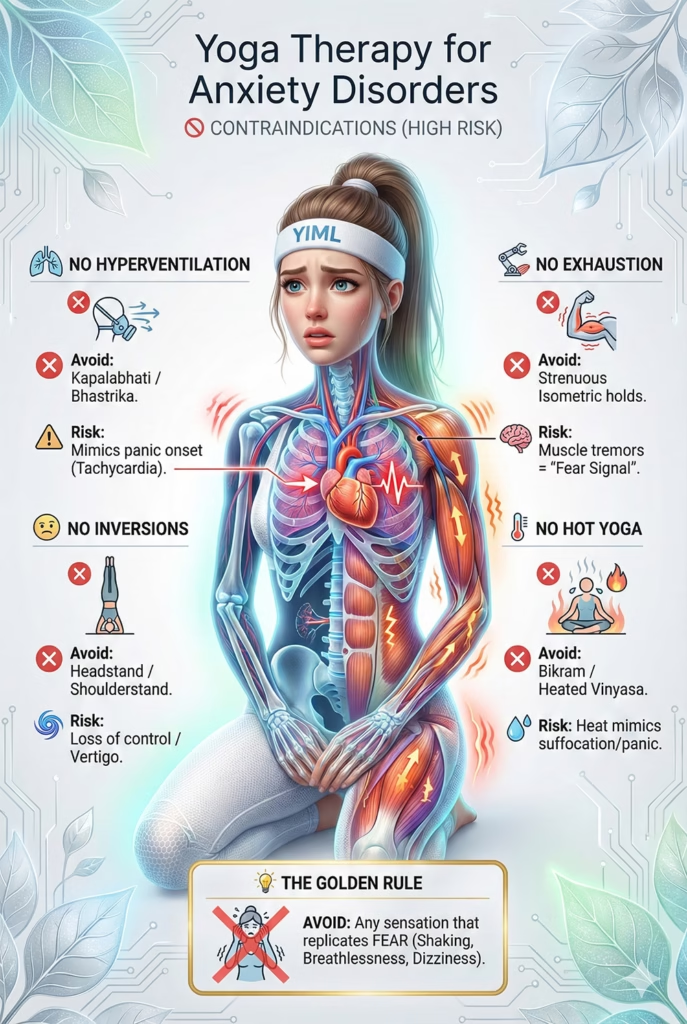
3. Prolonged, Exhausting Isometric Holds
- Avoid: Holding strenuous postures (like Warrior III or Chair Pose) until the point of muscle tremor.
- Neurobiological Rationale: The physical shaking caused by muscle fatigue is frequently misinterpreted by the anxious brain as the physiological trembling of fear. Prioritize brief holds focused on structural stability, not endurance.
4. Heated Environments (Hot Yoga)
- Avoid: Bikram or any heated Vinyasa classes.
- Neurobiological Rationale: Severe heat induces profound tachycardia, shortness of breath, diaphoresis (sweating), and a feeling of suffocation. This combination perfectly mimics the somatic profile of a severe panic attack and is a massive psychological trigger.
Summary: Any practice, posture, breathing technique, or environment that replicates the physical sensations of fear (tachycardia, breathlessness, shaking, dizziness) or strips away the patient’s sense of agency must be strictly avoided.
Part III: Detailed Therapeutic Yoga Toolkit for Anxiety Disorders
A. Asana (Postures)
General Reminder: The objective of these postures is never physical perfection or athletic achievement. The sole purpose is to create a safe somatic container for you to reconnect with your body and breath. Move with excruciating slowness, practice radical self-compassion, and utilize props (bolsters, blankets, blocks) abundantly to signal safety to your nervous system.
Module 1: Grounding & Centering Poses Target: To pull a frantic, ruminating mind out of the future and anchor it firmly in the present somatic reality, establishing a baseline of physical and psychological safety.
1. Tadasana (Mountain Pose)
- Technique: Stand with feet hip-width apart. Root the four corners of each foot firmly into the floor. Engage the quadriceps slightly. Align the pelvis, chest, and head. Arms rest heavy at the sides. Close the eyes (if safe) and focus entirely on the sensation of the soles of the feet touching the earth.
- Why it works: Biomechanically, it aligns the skeleton to carry weight efficiently, allowing hyper-vigilant muscles to finally relax. Neurologically, shifting focus to the somatosensory feedback of the feet pulls brain activity away from the Default Mode Network (DMN)—the neural hub of catastrophic rumination—and anchors it in present-moment sensory processing. Energetically, it activates Apana Vayu (downward grounding energy) to stabilize the chaotic, upward-moving wind of Vata dosha.
- Instructor’s Cue: “To an anxious mind, this pose is your anchor. Anxiety drags you into the future; Tadasana pulls you back to right now. Try lifting your toes, spreading them wide, and placing them back down. Imagine thick roots growing from your soles deep into the earth. When the physical body feels irrevocably grounded, the mind automatically registers safety.”

- Safety Protocol:
- Eye Closure: Only close your eyes if it feels profoundly safe. If it induces vertigo or panic, keep the eyes open with a soft, unfocused gaze (Drishti) on the floor.
- Wall Support: If you feel physically or emotionally untethered, stand with your back entirely flat against a wall. The tactile feedback of a solid structure dramatically increases the neurological sense of containment.
2. Balasana (Child’s Pose)
- Technique: Kneel, bring big toes together, and separate the knees slightly. Exhale and fold the torso forward, resting the forehead on the floor or a prop. Arms can extend forward or rest softly alongside the torso.
- Why it works: This is a posture of profound introversion and sensory deprivation. Biomechanically, it passively stretches the paraspinal muscles where “fight-or-flight” tension is notoriously stored. Neurologically, the mild pressure on the forehead stimulates the vagus nerve, immediately down-regulating the amygdala (fear center). Energetically, resting the “Third Eye” (Ajna Chakra) on the ground literally earths the racing, overactive energy of the mind.
- Instructor’s Cue: “This is your ultimate physical refuge. When the external world or your internal thoughts become overwhelming, retreat here. The secret to maximizing its soothing effect is to ensure your forehead is completely supported. Let the floor take the full weight of your skull. Breathe deeply into the back of your ribcage, sending a clear biological signal to your brain: ‘Right here, right now, I am safe.'”

- Safety Protocol:
- Mandatory Forehead Support: If the forehead does not easily rest on the floor, using a block or blanket is non-negotiable. Hanging the head in space creates cervical tension, which the brain interprets as stress.
- The Bolster Variation: For severe anxiety, place a large bolster longitudinally between the thighs and drape the entire torso over it. This simulates a “hug,” providing deep proprioceptive input that profoundly calms the nervous system.
3. Marjaryasana-Bitilasana (Cat-Cow)
- Technique: Start in Tabletop position (all fours). Inhale, slowly drop the belly, lift the chest and tailbone (Cow). Exhale very slowly, press into the hands, and round the spine upward, dropping the head (Cat).
- Why it works: Biomechanically, it releases tension in the diaphragm and erector spinae—muscles that lock up during panic, causing shallow chest breathing. Neurologically, synchronizing slow, rhythmic movement with a prolonged exhalation is one of the most direct methods to stimulate the parasympathetic nervous system, shifting brainwave activity from high-alert Beta to relaxed Alpha states. Master the flow of this movement in our Marjaryasana–Bitilasana (Cat–Cow Pose) Step-by-Step Guide.
- Instructor’s Cue: “To an anxious mind, predictable rhythm is medicine. We are creating a soothing lullaby for your nervous system. The trick here is to make the exhale twice as long as the inhale. Inhale into Cow for 3 seconds; exhale into Cat for a slow, smooth 6 seconds. Let yourself become completely absorbed in the wave-like motion of your spine.”

- Safety Protocol:
- Sluggish Pace is Key: Move slower than you think you should. Rushed movements stimulate sympathetic arousal; deliberate slowness cultivates calm.
- Joint Comfort: Physical discomfort breeds mental anxiety. If wrists ache, perform this on the forearms or fists. If knees ache, pad them heavily with a blanket.
Module 2: Tension Release & Somatic Unwinding Target: To liberate chronic physical contraction caused by anxiety, specifically targeting somatic “stress reservoirs” like the hips, chest, and paraspinal muscles.
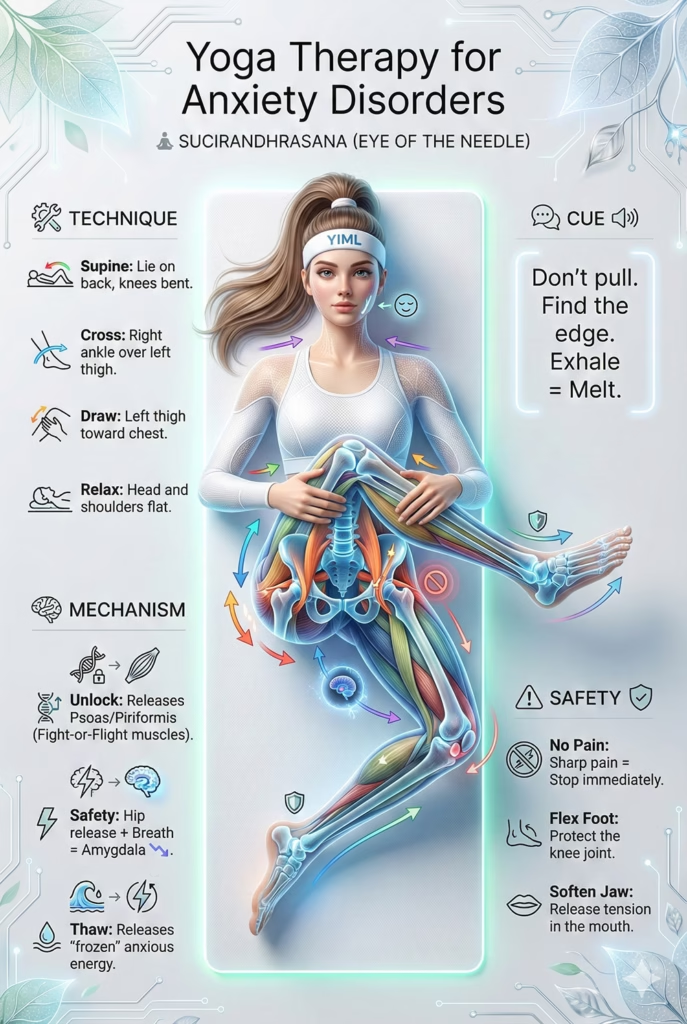
4. Sucirandhrasana (Supine Eye of the Needle)
- Technique: Lie supine. Bend both knees. Cross the right ankle over the left thigh. Gently draw the left thigh toward the chest. Keep the head and shoulders completely relaxed on the floor.
- Why it works: Biomechanically, it stretches the deep external rotators of the hip (piriformis) and the psoas—muscles inextricably linked to the “fight-or-flight” response. Neurologically, combining this hip release with diaphragmatic breathing signals profound safety to the brain, down-regulating the amygdala. Energetically, the hips (Svadhisthana Chakra) are considered the storehouse of unexpressed emotion; releasing them thaws the “frozen” energy of severe anxiety.
- Instructor’s Cue: “Treat this pose as an opportunity to ‘breathe’ into your physical bracing. When we are anxious, our hips unconsciously clench to prepare to run. Do not pull aggressively. Find a very mild edge of sensation. With every long exhale, imagine the muscles melting just one millimeter more. This is a practice of surrendering control.”
- Safety Protocol:
- Zero Pain Tolerance: There must be absolutely no sharp pain in the knee or hip joint. If pain occurs, immediately back off the stretch.
- Flex the Foot: Keep the foot of the crossed leg strongly flexed (dorsiflexion) to lock and protect the knee joint.
- Jaw Relaxation: Anxiety often transfers tension from the hips to the jaw (bruxism). Consciously soften the jaw and part the teeth during the hold.
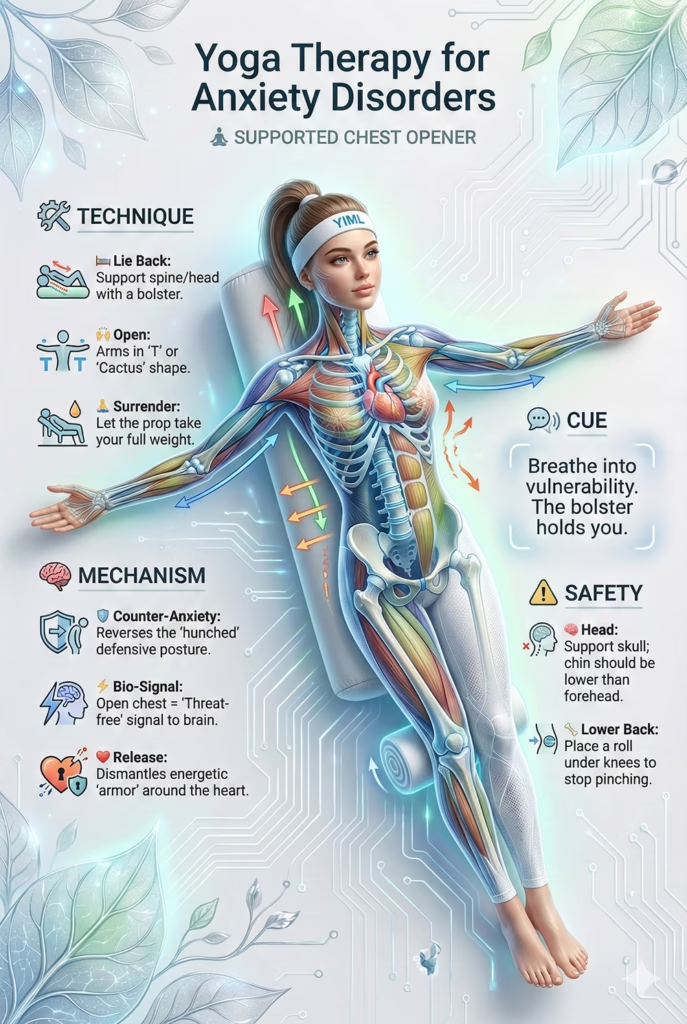
5. Supported Reclining Chest Opener
- Technique: Place a bolster or tightly rolled blanket longitudinally on the mat. Lie back so the prop supports the entire spine and head. Open the arms out to the sides (T-shape or Cactus arms).
- Why it works: Biomechanically, it counteracts the “fetal,” hunched posture typical of a defensive, anxious state by passively stretching the pectorals and intercostals. Neurologically, an open, exposed chest is biologically linked to safety; sustaining this posture sends continuous “threat-free” signals via the vagus nerve to the brain. Energetically, it gently dismantles the energetic “armor” around the Heart Chakra (Anahata).
- Instructor’s Cue: “This pose is the antidote to the defensive crouch of anxiety. The secret is total physical surrender. Let the bolster carry your entire weight. At first, opening your chest might feel highly vulnerable. That is a normal somatic response. Breathe directly into that vulnerability, knowing you are in a completely safe container.”
- Safety Protocol:
- Cervical Support: The head must be fully supported, with the chin slightly lower than the forehead. If the head drops back into extension, place an extra folded blanket under the skull.
- Lumbar Comfort: If the lower back pinches, place a rolled blanket under the knees to posteriorly tilt the pelvis and flatten the lumbar spine.
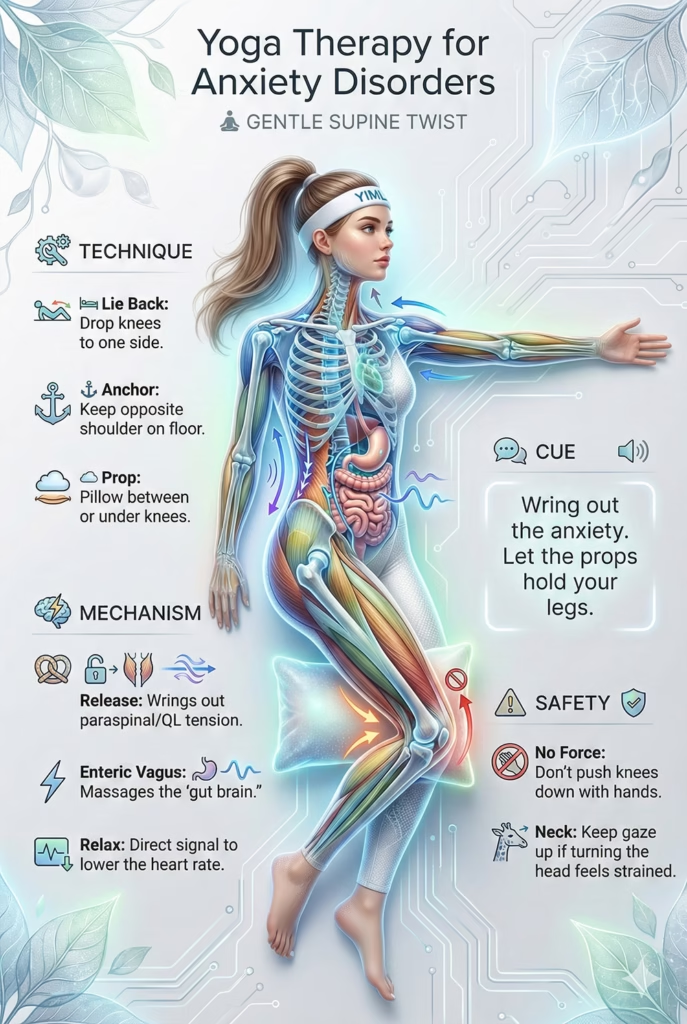
6. Gentle Supine Twist
- Technique: Lie supine with knees bent. Gently drop both knees to one side while keeping the opposite shoulder anchored to the floor. Place a pillow between or under the knees for support.
- Why it works: Biomechanically, it wrings out tension in the deep paraspinal muscles and Quadratus Lumborum (QL). Neurologically, the twisting motion combined with diaphragmatic breathing acts as a gentle visceral massage, stimulating the vagus nerve in the gut (the enteric nervous system) to enhance the relaxation response.
- Instructor’s Cue: “Think of this as gently wringing the anxiety out of your nervous system. The key is the props. Always place a pillow under your knees so your legs don’t have to ‘hover.’ When the body feels fully supported by the floor and the props, the deep spinal muscles finally feel safe enough to let go.”
- Safety Protocol:
- No Forcing: Never use your hands to force the knees to the floor. Any muscular straining activates the sympathetic nervous system, defeating the purpose of the pose.
- Neutral Neck: Only turn the head in the opposite direction if it feels entirely strain-free. Otherwise, keep the gaze straight up.
Module 3: Restorative & Deep Vagal Stimulation Poses Target: To utilize props and gravity to induce maximal parasympathetic dominance, shifting the nervous system into a state of profound “rest and repair.”
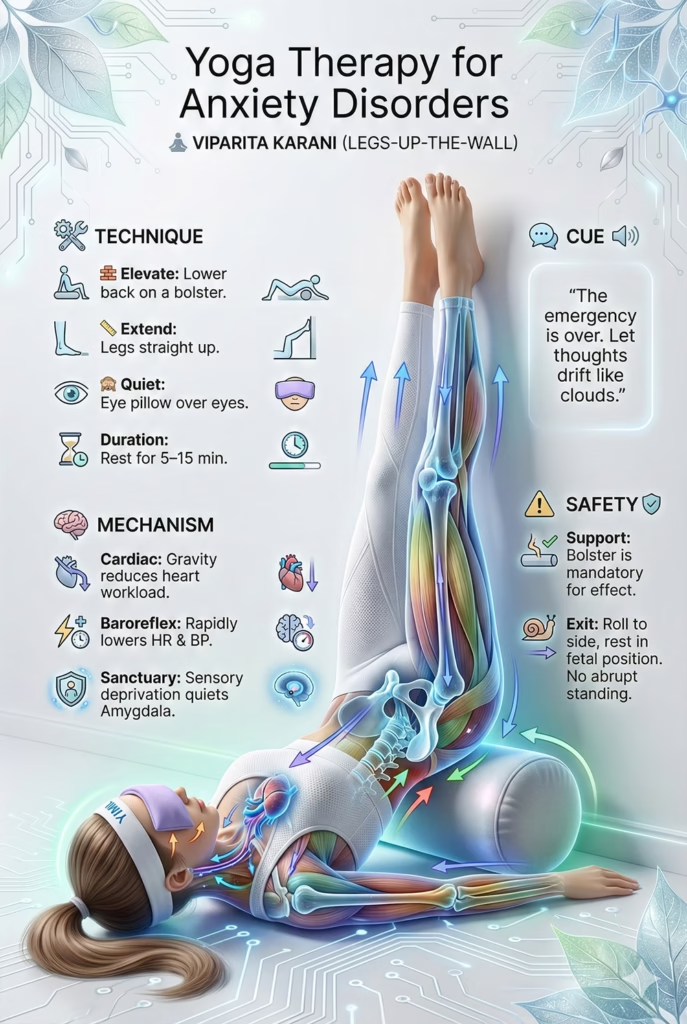
7. Viparita Karani (Legs-Up-The-Wall)
- Technique: Lie supine with the pelvis elevated on a bolster or folded blanket, and extend the legs straight up a wall. Place an eye pillow over the eyes. Rest for 5-15 minutes.
- Why it works: This is arguably the most potent anti-anxiety posture. Biomechanically, gravity facilitates venous and lymphatic return, reducing cardiac workload. Neurologically, it stimulates baroreceptors in the neck and chest, triggering the baroreflex—a physiological mechanism that rapidly slows the heart rate and lowers blood pressure. The eye pillow induces sensory deprivation, further quieting the amygdala.
- Instructor’s Cue: “Consider this your ultimate neurological sanctuary. When your mind is spinning, elevating your legs and elevating your pelvis sends a massive biological signal that ‘the emergency is over.’ Don’t fight your racing thoughts; let them drift by like clouds. Your breath is the anchor.”
- Safety Protocol:
- Mandatory Pelvic Elevation: The bolster under the pelvis is not optional; it is required to achieve the therapeutic inversion effect and prevent lower back strain.
- Exit Strategy: Always exit slowly. Slide the feet down the wall, draw knees to chest, roll to one side, and rest in the fetal position. Standing up abruptly can trigger orthostatic hypotension (dizziness) and reignite panic.
8. Supported Supta Baddha Konasana (Reclining Bound Angle)
- Technique: Recline over a longitudinal bolster. Bring the soles of the feet together, letting the knees drop open. Crucially: Place yoga blocks or firm pillows snugly under each outer thigh/knee.
- Why it works: Biomechanically, it passively opens the adductors, hips, and chest. Neurologically, supporting the heavy thigh bones signals absolute physical safety, allowing the pelvic floor (which tightens during anxiety) to completely release. Energetically, it grounds the Root Chakra while opening the Heart.
- Instructor’s Cue: “Think of this pose as a safe nest. The golden rule here is thigh support. Wedge those blocks so high under your legs that you feel zero stretching in your groins. You want the sensation of your legs floating on clouds. When the pelvis feels this secure, the heart naturally softens and opens.”

- Safety Protocol:
- Mandatory Thigh Support: Un-propped knees pull on the groin and lower back, causing the body to subconsciously brace (a sympathetic response). Props must take 100% of the legs’ weight.
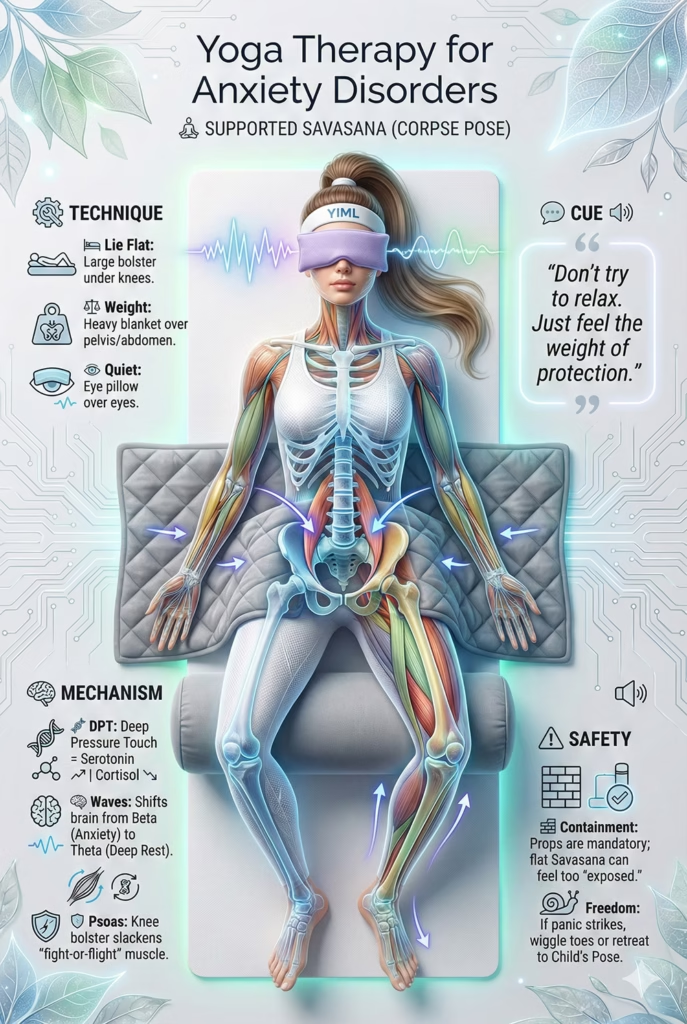
9. Supported Savasana (Corpse Pose) with Deep Pressure
- Technique: Lie supine. Place a large bolster under the knees. Place a heavy, folded blanket over the pelvis and abdomen. Place an eye pillow over the eyes.
- Why it works: Biomechanically, the knee bolster slackens the psoas muscle, flattening the lumbar spine against the floor. Neurologically, the weighted blanket provides Deep Pressure Touch (DPT). DPT is scientifically proven to increase the release of serotonin and dopamine while decreasing cortisol, shifting brainwaves from anxious Beta to relaxed Alpha and Theta states. Deep relaxation is also effective for other mood disorders. Read our analysis on Yoga for Depressive Disorder: A Systematic Review.
- Instructor’s Cue: “This is the most critical, yet most challenging pose for an anxious mind. Your mind will not immediately go quiet—do not fight it. Instead, focus entirely on the physical sensation of the weighted blanket. It is a biological signal of protection. Don’t try to relax; just observe the feeling of being held by the earth.”
- Safety Protocol:
- Props are the Therapy: For anxiety, a flat Savasana is often too exposing and can trigger a panic attack. The bolster, weighted blanket, and eye pillow provide the necessary proprioceptive containment to soothe the nervous system.
- Self-Compassion: If staying still induces panic, it is perfectly acceptable to gently wiggle the fingers and toes, or return to Child’s Pose. Stillness takes practice.
B. Pranayama (Breathwork)
General Reminder: For anxiety disorders, breathing exercises are the most direct and potent intervention available. The physiological goal is always to decelerate the respiratory rate and prolong the exhalation to signal absolute safety to the brain.
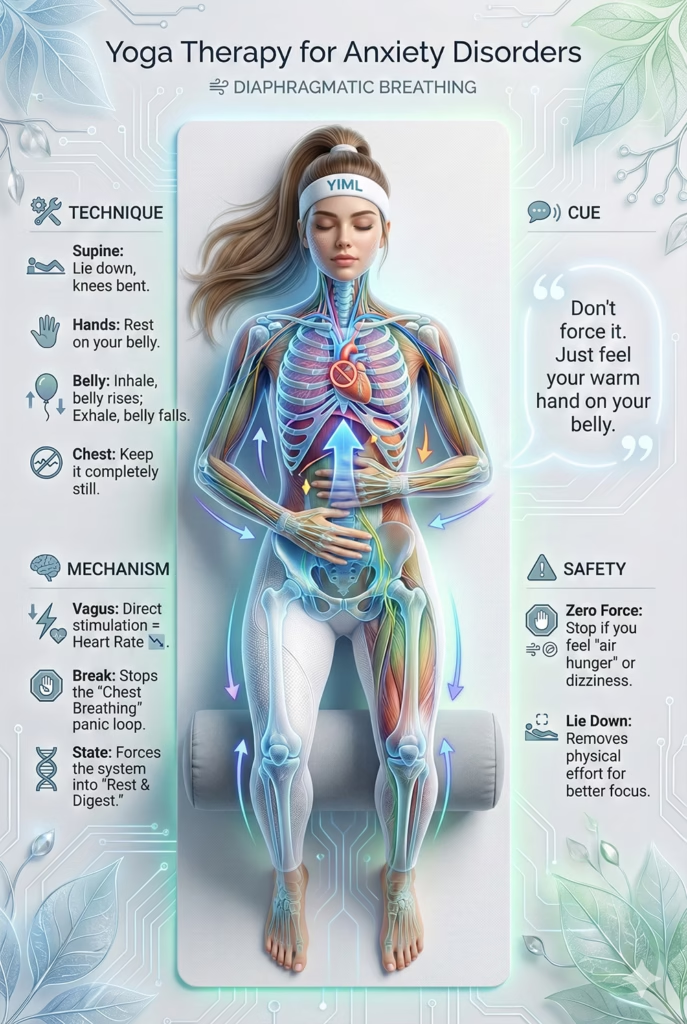
1. Diaphragmatic Breathing (Belly Breathing)
- Technique: Lie supine with knees bent. Place hands on the abdomen. Breathe exclusively into the belly, feeling it rise on the inhale and fall on the exhale, keeping the chest completely still.
- Why it works: Anxiety induces shallow, rapid, apical (chest) breathing, which biologically sustains the “fight-or-flight” response. Diaphragmatic breathing directly stimulates the vagus nerve, rapidly decelerating the heart rate, lowering blood pressure, and forcing the nervous system into a “rest and digest” state. It is the foundational real-time anxiety management skill.
- Instructor’s Cue: “When you are anxious, trying to force a deep breath can actually cause more panic. Don’t try to change your breath immediately. Just place your warm hand on your belly and observe. After a few rounds, gently invite the exhale to linger just a second longer. Your breath will deepen naturally when it feels safe, not when it is forced.”
- Safety Protocol:
- Zero Forcing: If you feel “air hunger,” dizziness, or increased panic, stop immediately and let your breath return to its natural rhythm.
- Supine Initiation: Always learn this technique lying down; it removes postural effort and allows complete somatic focus.
2. 1:2 Ratio Breathing
- Technique: Inhale for a count of 4; exhale for a count of 8.
- Why it works: The exhalation phase is neurologically linked to the parasympathetic nervous system. Mathematically doubling the exhale time hyper-focuses the body on the relaxation phase, making it one of the fastest ways to abort an escalating panic attack.
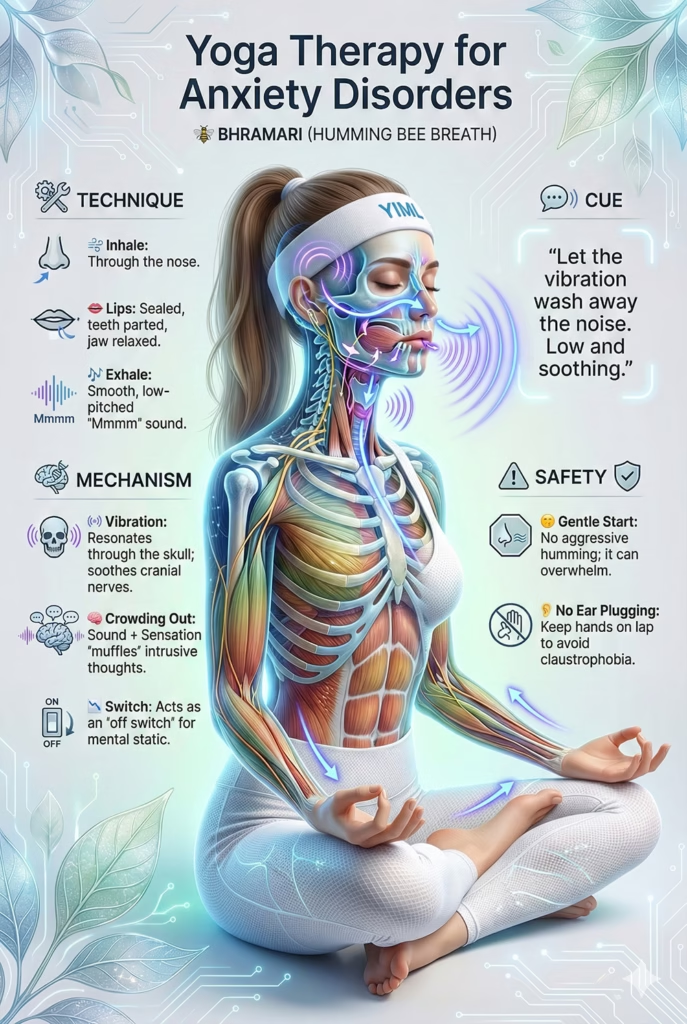
3. Bhramari Pranayama (Humming Bee Breath)
- Technique: Inhale through the nose. Keep the jaw relaxed, lips sealed, and teeth slightly parted. Exhale while making a smooth, low-pitched humming sound (“Mmmmm”).
- Why it works: The subtle vibration resonates through the skull, directly soothing the cranial nerves. Furthermore, the auditory and somatic sensation of humming consumes the brain’s processing capacity, effectively “crowding out” intrusive, catastrophic thoughts.
- Instructor’s Cue: “Think of this breath as an ‘off switch’ for your racing mind. Make the hum as low and soothing as possible. Feel the vibration in your forehead and sinuses, letting it wash away the mental static.”
- Safety Protocol:
- Start Gently: A loud or aggressive vibration can overwhelm a highly sensitized nervous system.
- Do Not Plug Ears: While traditional Bhramari uses Shanmukhi Mudra (plugging the ears/eyes), this can induce claustrophobia in anxious patients. Simply rest your hands on your lap.
C. Meditation & Deep Relaxation
1. Body Scan Meditation
- Technique: Rest in a supported posture. Systematically move awareness through the body, observing sensations without judgment.
- Why it works: Anxiety traps you in a catastrophic future. The Body Scan pulls consciousness back into the present-moment physical body. It teaches the brain to recognize and consciously release unconscious muscular bracing, severing the biofeedback loop between a tense body and a terrified mind.
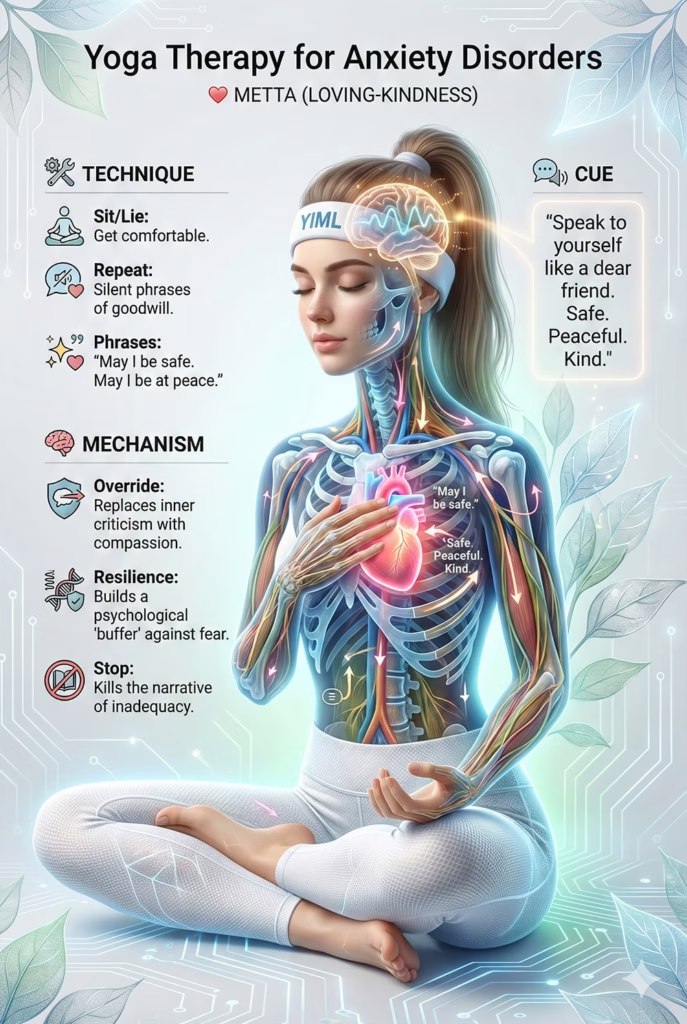
2. Metta (Loving-Kindness) Meditation
- Technique: Silently repeat phrases of goodwill directed at oneself (e.g., “May I be safe. May I be at peace.”).
- Why it works: Anxiety is frequently accompanied by harsh inner criticism. Metta neurologically overrides the internal narrative of fear and inadequacy with self-compassion, building internal psychological resilience.
3. Yoga Nidra (Yogic Sleep)
- Technique: A guided systematic relaxation practiced in Supported Savasana.
- Why it works: Chronic anxiety causes profound systemic exhaustion. Yoga Nidra drops brainwaves into deep Theta and Delta states, providing rest that is often more restorative than normal sleep. It resets the autonomic baseline, lowering chronic hyperarousal.
D. Mudra & Mantra (Optional)
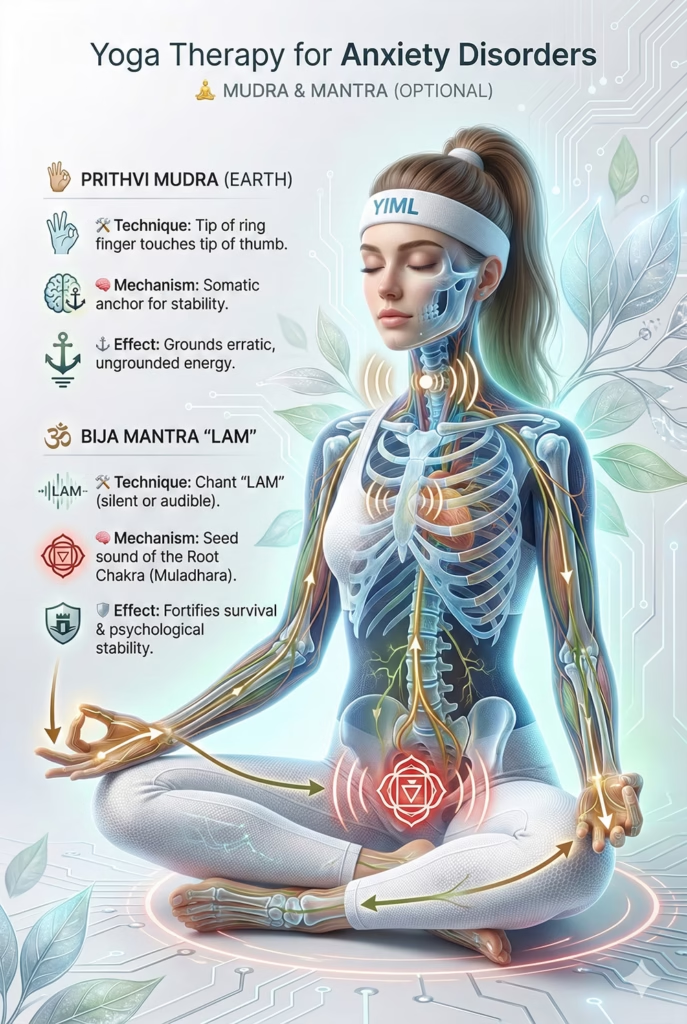
1. Prithvi Mudra (Earth Mudra)
- Technique: Lightly touch the tip of the ring finger to the tip of the thumb.
- Why it works: Enhances the Earth element, providing a somatic anchor of stability and grounding to counteract the ungrounded, erratic energy of Vata dosha.
2. Bija Mantra “LAM”
- Technique: Silently or audibly chant “LAM,” focusing on the base of the spine.
- Why it works: “LAM” is the seed sound of the Root Chakra (Muladhara), the epicenter of safety and survival. Its vibration fortifies psychological stability.
Part IV: Integration & Practice Protocols
WARNING: If your anxiety escalates during this practice, immediately transition to Child’s Pose or simply lie still. Sensation over shape is the rule.
Suggested 25-Minute Soothing Sequence
Preparation (2 mins): Create a sensory-safe container: dim lights, silence notifications. Have a bolster, blankets, and an eye pillow ready.
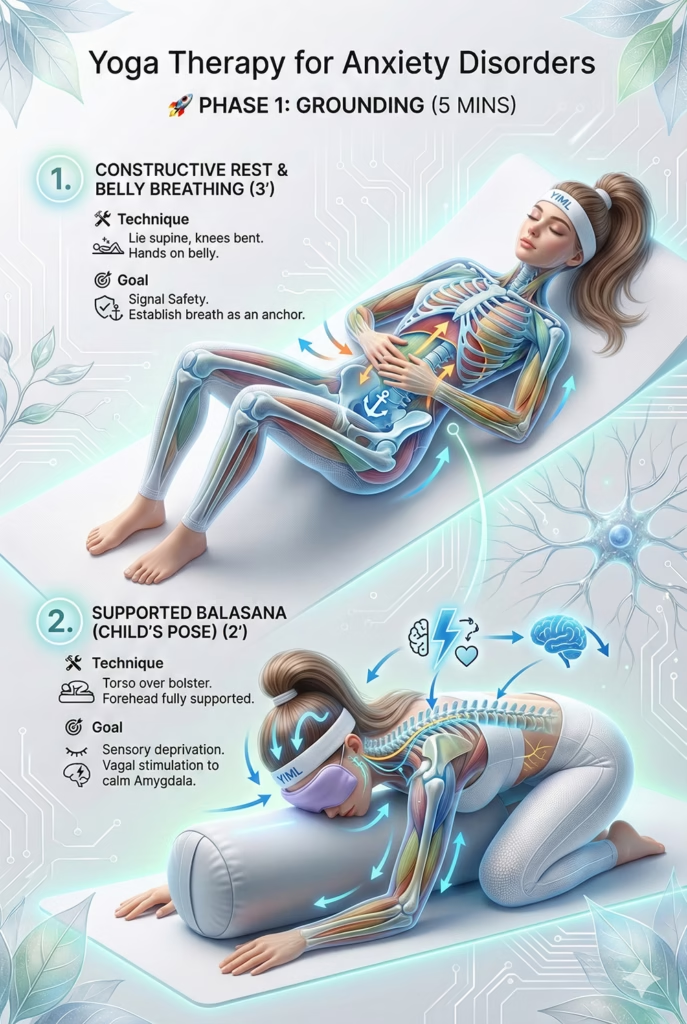
Phase 1: Grounding & Centering (5 mins) 1. Supine Constructive Rest & Belly Breathing (3 mins)
- Technique: Lie supine, knees bent. Hands on belly. Observe the breath.
- Goal: Immediately signals physical safety and establishes the breath as an anchor.
2. Supported Balasana (Child’s Pose) (2 mins)
- Technique: Rest torso over a bolster; ensure the forehead is fully supported.
- Goal: Sensory deprivation and vagal stimulation to soothe the amygdala.
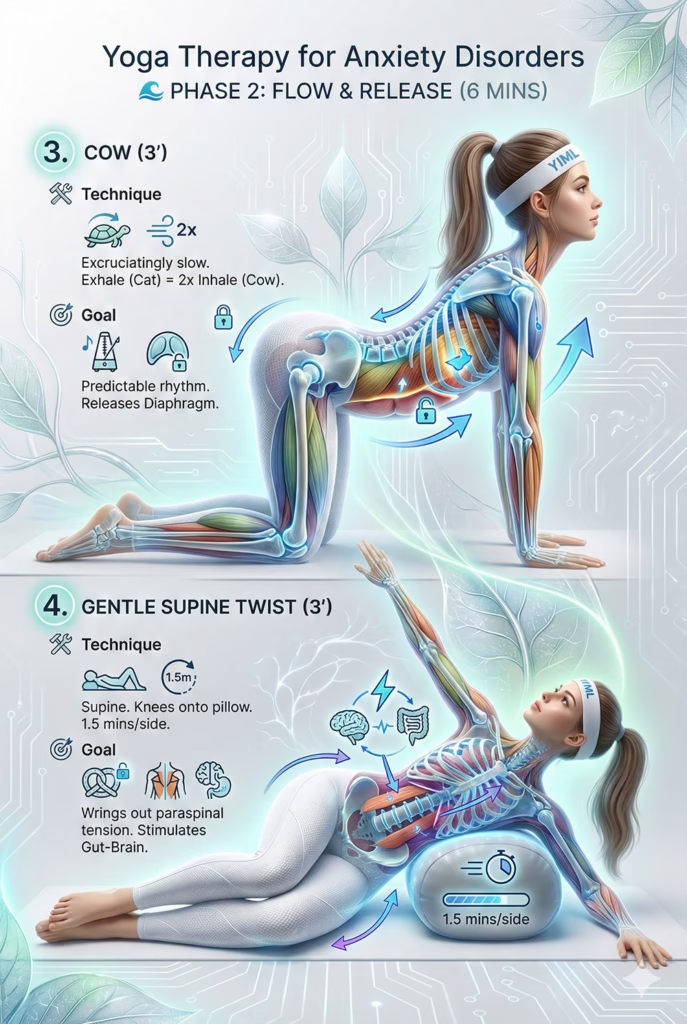
Phase 2: Mindful Somatic Movement (6 mins)
3. Marjaryasana-Bitilasana (Cat-Cow) (3 mins)
- Technique: Move excruciatingly slow. Exhale into Cat for twice as long as the inhale into Cow.
- Goal: Rhythmic, predictable movement down-regulates the nervous system and releases the diaphragm.
4. Gentle Supine Twist (3 mins)
- Technique: Supine, drop knees to one side onto a pillow. Hold 1.5 mins per side.
- Goal: Wrings out deep paraspinal tension; stimulates the enteric nervous system (gut).
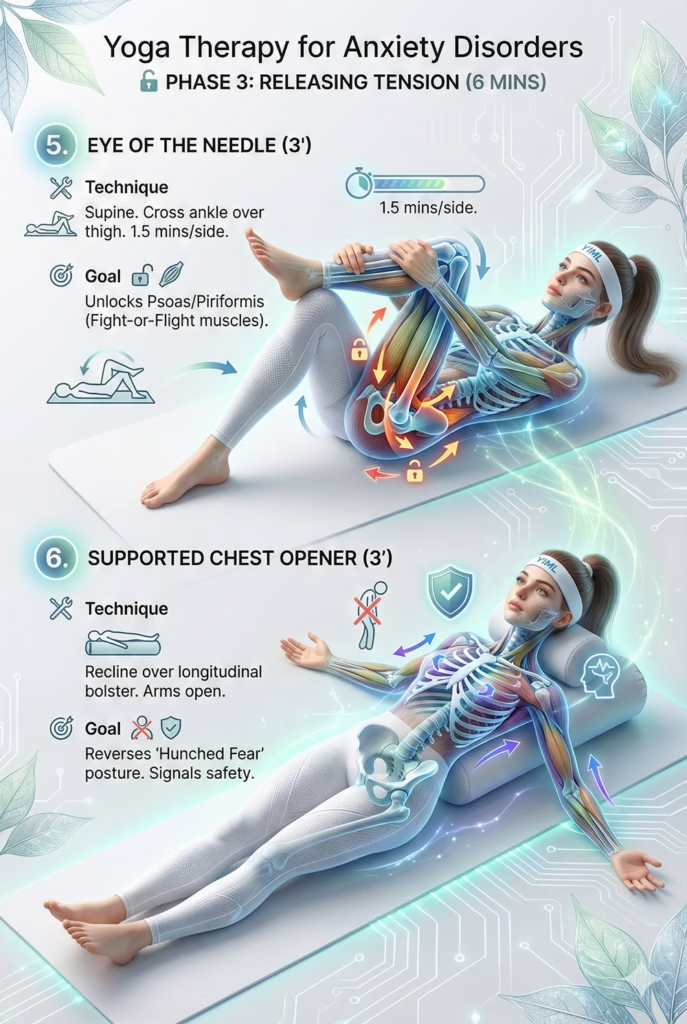
Phase 3: Releasing “Stored” Tension (6 mins)
5. Sucirandhrasana (Supine Eye of the Needle) (3 mins)
- Technique: Supine, cross one ankle over the opposite thigh. Gently draw in. Hold 1.5 mins per side.
- Goal: Releases the psoas and piriformis, unlocking the physiological “fight-or-flight” posture.
6. Supported Reclining Chest Opener (3 mins)
- Technique: Recline over a longitudinal bolster. Arms open.
- Goal: Counteracts the defensive, hunched posture of fear; signals vulnerability is safe.
Phase 4: Profound Restoration (6 mins)
7. Viparita Karani (Legs-Up-The-Wall)
- Technique: Pelvis elevated on a bolster, legs up the wall. Eye pillow on. Combine with silent Metta meditation (“May I be safe”).
- Goal: The ultimate anxiolytic posture. Triggers the baroreflex to rapidly lower heart rate while neurologically reprogramming the fear narrative.

Lifestyle & Ayurvedic Protocols for Anxiety
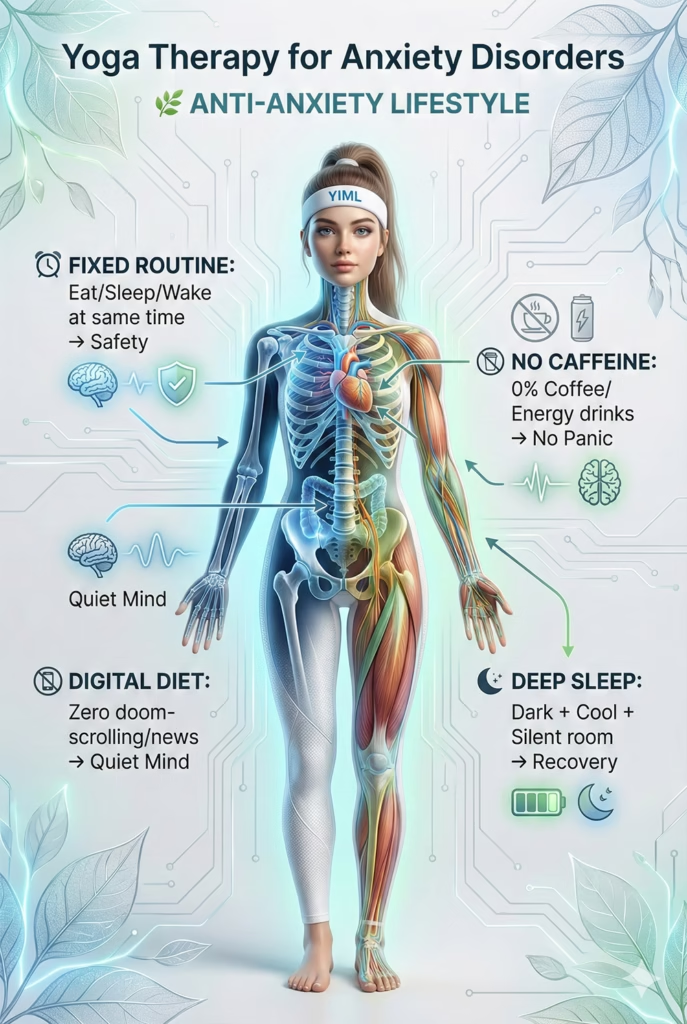
Daily Micro-Habits
- Routine is Medicine: Anxiety thrives in chaos. A rigid daily schedule (waking, eating, sleeping at the same time) provides a predictable framework that deeply soothes the nervous system.
- Sensory Dieting: Aggressively limit doom-scrolling and negative news, especially upon waking and before sleep.
- Eliminate Stimulants: Caffeine mimics the exact physiological profile of a panic attack (tachycardia, jitteriness). Taper off coffee and energy drinks entirely.
- Prioritize Sleep Hygiene: A dark, cool, quiet room is non-negotiable.
Ayurvedic Guidelines (Pacifying Vata Dosha)
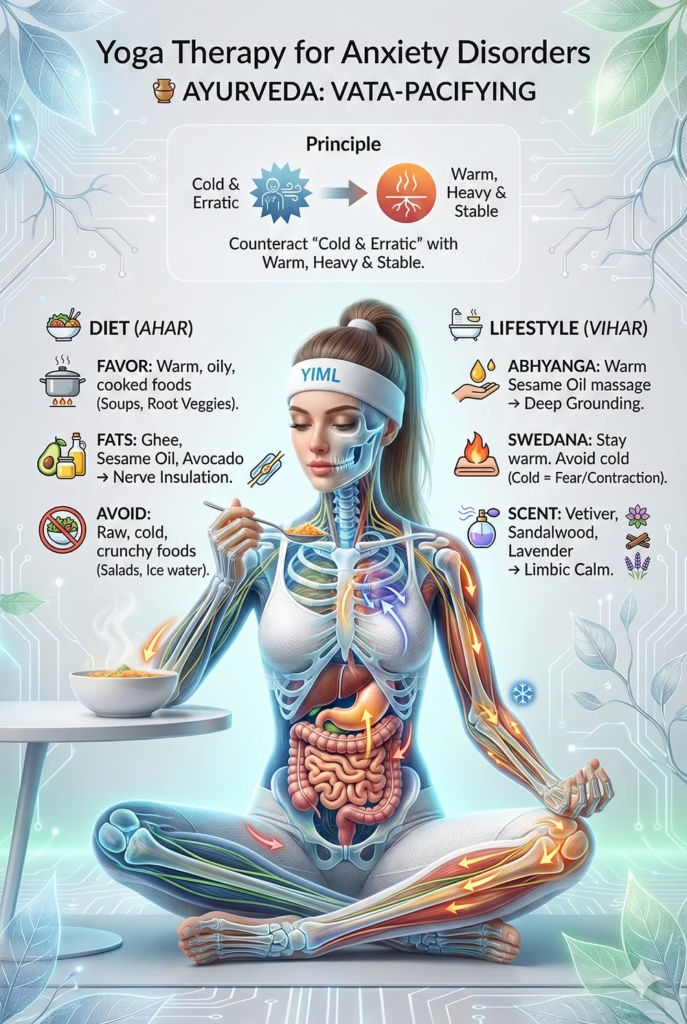
Anxiety is the ultimate Vata derangement (cold, dry, light, erratic). The antidote requires opposing qualities: Warm, Moist, Heavy, and Stable.
1. Dietary Principles (Ahar)
- Favor: Warm, cooked, oily, and heavy foods (soups, stews, root vegetables, oatmeal). These provide deep systemic grounding.
- Healthy Fats: Ghee, sesame oil, and avocados are critical to insulating and nourishing a frayed nervous system.
- Avoid: Cold, raw, dry, and crunchy foods (salads, ice water, crackers), which aggravate Vata’s erratic nature.
2. Lifestyle Practices (Vihar)
- Abhyanga (Warm Oil Massage): The most potent Ayurvedic therapy for anxiety. Massaging the body with warm sesame oil before a shower heavily grounds the nervous system and provides profound tactile containment.
- Warmth (Swedana): Keep the body strictly warm. Cold environments trigger physiological contraction and fear.
- Aromatherapy: Utilize grounding essential oils like Vetiver, Sandalwood, and Lavender to olfactory-stimulate the limbic system toward calm.
Anxiety often causes us to ‘brace’ our core, leading to chronic back issues. If you’re experiencing this, explore our roadmaps for Chronic Low Back Pain
Part V: Conclusion
The therapeutic yoga approach to anxiety is a journey of somatosensory reclamation. It is not a magical cure that permanently erases fear; rather, it equips the patient with a robust toolkit to navigate emotional turbulence without being swept away by it. By combining grounding Asana to release somatic bracing, Pranayama to hijack the vagus nerve, and Meditation to cultivate radical self-compassion, Yoga constructs an indestructible internal sanctuary. The ultimate goal is to build a nervous system resilient enough to experience anxiety without identifying with it.
Medical Disclaimer
IMPORTANT: This content is for informational and educational purposes only. It is NOT a substitute for professional psychiatric diagnosis, psychological therapy, or psychopharmacological treatment.
- Anxiety disorders are severe medical conditions. A comprehensive treatment plan guided by a mental health professional is imperative.
- Never disregard professional medical advice or delay seeking it based on this guide.
- 🚨 RED FLAG WARNING: Seek immediate emergency psychiatric care if you experience suicidal ideation, self-harm impulses, relentless panic attacks, or an inability to function in daily life.
References
Medical & Scientific Sources
- Zaccaro, A., et al. (2018). How Breath-Control Can Change Your Life: A Systematic Review on Psycho-Physiological Correlates of Slow Breathing. Frontiers in Human Neuroscience. (https://www.frontiersin.org/articles/10.3389/fnhum.2018.00353/full)
- Rotterdam Study (2018). Meditation and Amygdala Reactivity. (https://pubmed.ncbi.nlm.nih.gov/29417491/)
- Koncz, A., et al. (2023). Interoception and Yoga. (https://pmc.ncbi.nlm.nih.gov/articles/PMC10097994/)
- Cherup, N. P., et al. (2021). Yoga and Grounding in Anxiety. (https://pubmed.ncbi.nlm.nih.gov/32746736/)
- American Psychiatric Association (APA). Diagnostic and Statistical Manual of Mental Disorders (DSM-5).
Yoga Therapy Sources
- Bussing, A., et al. (2012). Effects of Yoga on Mental and Physical Health: A Short Summary of Reviews. Evidence-Based Complementary and Alternative Medicine.
- Frawley, D. (2001). Yoga for Your Type: An Ayurvedic Approach to Your Asana Practice. New Age Books.
- Saraswati, S. S. (2008). Asana Pranayama Mudra Bandha. Bihar School of Yoga.