Every yoga pose offers specific physical and mental benefits. The Cat-Cow Pose is a foundational movement that awakens the spine and promotes full-body flexibility. By coordinating inhalations (chest expansion) with exhalations (spinal rounding), it relieves back and shoulder tension while introducing beginners to breath-movement synchronization—a core element of yoga practice.
Part I. Origins and Significance
In modern Hatha and Vinyasa practices, Marjaryasana-Bitilasana (Cat-Cow Pose) serves as a vital bridge for breath control. This gentle cycle of spinal flexion and extension synchronizes breath with movement, articulating the spine and grounding the mind in the present moment.
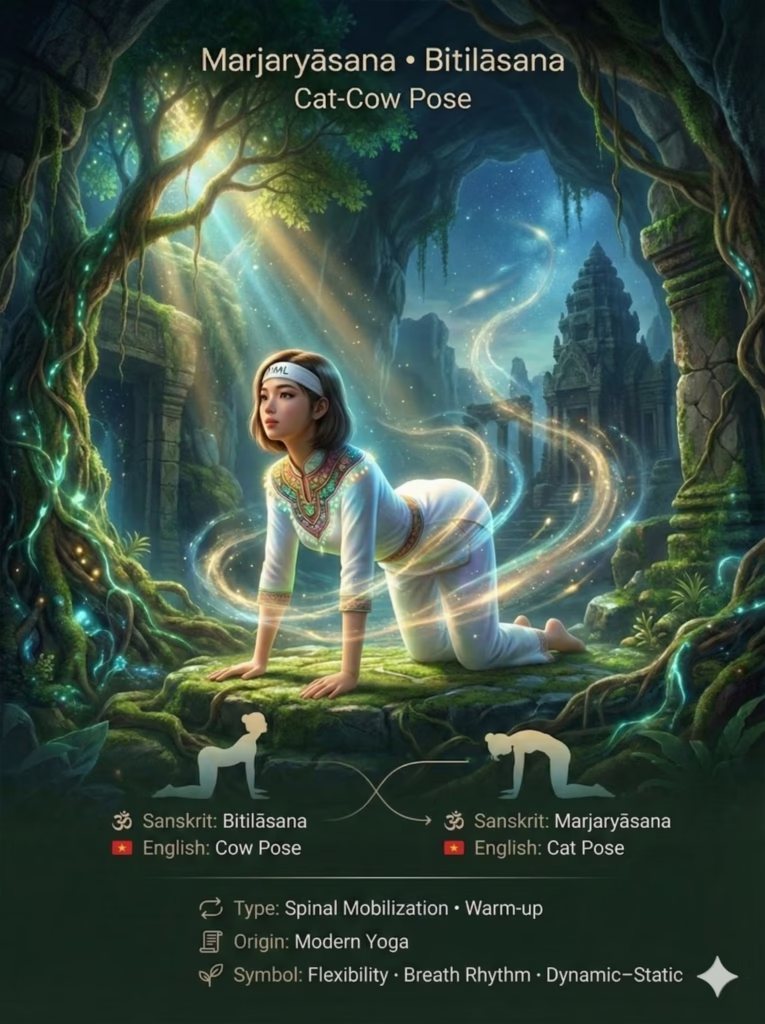
Overview of Marjaryasana–Bitilasana
- Sanskrit Name: Marjaryāsana (मर्जर्यासन) – Cat Pose; Bitilāsana (बितिलासन) – Cow Pose.
- English Name: Cat-Cow Pose.
- Pose Type: Spinal articulation, Warm-up sequence, Breath-movement synchronization.
- Primary Text: Absent from classical Hatha Yoga texts; developed and popularized in modern yoga as a safe spinal warm-up.
- Philosophical Symbolism: Flexibility, Respiratory rhythm, Harmony between motion and stillness.
- Main Challenge: Synchronizing inhalation (spinal extension) and exhalation (spinal flexion) without losing control or excessively tensing the muscles.
Origins and Context
These animal-inspired poses are widespread in modern yoga but absent from classical texts like the Hatha Yoga Pradipika or Gheranda Samhita. The sequence has become integral to contemporary classes due to its simplicity, gentle spinal articulation, and universal accessibility.
Modern medicine also values this alternating flexion-extension cycle for improving flexibility, lubricating vertebrae, and reducing back injury risks. Consequently, it is a standard warm-up in yoga therapy, Pilates, and clinical rehabilitation.
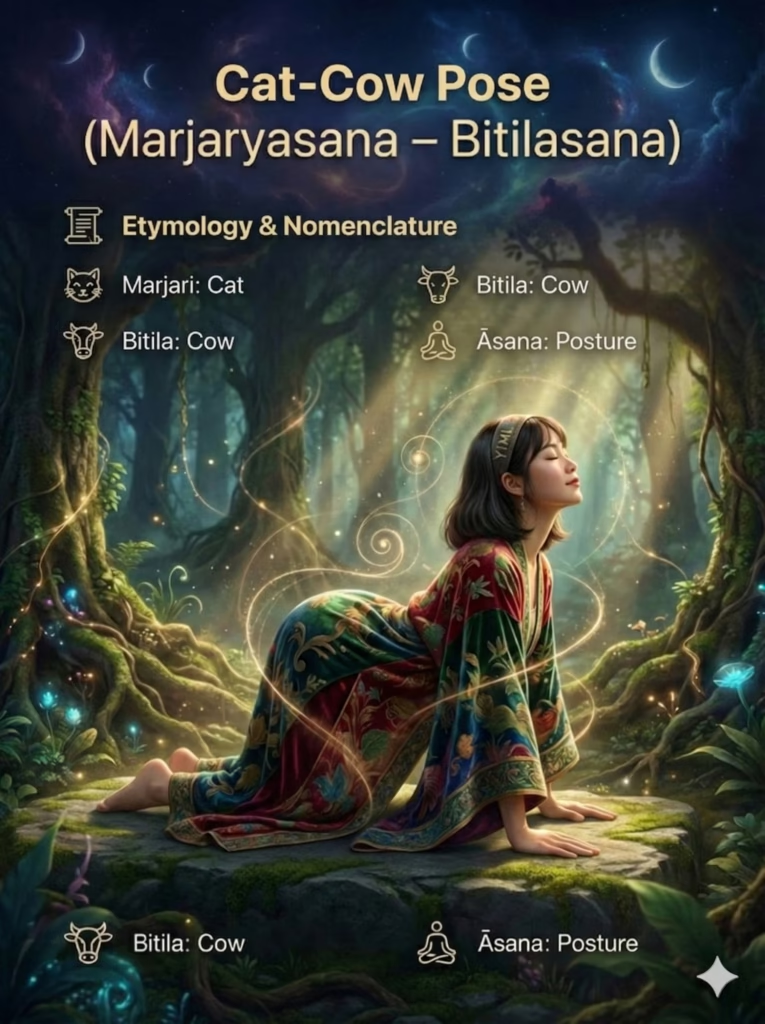
Etymology
- Marjari (मर्जरि): Cat
- Bitila (बितिल): Cow
- Āsana (आसन): Pose
The names visually simulate these animals: a rounded back like a stretching cat (Marjaryasana), and a dropped spine with an open chest like a cow (Bitilasana). Together, they create a fluid spinal movement.
Philosophical Symbolism
At a deeper level, Cat-Cow represents the rhythm of life:
- Contraction and Expansion: Reflecting natural breathing cycles, it encourages the acceptance of both extremes.
- Energy Flow: Smooth spinal movements facilitate prāṇa circulation, harmonizing the body and mind.
- Mindful Listening: The sequence invites practitioners to observe each vertebra and breath, cultivating physical presence.
Energetically, Cat-Cow activates the Sushumna Nadi* (the central energy channel). The alternating movements pump prana* along the spine, nourishing the chakras.
Role in Practice
- Warm-up: A staple at the start of most yoga classes, it wakes up the vertebrae, releases stiffness, and prepares the body for subsequent asanas.
- Breath Connection: Synchronizing inhalation (Cow) and exhalation (Cat) fosters the union of movement and prana.
- Spinal Therapy: Frequently recommended by medical professionals for back pain, it safely decompresses vertebrae and stimulates cerebrospinal fluid circulation.
- Moving Meditation: When practiced slowly, each breath cycle calms the nervous system and relieves stress.
- Transitional Bridge: Serves as a neutral transition between dynamic poses, backbends, or restorative practices.
Timelessness and Applications
The sequence’s strength lies in its universality and simplicity, benefiting everyone from beginners to advanced practitioners. In yoga therapy, it is a premier back exercise for maintaining flexibility and relieving spinal tension. In meditation, it acts as a physical transition, preparing the body for prolonged stillness.
From dynamic Vinyasa classes to medical rehabilitation, Cat-Cow remains a foundational, nourishing movement, emphasizing that bodily awareness is the first step toward advanced practice.
Part II. Anatomy and Biomechanics of Cat-Cow Pose
This section analyzes the anatomy and biomechanics of the Cat-Cow sequence. This alternating movement between spinal flexion (Cat) and extension (Cow) creates rhythmic mobility along the entire spine. We will examine the roles of the vertebrae, the core and back muscles that control the movement, and the coordination of the shoulder and hip joints.
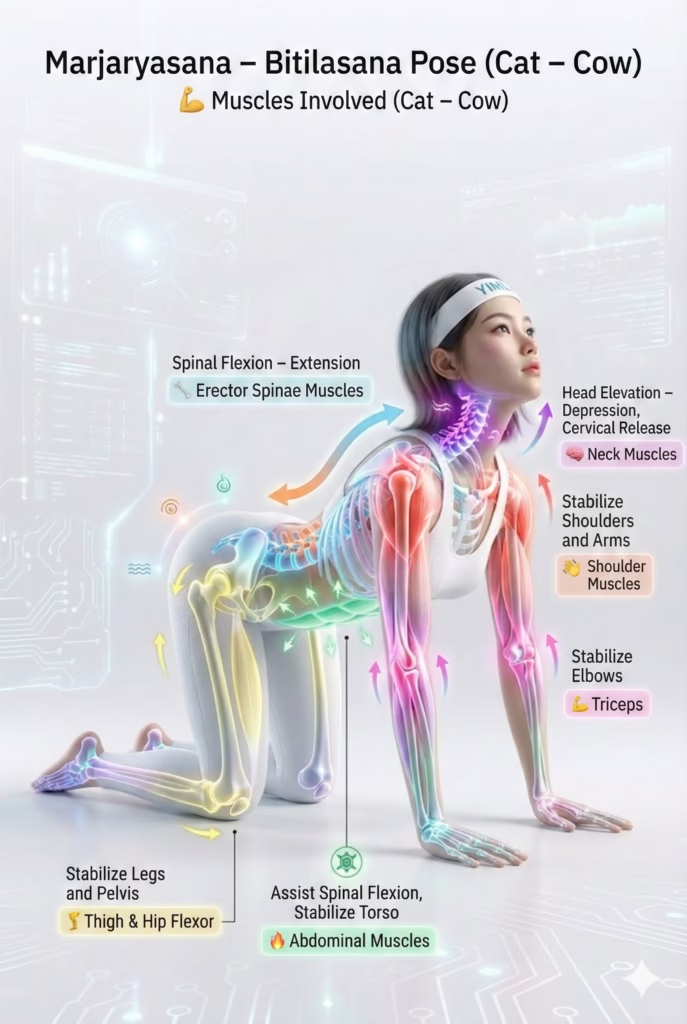
Muscles Involved
- Back Muscles (Erector spinae):* The iliocostalis, longissimus, and spinalis engage to extend and lengthen the spine.
- Neck Muscles (Splenius capitis & Sternocleidomastoid): Elevate the head, creating controlled extension through the cervical spine.
- Abdominal Muscles (Rectus abdominis & Obliques):* Support the trunk and actively drive spinal flexion.
- Shoulder Muscles (Deltoids): Stabilize the arms.
- Arm Muscles (Triceps brachii): Maintain arm and elbow stability.
- Thigh Muscles (Quadriceps & Iliopsoas):* Stabilize the legs and knees.
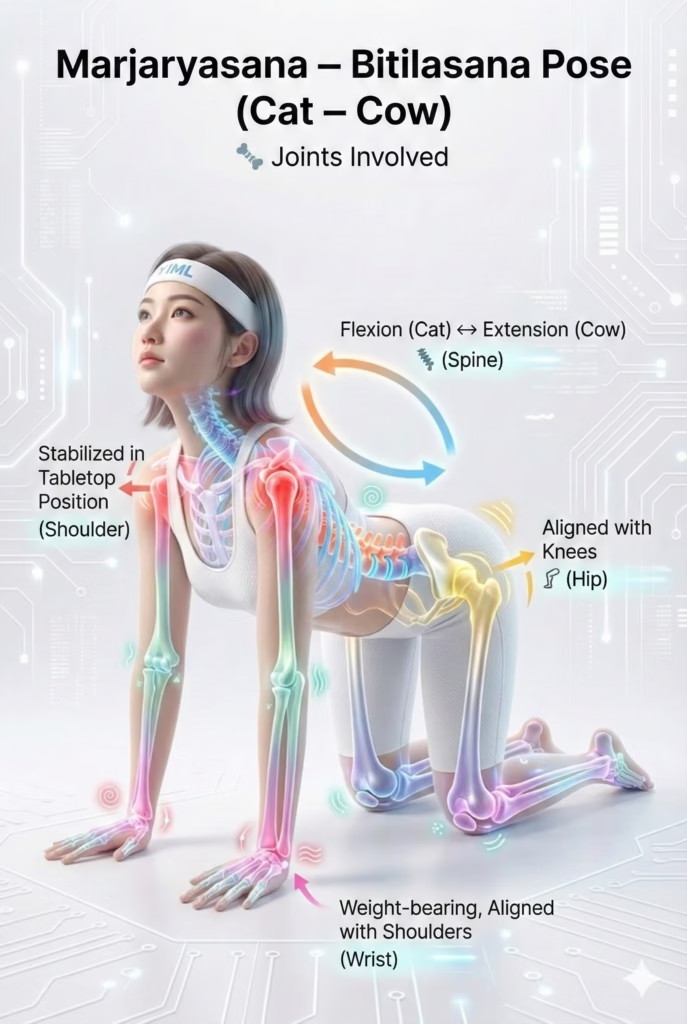
Joints Involved
- Spine:* The primary mover, transitioning fluidly between flexion in Cat and extension in Cow.
- Shoulder joint:* Stabilized in the foundational Tabletop Pose.
- Hip joint:* Kept stable and aligned directly over the knees.
- Wrist joint: Bears body weight, aligned directly under the shoulders.
Biomechanical Analysis of Cat-Cow Pose
Cat-Cow is a fundamental mobility exercise designed to move the spine safely through sagittal plane flexion and extension.
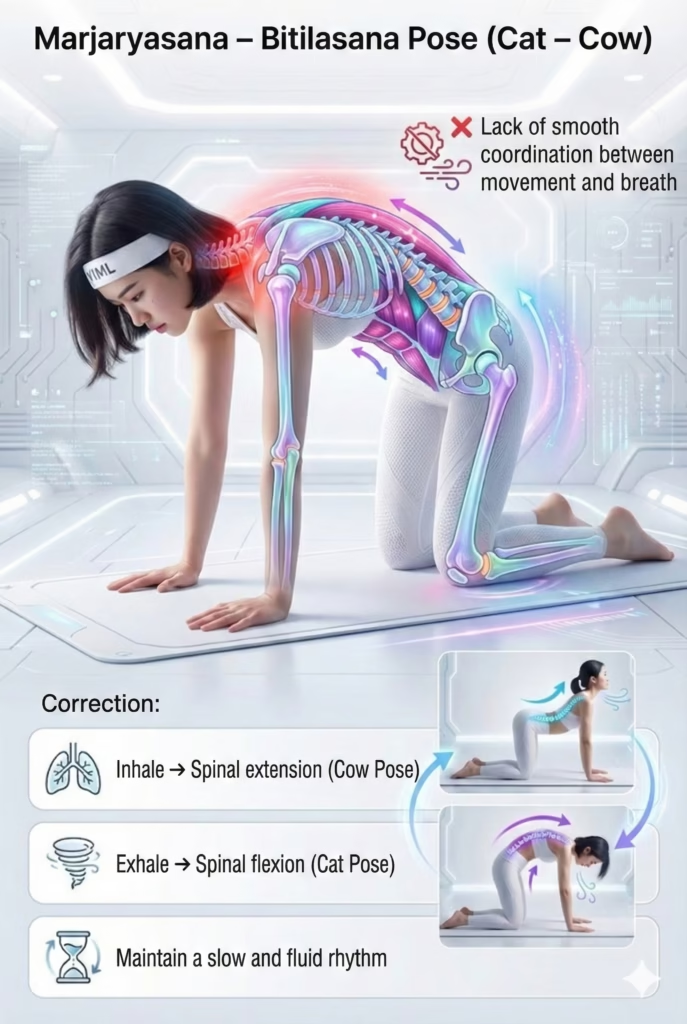
- Spinal Flexion (Cat Pose / Marjaryasana): On the exhale, the rectus abdominis contracts to draw the pubic bone and sternum together. The serratus anterior protracts the scapulae, rounding the upper back. The tailbone tucks, and the chin drops to the chest, creating a uniform spinal curve.
- Spinal Extension (Cow Pose / Bitilasana): On the inhale, the erector spinae engage while the abdominals gently release. The tailbone and crown elevate. To protect the cervical spine, the gaze lifts forward or slightly upward without hyperextending the neck. Hands press actively into the mat to keep the chest broad.
- Stabilizing Girdles (Shoulders and Hips): Throughout the movement, hands remain under the shoulders and knees under the hips, creating a stable “box.” This shoulder and pelvic stability allows the suspended spine to move freely and safely without stressing the joints.

Comparative Biomechanics: Bird Dog vs. Cat–Cow
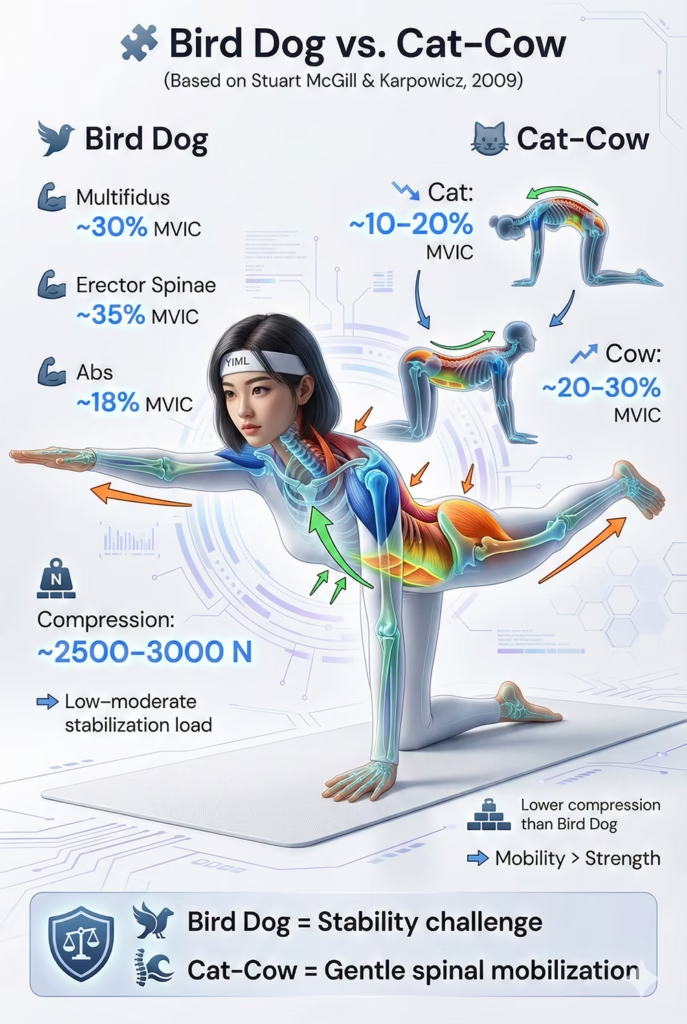
Based on the biomechanical framework established by McGill & Karpowicz (2009), the following analysis distinguishes the muscular activation (MVIC) and spinal loading profiles of these two quadruped movements:
- Bird Dog (Quadruped Reference Model): Classified as a low-to-moderate spinal stabilization exercise. Data shows activation levels of ~30% MVIC for the Multifidus, ~35% MVIC for the Erector Spinae, and ~18% MVIC for the Rectus Abdominis. Spinal compression is maintained at a safe threshold of ~2500–3000 N.
- Cat–Cow (Biomechanical Extrapolation): Due to the absence of limb elevation, the Cat–Cow exhibits lower intensity. The Cat phase reaches ~10–20% MVIC due to the flexion–relaxation phenomenon, while the Cow phase reaches ~20–30% MVIC through active extensor recruitment. Spinal compression remains significantly lower than that of the Bird Dog.
Mechanism and Clinical Positioning
While both exercises share a closed-chain quadruped base and primary spinal extensors, the lack of limb elevation in the Cat–Cow reduces the moment arm and co-contraction demand. This shifts the objective from a stability challenge (Bird Dog) to a motor control and mobility drill.
Due to its characteristic low-load cyclic loading and minimal intradiscal pressure, the LDH recovery roadmap frequently prioritizes Cat–Cow as the gold-standard entry-level intervention for resetting motor control and spinal mobility before progressing to higher-load stabilization tasks.
In summary, Cat-Cow biomechanics involve moving the spine through its full range of flexion and extension, driven by the abdominal and back extensor muscles, all while maintaining a stable foundation in the shoulders and hips.
Part III. Energetics and the Subtle Body
Exploring the energetic and subtle aspects of yoga reveals how the Cat-Cow sequence balances the doshas, stimulates the chakras, and facilitates prana flow, fostering profound physical and mental harmony.
Connection to the Chakras
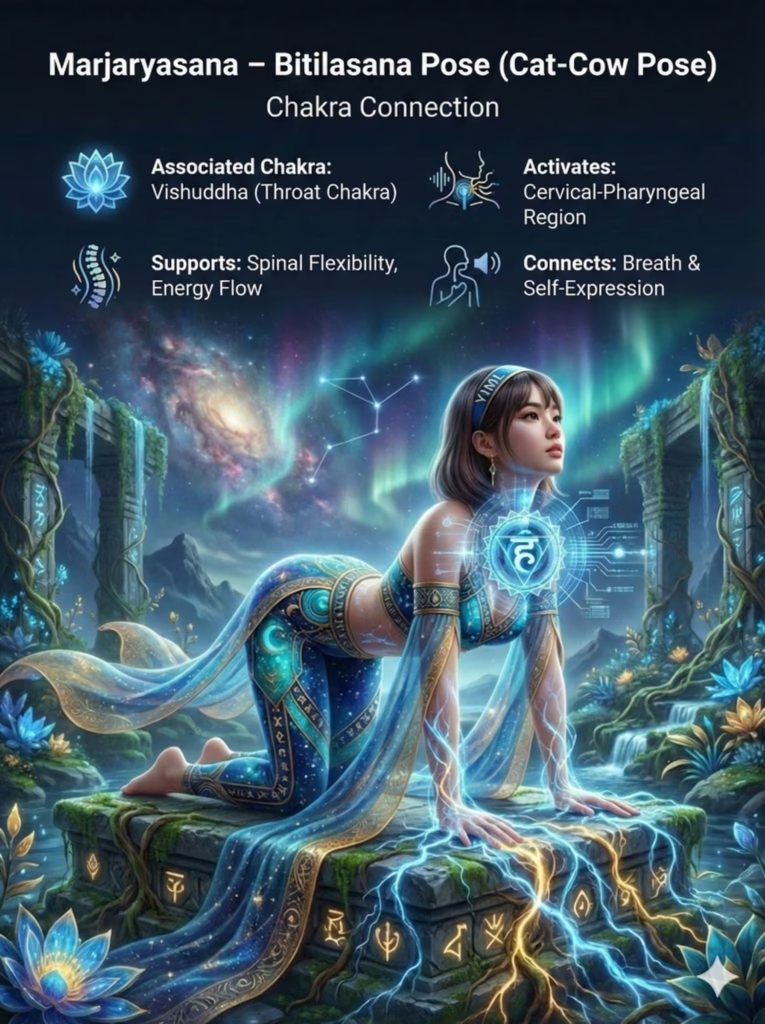
Cat-Cow (Chakravakasana) is highly associated with the 5th chakra, Vishuddha (Throat Chakra), which governs communication and self-expression.
- Throat Chakra Activation: Alternating cervical flexion and extension gently stretches the neck muscles, facilitating free energy flow through this center.
- Spinal Flexibility: A supple spine acts as a conduit for energy. Flexing and extending the back enhances prana distribution to all chakras.
- Breath Integration: Synchronizing breath with movement directs focus to the throat, consciously guiding the energy flow.
Impact on the Doshas
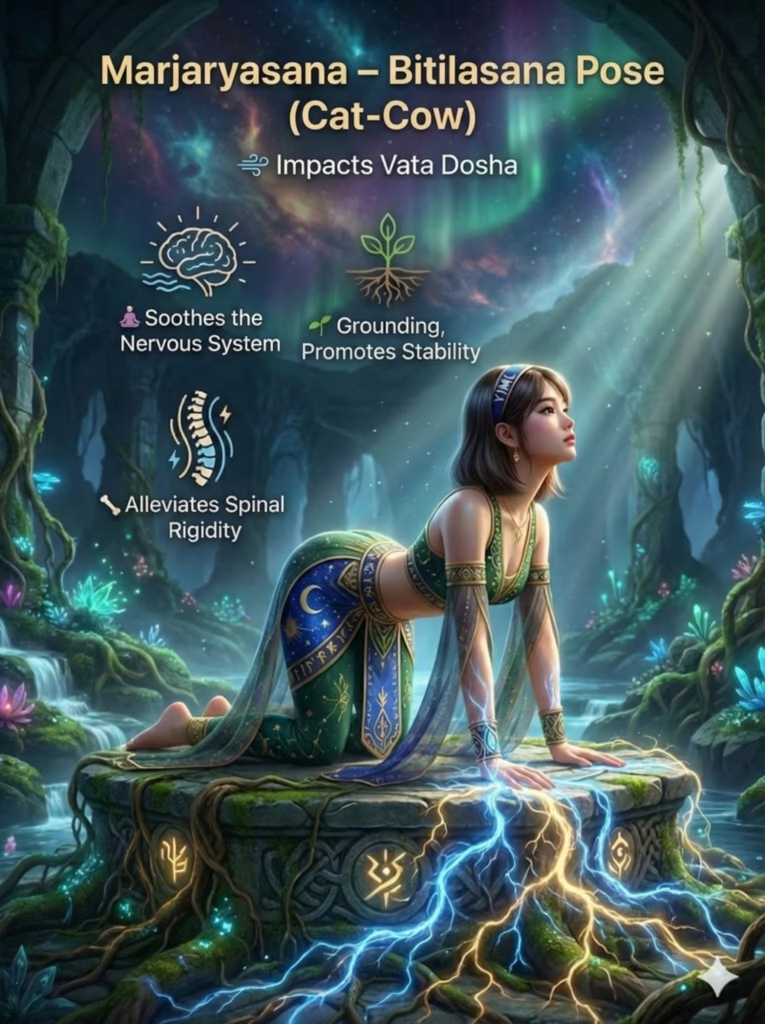
In Ayurveda, Marjaryasana-Bitilasana regulates internal energy and balances the three doshas (Vata, Pitta, and Kapha) by clearing spinal tension and calming the nervous system.
- Vata (Soothing & Grounding): Rhythmic, breath-led movements calm Vata’s easily overstimulated nervous system. The four-point stance provides grounding, while spinal undulation safely lubricates joints and gently massages the abdomen to relieve stagnation. (Tip: Move slowly and avoid jerky motions).
- Pitta (Cooling & Relaxing): This heat-free sequence prevents Pitta aggravation. The meditative synchronization of breath and movement releases neck and shoulder tension while calming a hyper-focused mind. (Tip: Close your eyes to reduce external judgment).

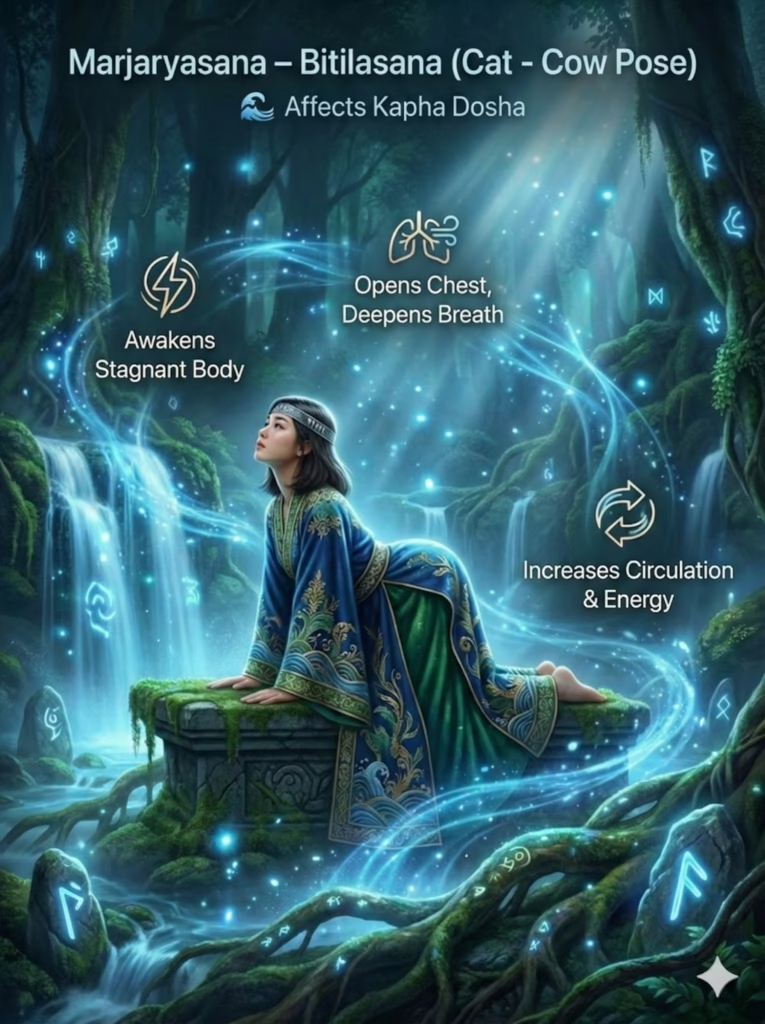
- Kapha (Stimulating & Circulating): Cat-Cow effectively breaks Kapha stagnation. Cow pose expands the chest, countering postural slumping and enhancing lung capacity, while spinal waves stimulate dormant prana. (Tip: Practice at a slightly faster pace and exaggerate the movements).
Impact on the Prana Vayus (Five Vital Winds)
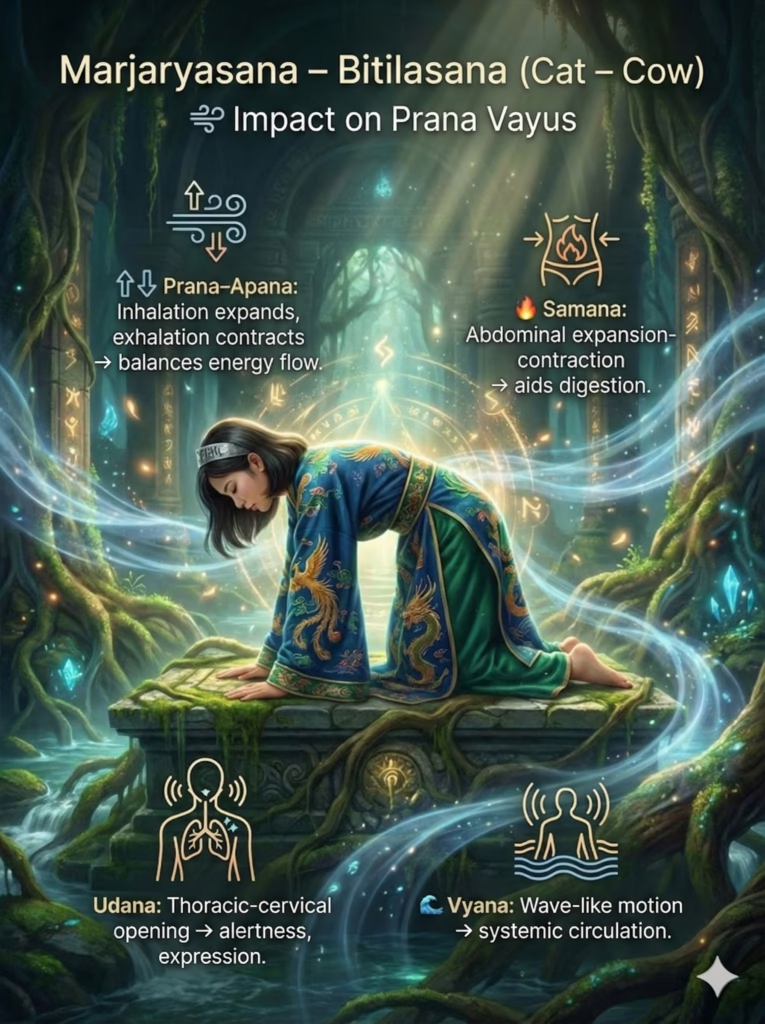
- Prana & Apana Vayu: Inhaling into Cow draws Prana Vayu upward, nourishing the heart and brain. Exhaling into Cat directs Apana Vayu downward, aiding in elimination and detoxification.
- Samana Vayu (Digestion): Abdominal expansion and contraction gently massage internal organs, stimulating circulation and nutrient assimilation without the intensity of deep twists.
- Udana Vayu (Upward Flow): Lifting the chest and opening the trachea in Cow directs energy upward to the throat and head, enhancing mental clarity.
- Vyana Vayu (Circulation): The fluid transition between poses distributes energy outward from the spine to the extremities, naturally nourishing the entire body.
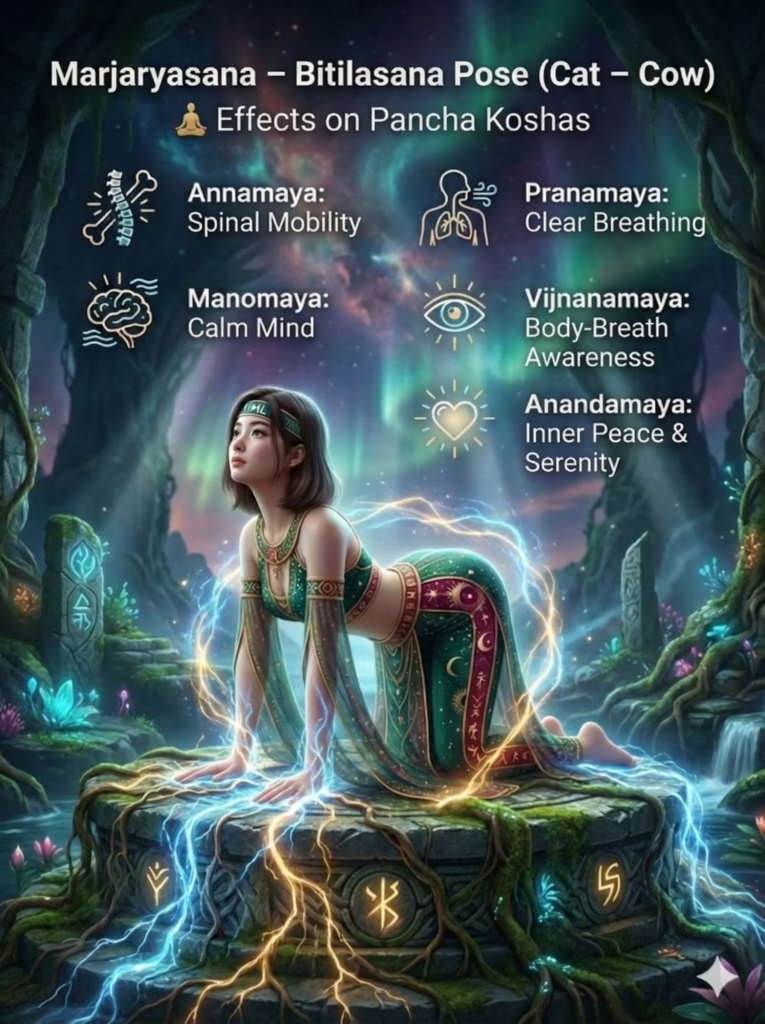
Impact on the Pancha Koshas (Five Sheaths)
- Annamaya Kosha (Physical): Increases spinal mobility and builds stabilizing strength in the wrists and shoulders.
- Pranamaya Kosha (Energetic): Directly links breath (prana) to movement, harmonizing the energetic body.
- Manomaya Kosha (Mental): The rhythmic repetition profoundly soothes the nervous system, alleviating mental and emotional stress.
- Vijnanamaya Kosha (Intellectual): Cultivates mindful, non-judgmental somatic awareness.
- Anandamaya Kosha (Bliss): Fosters a state of unitive joy, where the body, breath, and mind operate as one peaceful, integrated system.
Part IV. Physiological and Psychological Benefits of Cat-Cow (Marjaryasana–Bitilasana)
Rather than maintaining a static posture, Cat-Cow offers a therapeutic, rhythmic flow. By alternating between spinal extension in Cow (Bitilasana) and spinal flexion in Cat (Marjaryasana), it serves as a fundamental Vinyasa practice—linking breath with movement to optimize both physical and mental well-being.
Physiological Impacts
- Nervous System: The meditative synchronization of breath and movement regulates the parasympathetic nervous system, effectively reducing stress, anxiety, and mental overactivity.These autonomic regulatory effects are consistent with findings from randomized controlled trials examining Hatha Yoga for stress and anxiety reduction.
- Cardiovascular System: As a gentle warm-up, it progressively increases blood circulation without overexerting the heart, safely preparing the body for higher-intensity physical demands.
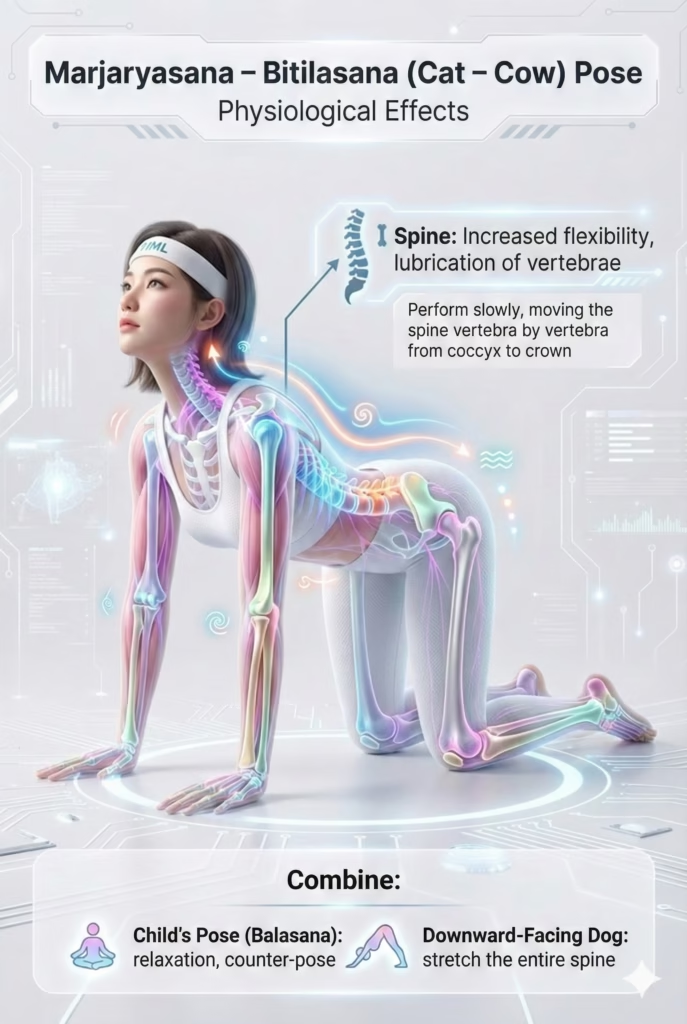
- Musculoskeletal System: This sequence is highly effective for spinal health. It lubricates the vertebrae (from the tailbone to the cervical spine), improves range of motion, and hydrates the intervertebral discs. It also promotes muscular balance by actively stretching the anterior core and chest during Cow, and the posterior back extensors during Cat. For a comprehensive clinical framework on managing persistent lumbar conditions, see our in-depth therapeutic roadmap on chronic low back pain.
- Respiratory System: Functioning as a moving Pranayama*, Cow pose maximizes thoracic expansion for deep inhalation, while Cat pose compresses the abdomen to expel residual air, thereby improving overall respiratory efficiency.
- Digestive & Reproductive Systems: The alternating abdominal compression and extension mechanically massage the internal organs, stimulating peristalsis, reducing bloating, and increasing pelvic blood flow.
Psychological Impacts
The sequence acts as a profound somatic therapy, bridging the gap between physical movement and emotional release:
- Anxiety Reduction: The undulating spinal movements, combined with controlled breathing, naturally soothe the nervous system and calm an overactive mind.
- Emotional Release: Tension often accumulates in the torso (around the Manipura and Anahata chakras). Cat pose helps release suppressed emotional stress, while Cow pose opens the chest, cultivating a sense of psychological freedom.
- Cultivating Mindfulness: This “moving meditation” anchors the practitioner’s focus to the present moment, making it an excellent grounding exercise for distracted or restless individuals.

Scientific Evidence and Biomechanical Support
While literature explicitly naming “Cat-Cow” is developing, its clinical equivalent (“Cat-Camel”) and quadruped stabilization exercises are heavily supported by biomechanical research, particularly for back pain management:
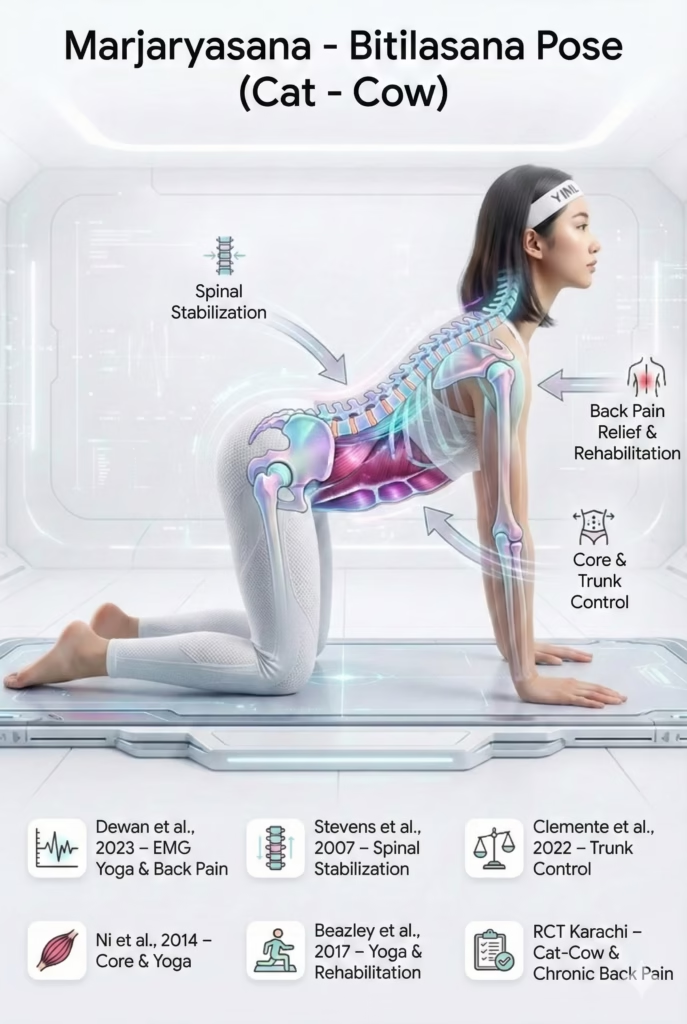
Trunk and Hip Muscle Activation: Electromyographic (EMG) studies (Dewan et al., 2023; Stevens et al., 2007; and Clemente et al., 2022) confirm that quadruped flexion-extension exercises effectively activate the rectus abdominis, erector spinae, and multifidus. This provides a safe mechanism for spinal mobilization and the management of chronic low back pain.The role of controlled flexion–extension in disc-related conditions is further explored in our systematic review on yoga and lumbar disc herniation.
Core Mechanics Driven by Pelvic Tilt: Research by Ni et al. (2014) and Beazley et al. (2017) demonstrates that alternating spinal flexion/extension and pelvic tilts—the core biomechanics of Cat-Cow—directly dictate core muscle recruitment patterns. (DOI: 10.1016/j.ctim.2014.01.007)
Clinical Efficacy: A 12-week randomized controlled trial (NCT04723225, University of Karachi) specifically investigated Cat-Cow yoga as an intervention for chronic low back pain, measuring physiological stress markers such as cortisol, beta-endorphins, and Substance P. (Online at ichgcp)
Part V. Step-by-Step Instructions and Therapeutic Applications
The sequence consists of two distinct postures seamlessly linked by the breath. (Note: The steps have been anatomically corrected for accuracy).
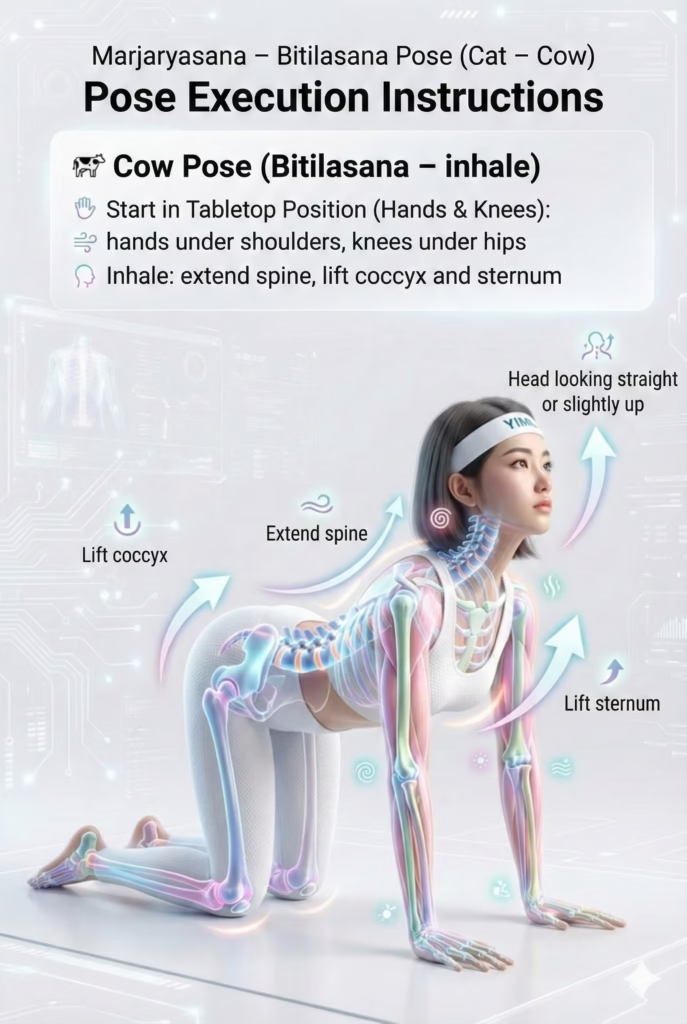
Cow Pose (Bitilasana)
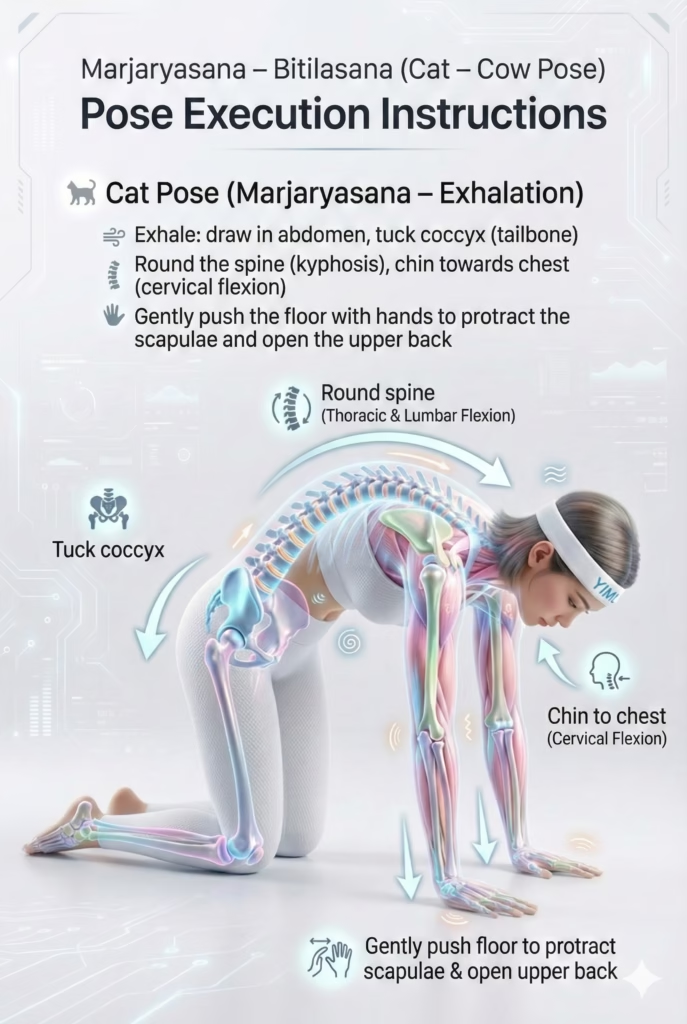
- Step 1: Start in a tabletop position, with wrists directly under the shoulders and knees under the hips.
- Step 2: Inhale deeply. Drop your belly toward the mat, lift your chest and tailbone, and gaze forward.
- Step 3: Relax your shoulders away from your ears.
Cat Pose (Marjaryasana)
- Step 1: Exhale smoothly. Draw your navel toward your spine and round your back toward the ceiling.
- Step 2: Release your head toward the floor, gently tucking your chin to your chest.
- Step 3: Press the floor away firmly to broaden your shoulder blades. (Repeat the cycle rhythmically, guided by your breath).
Therapeutic Applications & Intelligent Sequencing
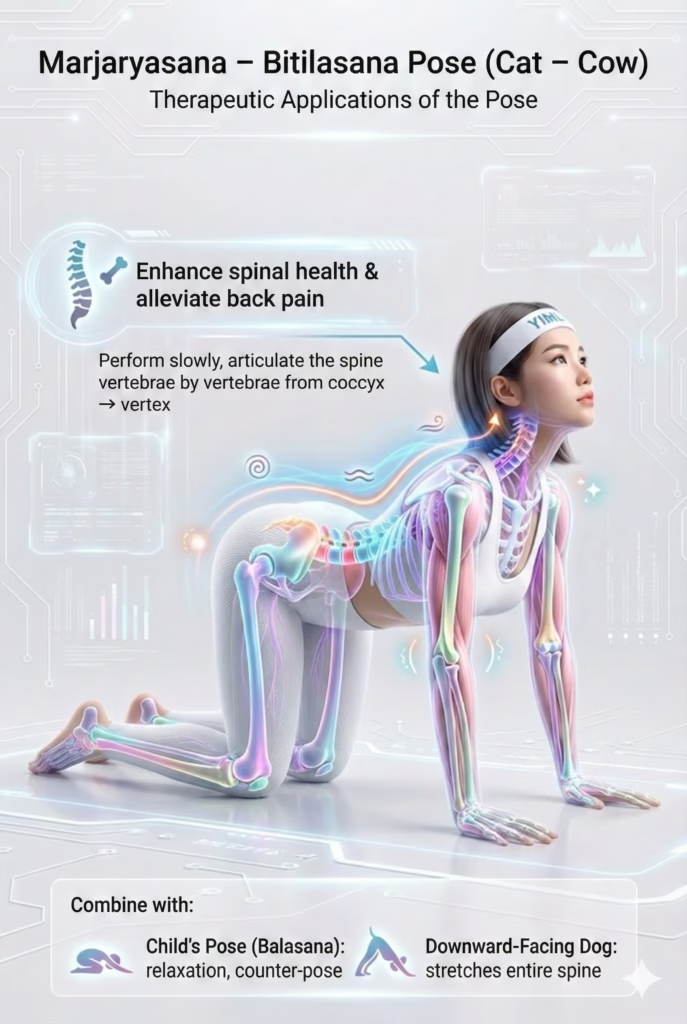
1. Spinal Health & Back Pain Relief:
- Variation: Execute with extreme slowness, articulating each vertebra sequentially from the tailbone to the crown.
- Mechanism: Warms the spine, stimulates synovial fluid to lubricate discs, and safely stretches the erector spinae to relieve chronic tension.
- Complementary Poses: Child’s Pose (Balasana) for resting; Downward-Facing Dog (Adho Mukha Svanasana) for gentle spinal traction.
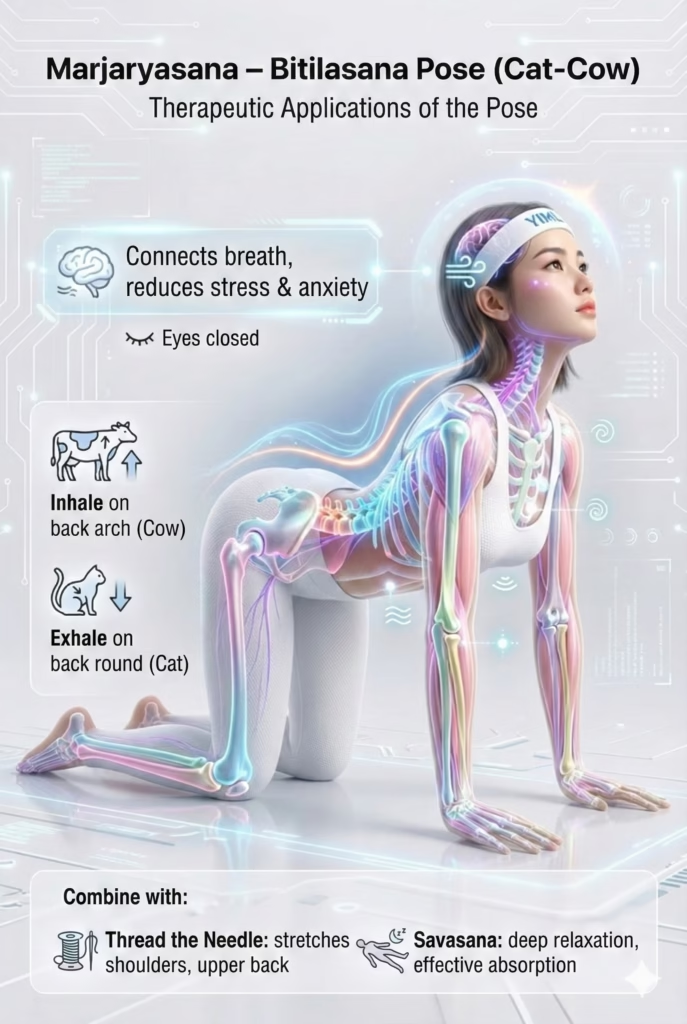
2. Stress & Anxiety Reduction:
- Variation: Practice with closed eyes, letting the breath dictate the movement (inhale for Cow, exhale for Cat).
- Mechanism: Acts as a moving meditation. Complete breath-movement synchronization stimulates the parasympathetic nervous system, lowering heart rate and cortisol levels.
- Complementary Poses: Thread the Needle (shoulder tension release); Corpse Pose (Savasana) for deep integration.
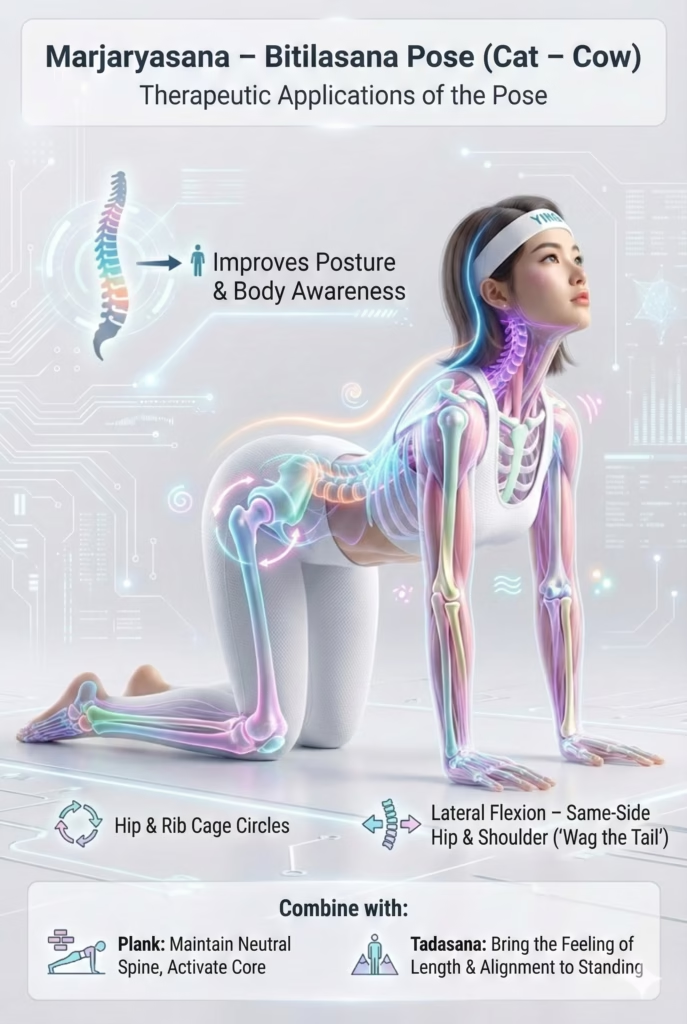
3. Proprioception & Postural Awareness:
- Variation: Add lateral shifts (“wagging the tail”) or circular torso movements.
- Mechanism: Enhances spatial awareness and releases tension in off-sagittal areas like the quadratus lumborum (QL) and intercostals, improving global flexibility.
- Complementary Poses: Plank Pose (core engagement); Mountain Pose (Tadasana) for translating neutral spine alignment to standing.
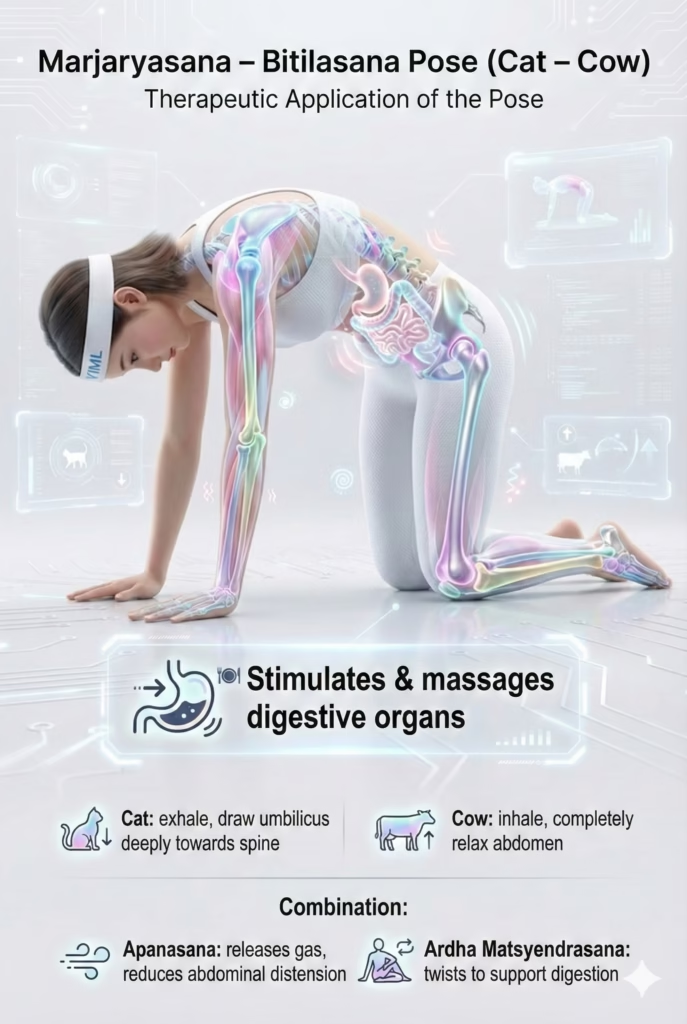
4. Digestive Stimulation:
- Variation: Emphasize extreme abdominal contraction on the exhale (Cat) and total release on the inhale (Cow).
- Mechanism: The abdominal wall acts as a mechanical pump, massaging internal organs, stimulating peristalsis, and alleviating bloating.
- Complementary Poses: Wind-Relieving Pose (Apanasana); Seated Spinal Twists (Ardha Matsyendrasana).
Part VI. Common Mistakes and Corrections
While simple, improper execution can lead to joint strain or reduced efficacy. Here are common misalignments and how to refine them:
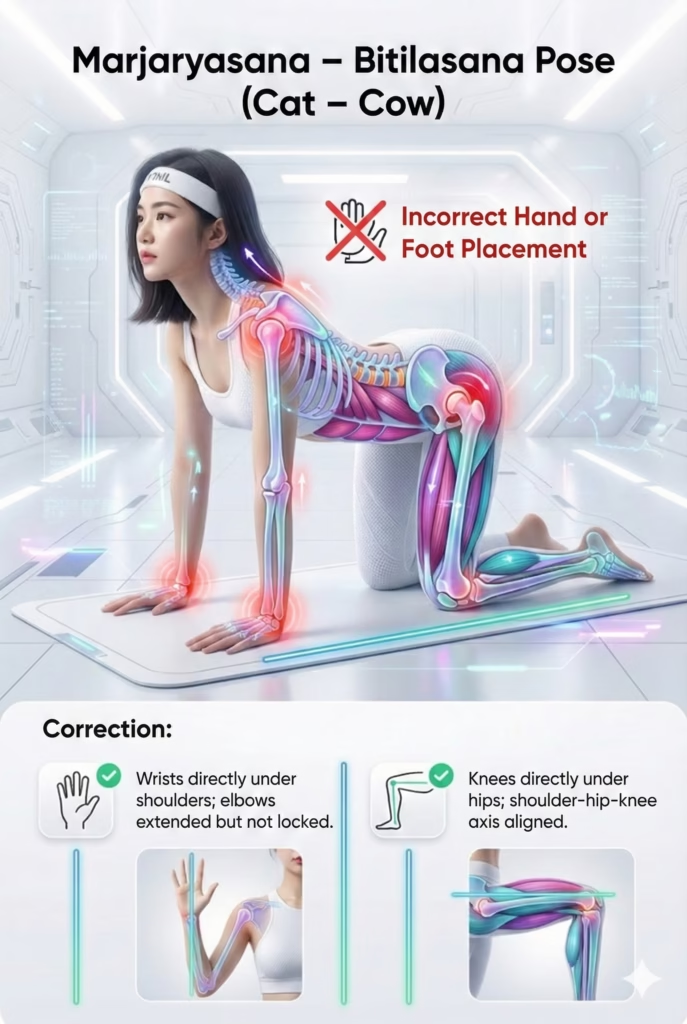
1. Misalignment of the Extremities:
- Issue: Wrists or knees are not vertically aligned with the shoulders and hips, stressing the joints.
- Correction & Refinement: Stack joints perfectly without locking the elbows. Ground the hands and shins firmly like roots; this stability allows the spine to move freely and safely.
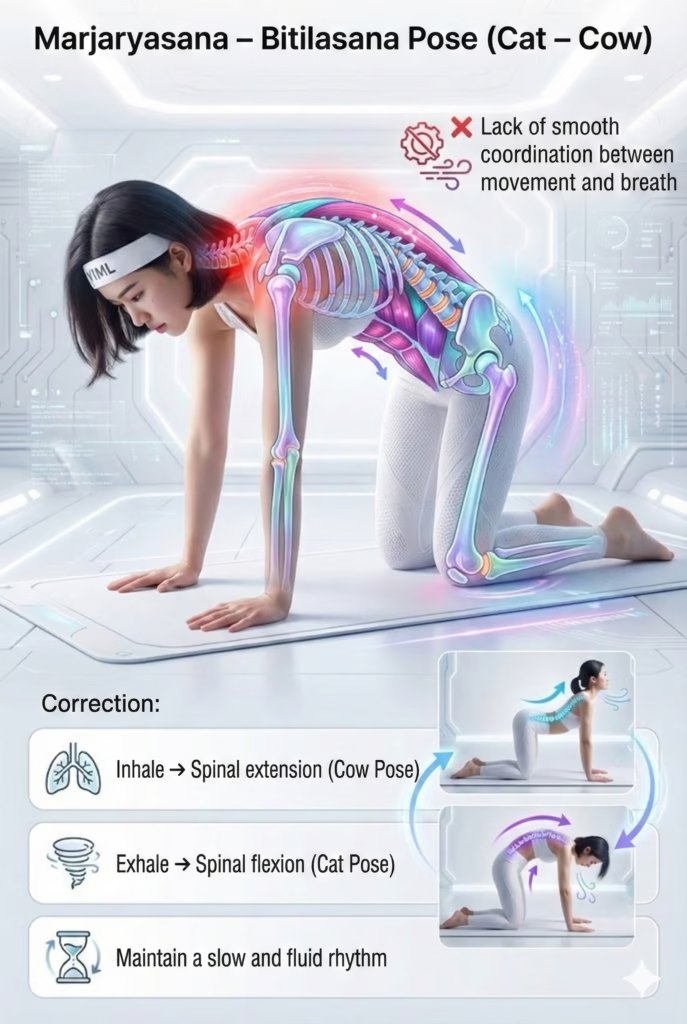
2. Desynchronized Breathing:
- Issue: Holding the breath or moving out of sync with inhalations/exhalations.
- Correction & Refinement: Strictly pair extension (Cow) with inhalation, and flexion (Cat) with exhalation. Let the breath act as the conductor, transforming the physical stretch into an internal massage.
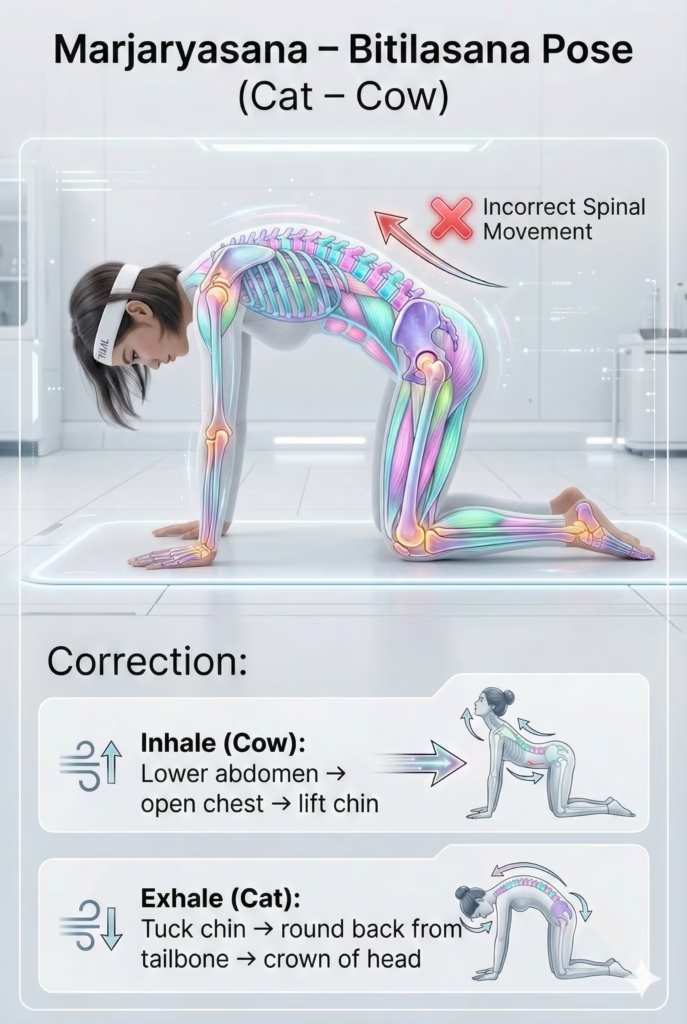
3. Segmental Stiffness (Improper Articulation):
- Issue: Moving only the neck or mid-back, rather than the entire spinal column.
- Correction & Refinement: Initiate every movement from the pelvis, letting it ripple upward. Visualizing the spine as a fluid wave ensures every vertebra is engaged and awakens the mind-body connection.
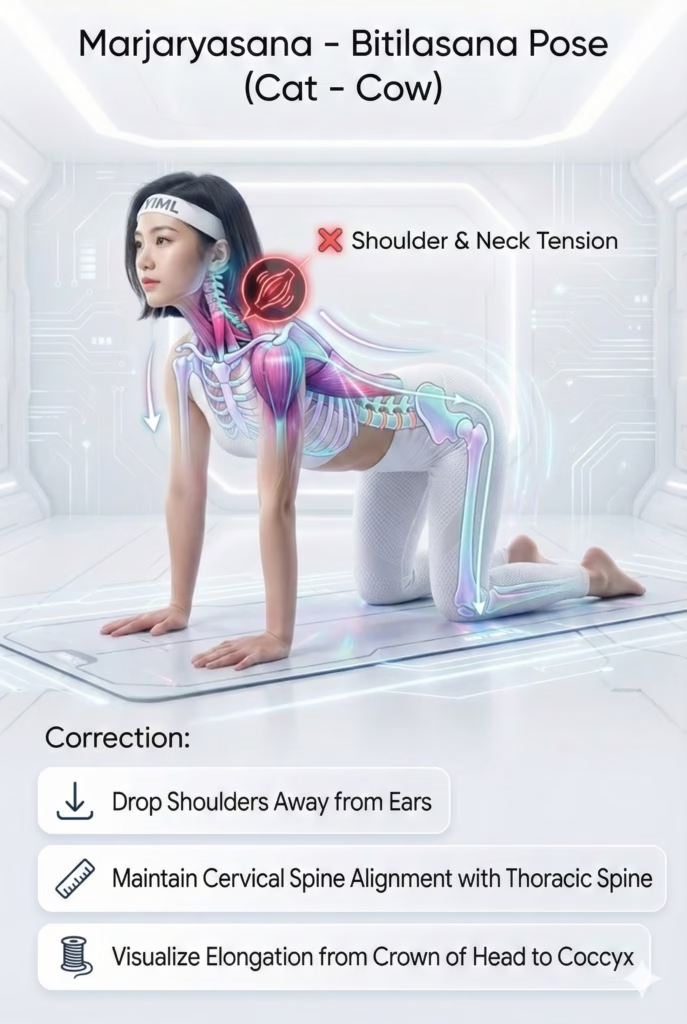
4. Cervical and Shoulder Tension:
- Issue: Shrugging the shoulders or hyperextending the neck.
- Correction & Refinement: Actively draw shoulder blades down the back and keep the cervical spine neutral. Releasing this “invisible weight” opens the airway and deepens the neurological relaxation.
5. Rushing the Movement:
- Issue: Moving too quickly, relying on momentum rather than muscular control.
- Correction & Refinement: Move deliberately. Slowing down prevents injury, ensures proper core engagement, and turns the exercise into an exercise in patience and mindfulness.
Part VII. Contraindications, Precautions, and Modifications
While the Cat-Cow sequence (Marjaryasana-Bitilasana) is one of the safest and most gentle spinal mobilizations in yoga, specific biomechanical limitations require intelligent modifications to ensure practice safety.
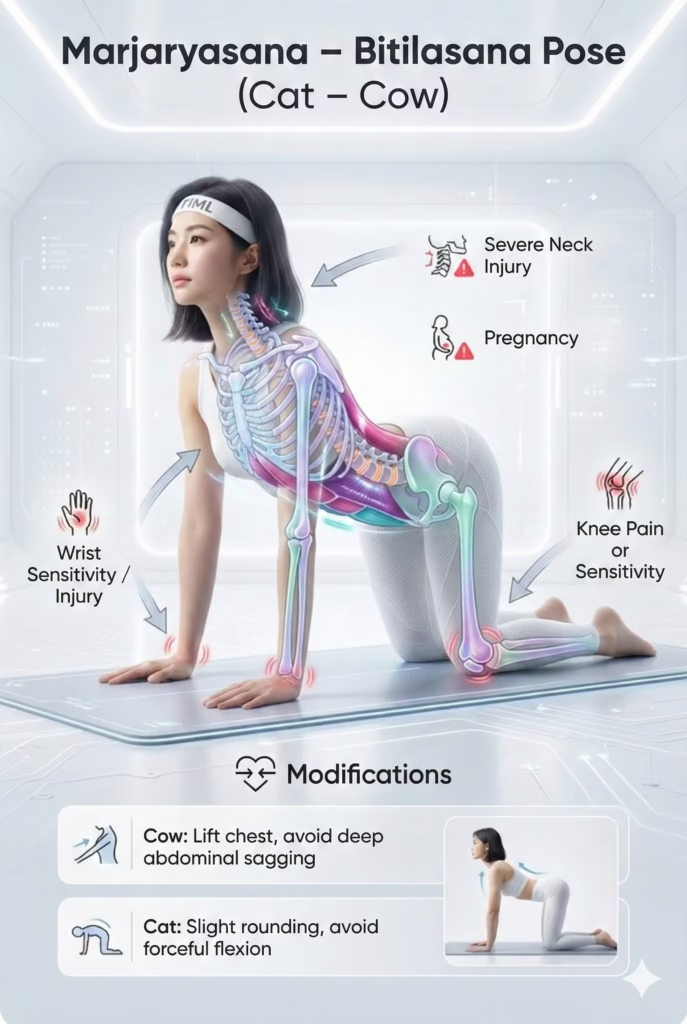
Conditions Requiring Modifications:
- Wrist Injuries or Sensitivity (e.g., Carpal Tunnel Syndrome):
- Issue: The tabletop position places significant weight-bearing stress on extended wrists.
- Modification: Make fists and bear weight on the knuckles (keeping thumbs outside), or rest the forearms on yoga blocks to completely offload the wrist joints.
- Knee Sensitivity:
- Issue: Direct compressive force on the patella.
- Modification: Cushion the knees with a folded blanket or a specialized yoga pad.
- Cervical Spine Injuries (e.g., Herniated Discs):
- Issue: Extreme neck flexion (Cat) or hyperextension (Cow) can exacerbate cervical pathologies.
- Modification: Keep the cervical spine in a strict neutral alignment throughout the cycle, isolating the flexion/extension entirely to the thoracic and lumbar regions.
- Pregnancy (Late Stages):
- Issue: Overstretching the uterine ligaments or compressing the abdomen.
- Modification: In Cow pose, avoid dropping the belly deeply; maintain mild core engagement to support the lower back. In Cat pose, emphasize rounding the upper back rather than deep abdominal hollowing.
Age-related biomechanical demands in yoga practice are further explored in our analysis of standing yoga poses in seniors.
When Supervision is Recommended:
- Beginners: Working with a qualified instructor ensures correct breath-movement synchronization—the core mechanism of the pose—and prevents compensatory habits like collapsing into the shoulders.
Key Precaution: Cat-Cow is designed for spinal nourishment, not for pushing physiological limits. Move deliberately, focus on segmental articulation, and immediately reduce the range of motion or stop if sharp pain occurs.
Part VIII. Conclusion
Marjaryasana-Bitilasana is a deceptively simple yet profoundly holistic practice. Beyond basic spinal flexion and extension, it serves as a powerful biomechanical and energetic tool for core stabilization, visceral regulation, and neurological modulation.
- Biomechanical and Anatomical Value: The sequence optimally distributes mechanical load across the major joints while fluidly mobilizing the spine. It safely recruits the abdominal wall and erector spinae, improving structural flexibility, proprioception, and postural control.
- Energetic Integration: The rigorous synchronization of breath and movement optimizes the flow of the Prana Vayus (upward, downward, central, and outward energies). This interaction cultivates internal vitality and helps clear somatic and energetic blockages.
- Psychological and Neurological Benefits: Functioning as a moving meditation, Cat-Cow stimulates parasympathetic dominance. This physiological shift lowers anxiety, facilitates the release of suppressed emotions, and anchors the practitioner in the present moment, providing essential preparation for advanced meditative practices.
- Therapeutic Efficacy: Supported by electromyographic (EMG) research, the sequence safely activates core musculature, making it an evidence-based clinical intervention for chronic back pain. Furthermore, it directly mitigates the postural deficits caused by sedentary lifestyles by hydrating discs, opening the chest, and improving lung capacity.
Ultimately, Cat-Cow bridges the gap between strength, flexibility, and mindfulness. Whether for a novice or an advanced practitioner, it is an indispensable sequence that establishes the foundational mind-body-breath connection, making it a cornerstone of any comprehensive yoga or rehabilitation protocol.Every yoga pose offers specific physical and mental benefits. The Cat-Cow Pose is a foundational movement that awakens the spine and promotes full-body flexibility. By coordinating inhalations (chest expansion) with exhalations (spinal rounding), it relieves back and shoulder tension while introducing beginners to breath-movement synchronization—a core element of yoga practice.
References
The following resources served as the foundational basis for this article. Readers are encouraged to explore these texts to deepen their understanding of asana practice and yoga philosophy.
Classical & Foundational Yoga
- Iyengar, B. K. S. (1979). Light on Yoga: Yoga Dipika. Schocken Books.
- Frawley, D., & Summerfield Kozak, S. (2001). Yoga for Your Type: An Ayurvedic Approach to Your Asana Practice. New Age Books.
- Singleton, M. (2010). Yoga Body: The Origins of Modern Posture Practice. Oxford University Press.
Yoga Anatomy & Physiology
- Kaminoff, L., & Matthews, A. (2012). Yoga Anatomy (2nd ed.). Human Kinetics.
- Long, R. (2009). The Key Muscles of Yoga: Scientific Keys, Volume I. Bandha Yoga Publications.
Psychology & The Chakra System
- Judith, A. (2004). Eastern Body, Western Mind: Psychology and the Chakra System as a Path to the Self. Celestial Arts.
Academic & Online Resources
- PubMed Central (US National Library of Medicine): https://www.ncbi.nlm.nih.gov/pmc/
- Research Gate: https://www.researchgate.net/