Part I: Understanding the Pathology from Dual Perspectives
A herniated disc is a profoundly disruptive condition, causing severe pain and mobility loss that often leads patients to fear surgery is their only option. However, by merging modern biomechanics with therapeutic yoga, a safe, sustainable, and non-surgical roadmap to recovery is entirely within your reach.
Overview of a Herniated Disc
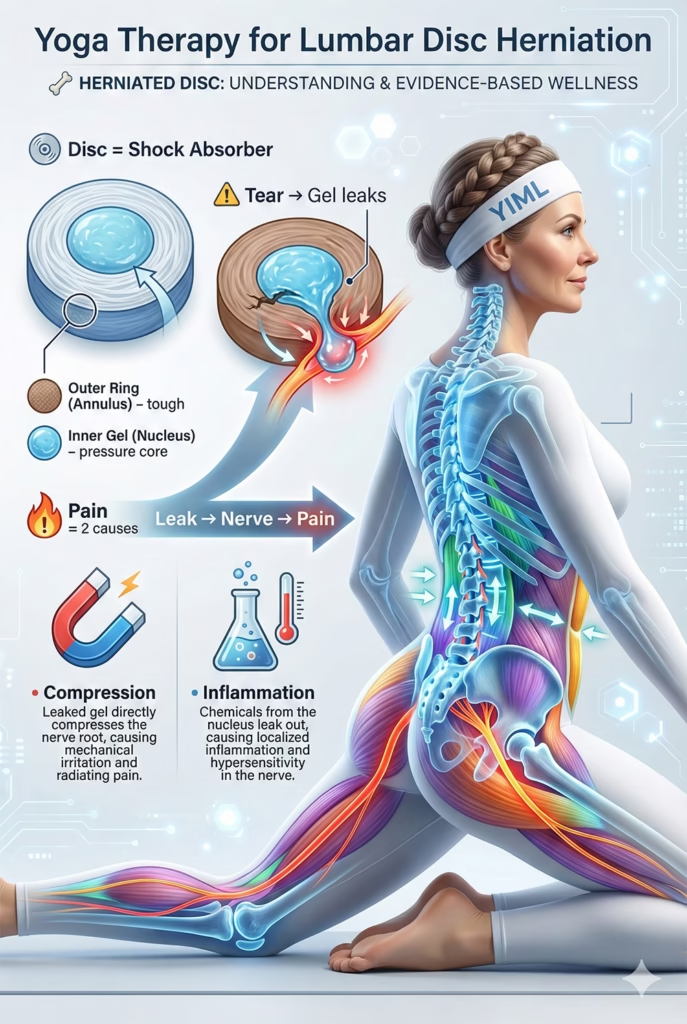
The Modern Medical Perspective Think of your intervertebral discs as the spine’s shock absorbers, functioning like “jelly donuts.”
- Annulus Fibrosus: The tough, tire-like outer ring composed of overlapping collagen fibers designed to resist rotational forces.
- Nucleus Pulposus: The soft, gel-like center rich in water and proteoglycans. Its high hydrostatic pressure allows the spine to bear weight and absorb shock.
A herniated disc occurs when the outer ring tears, allowing the inner gel to bulge or extrude outward. The true source of your pain is two-fold:
- Mechanical: The extruded material physically compresses the adjacent spinal nerves.
- Chemical: The gel inside the disc is highly inflammatory. When it leaks onto a nerve root, it triggers a severe chemical inflammatory response, causing excruciating pain even without massive compression.
Common Symptoms and Clinical Signs
Symptoms vary entirely based on the location of the herniation (most commonly lumbar or cervical).
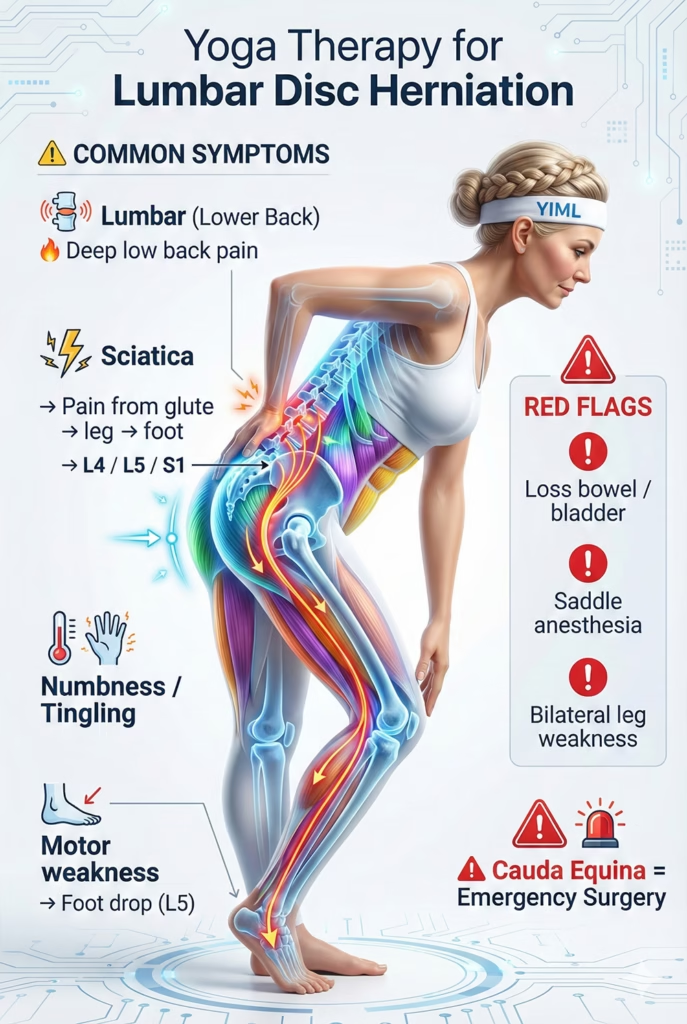
Lumbar Herniation (Lower Back)
- Localized Pain: A deep, severe ache in the lower back.
- Sciatica (Radiculopathy): The hallmark symptom. Sharp, shooting pain radiating from the glutes down the back or side of one leg, often reaching the foot (typically compressing the L4, L5, or S1 nerve roots).
- Numbness/Tingling: A “pins and needles” sensation along the nerve pathway.
- Motor Weakness: Difficulty lifting the toes or foot (“foot drop,” indicating L5 compression).
- 🚨 RED FLAGS (Seek Immediate Emergency Care): If back pain is accompanied by loss of bowel/bladder control, “saddle anesthesia” (numbness in the groin/genitals), or severe bilateral leg weakness, this may indicate Cauda Equina Syndrome—a medical emergency requiring immediate surgery.
Cervical Herniation (Neck)
- Neck Pain: Aching at the base of the skull or between the shoulder blades.
- Radiating Pain: Sharp, burning pain shooting down one arm into the fingers (e.g., C6 compression affects the thumb/index finger; C7 affects the middle finger).
- Numbness/Weakness: Loss of grip strength or fine motor skills in the affected hand.
- 🚨 RED FLAGS: If accompanied by loss of balance, clumsy gait, or bilateral weakness/stiffness in the legs, this indicates Cervical Myelopathy (spinal cord compression) and requires urgent medical evaluation.
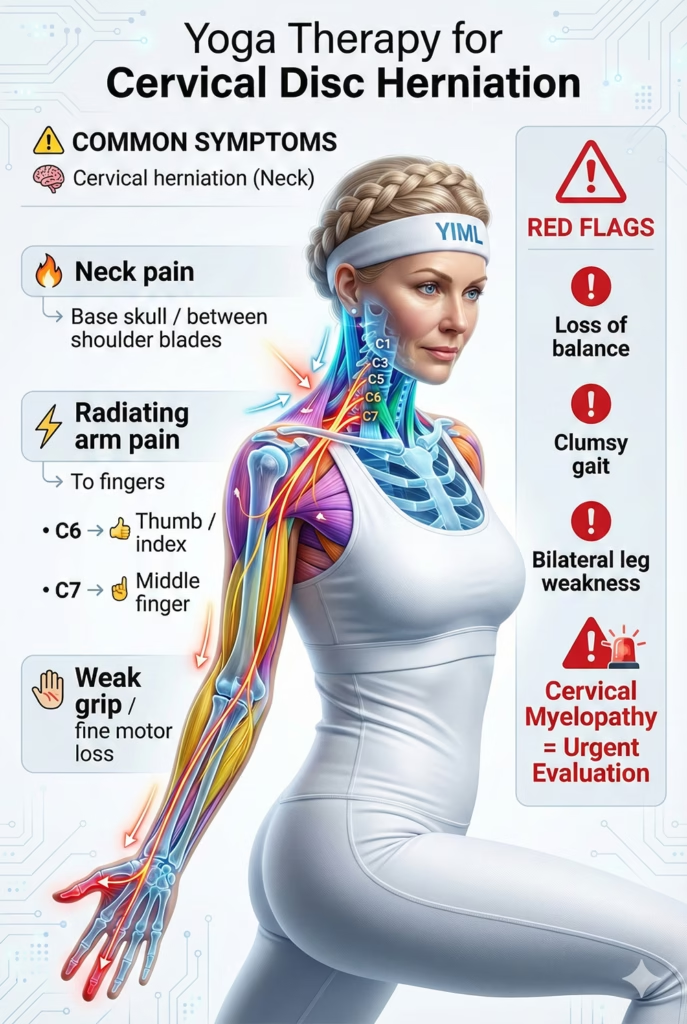
Clinical Note: Symptoms typically worsen when coughing, sneezing, or bearing down, as these actions spike intrathecal pressure (pressure inside the spinal canal), squeezing the compromised nerve further.
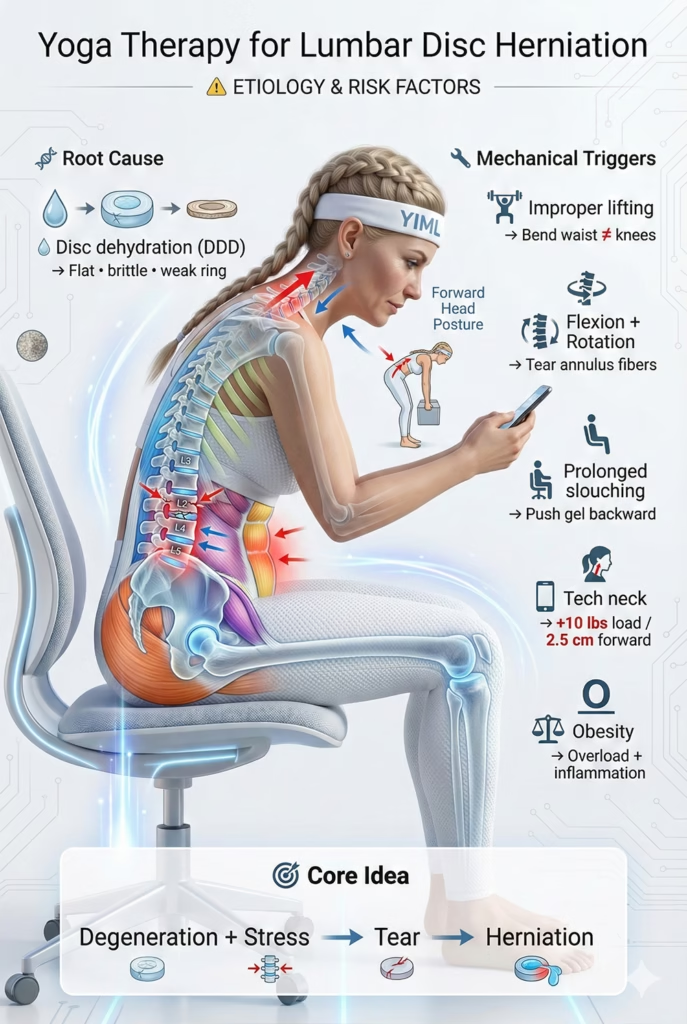
Etiology & Risk Factors (The Medical View)
Modern medicine views disc herniation not as a sudden accident, but as the climax of a complex degenerative process triggered by mechanical stressors.
- The Root Cause – Degenerative Disc Disease (DDD): Over time, discs lose their water-retaining proteoglycans. Dehydrated discs become flat, brittle, and lose their shock-absorbing capacity. The outer fibrous ring weakens, becoming highly susceptible to tearing under minor stress.
Mechanical Triggers & Lifestyle Risks
- Acute Trauma/Strain: Often the “straw that breaks the camel’s back” on an already degenerated disc.
- Improper Lifting: Bending at the waist (flexion) rather than the knees creates a devastating lever action, multiplying the load on the lumbar discs.
- Flexion + Rotation: Bending forward while twisting is the classic biomechanical mechanism that tears the collagen fibers of the annulus.
- Prolonged Slouching: Sitting with a rounded lower back reverses the natural lumbar curve. This pushes the nucleus gel backward, constantly stressing the weakest posterior part of the disc (closest to the nerves).
- “Tech Neck”: Forward Head Posture exponentially increases the load on cervical discs. For every 1 inch (2.5 cm) the head moves forward, the cervical spine bears an additional 10 lbs (4.5 kg) of force.
- Obesity: Excess weight causes constant mechanical overload while adipose (fat) tissue releases pro-inflammatory cytokines, amplifying the systemic inflammation around the compressed nerve.
The Yogic & Ayurvedic Perspective
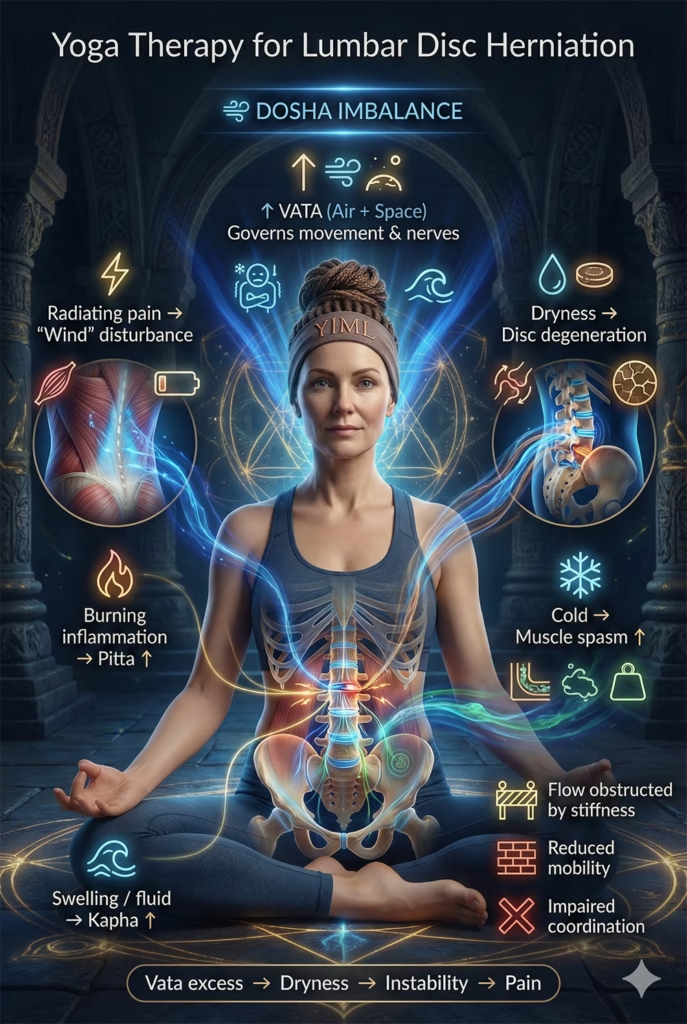
Unlike modern medicine, which focuses primarily on structural mechanics, Yoga and Ayurveda view a herniated disc as a profound manifestation of systemic energetic imbalance and disrupted biological elements, specifically pointing to an aggravation of the Vata Dosha.
1. Dosha Imbalance: The Dominance of Vata In Ayurveda, Vata (composed of Space and Air) governs all movement and the nervous system. A herniated disc is considered a classic Vata disorder, exhibiting its core qualities:
- Degeneration (Dry & Light Qualities): The “Air” element dries out the body’s tissues. This corresponds perfectly with the medical understanding of disc desiccation (dehydration), where the disc loses its water-retaining proteoglycans, becoming brittle and porous—a catabolic process driven by excess Vata.
- Radiating Pain (Mobile & Cold Qualities): Sharp, shooting nerve pain (like sciatica) is described as “wind” (Vata) moving erratically through blocked channels. Vata’s “cold” quality induces surrounding muscle spasms, exacerbating the compression. Any neuropathic pain is fundamentally a Vata derangement.
- (Note: If severe, burning inflammation is present around the nerve root, Pitta (Fire) is also aggravated. If there is heavy swelling and fluid retention, Kapha (Earth/Water) is involved).
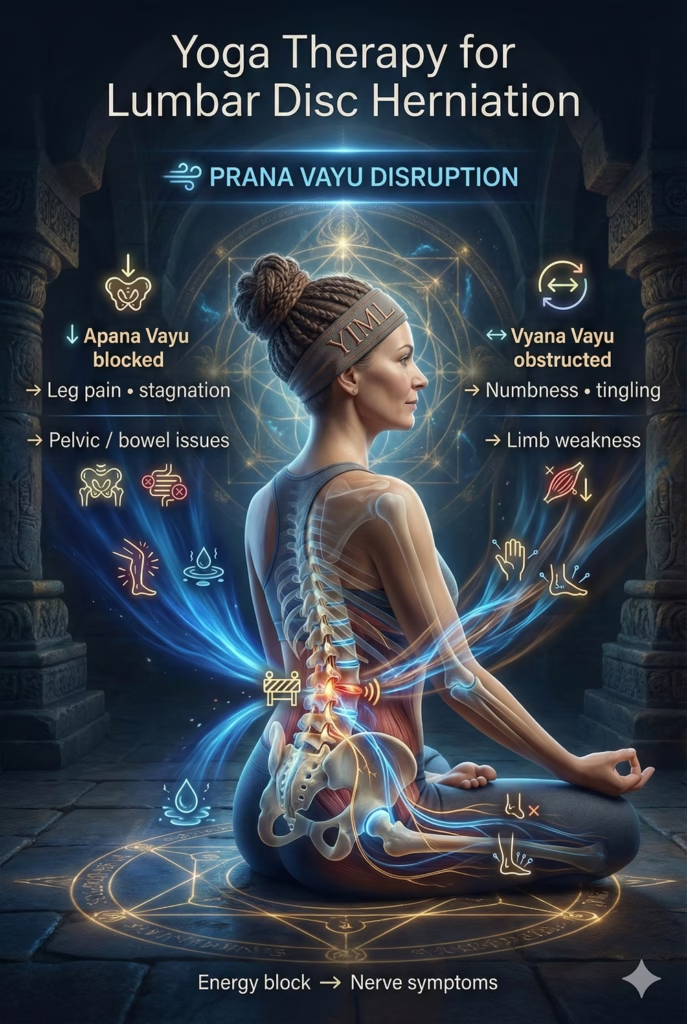
2. Disruption of Prana Vayus (Energy Currents) A herniated disc creates a severe structural and energetic “dam,” obstructing the body’s vital life force (Prana).
- Blocked Apana Vayu: This downward-moving energy governs the lower body and elimination. A lumbar herniation physically and energetically blocks Apana Vayu, leading to radiating leg pain, feelings of stagnation, and occasionally bowel/pelvic floor dysfunction.
- Obstructed Vyana Vayu: This energy circulates from the center to the periphery (limbs). Nerve compression directly impedes Vyana Vayu, perfectly correlating with the modern medical symptoms of numbness, tingling, and motor weakness in the arms or legs.
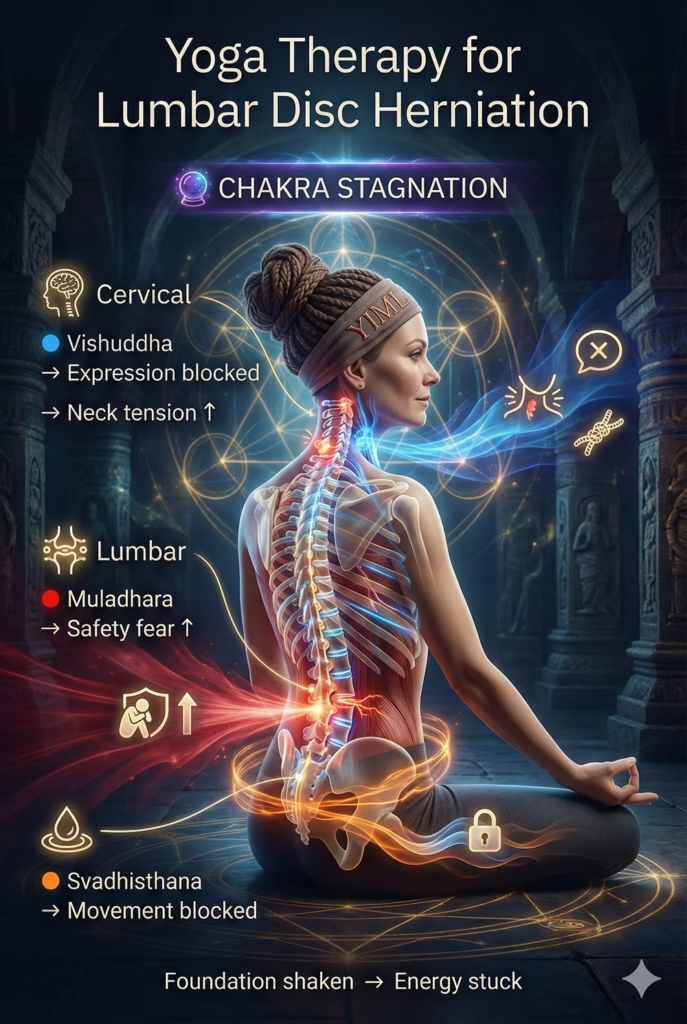
3. Chakra Stagnation
- Lumbar Herniation (Muladhara & Svadhisthana): A lower back injury attacks the body’s foundation. It destabilizes the Root Chakra (Muladhara—safety, survival), triggering profound fear and physical insecurity. The Sacral Chakra (Svadhisthana—movement, flow) becomes “frozen” by pain and restricted mobility.
- Cervical Herniation (Vishuddha): A neck herniation blocks the Throat Chakra. Energetically, this manifests as an inability to “speak one’s truth” or articulate needs, contributing to chronic cervicothoracic tension.
Part II: The Therapeutic Yoga Approach for Herniated Discs
Therapeutic Goals Therapeutic Yoga offers a multidimensional strategy that doesn’t merely mask symptoms but addresses the biomechanical and neurological root causes. These goals are robustly supported by modern clinical research.
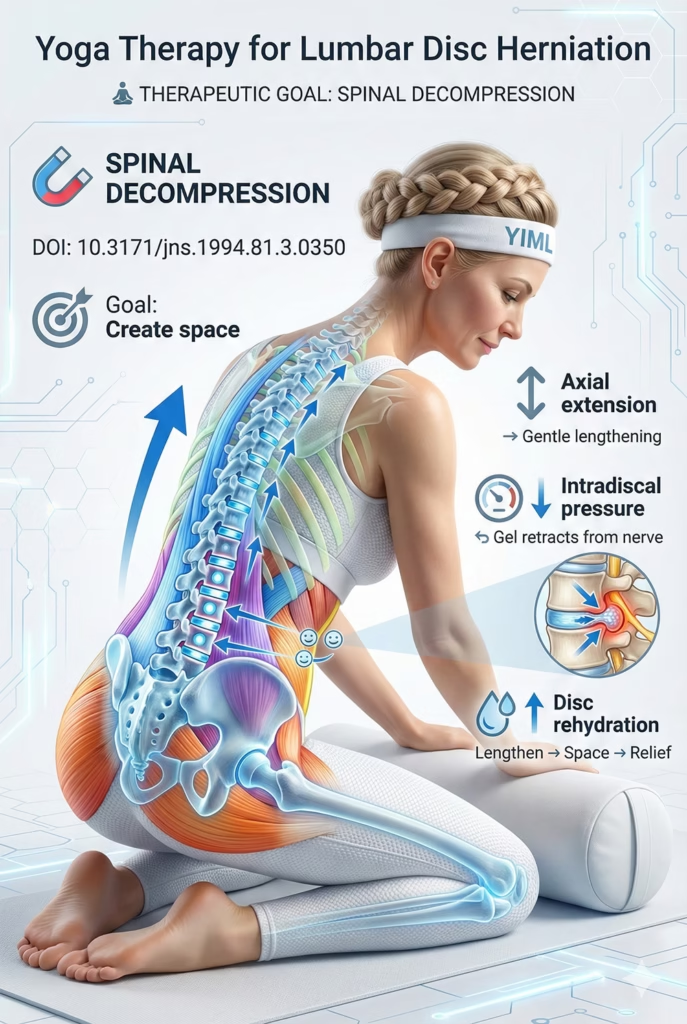
1. Spinal Decompression (Creating Space)
- The Goal: The mechanical foundation of healing. Yoga utilizes active, gentle axial extension (lengthening the spine along its vertical axis) to create micro-space between the vertebrae.
- Mechanism: Biomechanically, this reduces intradiscal pressure, retracting the bulging gel away from the nerve root and facilitating imbibition (the process where the disc absorbs water and nutrients to heal). Energetically, it rebalances the upward and downward flows of Prana.
- Evidence: Effects of vertebral axial decompression on intradiscal pressure (DOI: 10.3171/jns.1994.81.3.0350)
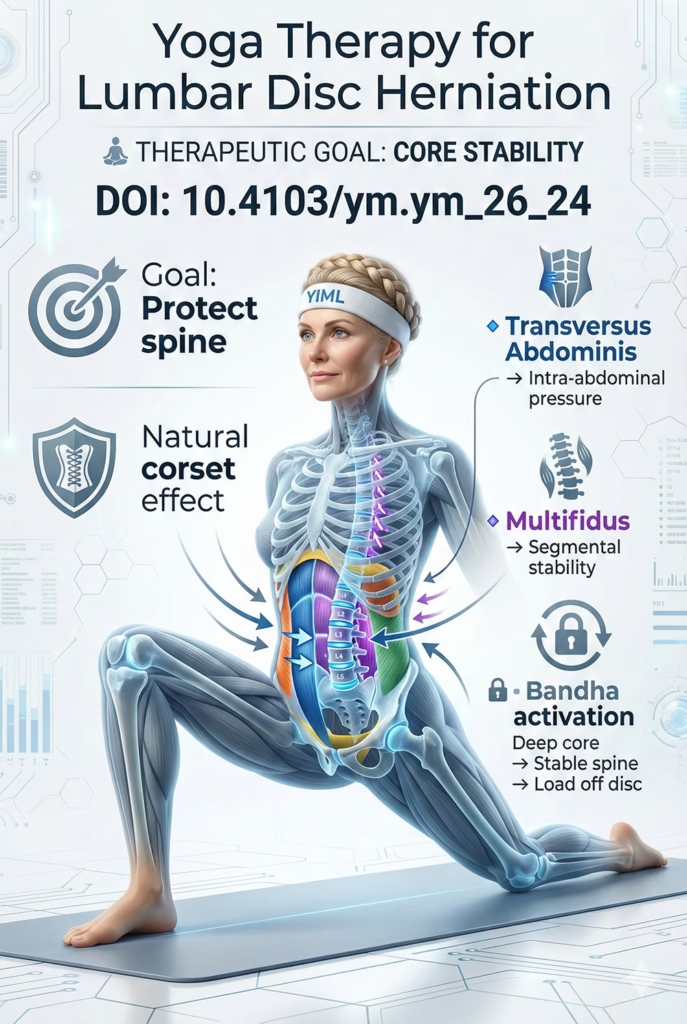
2. Core Stability (The Natural Corset)
- The Goal: A weak core forces the spine to absorb all daily mechanical loads. Yoga builds enduring strength in the deep stabilizing muscles, acting as an internal corset.
- Mechanism: Rather than superficial “crunches,” therapeutic yoga targets the Transversus Abdominis (to generate supportive intra-abdominal pressure) and the Multifidus (tiny muscles that stabilize individual vertebrae). In Yoga, activating these deep stabilizers is achieved through the subtle engagement of Bandhas (energy locks).
- Evidence: Evidence: As demonstrated in our systematic review on yoga therapy for lumbar intervertebral disc prolapse, structured yoga programs improve deep core activation, reduce pain, and enhance lumbar stability in patients with disc herniation.
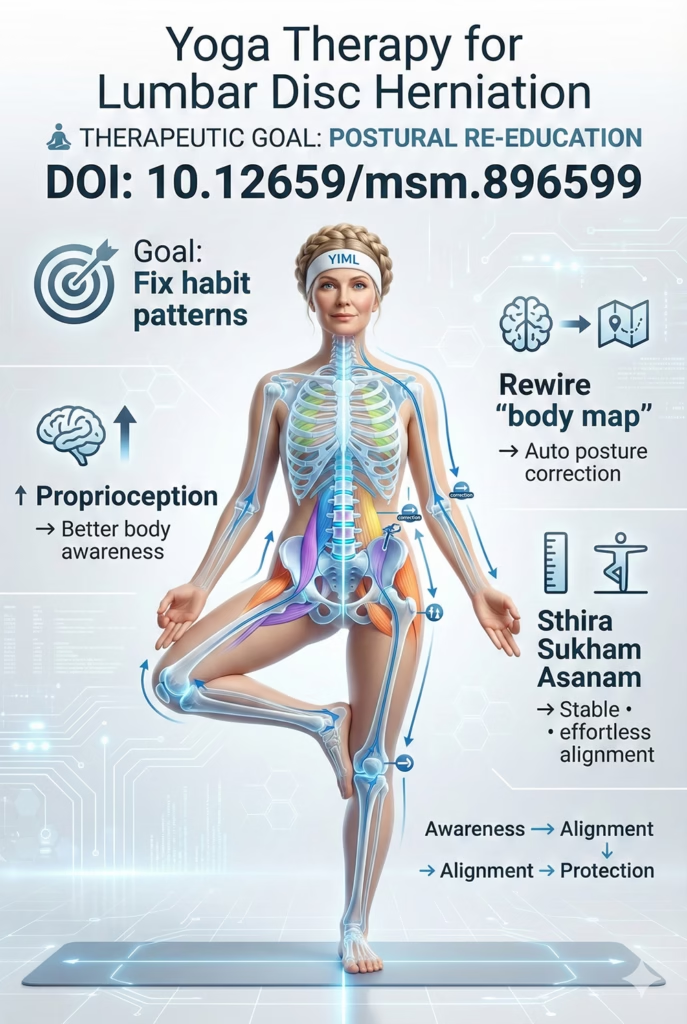
3. Postural Re-education & Proprioception
- The Goal: Poor postural habits are the primary maintainers of disc herniation. Yoga rewires these habits.
- Mechanism: Slow, mindful practice enhances proprioception (the nervous system’s spatial awareness). It recalibrates the brain’s “body map,” allowing patients to automatically correct slouched postures in daily life. This embodies the Yogic concept of Sthira Sukham Asanam—finding an effortless, structurally sound alignment.
- Evidence: As shown in Does Yoga Reduce Pain and Anxiety in Patients with Chronic Low Back Pain and MRI-Proven Degenerative Changes? (DOI: 10.12659/msm.896599), yoga intervention significantly reduced pain and improved functional outcomes in patients with MRI-confirmed degenerative lumbar changes, supporting its role in postural retraining and neuromuscular re-education.
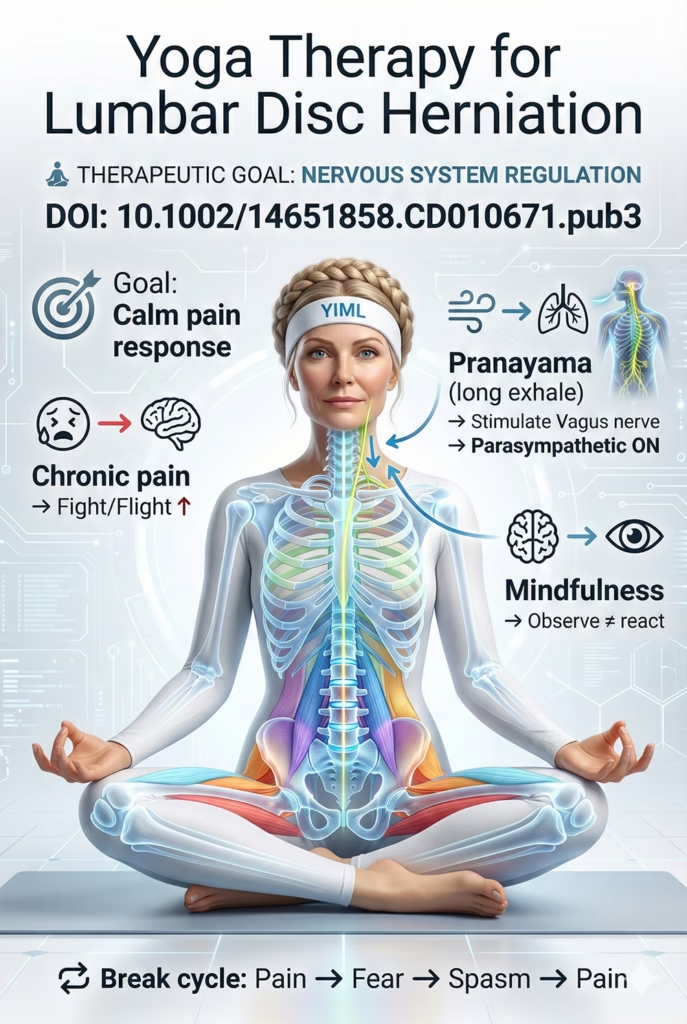
4. Nervous System Regulation & Pain Management
- The Goal: Chronic pain traps the autonomic nervous system in a “fight-or-flight” state, increasing muscle tension and pain sensitivity.
- Mechanism: Controlled Pranayama (breathwork), specifically extended exhalations, stimulates the Vagus Nerve to activate the parasympathetic “rest and digest” response. Furthermore, mindfulness practices teach patients to observe pain without judgment, breaking the vicious cycle of Pain ➔ Fear ➔ Muscle Spasm ➔ More Pain.
- Evidence: As detailed in our decoded randomized controlled trial on yoga for chronic low back pain, participants showed significant reductions in pain intensity and disability, supporting yoga’s role in autonomic regulation and pain modulation.
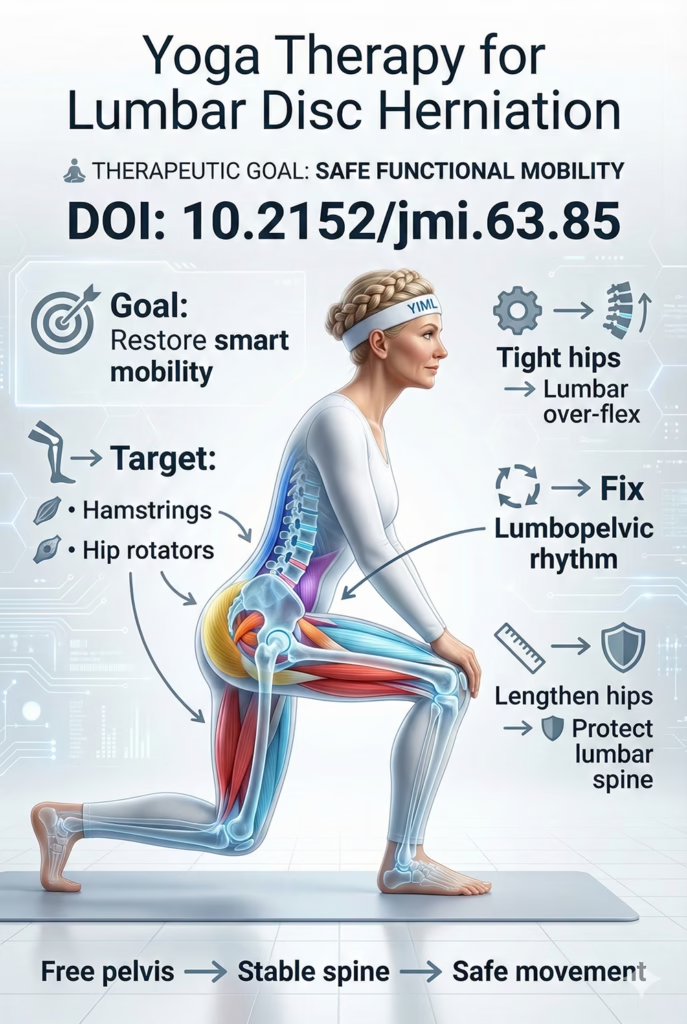
5. Safe, Functional Mobility (Lumbopelvic Rhythm)
- The Goal: The objective is not extreme flexibility, but restoring mobility to areas that directly impact the spine, namely the hamstrings and hip rotators.
- Mechanism: Tight hips and hamstrings disrupt the lumbopelvic rhythm, forcing the fragile lumbar spine to over-flex and compensate during daily movements (like bending). Yoga safely lengthens these tissues, “freeing” the pelvis to move naturally and keeping the lumbar spine stable and protected.
- Evidence: The effect of dynamic stretching on hamstrings flexibility with respect to the spino-pelvic rhythm (DOI: 10.2152/jmi.63.85) demonstrated that improving hamstring flexibility positively influences spino-pelvic mechanics, supporting the role of mobility restoration in protecting lumbar structures.
Clinical Translation: An Integrated Therapeutic Model
Taken together, these mechanisms illustrate that yoga therapy is not a passive flexibility routine, but a multi-layered neuromuscular rehabilitation strategy. By strengthening deep spinal stabilizers, restoring lumbopelvic mobility, recalibrating proprioception, and regulating autonomic pain responses, yoga addresses both the mechanical and neurological drivers of chronic lumbar dysfunction. This integrated approach shifts the spine from a state of compensation and protection toward one of stability, efficiency, and sustainable resilience.
Golden Rules & Absolute Contraindications for Herniated Discs
CRITICAL WARNING: A herniated disc is a severe physical injury. A single reckless movement can exacerbate the extrusion or cause permanent nerve damage. The Yogic principle of Ahimsa (Non-harming) must dictate every breath and movement. These rules are not limitations; they are the “intelligent operating system” that transforms a posture into a therapy – consistent with the safety-first rehabilitation framework outlined in our comprehensive roadmap on chronic low back pain.
The Golden Rules of Practice
1. Stop Immediately at the First Sign of Nerve Pain
- The Rule: You must distinguish between “muscle stretch” (a dull, spreading ache) and “nerve pain.” Nerve pain is a blaring red siren indicating nerve root compression or irritation. It feels sharp, shooting (like an electric shock), burning, or manifests as tingling/numbness radiating down a specific path in the arm or leg.
- Action: If you feel any of these neurological signs, STOP AND EXIT THE POSE IMMEDIATELY with slow, controlled movement.
2. Prioritize Axial Extension (Length), Not Depth
- The Rule: In every posture, the primary intention is spinal elongation. Imagine pulling the crown of the head and the tailbone in opposite directions to decompress the vertebrae.
- Biomechanics: Flexing (rounding) the lumbar spine forcefully pushes the nucleus (gel) backward, directly into the herniation and the nerve roots. Never round your lower back. Instead, learn to hip hinge (folding from the pelvic crease) while keeping the spine completely neutral.
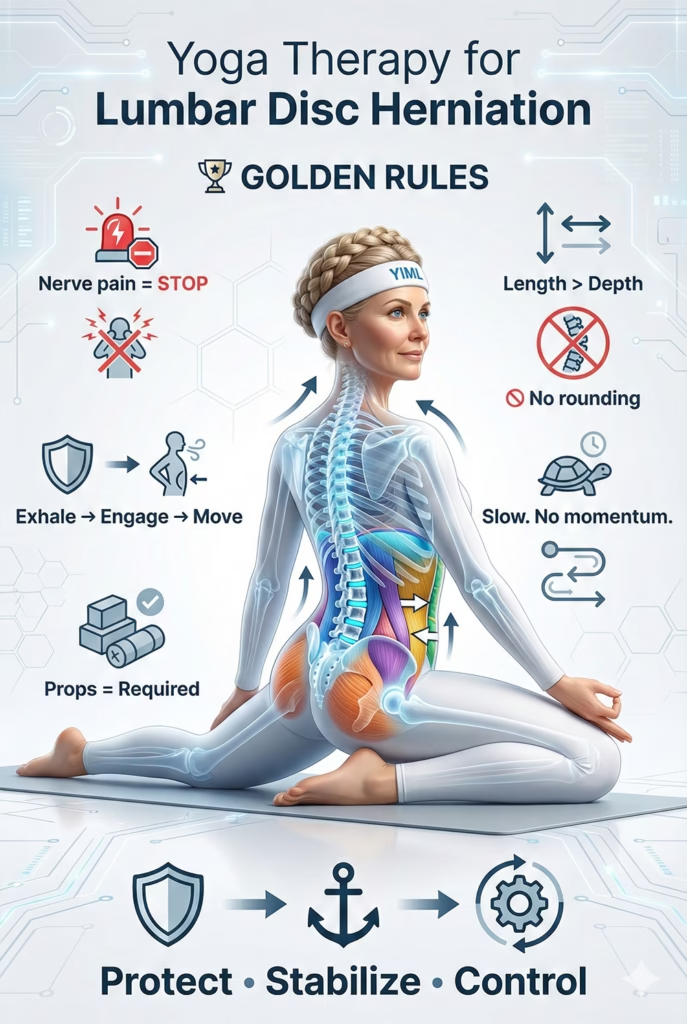
3. Mandatory Core Engagement (The Internal Corset)
- The Rule: Before and during any movement, subtly activate the deep core and pelvic floor.
- Action: On the exhale, gently draw the navel toward the spine and slightly upward, while lightly lifting the pelvic floor. The safe sequence is: Exhale ➔ Engage Core ➔ Move.
- Biomechanics: This creates Intra-Abdominal Pressure (IAP), which physically splints and protects the lumbar spine from harmful micro-movements.
4. Move Slower Than Slow
- The Rule: Never move suddenly, rush, or use momentum. Fast, jerky movements bypass the deep stabilizing muscles, leaving the spine vulnerable.
- Action: Let the breath lead: initiate the inhale before moving; finish the movement before exhaling completely.
5. Props Are Mandatory, Not Optional
- The Rule: Blocks, bolsters, and straps are intelligent tools to maintain spinal neutrality.
- Action: Use blocks under your hands in lunges to keep the spine lifted. Use a strap for hamstring stretches to avoid rounding the back to reach the foot.
Absolute Contraindications (What to Avoid)
To prevent exacerbating the disc extrusion, ABSOLUTELY AVOID these categories of postures until fully cleared by a medical professional.
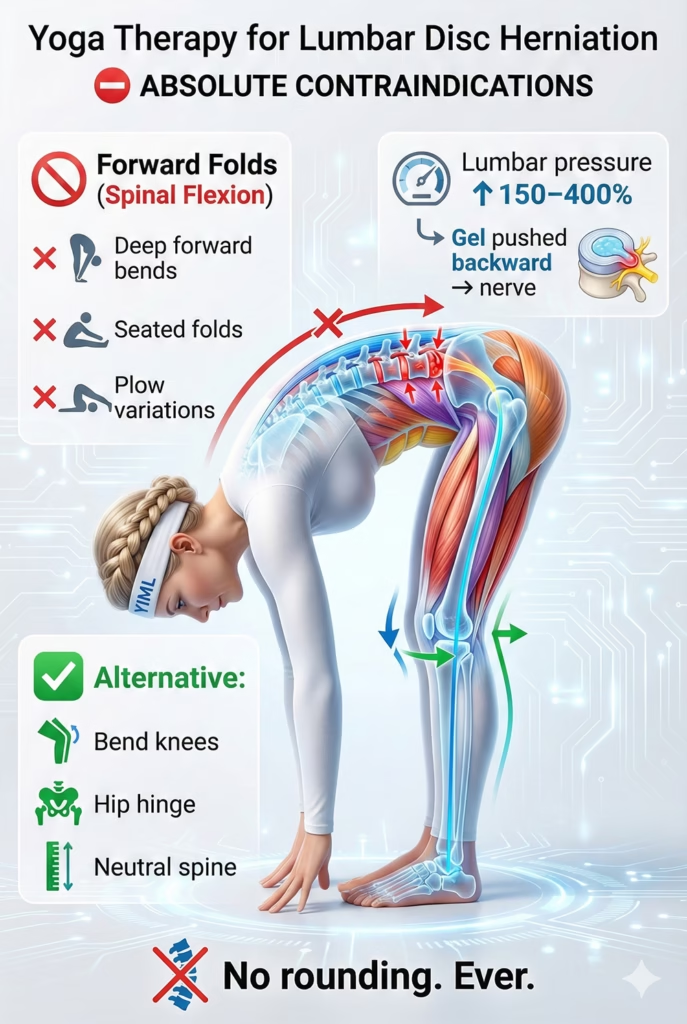
1. Forward Folds with Spinal Flexion (Rounding the Back)
- Avoid: Deep Uttanasana, Seated Paschimottanasana, Plow (Halasana), Janu Sirsasana (if done with a rounded back).
- Scientific Rationale: Classic biomechanical studies (Nachemson) demonstrate that moving from standing to a rounded forward fold increases lumbar intradiscal pressure by 150-400%. Lumbar flexion hydraulically forces the disc material posteriorly, right into the spinal canal and nerve roots.
- Safe Alternative: Bend the knees generously and hinge strictly from the hips, maintaining a flat, neutral spine.
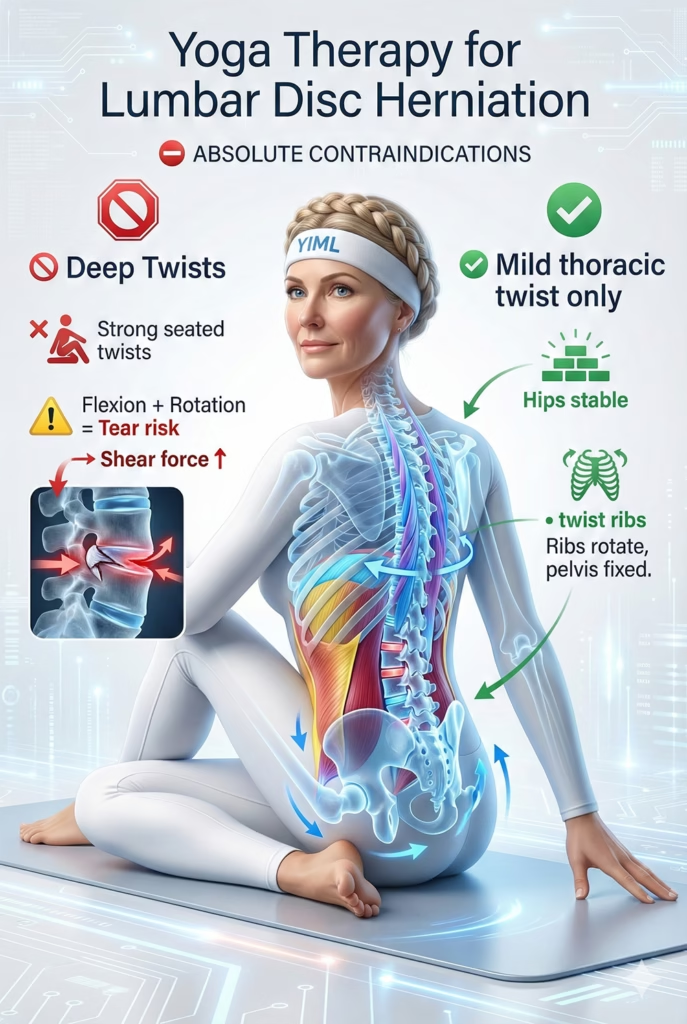
2. Deep, Uncontrolled Twists
- Avoid: Deep seated twists like Ardha Matsyendrasana.
- Scientific Rationale: The collagen fibers of the disc annulus are arranged in crisscrossing layers. Biomechanics dictate that the combination of flexion + rotation is the most devastating mechanism for tearing these fibers. Deep twists create massive shear force, risking further tearing of the annulus.
- Safe Alternative: Mild, controlled thoracic twists. Rule: “Anchor the hips, twist the ribs.” Keep the pelvis and lower back perfectly stable, initiating rotation only from the mid-back upwards.
3. High-Impact & Extreme Spinal Loading
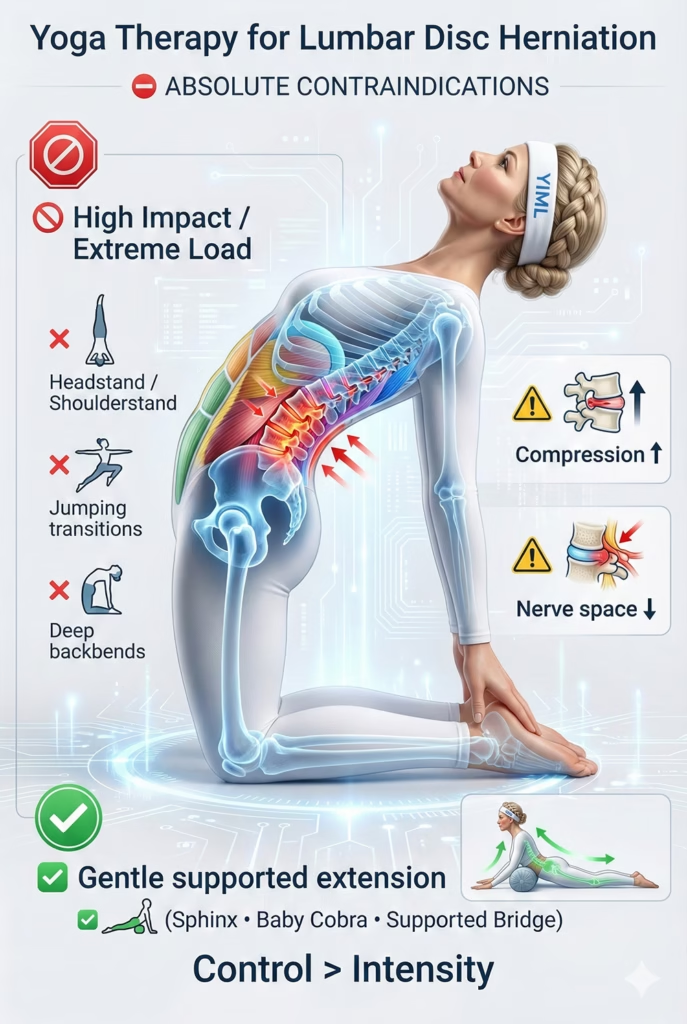
- Avoid: Full inversions (Headstand/Shoulderstand), jumping in Sun Salutations, and deep, unsupported backbends (Wheel/Camel).
- Scientific Rationale:
- Inversions: Place the entire body weight (50kg+) onto the fragile cervical vertebrae, creating massive axial compression.
- Jumping: Sends sudden, high-impact shockwaves through the compromised discs.
- Deep Backbends: Violently compress the posterior aspect of the disc and narrow the neural foramina (where nerves exit) by up to 75%, directly pinching the nerve.
- Safe Alternative: Gentle, supported extensions like Baby Cobra, Sphinx, or Supported Bridge.
4. Forceful Pranayama (Abdominal Pumping)
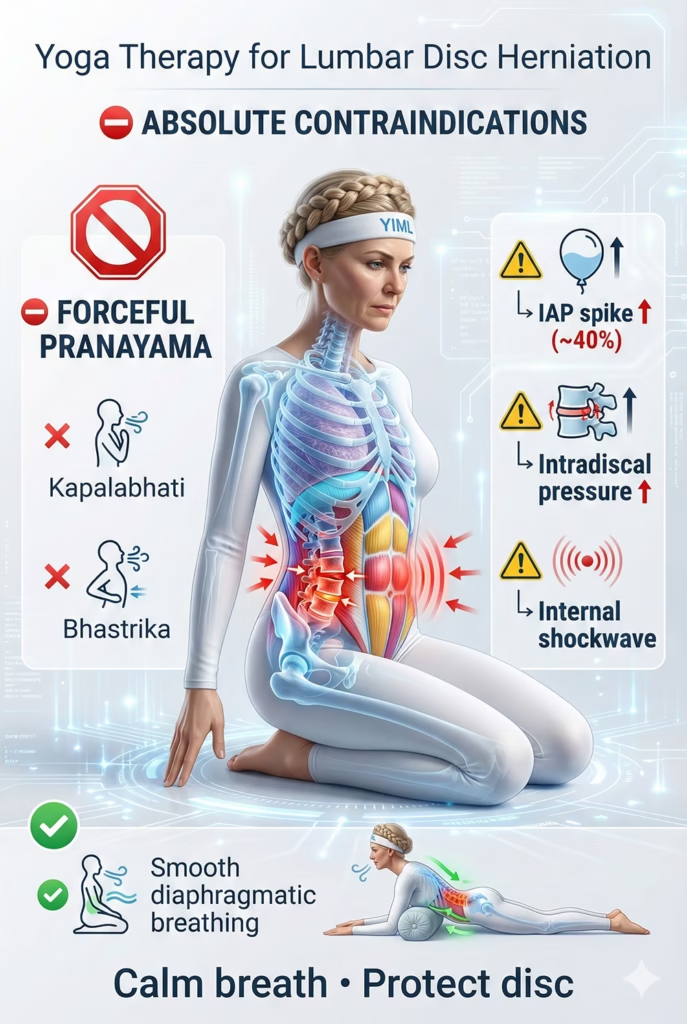
- Avoid: Kapalabhati (Breath of Fire), Bhastrika (Bellows Breath).
- Scientific Rationale: Studies on Intra-Abdominal Pressure (IAP) show that forceful coughing (mechanically similar to Kapalabhati) causes sudden, violent spikes in intradiscal pressure (up to 40%). This acts as an internal shockwave against a ruptured disc.
- Safe Alternative: Smooth, diaphragmatic breathing to soothe the nervous system.
Summary: Any movement that rounds the lower back, twists deeply from the lumbar spine, creates heavy axial compression, or triggers shooting/radiating pain must be strictly avoided. Choose anatomical safety over the aesthetic shape of a pose.
Part III: Detailed Therapeutic Yoga Toolkit for Herniated Discs
A. Asana (Postures)
Reminder: The goal here is stability and decompression, not extreme flexibility. In every posture, prioritize axial extension (lengthening the spine), gentle core engagement, and move much slower than you think necessary. This is a process of neuromuscular re-education.
Module 1: Mobilization & Motor Control Target: To increase blood circulation, awaken deep stabilizers, and reconnect the brain with safe movement patterns.
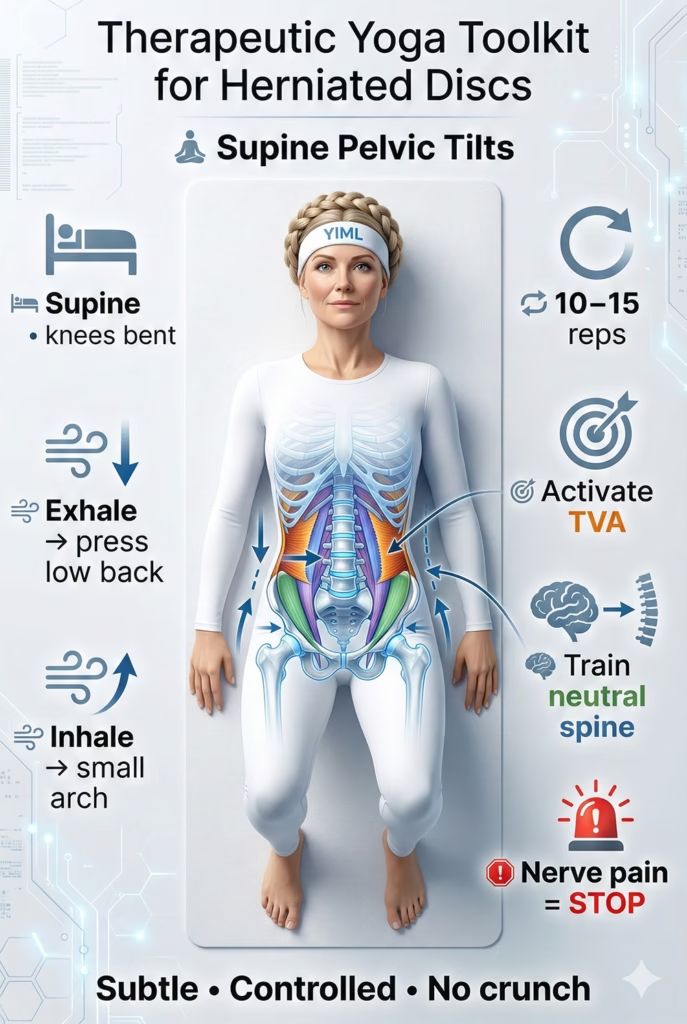
1. Supine Pelvic Tilts
- Technique: Lie supine, knees bent, feet flat. Exhale, gently press the lower back into the floor (posterior tilt). Inhale, slowly create a small space under the lower back (anterior tilt). Repeat 10-15 times.
- Instructor’s Cue: “This is not a crunch; it’s a subtle dialogue with your deepest core. Place your fingers just inside your front hip bones. As you exhale and press your back down, feel the gentle firming under your fingers—that’s your Transversus Abdominis (TVA) wrapping around you like a corset. Seek a ‘subtle internal bracing’ rather than a hard brace.”
- Therapeutic Mechanism:
- Biomechanical: Isolates and activates the TVA, the deepest abdominal layer essential for spinal splinting. It also gently mobilizes and lubricates the Sacroiliac (SI) joint.
- Neurological: A foundational proprioceptive exercise. It teaches the nervous system to precisely differentiate between lumbar extension, flexion, and the safest position: neutral spine.
- Safety Protocol: Stop immediately if you feel shooting nerve pain down the leg. Control the range of motion; do not excessively arch the back during the inhale.
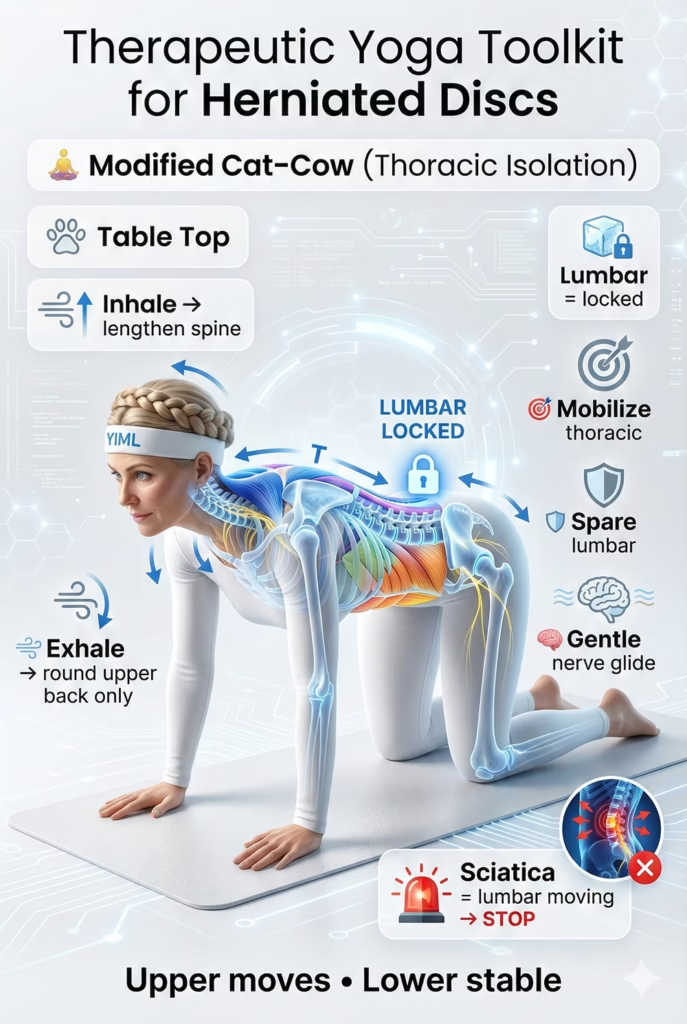
2. Modified Cat-Cow (Thoracic Isolation)
- Technique: From Table Top. Inhale, lengthen the spine forward (mild Cow). Exhale, round only the upper back, keeping the lumbar spine absolutely still (modified Cat).
- Instructor’s Cue: “Imagine your lower back is frozen in a block of ice, locked in by your deep core. Only the upper back moves. On the exhale, focus on spreading your shoulder blades apart rather than hunching your lower back.”
- Therapeutic Mechanism:
- Biomechanical: By mobilizing the often-rigid thoracic spine, the lumbar spine is spared from having to over-compensate during daily bending/twisting.
- Neurological: Nerve flossing. The rhythmic movement gently glides the spinal cord and nerve roots within the spinal canal, reducing tissue adhesions without stretching the compromised lumbar region.
- Safety Protocol: If you feel sciatica symptoms, you are moving your lower back too much. Engage the lower abdominals constantly to lock the lumbar spine in place.
Module 2: Targeted Core & Spinal Stabilization Target: To build a robust muscular “scaffold” that offloads weight from the compromised discs.
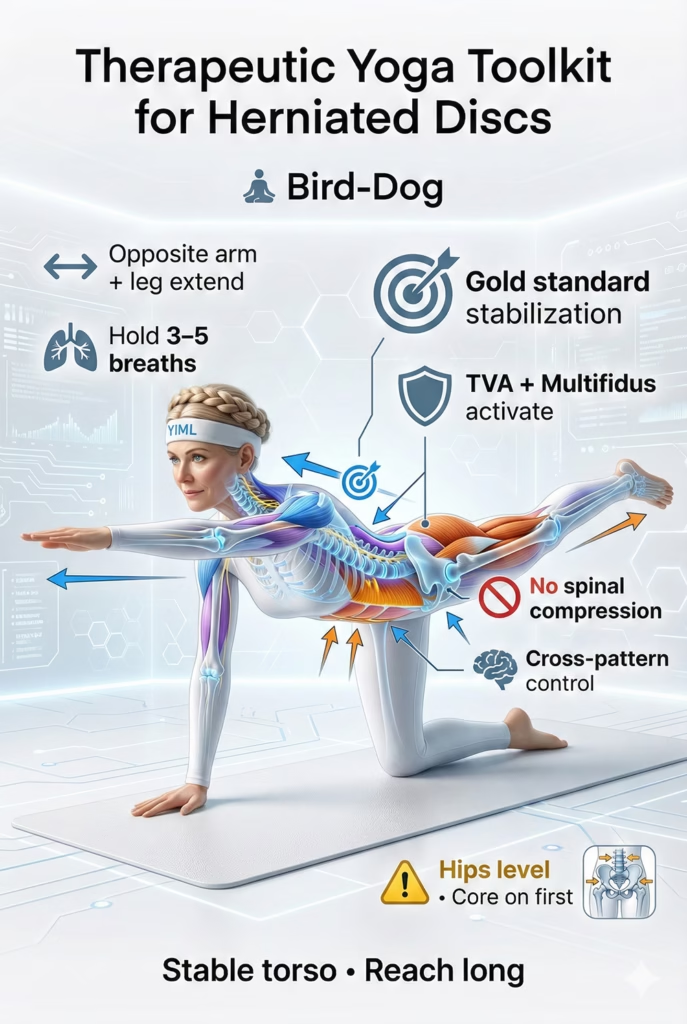
3. Bird-Dog Pose (Quadruped Alternate Arm/Leg Raise)
- Technique: From Table Top. Inhale, extend the right arm forward and left leg back. Exhale, lower. Switch sides. Hold 3-5 breaths.
- Instructor’s Cue: “Forget height; focus on length. Reach your fingers and heel in opposite directions. Your torso must remain as stable as a tabletop—imagine balancing a glass of water on your lower back. The power of this pose is in what doesn’t move.”
- Therapeutic Mechanism:
- Biomechanical: The gold standard for spinal stabilization (the “Big 3” by Dr. Stuart McGill). It forces the deep core (TVA, multifidus) to resist rotational forces, strengthening the posterior chain without loading the spine with compressive weight.
- Neurological: High demand on cross-patterning coordination, enhancing neuromuscular control and proprioception.
- Safety Protocol: Keep both hip bones pointing straight down like headlights. Engage the core before lifting the limbs.
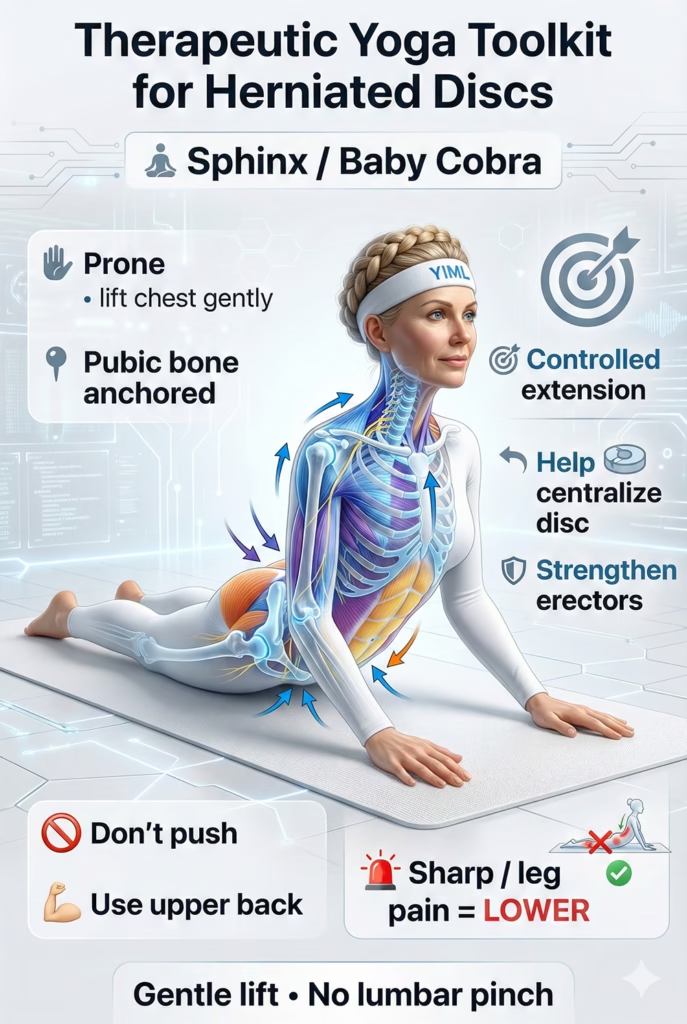
4. Sphinx & Baby Cobra Pose (Prone Extension)
- Technique: Lie prone. Forearms on the floor (Sphinx) or hands under shoulders lifting the chest slightly (Baby Cobra). Keep the pubic bone anchored to the floor.
- Instructor’s Cue: “These are healing poses, not performances. Don’t push up with your hands; use your upper back muscles to peel your chest off the floor. Drag your elbows/hands backward to pull your heart forward. You want warmth in the mid-back, zero pinching in the lower back.”
- Therapeutic Mechanism:
- Biomechanical: Aligns with the McKenzie Method. Controlled spinal extension creates a pressure differential that can help centralize the bulging nucleus pulposus, moving it away from the nerve roots. It also strengthens the erector spinae.
- Safety Protocol: RED FLAG: Any sharp pain or radiating leg pain means you have gone too far into extension. Lower down immediately. Always keep the pubic bone anchored to prevent lumbar jamming.
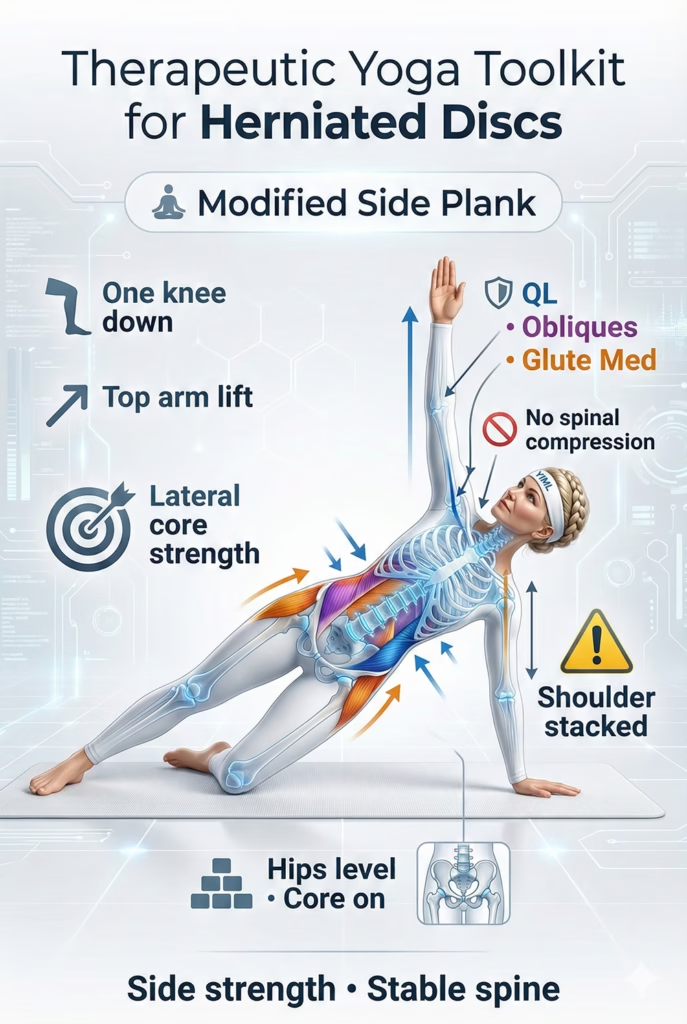
5. Modified Side Plank
- Technique: From Table Top, extend the right leg back, pivot the right foot flat, keep the left knee down, and reach the right arm up.
- Therapeutic Mechanism:
- Biomechanical: A masterclass in strengthening the lateral stabilizers without spinal compression. It heavily targets the Quadratus Lumborum (QL) and Obliques (the side-walls of your core corset), and the Gluteus Medius, which is crucial for pelvic stability during walking.
- Safety Protocol: Keep the bottom shoulder stacked directly over the wrist. Engage the core to maintain a neutral spine (don’t let the hips sag or push too far forward).
Module 3: Safe Stretching & Release Target: To release tension in muscles that pull the pelvis out of alignment (hamstrings, glutes) without risking disc flexion.
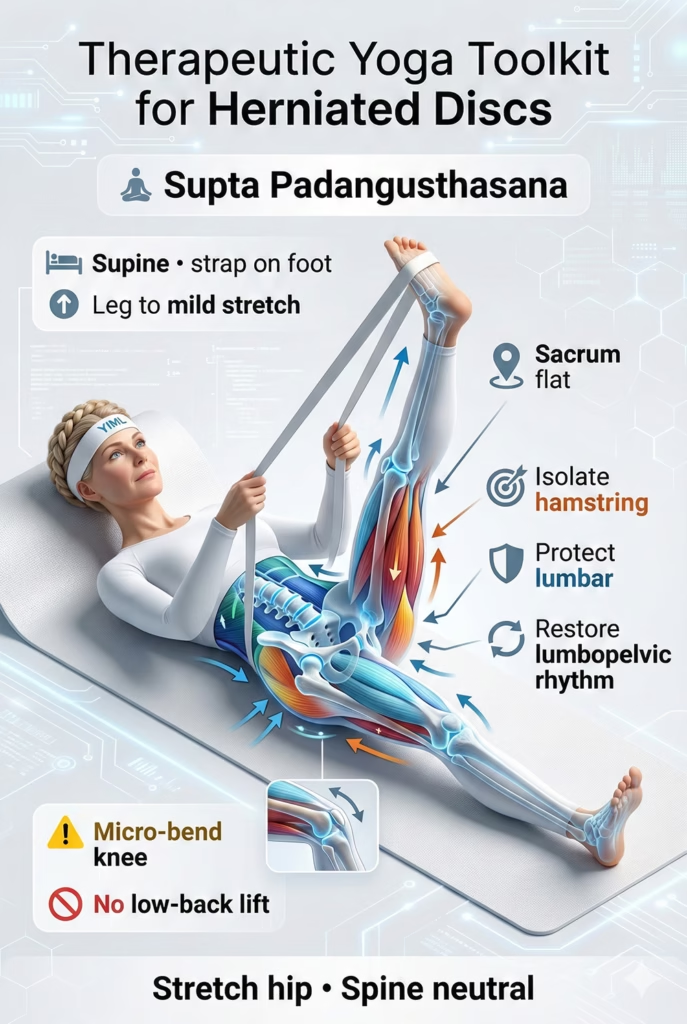
6. Supta Padangusthasana (Supine Hamstring Stretch)
- Technique: Lie supine. Loop a strap around the right foot and extend the leg toward the ceiling until a mild stretch is felt. Keep the sacrum flat on the floor.
- Therapeutic Mechanism:
- Biomechanical: The smartest way to stretch hamstrings. By keeping the spine flat on the floor, it isolates the stretch at the hip joint, entirely preventing the dangerous lumbar flexion that occurs in seated forward folds. Tight hamstrings lock the pelvis, forcing the lumbar spine to bend; releasing them restores healthy lumbopelvic rhythm.
- Safety Protocol: Keep a micro-bend in the knee if needed. Do not let the lower back round off the floor.
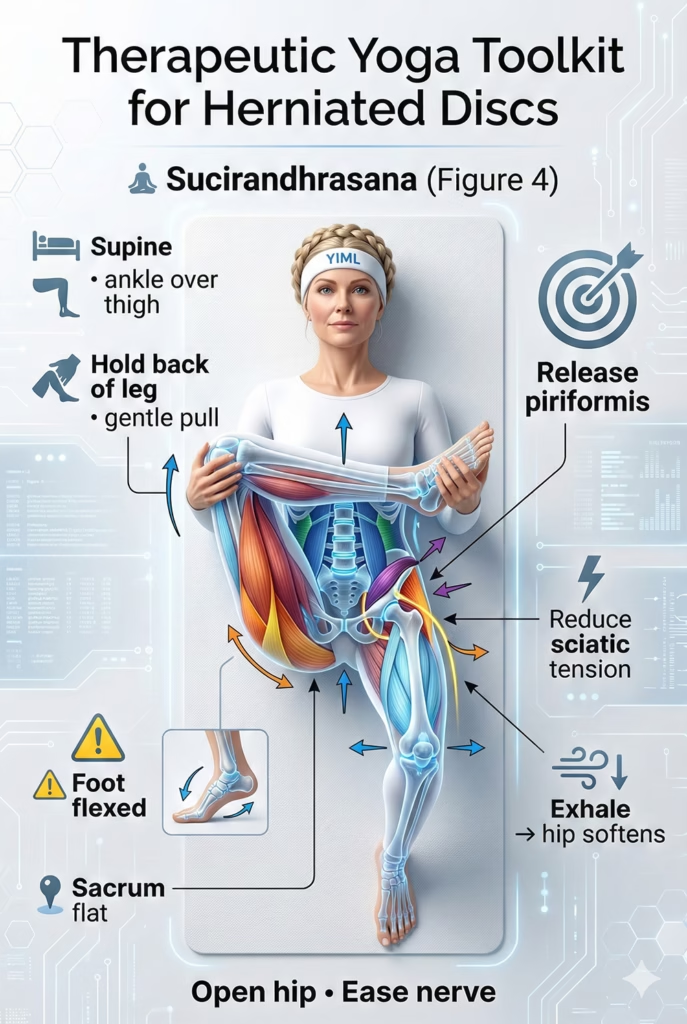
7. Sucirandhrasana (Eye of the Needle / Figure 4)
- Technique: Lie supine, knees bent. Cross the right ankle over the left thigh. Thread hands to hold the back of the left thigh and gently pull toward the chest.
- Instructor’s Cue: “Let your entire spine melt into the floor. The pulling action is minimal. Use your exhale: with every breath out, command the outer hip to soften.”
- Therapeutic Mechanism:
- Biomechanical: Targets the piriformis and deep external rotators of the hip. A tight piriformis can compress the sciatic nerve (Piriformis Syndrome), mimicking herniated disc symptoms. Releasing it reduces overall sciatic tension.
- Safety Protocol: Keep the foot of the crossed leg strongly flexed to protect the knee joint. Ensure the sacrum remains flat on the floor.
Module 4: Restorative Poses Target: To shift the nervous system into parasympathetic dominance, maximizing the body’s innate healing capacity.
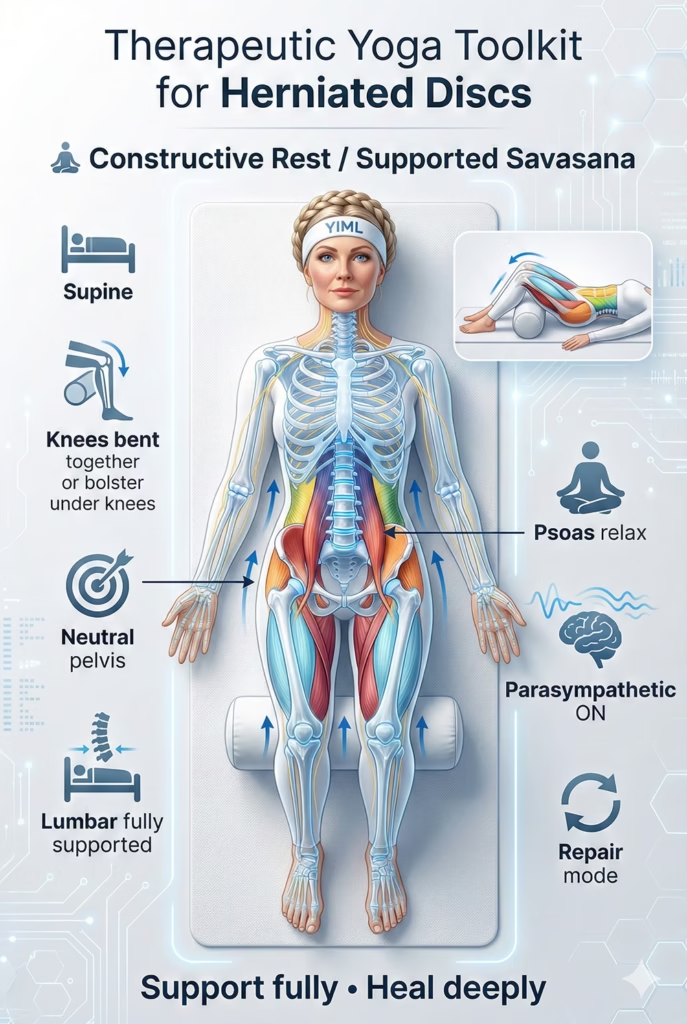
8. Constructive Rest & Supported Savasana
- Technique: Lie supine. Either bend knees with feet wide and knees knocking together (Constructive Rest), or place a large bolster under the knees (Supported Savasana).
- Therapeutic Mechanism:
- Biomechanical: Elevating/bending the knees places the pelvis in a neutral tilt, completely slackening the psoas muscle. This allows the lumbar spine to rest flat on the floor with zero traction or compressive load.
- Neurological: Total anatomical support removes the need for postural muscle firing, signaling the brain that it is safe to shift into “rest, digest, and repair” mode. This down-regulates cortisol and accelerates cellular repair of the disc annulus.
B. Pranayama (Breathwork)
Therapeutic Focus: For herniated discs, breathing exercises must be absolutely gentle, prioritizing nervous system sedation without increasing intra-abdominal pressure to a dangerous degree. Breath retention (Kumbhaka) is strictly prohibited.
1. 1:2 Ratio Breathing
- Mechanism: Extending the exhalation to twice the length of the inhalation (e.g., Inhale 4, Exhale 8) sends a profound, chemical signal of safety to the brain. This is highly effective in breaking the “Pain ➔ Anxiety ➔ Muscle Spasm ➔ More Pain” loop. This autonomic down-regulation mechanism aligns with the nervous system modulation model explored in our stress and autonomic regulation analysis.
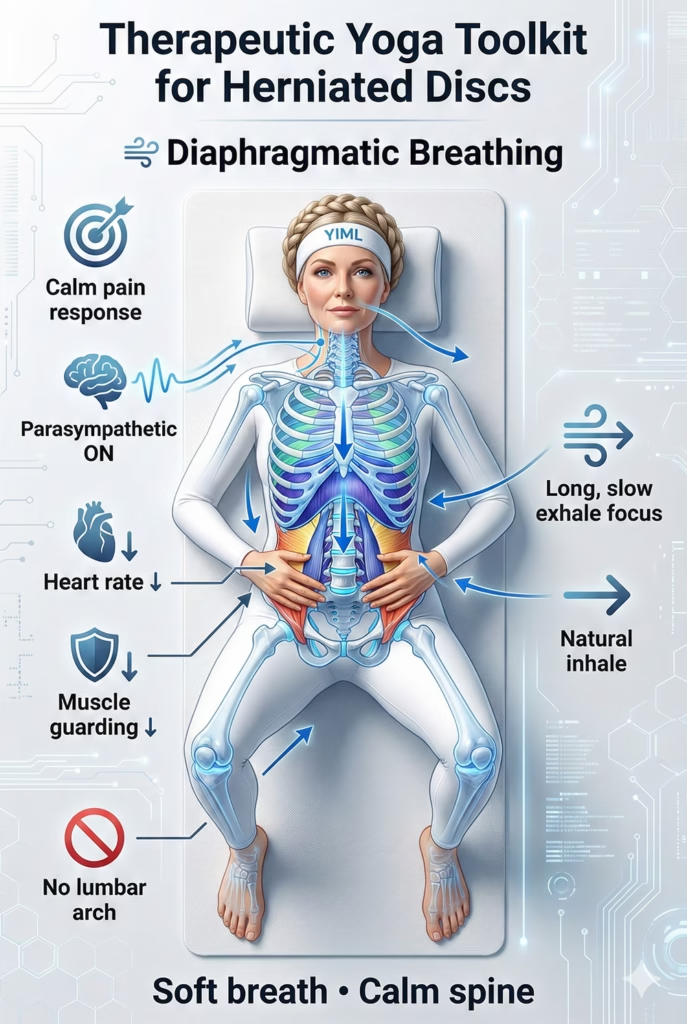
2. Diaphragmatic Breathing (Belly Breathing)
- Mechanism: Chronic pain traps the body in a sympathetic “fight-or-flight” state, causing the core muscles to rigidly “brace.” Slow belly breathing is the most direct tool to activate the parasympathetic nervous system. It lowers heart rate, relaxes muscle guarding, and crucially, desensitizes the brain to pain signals.
- Instructor’s Cue: “If you have back pain, belly breathing might feel unnatural because you are unconsciously guarding your core. Don’t force the inhale. Focus entirely on a long, slow exhale. When you empty the lungs, the body will naturally draw the next breath in. Imagine this breath gently massaging your spine from the inside out.”
- Safety Protocol: Lie supine with knees bent to allow the lower back to rest flat. Breathing should never cause a pinch in the back; if it does, you are physically extending (arching) the spine rather than just expanding the diaphragm.
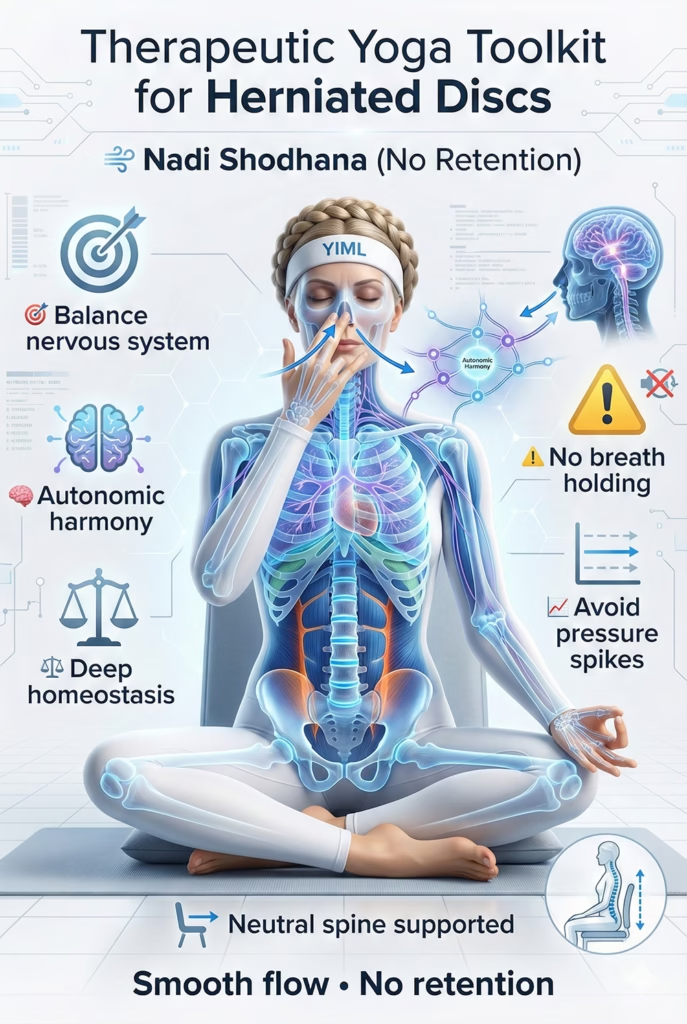
3. Nadi Shodhana (Alternate Nostril Breathing) – Without Retention
- Mechanism: Pain creates neurological and energetic chaos. Nadi Shodhana synchronizes the brain’s hemispheres and balances autonomic tone, fostering a state of deep homeostasis where cellular healing can occur.
- Safety Protocol: NO BREATH RETENTION. Holding the breath spikes intrathoracic and intra-abdominal pressure, which can negatively impact the compromised lumbar disc. Keep the breath flowing continuously and seamlessly. Ensure you sit with a neutral spine (use a chair or sit against a wall for support).
C. Meditation & Deep Relaxation
Therapeutic Focus: To alter the psychological relationship with chronic pain and facilitate deep-tissue repair.
- Yoga Nidra (Yogic Sleep): Chronic pain is physically and mentally exhausting. Practiced in Supported Savasana, Yoga Nidra induces a state of profound systemic rest. By “rebooting” the nervous system, it diverts the body’s energy away from stress responses and redirects it toward tissue repair.
- Body Scan Meditation: Helps you identify and consciously release areas of unconscious “muscle guarding.” It also trains the mind to observe pain objectively as a mere sensation, rather than identifying with it, thereby reducing psychological suffering.
- Metta (Loving-Kindness) Meditation: Chronic pain often breeds anger and resentment toward one’s own body. Silently repeating well-wishes (e.g., “May my back be at peace. May my spine heal”) cultivates self-compassion, shifting the emotional environment from hostility to healing.
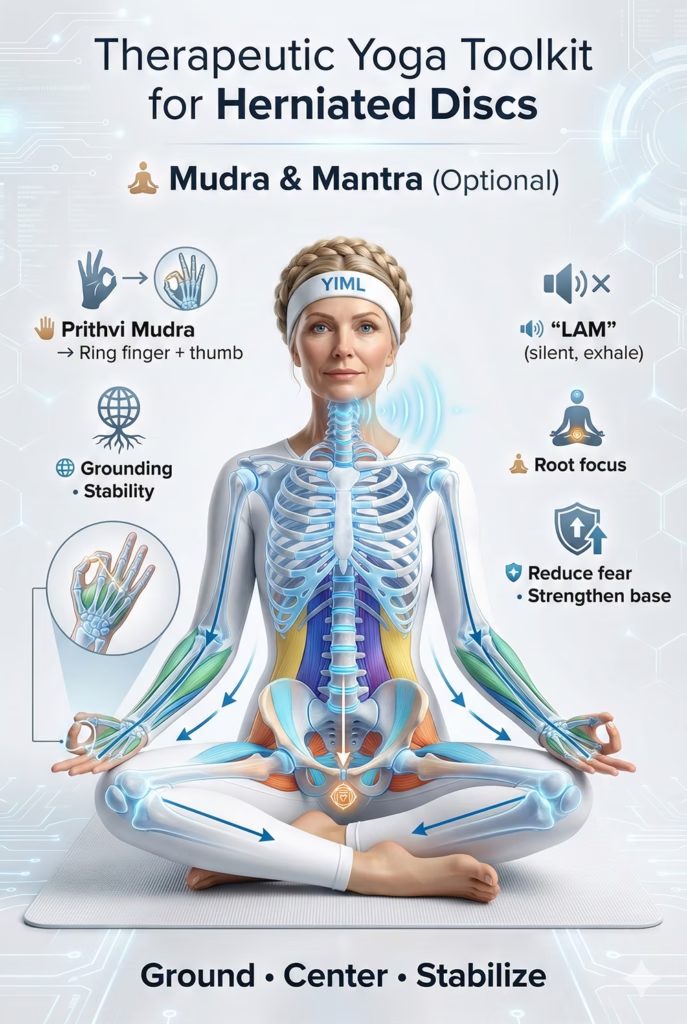
D. Mudra & Mantra (Optional Integration)
- Prithvi Mudra (Earth Mudra): Lightly touch the tip of the ring finger to the thumb. Benefit: Enhances the Earth element, promoting structural stability and grounding—essential when the spinal foundation feels compromised.
- Bija Mantra “LAM”: Silently chant “LAM” on the exhale. Benefit: The seed sound of the Root Chakra (Muladhara). Its vibration centers the mind, reduces survival-based fear associated with spinal injury, and fortifies your energetic foundation.
Part IV: Integration & Practice Protocols Suggested 25-Minute Therapeutic Sequence for Herniated Discs
Preparation (1 min): Find a quiet space. Have a bolster (or rolled blankets), 2 yoga blocks, and a strap. Move slowly. Listen to your body.
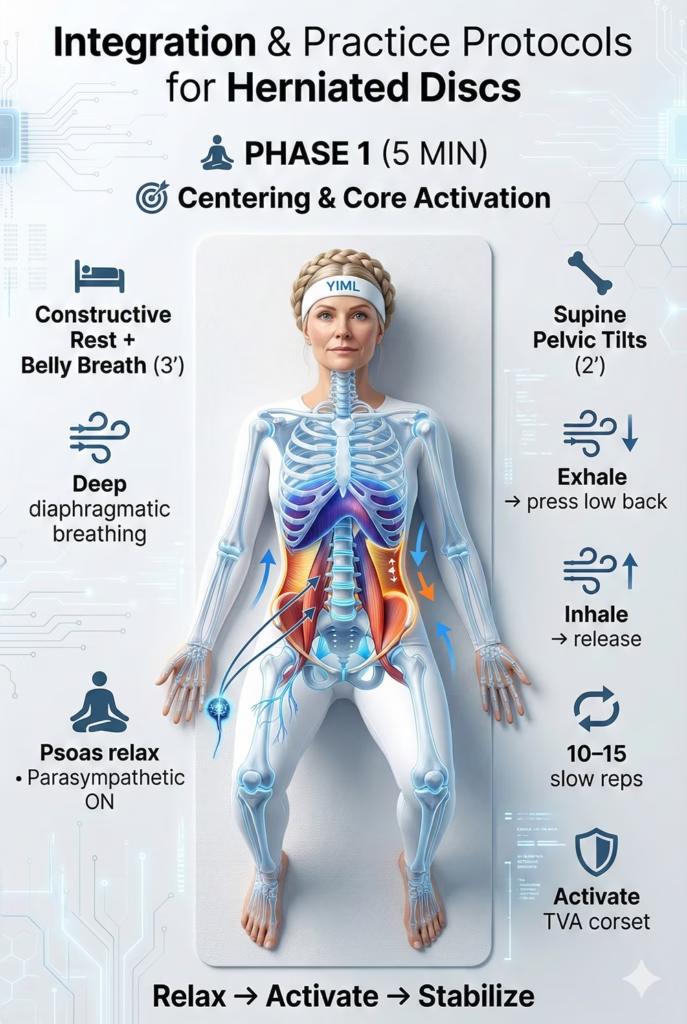
Phase 1: Centering & Core Activation (5 Minutes)
1. Constructive Rest & Belly Breathing (3 mins)
- Technique: Lie supine, knees bent, feet wider than hips, knees knocking together. Hands on the lower belly. Close eyes and focus on deep diaphragmatic breathing.
- Goal: Completely slackens the psoas muscle and initiates the parasympathetic relaxation response.
2. Supine Pelvic Tilts (2 mins)
- Technique: Still supine. Exhale, gently press the lower back into the floor (activating the deep lower core). Inhale, slowly release. Repeat 10-15 times slowly; do not lift the hips.
- Goal: “Wakes up” and strengthens the Transversus Abdominis (the deep stabilizing corset) safely.
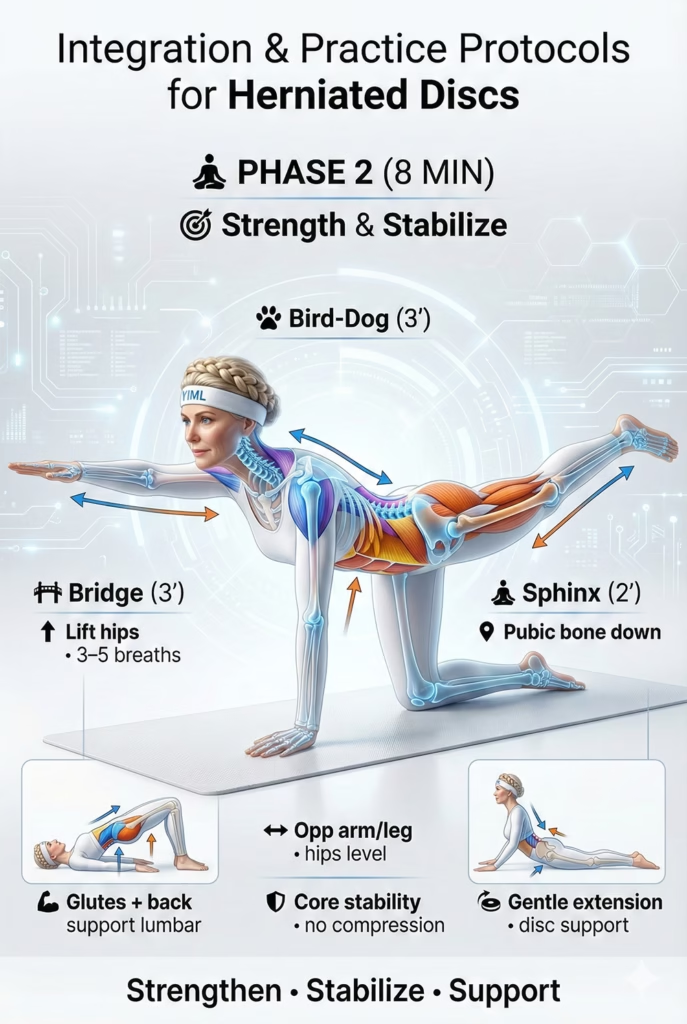
Phase 2: Strengthening & Stabilization (8 Minutes)
3. Setu Bandhasana (Bridge Pose) (3 mins)
- Technique: Inhale, press feet down, and slowly articulate the hips upward. Hold for 3-5 breaths. Exhale, slowly lower down. Repeat 3-5 times.
- Therapeutic Benefit: Strengthens the glutes and erector spinae, crucial muscles for supporting the lumbar spine.
4. Bird-Dog Pose (3 mins)
- Technique: Table Top position. Inhale, extend the right arm forward and left leg back, keeping the hips perfectly level. Hold 3 breaths. Exhale, lower. Switch sides. Repeat 4-5 times per side.
- Therapeutic Benefit: Builds cross-pattern core stability and endurance without compressive loading on the discs.
5. Salamba Bhujangasana (Sphinx Pose) (2 mins)
- Technique: Lie prone. Forearms on the floor. Anchor the pubic bone down and gently pull the chest forward. Hold 5-8 breaths.
- Therapeutic Benefit: Safely strengthens back extensors and mechanically encourages the disc nucleus to centralize.
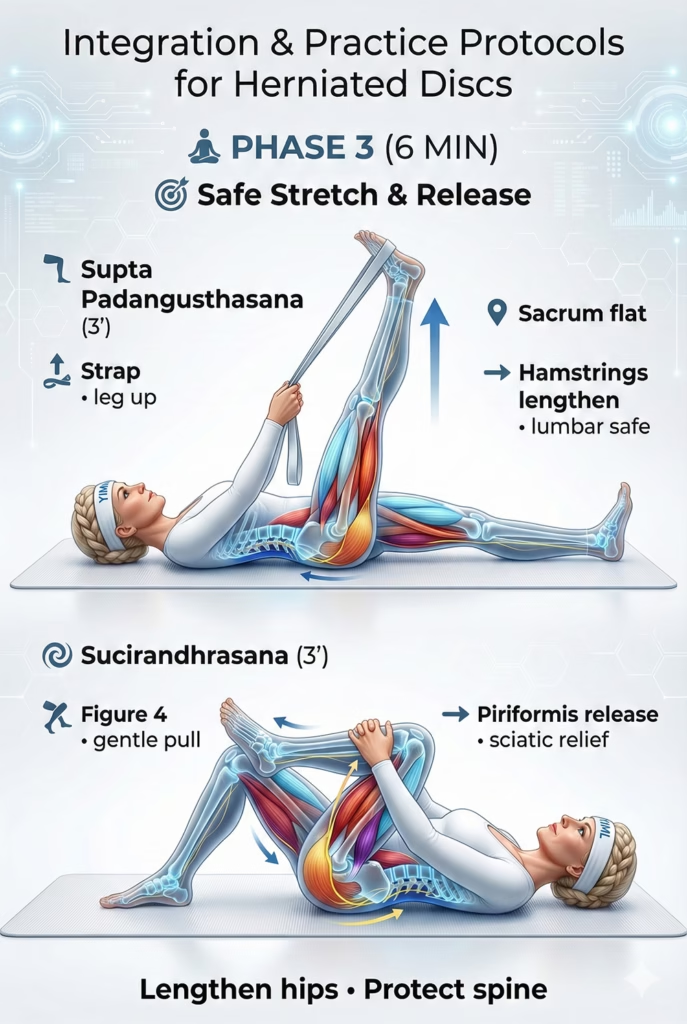
Phase 3: Safe Stretching & Release (6 Minutes)
6. Supta Padangusthasana (Supine Hamstring Stretch) (3 mins)
- Technique: Lie supine. Loop a strap around the right foot; extend the leg toward the ceiling. Keep the sacrum glued to the floor. Hold 1 minute, then switch.
- Therapeutic Benefit: Safely lengthens the hamstrings without risking lumbar flexion, reducing pulling forces on the pelvis.
7. Sucirandhrasana (Eye of the Needle) (3 mins)
- Technique: Lie supine. Cross the right ankle over the left thigh. Gently pull the left thigh toward the chest. Hold 1 minute, then switch.
- Therapeutic Benefit: Releases tension in the piriformis and glutes, alleviating sciatica-like symptoms.
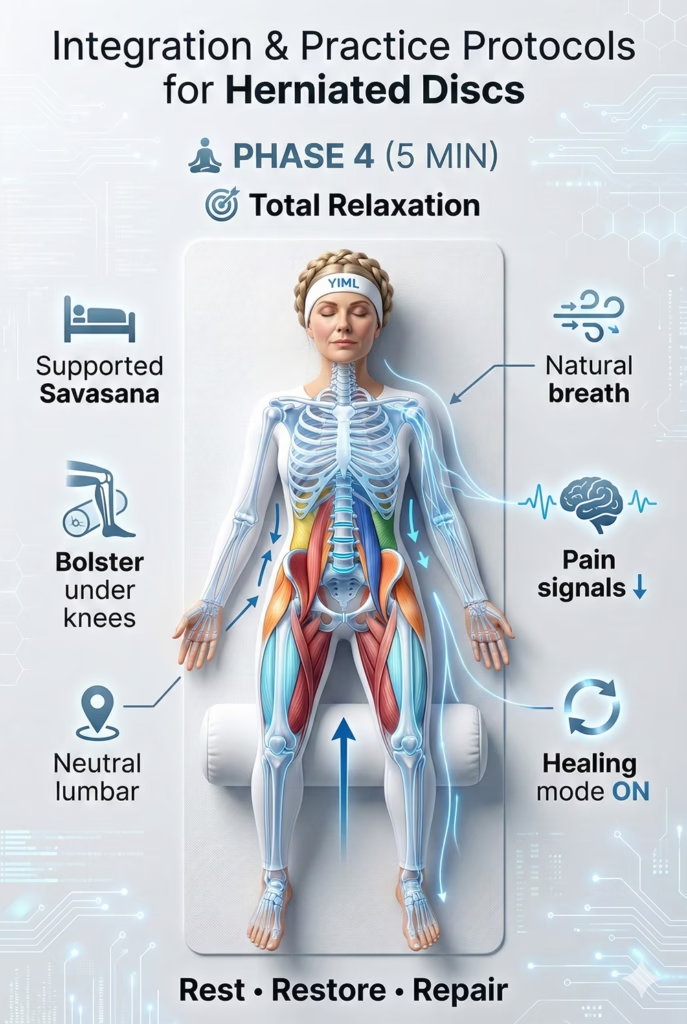
Phase 4: Total Relaxation (5 Minutes)
8. Supported Savasana
- Technique: Lie supine. Place a large bolster or rolled blanket under the knees to maintain a neutral, completely relaxed lumbar spine. Cover with a blanket. Surrender all muscular effort and rest in natural breath.
- Goal: Allows the nervous system to absorb the practice, down-regulating pain signals and promoting systemic healing.
Lifestyle & Ayurvedic Protocols for Herniated Discs
Daily Micro-Habits for Spinal Hygiene Recovery does not happen solely on the yoga mat. The goal is to minimize mechanical loading on the spine, cultivate intelligent movement patterns, and balance internal systemic elements.
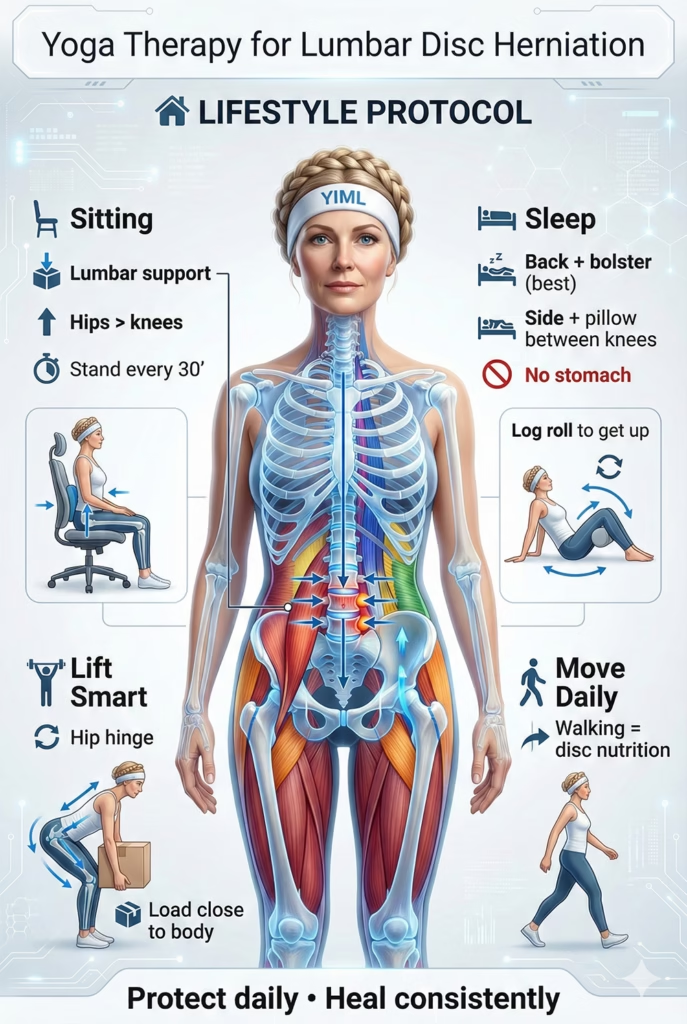
1. Ergonomic Sitting
- Lumbar Support: Always use a lumbar roll to support the natural curve (lumbar lordosis). This distributes weight evenly rather than concentrating compressive forces on the anterior discs.
- Hips Above Knees: Adjust your chair so your hips are slightly higher than your knees. This promotes a mild anterior pelvic tilt, the optimal position to dramatically reduce intradiscal pressure.
- The 30-Minute Rule: Prolonged sitting is a static load that dehydrates discs and aggravates Vata dosha (stiffness). Stand, walk, and gently extend the spine every 30 minutes to promote fluid exchange in the discs.
2. Sleep Posture
- Supine (Best): Sleep on your back with a bolster under your knees. This slackens the psoas muscle, neutralizing its forward-pulling tension on the lumbar spine.
- Side-Lying: Place a firm pillow between your knees. This prevents the top leg from dropping forward, keeping the pelvis neutral and avoiding silent torsional (twisting) forces on the spine overnight.
- Avoid Stomach Sleeping: This flattens the lumbar curve and forces the cervical spine into prolonged, extreme rotation.
- Mattress Quality: Choose a medium-firm mattress to support natural spinal contours without allowing the hips to sink.
- The “Log Roll” Technique: Never sit straight up out of bed (which causes dangerous loaded flexion). Roll onto your side, drop your legs off the edge, and use your arms to push your torso up sideways, keeping the spine rigid like a log.
3. Lifting Mechanics
- Hip Hinge: Always bend at the knees and hips, keeping the spine neutral. Drive upward with the strength of your glutes and legs, never your back.
- Keep the Load Close: Hold heavy objects as close to your center of gravity as possible.
4. Gentle Movement
- Walking: One of the best therapeutic activities. It creates a gentle, rhythmic pumping action that facilitates disc imbibition (pulling nutrients into the avascular disc tissue).
Ayurvedic Dietary Guidelines
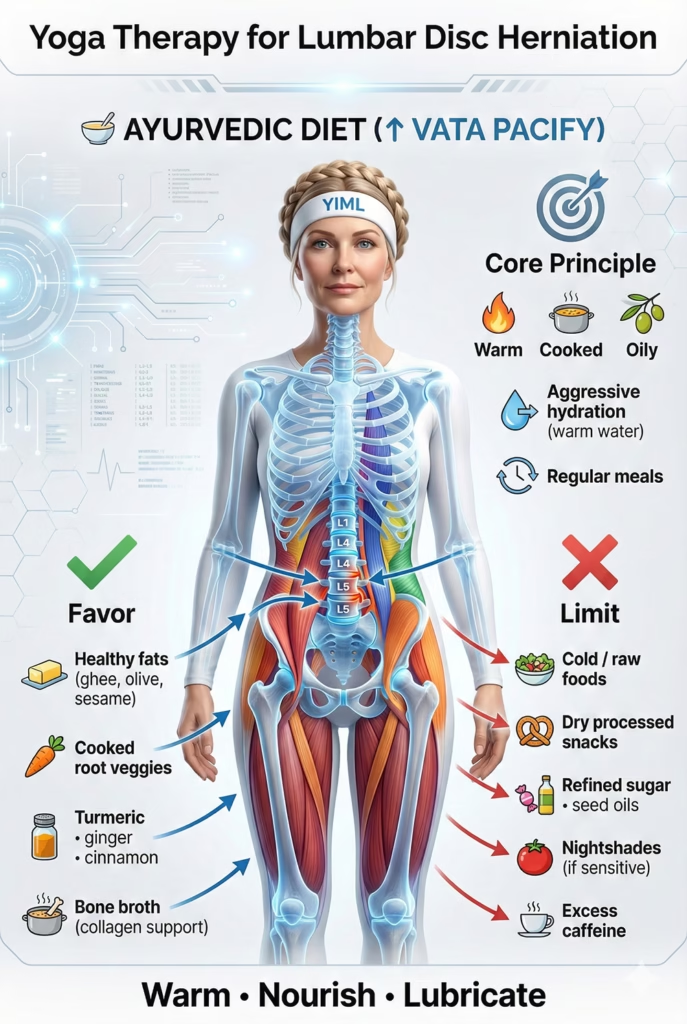
Ayurveda views a herniated disc as a severe Vata aggravation (characterized by dryness, degeneration, and shooting nerve pain). The diet must rigorously pacify Vata by focusing on warmth, hydration, and tissue nourishment.
General Principles
- Favor Warm, Cooked, & Oily: These foods are easily digestible and internally “lubricate” dry, brittle tissues.
- Aggressive Hydration: Drink warm water or herbal teas constantly. A herniated disc is a dehydrated disc; systemic hydration is critical for tissue repair.
- Routine: Regular meal times soothe the erratic Vata nervous system.
Foods to Favor
- Healthy Fats: Ghee, olive oil, sesame oil, and avocados lubricate joints and nourish the myelin sheaths of irritated nerves.
- Cooked Root Vegetables: Sweet potatoes, carrots, and beets provide grounding, natural sweetness.
- Anti-Inflammatory Spices: Turmeric (with black pepper for absorption), ginger, and cinnamon reduce systemic inflammation around the nerve root.
- Natural Collagen: Bone broth is rich in collagen, glucosamine, and chondroitin, providing the exact building blocks needed for cartilage and annular repair.
Foods to Limit or Avoid
- Cold & Raw Foods: Raw salads and ice water amplify Vata and tissue rigidity.
- Dry & Light Foods: Crackers, popcorn, and highly processed snacks.
- Inflammatory Foods: Refined sugars and processed seed oils exacerbate the chemical inflammation at the nerve root.
- Nightshades (Use Caution): Tomatoes, eggplants, and bell peppers. Some individuals with joint/nerve pain are highly sensitive to the alkaloids in this group.
- Stimulants: High caffeine intake directly dehydrates the discs and hyper-stimulates the nervous system.
Persistent disc pain is not purely mechanical; it is deeply intertwined with autonomic nervous system regulation. Chronic sympathetic activation amplifies muscle guarding, pain sensitivity, and recovery delays – turning a structural injury into a prolonged pain cycle. Addressing disc pathology therefore requires not only mechanical stabilization, but conscious nervous system recalibration.
Part V: Conclusion
The therapeutic yoga approach to a herniated disc is a strategic, cautious neuromuscular rebuild—not a flexibility contest. It shifts the patient from a paradigm of passive treatments to active, empowered rehabilitation.
By integrating Asana to stabilize the deep core, Pranayama to down-regulate pain signals, and mindful postural hygiene in daily life, Yoga provides a comprehensive toolkit for recovery. The ultimate goal is not just symptom relief, but forging a resilient spine that can withstand the demands of life without relapsing.
This journey demands:
- Patience: Cartilage and annular fibers have poor blood supply; healing is measured in months, not days.
- Interoception: Nerve pain is your strictest teacher. You must learn to listen to it and respect its boundaries without ego.
- Consistency: Sustainable spinal health is built through the daily repetition of safe, biomechanically sound movements.
Medical Disclaimer
IMPORTANT: The content provided in this article is for informational and educational purposes only. It is NOT intended to substitute for professional medical advice, diagnosis, or treatment.
- Always consult a physician or physical therapist for an accurate diagnosis and to ensure these therapeutic movements are appropriate for your specific pathology.
- Never disregard professional medical advice or delay seeking it based on information read in this guide.
- 🚨 RED FLAG WARNING: Seek immediate emergency medical care if your pain rapidly worsens, or if you experience severe progressive neurological symptoms, including bilateral leg weakness, “saddle anesthesia” (numbness in the groin), or loss of bowel/bladder control.
References
Medical & Scientific Sources
- American Academy of Orthopaedic Surgeons (AAOS). Herniated Disk in the Lower Back. (https://orthoinfo.aaos.org)
- Mayo Clinic. Herniated disk. (https://www.mayoclinic.org)
- Wieland, L. S., et al. (2017). Yoga treatment for chronic non-specific low back pain. Cochrane Database of Systematic Reviews.
- PubMed Central (National Library of Medicine). (https://www.ncbi.nlm.nih.gov/pmc/)
Yoga Therapy Sources
- Fishman, L., & Saltonstall, E. (2012). Yoga for Back Pain. W. W. Norton & Company.
- Kaminoff, L., & Matthews, A. (2012). Yoga Anatomy (2nd ed.). Human Kinetics.
- McCall, T. (2007). Yoga as Medicine: The Yogic Prescription for Health and Healing. Bantam Dell.
- Saraswati, S. S. (2008). Asana Pranayama Mudra Bandha. Bihar School of Yoga.