
Part 1: Introduction
Women undergoing treatment for gynecologic cancers often struggle with fatigue, sleep disturbance, anxiety, and reduced quality of life.
Yoga is increasingly recommended as a supportive therapy.
But what does high-level evidence actually show?
This article decodes a systematic review of randomized controlled trials to clarify what we know — and what we still don’t.
Gynecological cancers (including ovarian, cervical, endometrial, vulvar, and vaginal cancers) represent not only a physical battle for survival but also a profound psychological assault on a patient’s feminine identity.
Unlike many other malignancies, the treatment trajectory for gynecological cancers often involves hysterectomy/oophorectomy (removal of the uterus/ovaries), chemotherapy, and pelvic radiation. These aggressive interventions leave behind persistent sequelae known in modern medicine as the “survivorship burden”:
- Surgically-Induced Menopause: Triggering abrupt hot flashes, osteoporosis, and severe mood lability.
- Sexual & Urinary Dysfunction: Directly impacting intimate relationships and personal confidence.
- “Chemo-brain” (Cancer-Related Cognitive Impairment): Noticeable cognitive decline, memory lapses, and lack of focus post-chemotherapy.
- Cancer-Related Fatigue (CRF): A state of profound, chronic exhaustion that is entirely unrelieved by normal sleep.
While medical therapies excel at “eradicating cancer cells,” the patient’s holistic Quality of Life (QoL) is frequently marginalized. Yoga, as a comprehensive Mind-Body Intervention, has emerged as a potential solution to bridge this gap. The critical question remains: does current clinical evidence support Yoga as a structured adjunct in gynecological oncology care?
Study Overview
- Title: Effects of Yoga Interventions on Health Outcomes in Women With Gynecological Cancers: A Systematic Review of Randomised Controlled Trials.
- Authors: Selvaraj Giridharan, Nandan M Shanbhag, Abdulrahman Bin Sumaida, Khalid Balaraj.
- Published: October 2025.
- Link (PMC): https://pmc.ncbi.nlm.nih.gov/articles/PMC12630997/
- DOI: 10.7759/cureus.95017

Why This Study Matters
- Currency: Published in late 2025, it captures the most recent clinical evidence missed by older reviews.
- High Specificity: While most oncological yoga research focuses heavily on breast cancer, this study isolates gynecological cancers, providing targeted insights for oncologists and Yoga Therapists managing this specific demographic.
- Intervention Stratification: The review clearly distinguishes between the effects of Meditative Yoga versus physical posture-based Yoga, offering a precise blueprint for therapeutic protocols.
Part 2: Objectives and Scientific Hypotheses
Primary Objective
The authors synthesized Randomized Controlled Trials (RCTs) to evaluate Yoga’s efficacy on:
- Mental Health: Anxiety, Depression, and Stress.
- Physical Health: Cancer-Related Fatigue (CRF) and Sleep Quality.
- Quality of Life (QoL): Comprehensive assessment of physical, emotional, and social well-being.
- Cognitive Function: Focus and memory retention (addressing “Chemo-brain”).
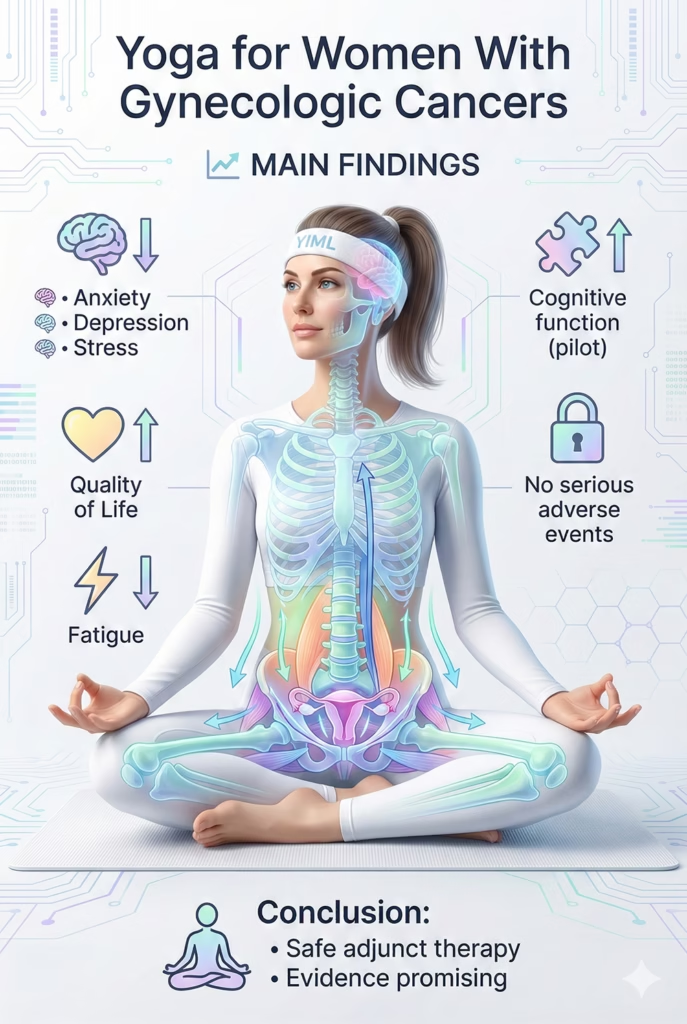
Mechanism of Action (The Hypotheses)
Researchers hypothesized that Yoga impacts gynecological cancer patients via three primary pathways:
- Neuroendocrine Modulation: Down-regulating cortisol (the stress hormone) and dampening sympathetic nervous system hyperactivity (which is chronically elevated due to disease-related fear).
- Immune Regulation: Enhancing Natural Killer (NK) cell activity and reducing pro-inflammatory cytokines—critical factors in preventing cancer recurrence.
- Psychological Adaptation: Utilizing Mindfulness to foster radical acceptance, thereby reducing the psychological resistance that amplifies suffering.
Part 3: Methodology
Study Design
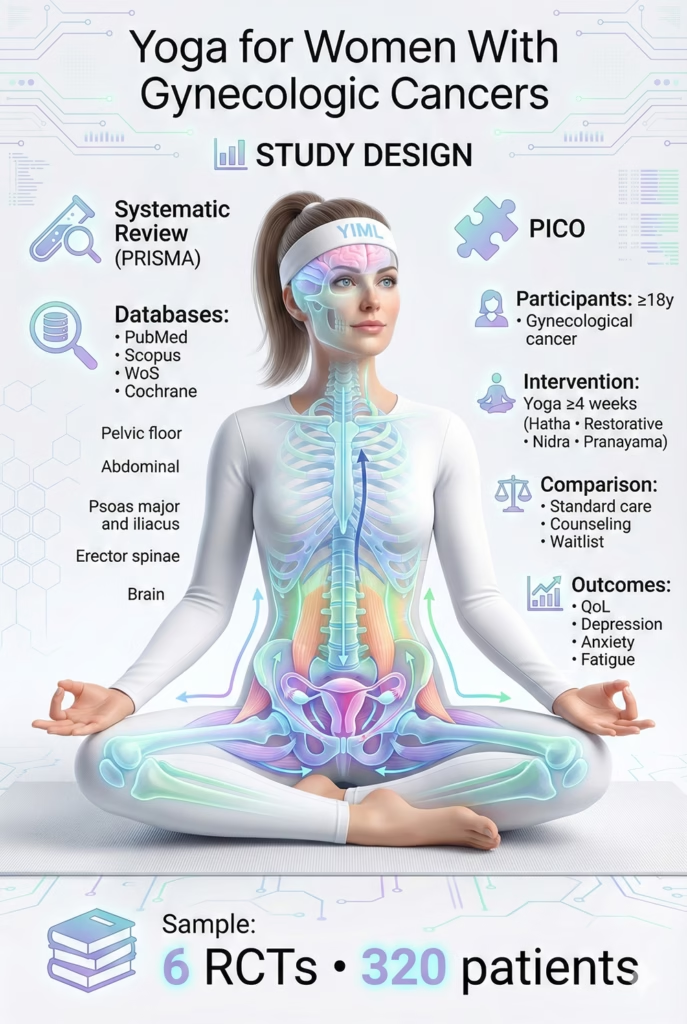
A rigorous Systematic Review adhering to PRISMA guidelines. Authors screened hundreds of articles across PubMed, Scopus, Web of Science, and Cochrane.
PICO Criteria (Participants, Interventions, Comparisons, Outcomes)
- Participants: Adult women (≥18 years) diagnosed with any gynecological cancer, either actively undergoing or having completed treatment.
- Intervention: Yoga programs lasting ≥4 weeks (including Hatha, Restorative, Yoga Nidra, and Pranayama).
- Comparison: Standard care, health counseling, or waitlist controls.
- Outcomes: Standardized psychometric scales measuring QoL, depression, anxiety, and fatigue.
- Sample Data: 6 highly rigorous RCTs involving a total of 320 patients were included in the final qualitative and quantitative synthesis.
Part 4: Results
This section demonstrates that Yoga is more than gentle exercise; it functions as an evidence-supported adjunctive intervention in oncology care.
1. Mental Health: Profound and Consistent Efficacy
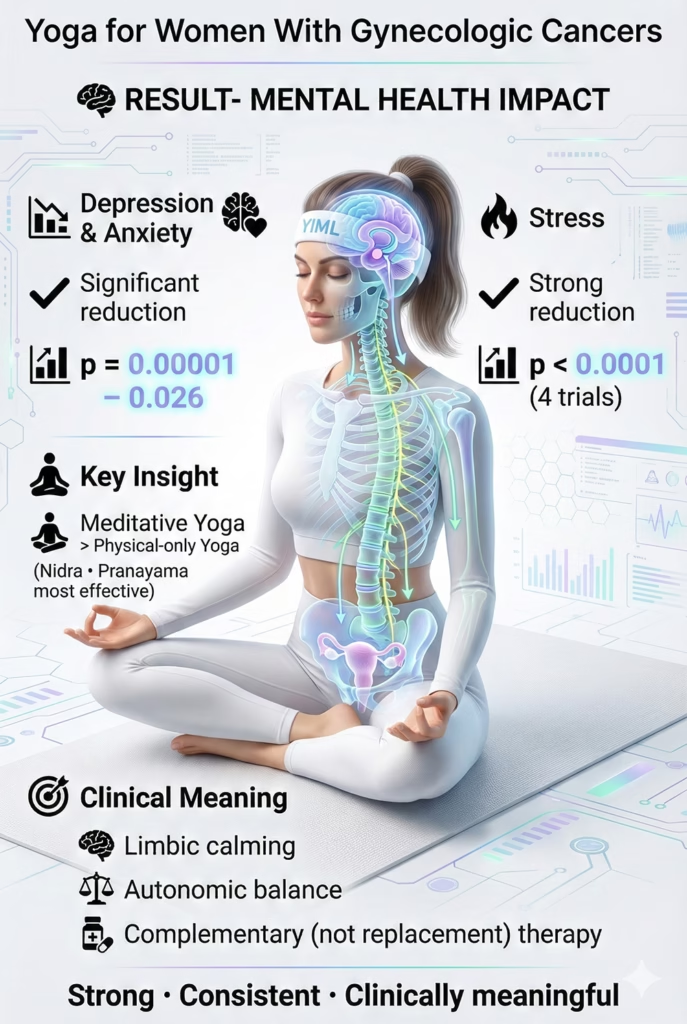
Yoga demonstrated its most potent impact on psychological indices:
- Depression & Anxiety: Showed highly significant statistical reductions (P-values ranging from 0.00001 to 0.026).
- Layman’s translation: The statistical findings demonstrate a consistent and clinically meaningful reduction in depression and anxiety, with a very low probability that these improvements occurred by chance.
- Stress: Reductions achieved high statistical reliability (P < 0.0001) across 4 trials.
- The Key Finding: Studies utilizing Meditative Yoga (such as Yoga Nidra-based deep relaxation protocols and Pranayama) proved significantly superior to purely physical Yoga in improving psychological health.
- Clinical Significance: For many patients, existential fear and changes in bodily identity significantly contribute to psychological distress. Meditative practices such as Yoga Nidra and Pranayama may modulate limbic system reactivity and autonomic balance, offering a non-pharmacological pathway to address psychological distress. These approaches may complement, rather than replace, standard medical treatment.
2. Quality of Life (QoL): Clear Improvements
Three trials reported significant improvements in overall QoL (P-values from 0.039 to <0.05). The Standardized Mean Difference (SMD) was ~0.3.
- Layman’s translation: While an SMD of 0.3 is considered a “small” mathematical effect, for a patient battling severe cancer, any measurable improvement in their ability to function, feel emotionally stable, and interact socially is considered a massive clinical victory.

3. Fatigue and Cognitive Function: Promising Signals
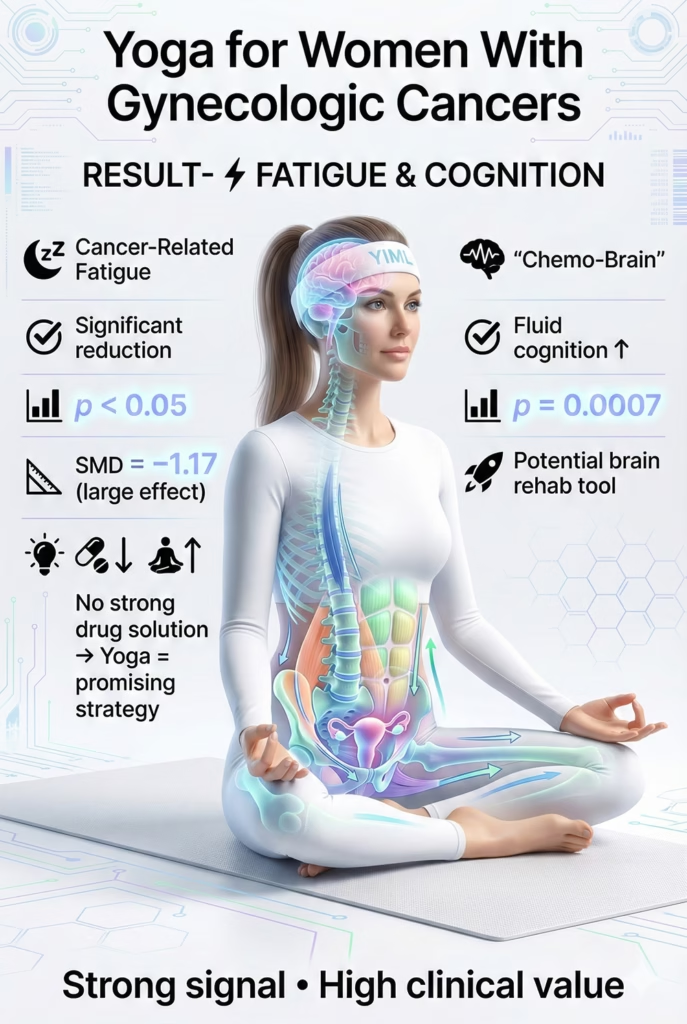
- Cancer-Related Fatigue (CRF): Two trials demonstrated Yoga significantly reduced CRF (P < 0.05) with a large effect size (SMD = -1.17).
- Layman’s translation: This is incredibly valuable. Modern medicine currently has no highly effective pill for the bone-deep exhaustion caused by chemo. Yoga appears to be a promising non-pharmacological strategy for addressing cancer-related fatigue, a symptom for which conventional pharmacologic options remain limited.
- Cognitive Function (“Chemo-brain”): One pilot study noted an improvement in “fluid cognition” (the ability to process new information) with a P-value of 0.0007. This opens exciting therapeutic avenues for using Yoga to rehabilitate the brain post-chemotherapy.
4. Adherence and Safety Profile
- Adherence: A fascinating finding was that Restorative Yoga yielded much higher patient compliance rates than vigorous physical Yoga.
- Safety: Zero adverse events (injuries or complications) were recorded across all studies.
- Layman’s translation: Across the included trials, no serious adverse events were reported, suggesting a favorable safety profile when Yoga is appropriately adapted and supervised.
Part 5: Discussion
Why do such gentle movements possess such profound healing power? We explore the mechanisms below.
1. The “Stress-Response Inversion” Mechanism
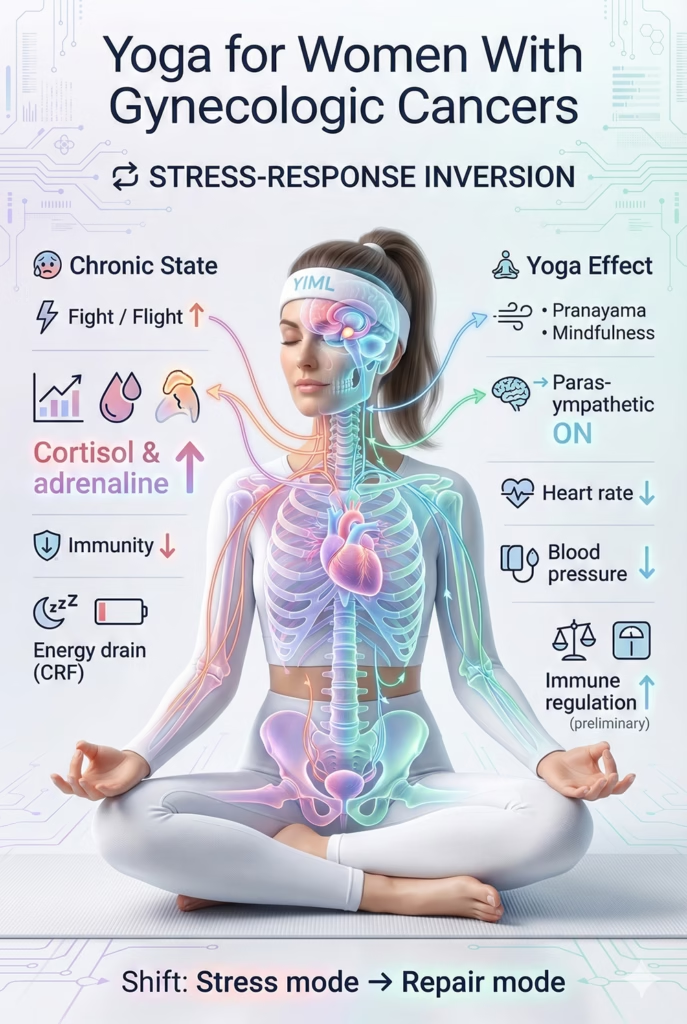
Gynecological cancer patients chronically exist in a sympathetic “Fight or Flight” state. This keeps cortisol and adrenaline perpetually elevated, which suppresses the immune system and drains energy (causing CRF). The research indicates that Yoga—specifically Pranayama and Mindfulness—powerfully activates the Parasympathetic Nervous System.
When activated, the body shifts into “Rest and Digest” mode. Heart rate slows, blood pressure drops, and crucially: Parasympathetic activation may contribute to improved immune regulation. While preliminary data suggest potential benefits for immune markers, direct effects on tumor surveillance require further investigation.
2. Resolving “Disembodiment”
Importantly, this shift is not merely emotional. Research on mindfulness-based stress reduction (MBSR) and yoga has shown measurable reductions in physiological stress markers and improvements in nervous system regulation (DOI: 10.1016/j.psyneuen.2017.08.008). In simple terms, practices that combine breath awareness and gentle movement help calm the body’s stress-response system. When the nervous system moves out of chronic “fight-or-flight” mode and back into a state of safety, the body becomes more accessible again. This physiological shift creates the foundation for emotional stabilization, reduced depressive symptoms, and the gradual return of sexual responsiveness

3. Enhancing Lymphatic Drainage
While much of the discussion has centered on psychological recovery, Yoga’s biomechanics provide meaningful physical support as well. Gentle muscular engagement combined with slow diaphragmatic breathing creates subtle pressure changes within the thoracic and abdominal cavities, functioning as a natural “lymphatic pump.”
Because the lymphatic system lacks a central pumping organ, it relies heavily on skeletal muscle contraction and respiratory movement to facilitate fluid return. In this context, mindful movement and diaphragmatic breathing may support venous and lymphatic circulation. This mechanism could be particularly relevant for individuals at risk of lymphedema, although direct clinical evidence in gynecologic cancer populations remains limited.
Study Limitations
To maintain scientific objectivity, we must acknowledge the study’s constraints:
- Small Sample Size: 320 participants across 6 studies is too modest to draw definitive global conclusions.
- Intervention Heterogeneity: The wide variety of Yoga styles used (Iyengar, Hatha, Nidra) makes standardizing a universal clinical protocol difficult.
- Lack of Longitudinal Data: Most studies only tracked patients for a few months. We lack data on Yoga’s impact on 5-year survival rates or cancer recurrence.
Clinical Application (The Oncologist’s Perspective)
Based on PMC12630997, clinicians can implement the following recommendations:
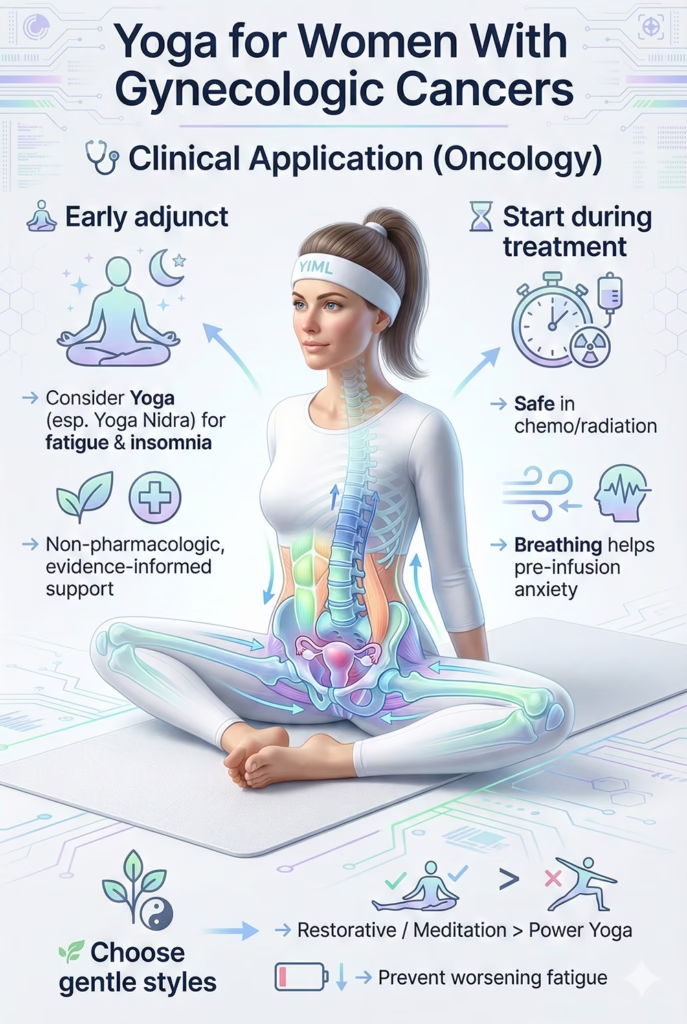
- Consider Yoga as an early adjunctive intervention: For patients complaining of severe fatigue and insomnia who wish to avoid additional sedatives, Yoga (especially Yoga Nidra) is a safe, may be considered a safe and evidence-informed early supportive recommendation.
- Timing of Intervention: Yoga can be safely initiated during active chemo/radiation. Breathing exercises are excellent tools for patients to manage acute pre-infusion anxiety.
- Modality Selection: Based on adherence data, oncologists should specifically refer patients to Restorative Yoga or Meditation classes rather than physically demanding Power Yoga to prevent exacerbating fatigue.
Practical Application (The Yoga Therapist’s Perspective)
When working with gynecological cancer survivors, Yoga Therapists must adhere to these critical principles based on the evidence:
1. Prioritize “Meditative Yoga” The data highlights the superior efficacy of Yoga Nidra and Pranayama for mental health.
- Action: Dedicate at least 15-20 minutes of the session to a guided Savasana or Yoga Nidra. This is when the deepest cellular healing occurs.
- Breathwork: Focus on Diaphragmatic Breathing and Nadi Shodhana (Alternate Nostril Breathing) to balance the nervous system. Strictly avoid heat-generating Pranayama (like Kapalabhati) if the patient is experiencing surgically-induced hot flashes.
2. Pelvic Floor Considerations Due to surgery and pelvic radiation, the pelvic floor may be severely scarred, fibrotic, or numb.
- Action: Utilize gentle hip openers (e.g., Supported Supta Baddha Konasana) to promote blood flow. However, strictly avoid aggressive over-stretching, especially if surgical scars are still healing.
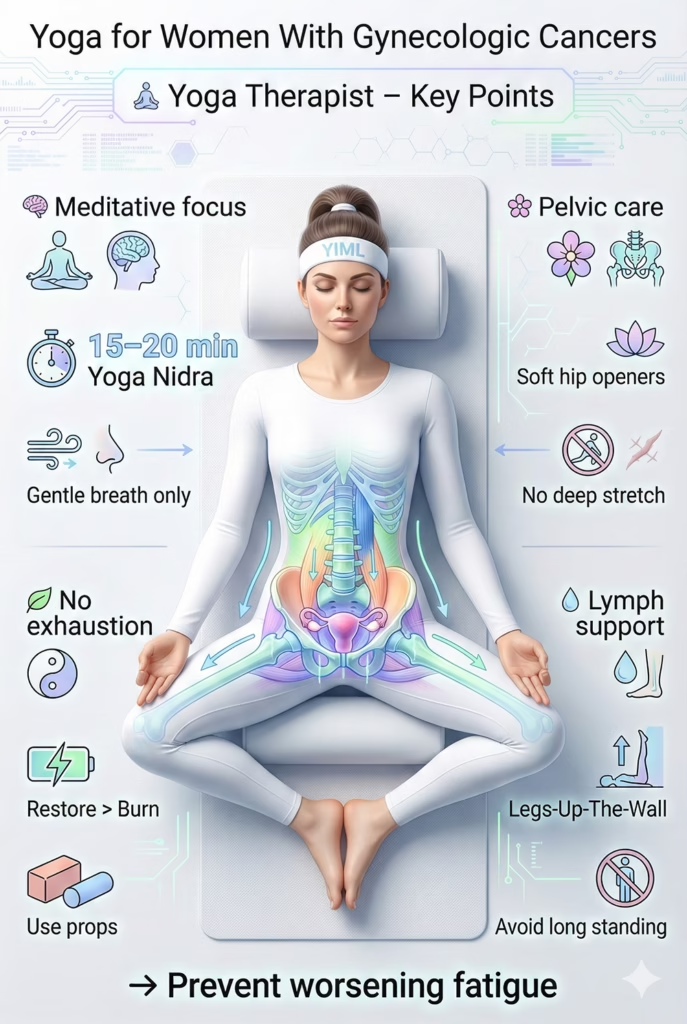
3. The Principle of Non-Exertion (Ahimsa) The research confirms these patients are highly susceptible to severe fatigue.
- Action: The sequence must generate energy, not consume it. Maximize the use of props (bolsters, blocks, chairs). Always assess the patient’s energy level pre-session; if they are exhausted, pivot the entire class to a restorative, floor-based practice.
4. Lymphedema Precautions These women are at high risk for lower leg lymphedema.
- Action: Gentle inversions (like Legs-Up-The-Wall / Viparita Karani) are highly therapeutic for facilitating venous and lymphatic return.
- Contraindication: Strictly avoid prolonged standing postures that increase hydrostatic pressure in the legs.
While this review establishes the psychological and fatigue-related benefits of yoga in gynecologic oncology, these findings align with broader evidence demonstrating yoga’s regulatory effects on stress physiology and sleep architecture.
Part 6: Conclusion
The 2025 systematic review by Giridharan et al. in Cureus adds a vital puzzle piece to comprehensive oncology care. It confirms that Yoga is not merely a physical analgesic, but a profound psychological restorative for women battling gynecological cancers.
Armed with evidence demonstrating significant reductions in anxiety, depression, and severe fatigue—alongside improvements in quality of life—the current data support integrating Therapeutic Yoga as a structured adjunct within comprehensive oncological care. For the patient, Yoga serves as a compassionate companion, guiding them to reclaim their peace and reconnect with their bodies in the aftermath of severe medical trauma.
References
- Giridharan, S., Shanbhag, N. M., Sumaida, A. B., & Balaraj, K. (2025). Effects of Yoga Interventions on Health Outcomes in Women With Gynecological Cancers: A Systematic Review of Randomised Controlled Trials. Cureus, 17(10), e95017. DOI: 10.7759/cureus.95017. PMID: 41281133. PMCID: PMC12630997.
- Statistical data (P-values, SMD) were extracted directly from the pooled results of the 6 RCTs within the original study via PubMed Central.
![The Biomechanical Demands of Standing Yoga Poses in Seniors [RESEARCH DECODED]](https://yogaismylife.vn/en/wp-content/uploads/2026/02/tu-the-chien-binh-cho-nguoi-cao-tuoi.webp)
![The Impact of Yoga on Pediatric Obesity [RESEARCH DECODED]](https://yogaismylife.vn/en/wp-content/uploads/2026/02/The-Impact-of-Yoga-on-Pediatric-Obesity.avif)