Part I: Understanding the Pathology from Dual Perspectives
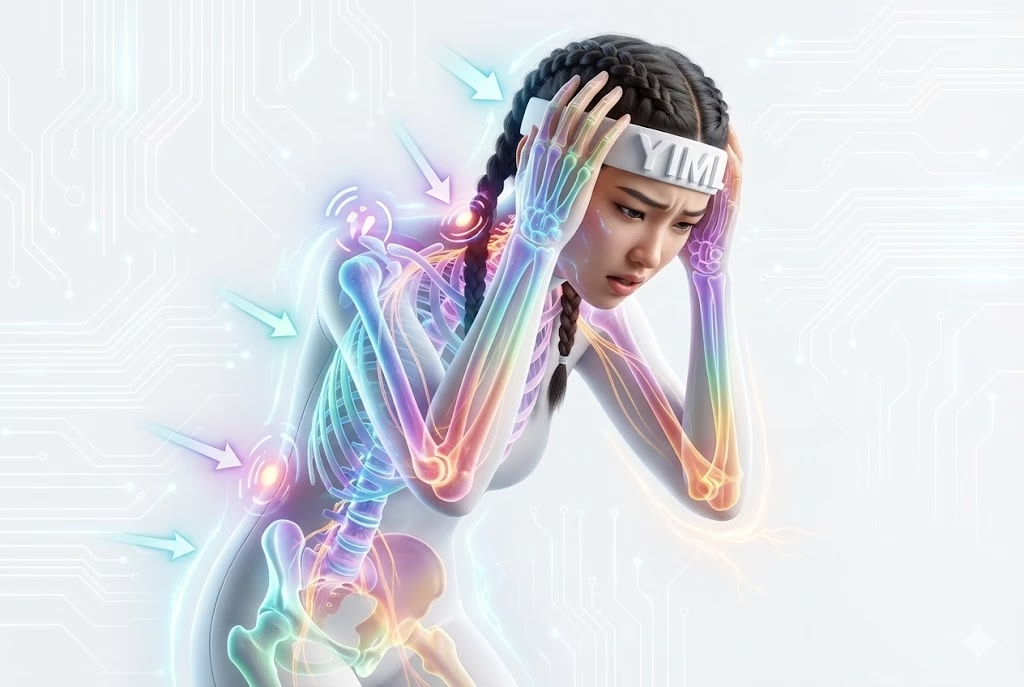
Chronic neck and shoulder pain has become a modern epidemic, particularly among office workers and individuals exposed to prolonged screen time. Yoga for chronic neck and shoulder pain offers a sustainable, evidence-informed approach that goes beyond temporary relief by combining targeted mobility work, postural strengthening, and nervous system regulation.
Overview of Chronic Neck & Shoulder Pain
The Modern Medical Perspective
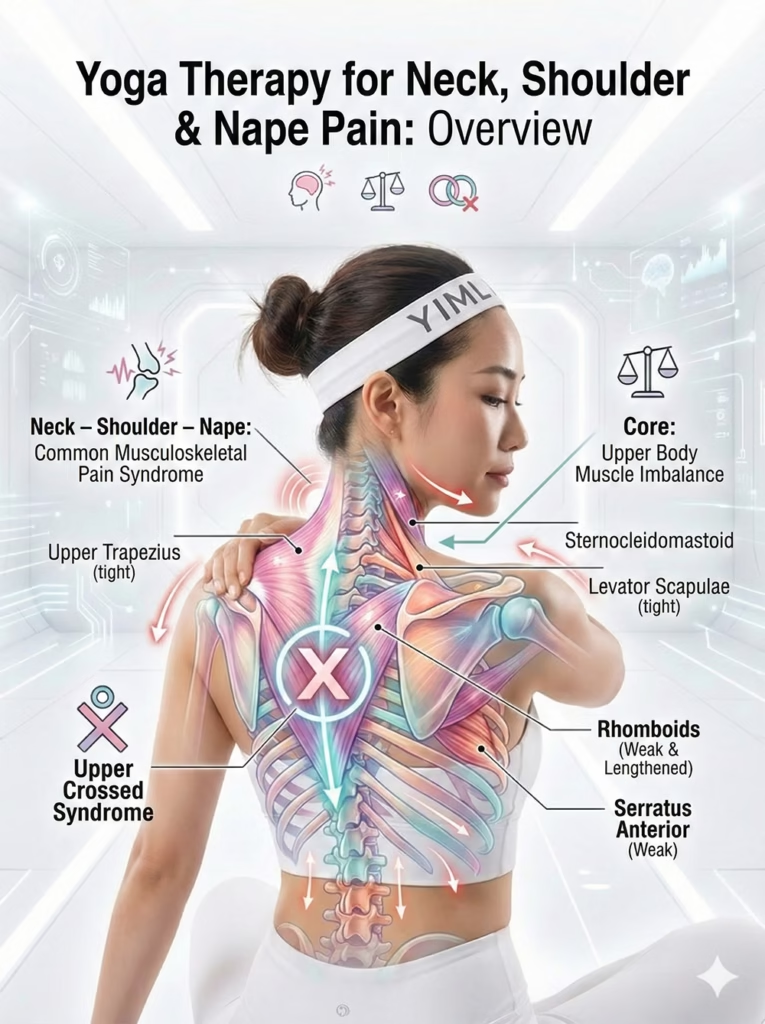
From a clinical standpoint, chronic neck and shoulder pain is rarely a single disease entity. Instead, it is a musculoskeletal syndrome driven by a biomechanical imbalance between deep stabilizers and superficial tension-dominant muscles—a pattern commonly described as Upper Crossed Syndrome.
Common Symptoms and Clinical Signs
- Localized Ache & Stiffness: A constant, heavy ache and restricted range of motion, especially upon waking or after long work hours.
- Spasms & Trigger Points: Sudden involuntary contractions and hyper-irritable “knots” in taut muscle bands that radiate pain when pressed.
- Tension Headaches: Chronic rigidity in the suboccipital muscles (base of the skull) refers pain to the head, crown, and temples.
- Radiculopathy (Nerve Compression): Tight neck muscles can compress the Brachial Plexus, causing numbness or tingling down the arm to the fingers.
- Cognitive Fatigue: The constant drain of chronic pain depletes energy and impairs focus (“brain fog”).
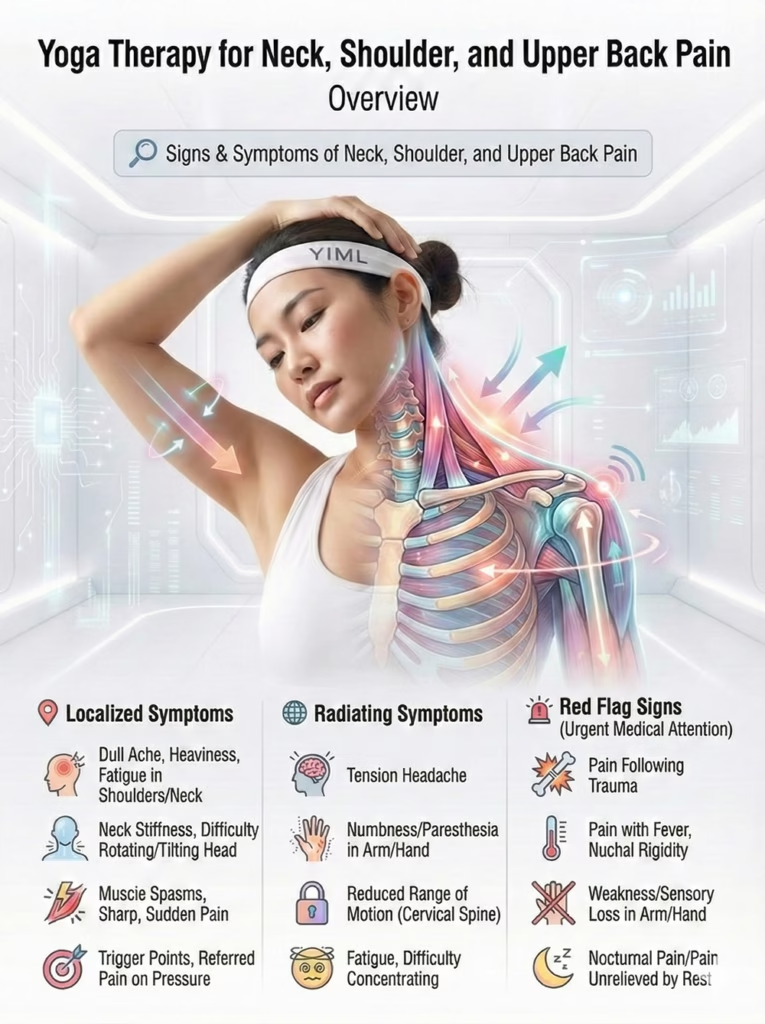
Red Flags (Seek Immediate Medical Care): While most pain is muscular, seek help if pain is accompanied by: sudden severe onset post-trauma; fever with a stiff neck; progressive weakness/numbness in arms; or non-mechanical pain that worsens at night.
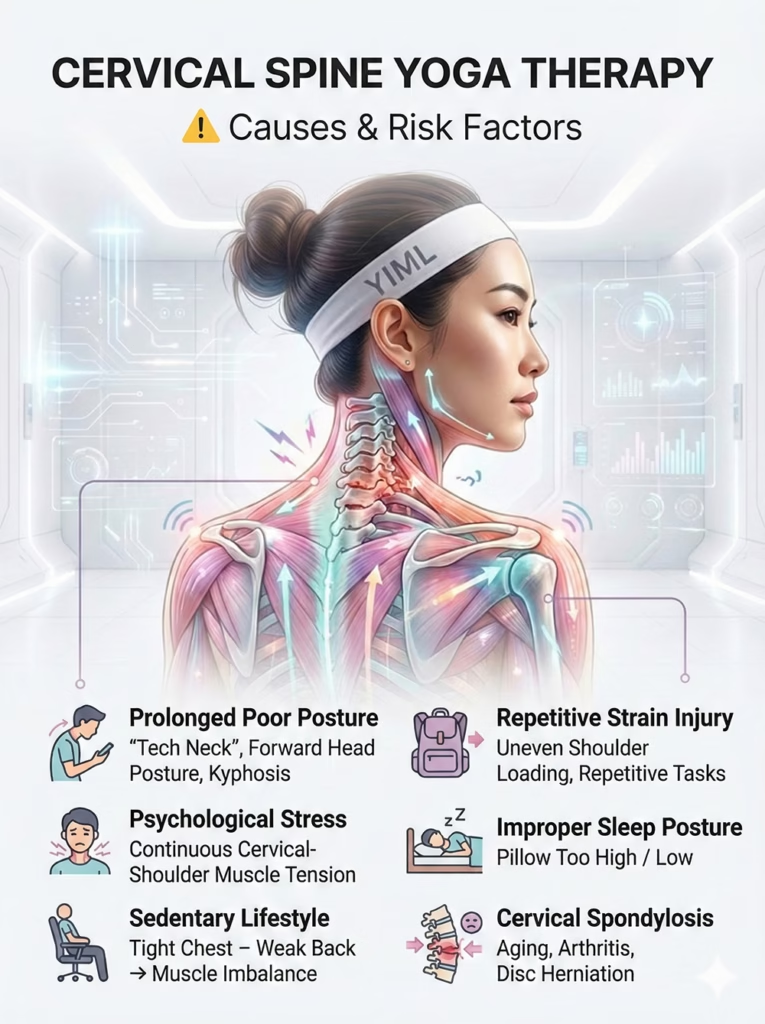
Etiology & Risk Factors: The Medical View
Modern medicine identifies this syndrome as the cumulative result of mechanical stress, creating a vicious cycle of imbalance and inflammation.
1. Prolonged Poor Posture (“Tech Neck”) Looking down at a screen multiplies the head’s weight on the cervical spine by up to five times. This sustained load causes ischemia (restricted blood flow) in overworked posterior muscles (upper trapezius), while anterior chest muscles undergo adaptive shortening.
2. Psychological Stress The sympathetic nervous system (“fight-or-flight”) subconsciously commands the neck, shoulder, and jaw muscles to contract, “armoring” the body. While modern threats are psychological, the physical tension remains, causing chronic aching.
3. Sedentary Lifestyle (Reciprocal Inhibition) Prolonged sitting tightens chest muscles, which neurologically “turns off” and weakens the opposing upper back muscles (rhomboids/lower trapezius), cementing a hunched, kyphotic posture.
4. Degeneration Poor posture accelerates spinal wear-and-tear, making a degenerated neck hyper-sensitive to even minor daily stresses.
Etiology: The Yogic & Ayurvedic View
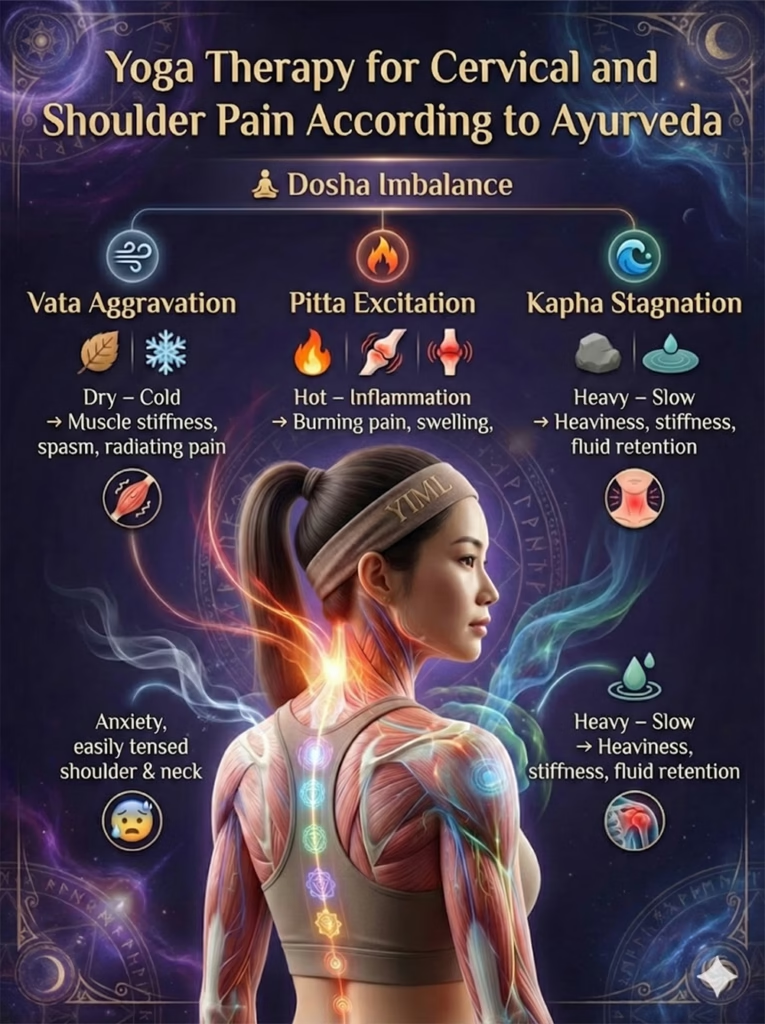
Yoga views this pain as a manifestation of energetic blockages and Dosha imbalances rather than merely a muscular issue.
1. Dosha Imbalance
- Aggravated Vata (Air & Space): The primary culprit. Its cold, dry qualities constrict blood vessels, causing stiffness. Its mobile nature creates erratic spasms, while mentally, high Vata (anxiety/overthinking) directly triggers the physical “tightening” response.
- (Note: Pitta manifests as hot/acute inflammation, while Kapha presents as profound heaviness).
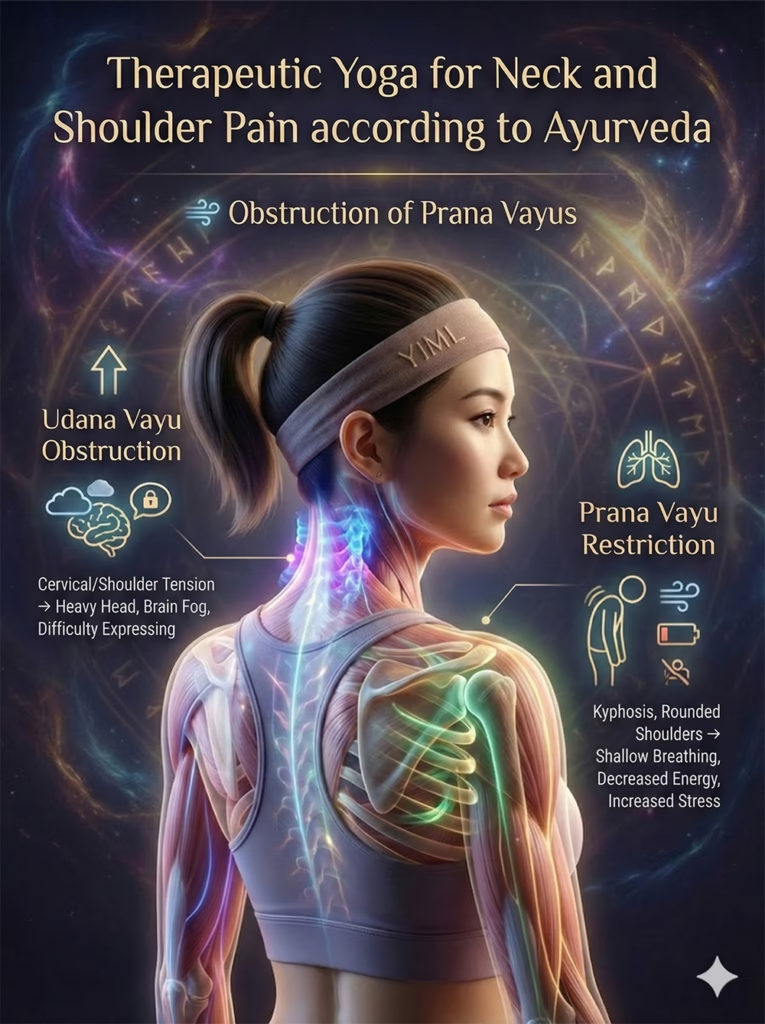
2. Disrupted Prana Vayus (Energy Currents)
- Blocked Udana Vayu: Physical neck rigidity dams this upward-moving energy, stifling clear communication and causing brain fog.
- Restricted Prana Vayu: A hunched posture compresses the chest, restricting breath and inward-moving energy, which fuels fatigue and the stress cycle.
3. Chakra Stagnation
- Vishuddha (Throat): Congested when we suppress authentic emotion. Shoulder pain often physically represents “carrying the weight of the world.”
- Anahata (Heart): Slouching is viewed as a subconscious defensive posture—”closing the heart” to protect against vulnerability.

Part II: The Therapeutic Yoga Approach for Neck & Shoulder Pain
Therapeutic Goals Therapeutic Yoga for neck and shoulder pain is a balancing act: it stretches overactive muscles, strengthens weakened ones, and addresses the root causes of poor posture and mental stress. These goals are robustly supported by clinical research.
1. Release & Rebalance Myofascial Tension
- The Goal: Immediate symptom relief. Yoga utilizes safe stretching to soften overworked muscles like the upper trapezius, levator scapulae, and especially the pectorals—the primary culprits pulling the shoulders forward.
- Evidence: Meta-analyses (e.g., Cramer et al., 2017) confirm Yoga significantly reduces chronic neck pain intensity and improves quality of life. (DOI: https://doi.org/10.1177/0269215517698735)
2. Activate & Strengthen Postural Muscles
- The Goal: To correct the root of “Upper Crossed Syndrome.” For the shoulders to rest naturally, the opposing back muscles must be strong.
- Mechanism: Yoga “wakes up” weakened muscles like the rhomboids and lower/mid trapezius. Equally crucial is strengthening the deep neck flexors to pull the head back into alignment over the spine ).
- Evidence: Efficacy of Ruesi Dadton and Yoga Exercise Compared with Stretching Exercise on Reducing Neck and Shoulder Pain in Office Workers (DOI: 10.70252/LQAG7231)

3. Restore Thoracic Mobility
- The Goal: A stiff thoracic (mid) spine forces the fragile cervical (neck) spine to overwork during rotation and lateral flexion.
- Mechanism: Gentle twists and extensions “lubricate” and mobilize the thoracic spine, indirectly offloading the cervical vertebrae.
- Evidence: Scapular Muscle Activity During Static Yoga Postures (DOI: 10.2519/jospt.2018.7311)
Chronic cervical strain rarely exists in isolation. Similar biomechanical overload patterns are observed in the lumbar spine, where structural stress gradually evolves into persistent pain syndromes. Readers can explore this relationship further in our guide on yoga-based rehabilitation for chronic low back pain.
4. Reprogram Postural Awareness (Proprioception)
- The Goal: To overwrite deeply ingrained postural habits.
- Mechanism: Yoga enhances proprioception. Instead of rigidly “holding” a posture, it teaches you to find intelligent skeletal alignment (Sthira Sukham Asanam), allowing muscles to relax and automatically correcting bad habits in daily life.
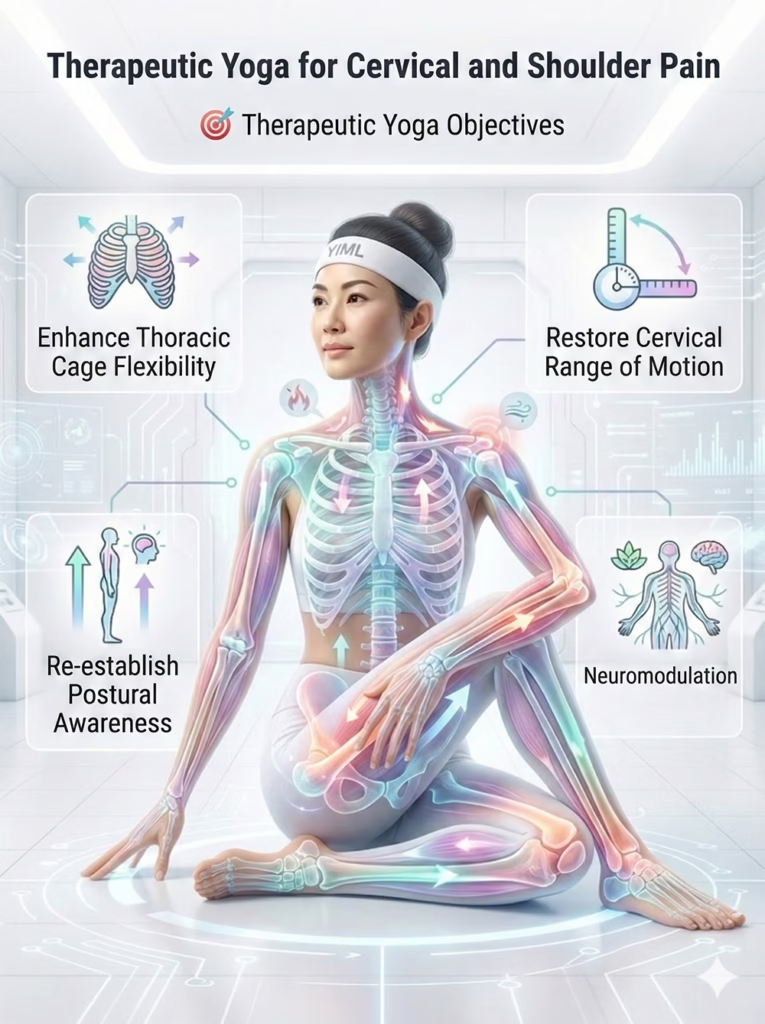
5. Regulate the Nervous System (Break the Stress-Pain Cycle)
- The Goal: Stress unconsciously commands the shoulders to tense up.
- Mechanism: Slow Pranayama stimulates the Vagus Nerve, activating the parasympathetic “rest and digest” response. This counteracts the “fight-or-flight” muscle guarding, improving Heart Rate Variability (HRV) and resilience to stress .
- Evidence: The Influence of Yoga on the Brain in Relation to Motor Performance, Body Awareness and Pain (DOI: 10.1016/j.ctim.2019.03.021)
Emotional stress amplifies cervical muscle guarding through sustained sympathetic activation. Understanding this neurophysiological loop is essential when designing therapeutic yoga protocols, as explained in our framework on yoga for nervous system rebalancing and stress recovery.
Golden Rules & Absolute Contraindications
The Golden Rules of Practice The cervical spine is a delicate structure. These principles ensure your practice is therapeutic, not harmful.
- Move Slower Than Slow: Rapid movements bypass the deep cervical stabilizers, forcing larger, superficial muscles to overwork. Slow movement allows these deep stabilizers time to activate and protect the vertebrae.
- Never Cross the Pain Boundary: Learn the difference between “muscle stretch” (a dull, spreading sensation) and “nerve/joint pain” (sharp, stabbing, or tingling). Sharp pain indicates facet joint compression or nerve irritation. Stop immediately.

- Maintain a Long Neck (The “Chin Tuck”): Always aim to lengthen the back of the neck by slightly retracting the chin. This activates the weak deep neck flexors and decompresses the posterior facet joints.
- Active Shoulder Depression: Do not just “relax” the shoulders down; actively pull them away from your ears using your lower trapezius. This triggers reciprocal inhibition, forcing the tight upper trapezius to release.
- Breath is the Guide: Holding your breath triggers the sympathetic nervous system, causing the body to guard and tense up. Keep the breath smooth to signal safety to the brain.
Persistent neck and shoulder tension often contributes to tension-type headaches and sleep disturbances through sustained sympathetic activation. A deeper exploration of this pain–sleep interaction is outlined in our roadmap on yogic strategies for headache-related insomnia.
Absolute Contraindications (What to Avoid)
To ensure absolute safety, completely AVOID the following, especially during an acute pain flare-up:
1. Cervical Weight-Bearing Inversions
- Avoid: Headstand (Sirsasana), Shoulderstand (Sarvangasana), Plow (Halasana), Rabbit (Sasangasana).
- Scientific Rationale: These poses place massive axial loading (up to 50kg+) on 7 fragile cervical vertebrae designed only to hold the weight of the head. This immense pressure risks disc herniation or ligament damage in a compromised neck.

2. Deep, Unsupported Neck Extension
- Avoid: Wheel (Chakrasana), unsupported Camel (Ustrasana), or dropping the head back heavily.
- Scientific Rationale: Uncontrolled backward bending “jams” the facet joints at the back of the neck, potentially compressing nerve roots and flaring up osteoarthritis.
3. Slouched Forward Folds
- Scientific Rationale: Folding forward with a rounded upper back and neck reinforces the “Tech Neck” posture. Always maintain the natural curve of the cervical spine as an extension of the upper back.
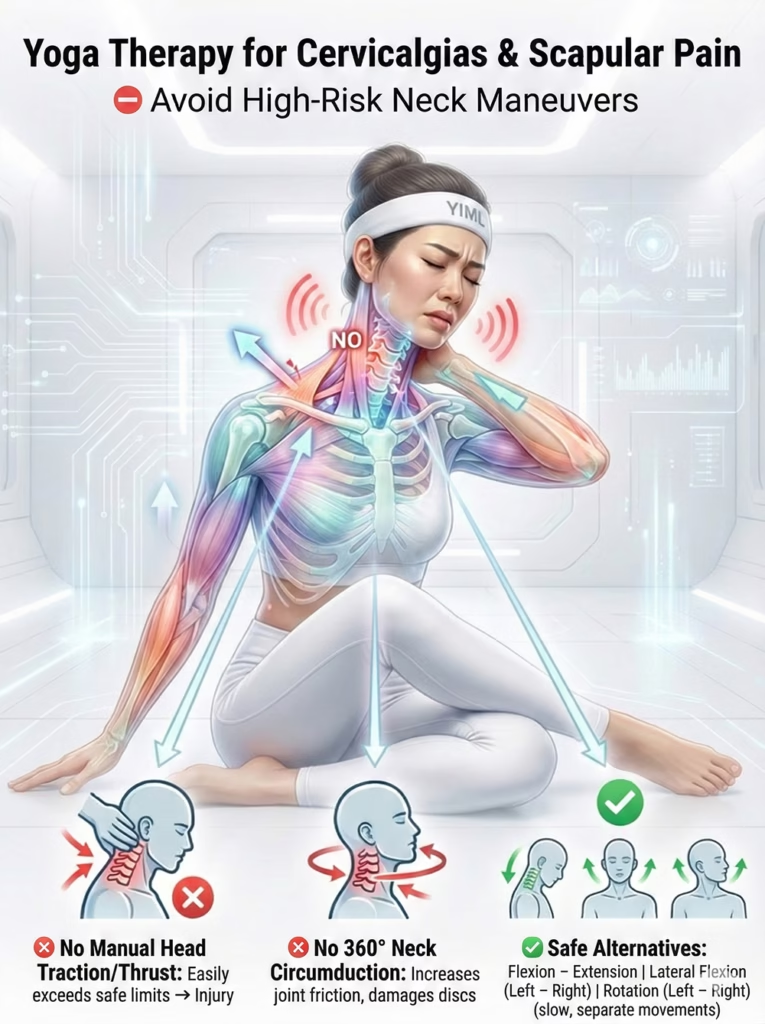
4. Dangerous Actions to Omit
- Manual Pulling: Never use your hands to pull or push your head deeper into a stretch. This overrides the muscles’ protective stretch reflex, risking sprains.
- 360-Degree Neck Rolls: Combining flexion, extension, and rotation creates unnecessary sheer friction on facet joints and discs. Safe Alternative: Isolate the movements (look up/down, turn left/right, tilt left/right) slowly and deliberately.
5. Forceful Pranayama
- Avoid: Kapalabhati (Breath of Fire), Bhastrika (Bellows Breath).
- Scientific Rationale: Rapid, jerky abdominal contractions trigger the sympathetic nervous system and tighten accessory breathing muscles in the neck (SCM, scalenes), defeating the goal of relaxation.
Part III: Detailed Therapeutic Yoga Toolkit for Neck & Shoulder Pain
A. Asana (Postures)
Reminder: The goal is balance: stretching the chronically shortened muscles (typically the anterior chest/neck) and strengthening the weakened, overstretched muscles (the posterior back/neck). Move slowly, listen to your body, and always maintain cervical length.
Module 1: Mobilization & Myofascial Release Target: To increase blood circulation and melt rigidity in the cervicothoracic joints and musculature.
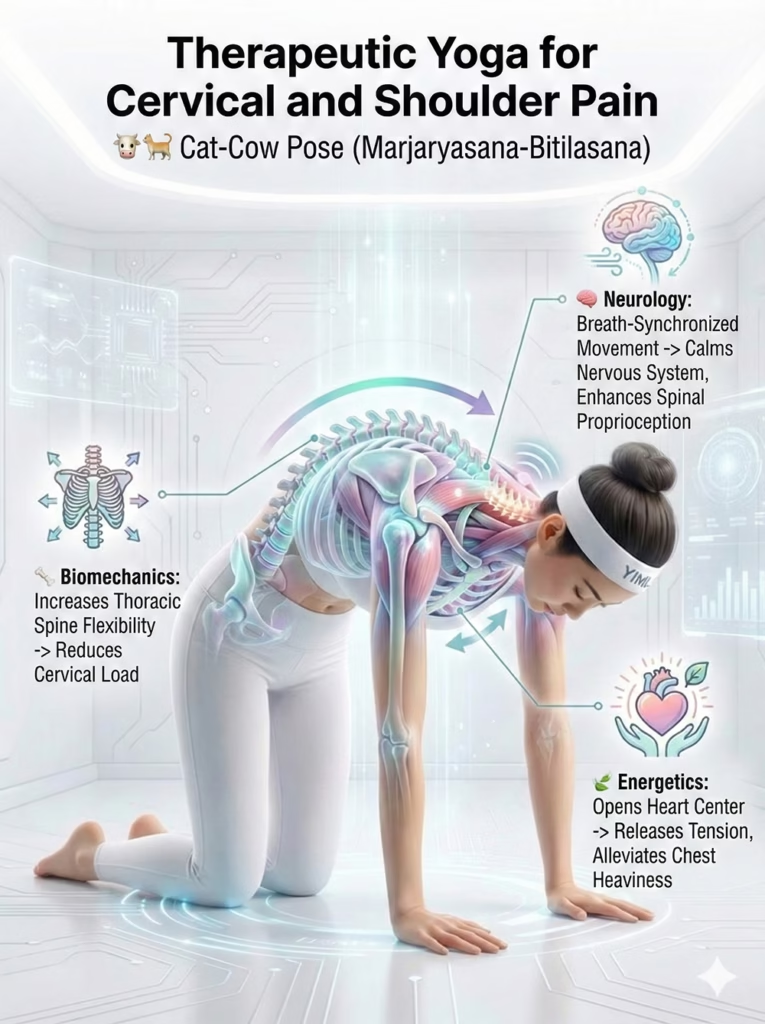
1. Seated Cat-Cow (Thoracic Mobilization)
- Technique: Sit tall on a chair or block. Hands on knees. Inhale, draw the sternum forward and open the chest (Cow). Exhale, round the upper back, draw the navel in, and drop the chin toward the chest (Cat). Repeat 8–10 times, very slowly.
- Instructor’s Cue: “Treat this as a dance of the ribcage, not the neck. Let your sternum (breastbone) lead the movement. When inhaling, project the sternum forward. When exhaling, hollow it out. The neck simply follows the spine’s wave. If you mobilize the mid-back, the neck naturally decompresses.”
- Therapeutic Mechanism:
- Mechanical: A crucial exercise to restore mobility to the thoracic spine. A rigid thoracic spine forces the delicate cervical spine to compensate, leading to pain.
- Neurological: Rhythmic, breath-linked movement soothes the nervous system and improves spinal proprioception (body awareness).
- Energetic: Stimulates the Anahata Chakra (Heart) and frees Prana Vayu in the chest, alleviating feelings of heaviness.
- Safety Protocol:
- Cervical Length: During the inhale (Cow), do not throw the head back. Keep the chin slightly tucked to preserve the posterior neck curve.
- Isolate the Movement: Focus the movement in the mid-to-upper back, not the lumbar spine (lower back).
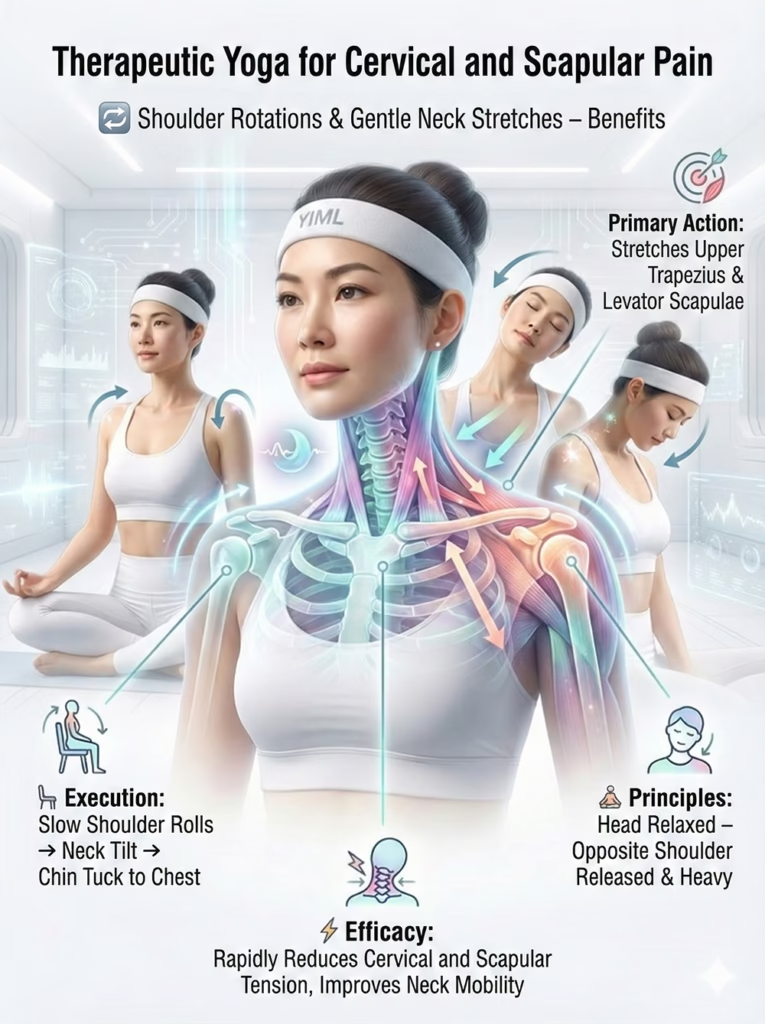
2. Shoulder Rolls & Gentle Neck Stretches
- Technique: Sit tall. Perform 5–10 painfully slow shoulder rolls backward. Then, exhale and gently tilt the right ear toward the right shoulder; hold for 3–5 breaths. Return to center, switch sides. Finally, exhale and drop the chin to the chest to stretch the back of the neck.
- Instructor’s Cue: “These are ‘micro’ movements with ‘macro’ results. Draw the biggest, slowest circles possible with your shoulders. For the neck tilt, don’t force the ear down; simply surrender the weight of the head to gravity while actively ‘anchoring’ the opposite shoulder down. This opposition creates a profound release without any external pulling.”
- Therapeutic Mechanism:
- Mechanical: Shoulder rolls lubricate the glenohumeral and scapulothoracic joints. The tilts provide a controlled, passive stretch to the upper trapezius and levator scapulae.
- Neurological: A sustained, gentle stretch signals the nervous system to deactivate the “guarding” reflex in the muscles.
- Energetic: Clears stagnation around the Vishuddha Chakra (Throat Center).
- Safety Protocol:
- No Hands Allowed: Never use your hand to pull or force the head. Let gravity do the work.
- Pain vs. Stretch: Seek a spreading, dull stretch, not a sharp, pinching sensation. If you feel pinching, reduce the angle immediately.
- Jaw Relaxed: Unclench your teeth; jaw tension feeds directly into neck tension.
Module 2: Targeted Strengthening (Postural Correction) Target: To activate the posterior chain (upper back muscles) to counteract the forward pull of “Upper Crossed Syndrome.”
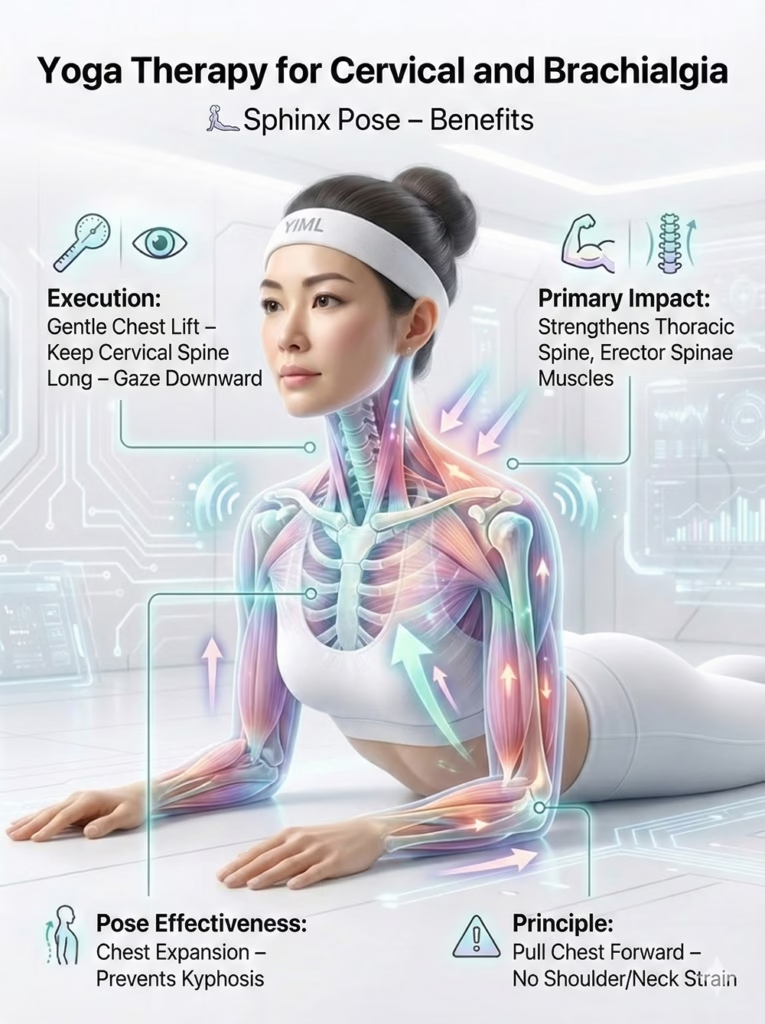
3. Salamba Bhujangasana (Sphinx Pose / Isometric Extension)
- Technique: Lie prone (on stomach). Place forearms on the floor, elbows under shoulders. Press forearms down and gently lift the chest. Keep the back of the neck long; gaze down and slightly forward. Hold 3–5 breaths.
- Instructor’s Cue: “This is your battle against gravity and the ‘slouch.’ Don’t just push up; imagine trying to drag the yoga mat backward toward your hips with your forearms. You won’t actually move, but this isometric action fires up the latissimus dorsi and pulls your shoulder blades down your back.”
- Therapeutic Mechanism:
- Mechanical: Activates the thoracic erector spinae and lower trapezius, essential muscles for maintaining an upright posture against gravity.
- Neurological: Builds a new neuromuscular pattern of “chest opening” using back strength rather than passive lumbar dumping.
- Energetic: A grounding heart opener that builds resilience and confidence (Anahata Chakra).
- Safety Protocol:
- Shoulders Down: If your shoulders are shrugging into your ears, lower your chest until you can depress them.
- Protect the Lower Back: Gently engage the lower core (navel to spine) and press the pubic bone down to prevent dumping into the lumbar spine.
4. Salabhasana Variation (Locust Pose with Clasped Hands)
- Technique: Lie prone. Clasp hands behind the back (or hold a strap). Inhale, engage the upper back to lift the chest and hands off the floor. Keep the feet grounded. Hold 3–5 breaths.
- Instructor’s Cue: “This wakes up the dormant muscles of your upper back. Don’t think about ‘lifting the chest.’ Instead, focus on punching your knuckles straight back toward your heels. As the arms reach back, the shoulder blades automatically squeeze together, and the chest floats up. Let the arms do the lifting.”
- Therapeutic Mechanism:
- Mechanical: Directly targets the rhomboids and mid-trapezius—the exact muscles that become weak and overstretched in computer posture.
- Neurological: Forces the conscious recruitment of inhibited muscles, strengthening their neural pathways.
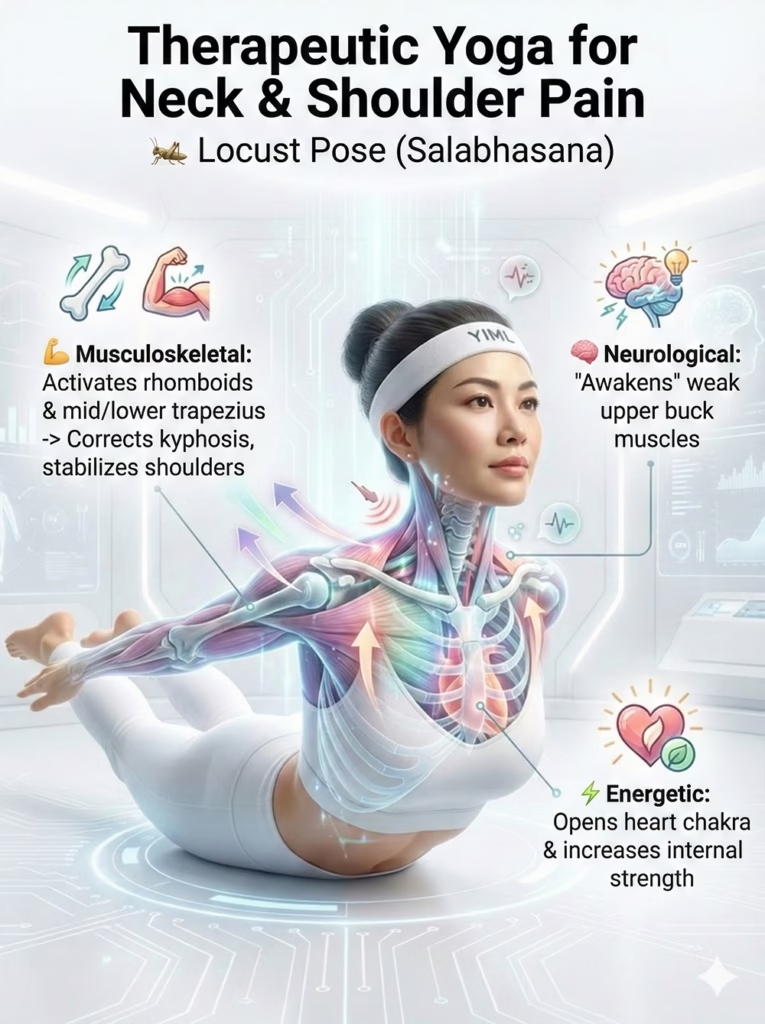
- Safety Protocol:
- Neck Neutral: Look straight down at the mat. Do NOT lift your chin or look forward; this compresses the cervical spine.
- Height Doesn’t Matter: Lifting high is not the goal. Scapular retraction (squeezing shoulder blades) is the goal.
- Use a Strap: If clasping hands causes the shoulders to roll forward, hold a strap between your hands at shoulder-width distance.
Module 3: Deep Stretching & Myofascial Release Target: To passively lengthen the chronically shortened muscles of the chest and shoulders, and to “wring out” tension from the upper back.
5. Parsva Balasana (Thread the Needle)
- Technique: From Table Top, exhale and slide the right arm under the left armpit. Rest the right shoulder and right cheek on the floor. Keep the hips stacked directly over the knees. Hold 1 minute per side.
- Instructor’s Cue: “This is a deep tissue massage for your upper back. Don’t try to ‘hold’ your head up; surrender its weight completely to the floor. Use your non-threading hand (the left hand) as a ‘gas pedal’: press it gently into the floor to deepen the twist, or reach it forward for a different stretch. Find what your body craves.”
- Therapeutic Mechanism:
- Mechanical: Provides a profound stretch for the posterior deltoid and scapular stabilizers. The gentle thoracic rotation relieves stagnation between the shoulder blades.
- Neurological: The supported, inward-turning nature of the pose triggers the parasympathetic nervous system, signaling the rigid neck muscles to disarm.
- Energetic: “Wrings out” energetic stagnation from the back of the Anahata Chakra (Heart).
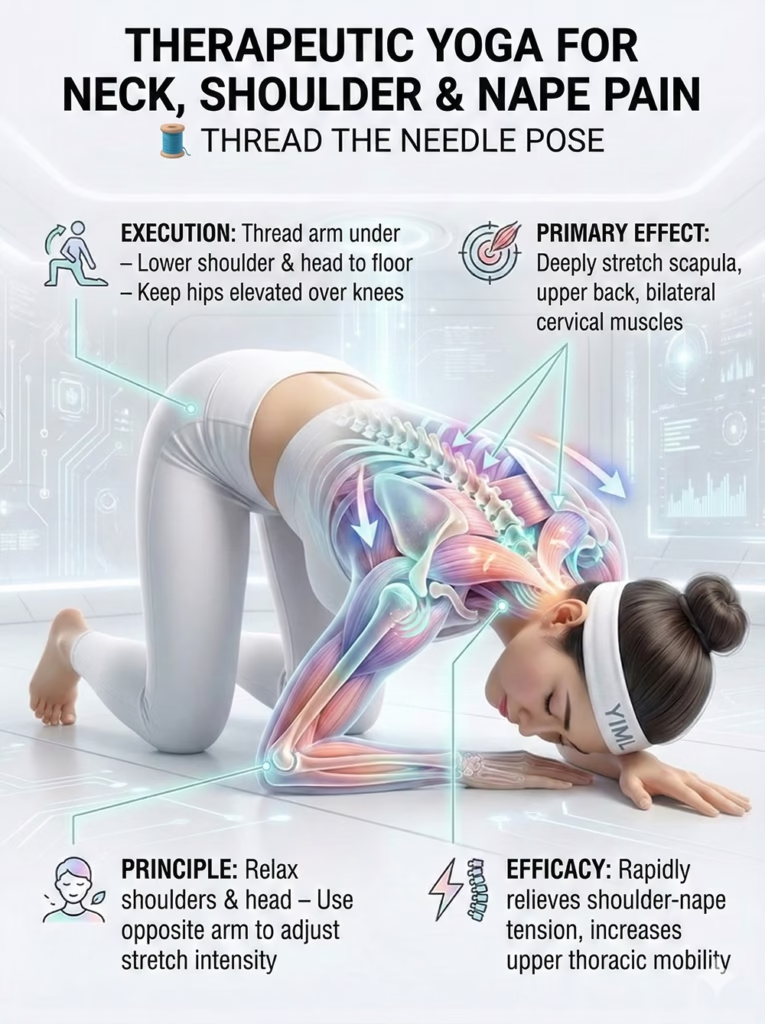
- Safety Protocol:
- Neck Comfort: Ensure the neck is neutral, not bearing the body’s weight. The primary point of contact should be the shoulder.
- Prop Support: If the shoulder doesn’t reach the floor easily, place a folded blanket underneath it.
6. Garudasana Arms (Eagle Arms – Seated)
- Technique: Sit tall. Cross the right arm over the left at the elbows, wrap the forearms, and try to press the palms together. Crucial action: Lift the elbows to shoulder height and actively push the forearms away from the face.
- Instructor’s Cue: “This is the ultimate ‘untangler’ for the upper back. Don’t worry if your palms don’t touch; grabbing opposite shoulders works too. The magic happens when you lift the elbows up and push the forearms away. Imagine creating maximum real estate between your shoulder blades.”
- Therapeutic Mechanism:
- Mechanical: Directly targets and aggressively stretches the rhomboids and middle trapezius—areas highly prone to tension knots from desk work.
- Neurological: Improves scapular proprioception, training the brain to recognize and release chronic contraction in the upper back.
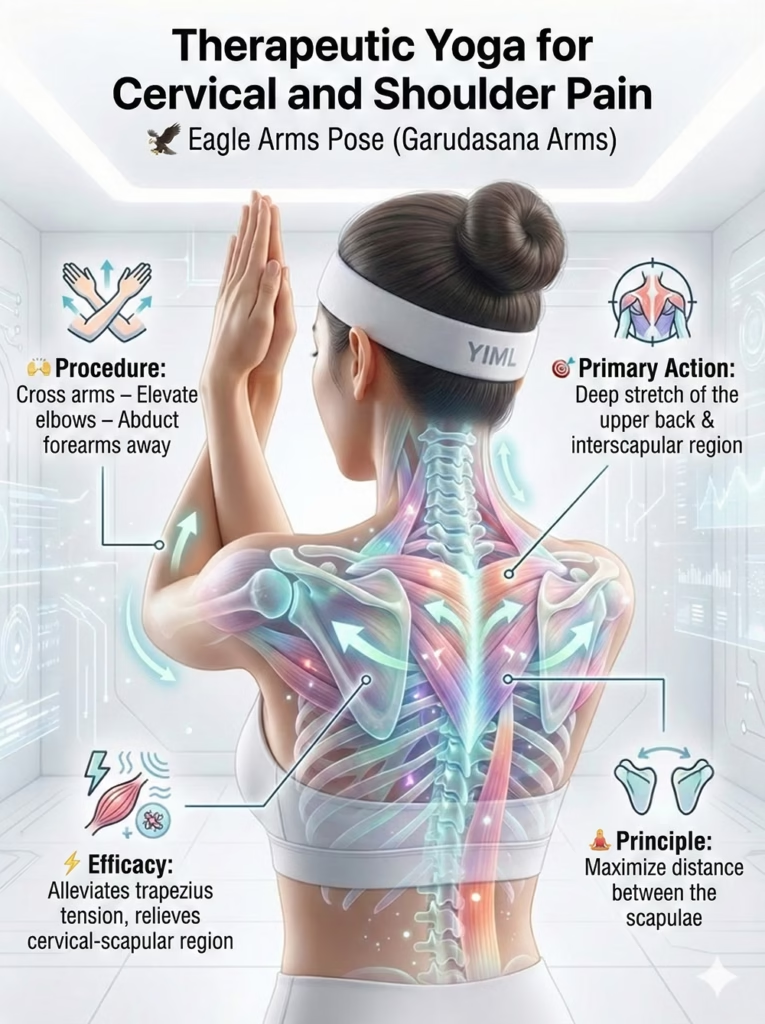
- Safety Protocol:
- Shoulders Down: Actively depress the shoulders away from the ears. If they shrug up, lower the elbows slightly.
- Spinal Integrity: Keep the spine tall. Do not round the upper back to get the arms higher.
7. Supported Chest Opener (Passive Extension)
- Technique: Place a yoga block (at its lowest or medium height) lengthwise on the mat. Lie back so the block rests exactly between the shoulder blades (thoracic spine). Ensure the head is supported on the floor or a pillow. Open arms wide to the sides.
- Instructor’s Cue: “This is the direct antidote to computer posture. The block does the work; your only job is to yield. With every exhale, let your pectoral muscles melt over the edges of the block. It might feel intense at first, but true release comes when you stop fighting gravity and trust the support.”
- Therapeutic Mechanism:
- Mechanical: A powerful, passive stretch for the pectoralis major and minor. Releasing these muscles is physically necessary for the shoulders to return to a neutral alignment.
- Neurological: The passive, supported nature of the pose bypasses the stretch reflex, allowing chronically tight chest muscles to finally let go.
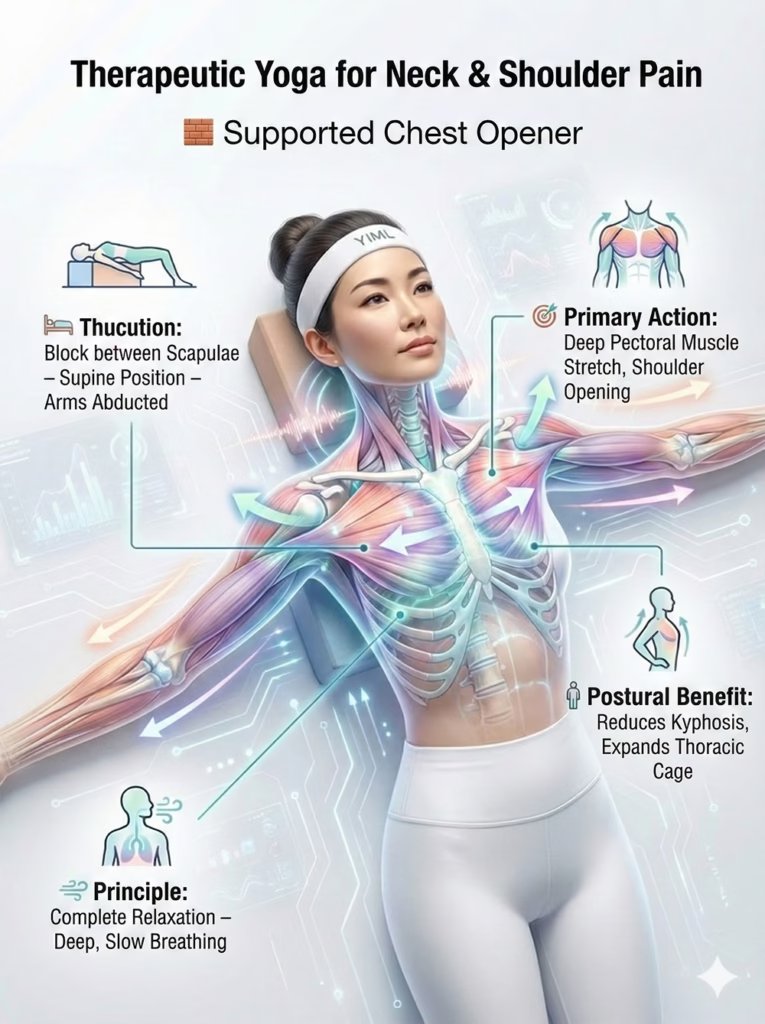
- Safety Protocol:
- Mandatory Head Support: The head must never dangle. If the chin pokes up, place a folded blanket or another block under the head. The cervical spine must remain neutral.
- Block Placement: The block must be under the thoracic spine (ribcage area), never under the lumbar spine (lower back) or the neck.
Module 4: Restorative Poses Target: To allow total muscular disengagement of the cervicothoracic region and deeply sedate the nervous system.
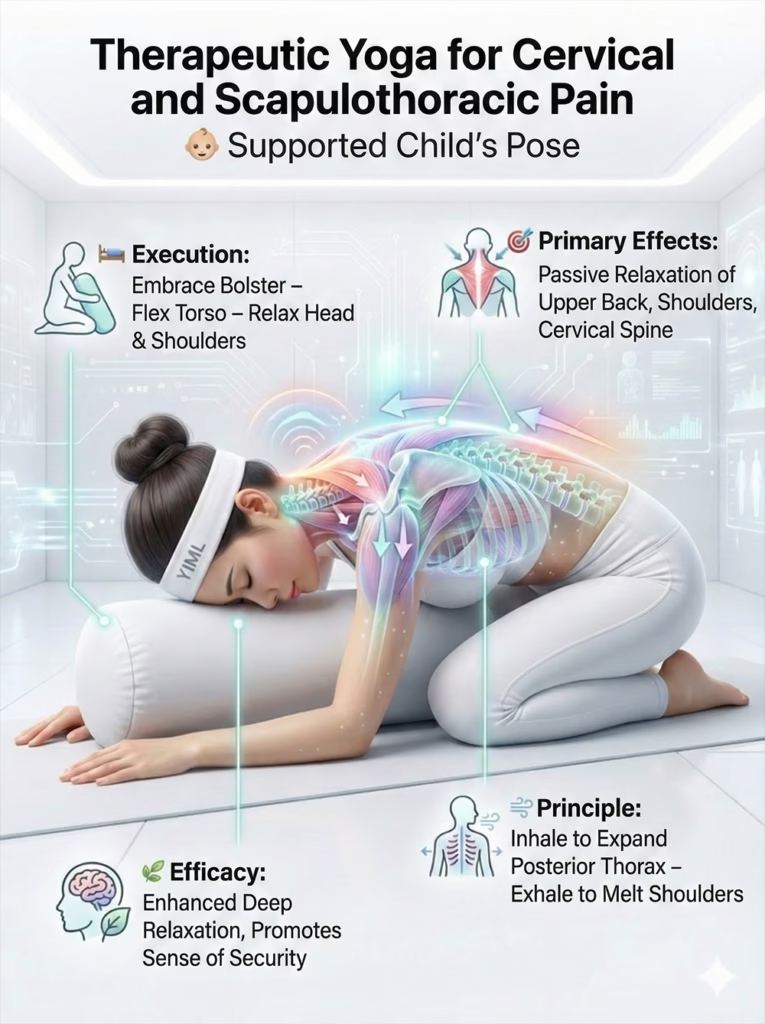
8. Salamba Balasana (Supported Child’s Pose)
- Technique: Kneel with knees wide. Place a bolster lengthwise between the thighs. Fold forward, resting the entire torso and one cheek on the bolster. Hold 2–5 minutes, turning the head halfway through.
- Instructor’s Cue: “Let the bolster rise to meet you. Breathe into the back of your ribs. With every exhale, allow your shoulders to spill over the sides of the bolster. This is total surrender.”
- Therapeutic Mechanism:
- Mechanical: Passively elongates the spine and allows the upper trapezius and neck muscles to completely disengage.
- Safety Protocol:
- Height is Key: Stack blankets on the bolster if necessary so you don’t have to strain to reach it.
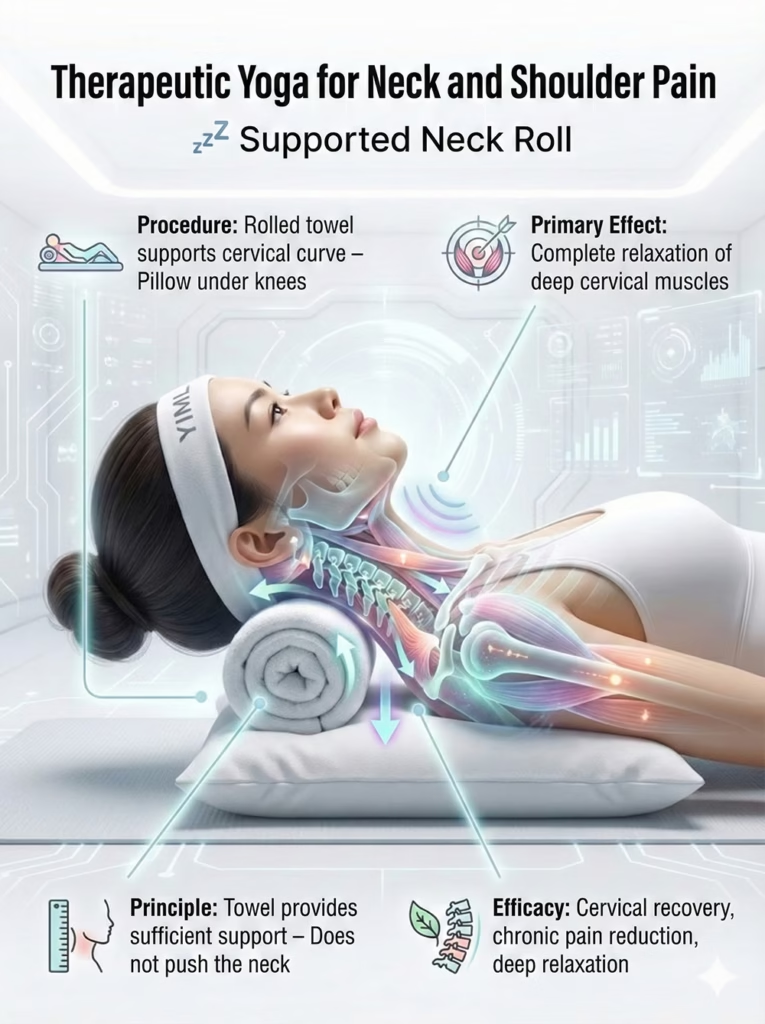
9. Supported Savasana with Cervical Roll
- Technique: Lie supine. Place a small, tightly rolled towel (approx. 5-7cm in diameter) directly under the natural curve of the neck. Place a bolster under the knees.
- Instructor’s Cue: “This is the moment your neck muscles finally ‘retire’ for the day. The towel roll should simply ‘meet’ the curve of your neck, not push it up. Once you find that perfect support, let the full 5kg weight of your head sink into the floor.”
- Therapeutic Mechanism:
- Mechanical: Supporting the cervical lordosis (natural neck curve) is the only way the deep neck stabilizers can completely turn off. This is arguably the most effective restorative pose for chronic neck pain.
- Neurological: Supporting all natural curves (neck and knees) minimizes sensory input to the brain, shifting the autonomic nervous system into profound recovery mode.
- Safety Protocol:
- Towel Thickness: Start thin. If the towel is too thick, it will push the chin up to the ceiling, compressing the back of the neck.
- Placement: The roll goes in the hollow of the neck, not under the base of the skull or the upper back. The back of the head must rest comfortably on the floor.
B. Pranayama (Breathwork)
Therapeutic Focus: For neck and shoulder pain, breathing exercises must facilitate the expansion of the ribcage and promote relaxation, absolutely avoiding any accessory muscle strain in the neck.
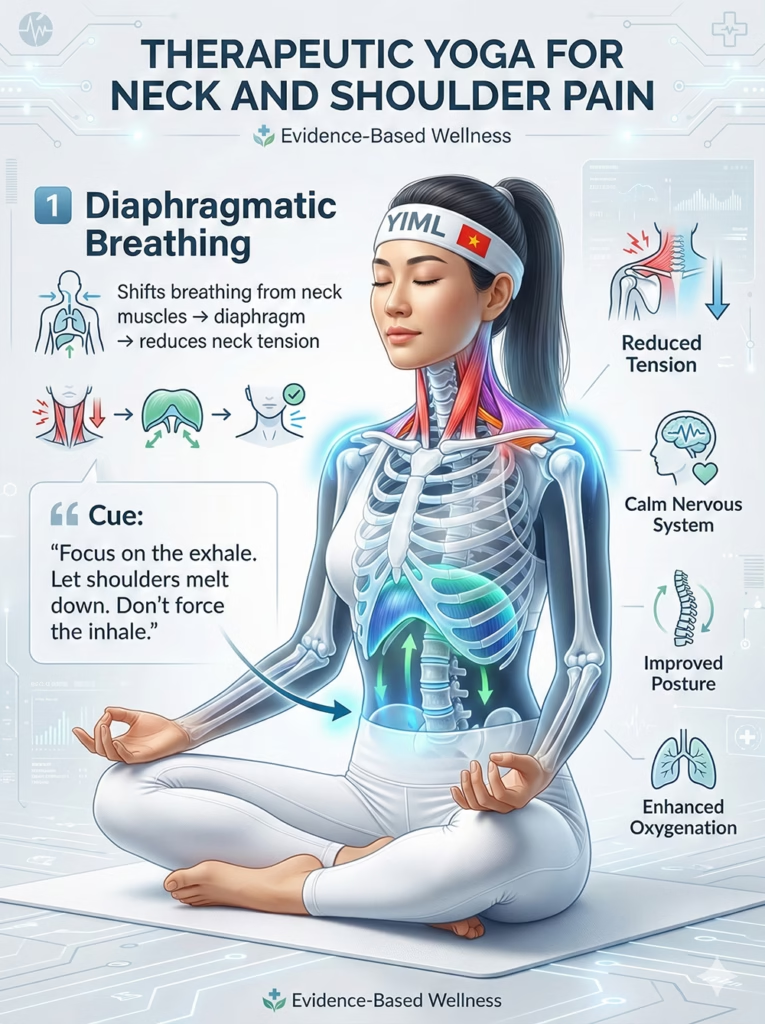
1. Diaphragmatic Breathing (Belly Breathing)
- Why it works: Stress and pain induce shallow “chest breathing,” forcing the scalene and trapezius muscles (in the neck) to act as primary breathing muscles, quickly exhausting them. Belly breathing redirects the workload to the diaphragm, allowing the neck muscles to completely disengage.
- Instructor’s Cue: “Forget your neck exists. Place your focus entirely on the exhale. With every breath out, imagine your shoulders are blocks of ice melting away from your ears. Don’t force the inhale; just focus on ’emptying’ the tension, and the inhale will naturally drop into your belly.”
- Safety Protocol: Do not force a deep breath, which can strain the intercostal muscles. Relax the jaw completely; a clenched jaw locks the neck.
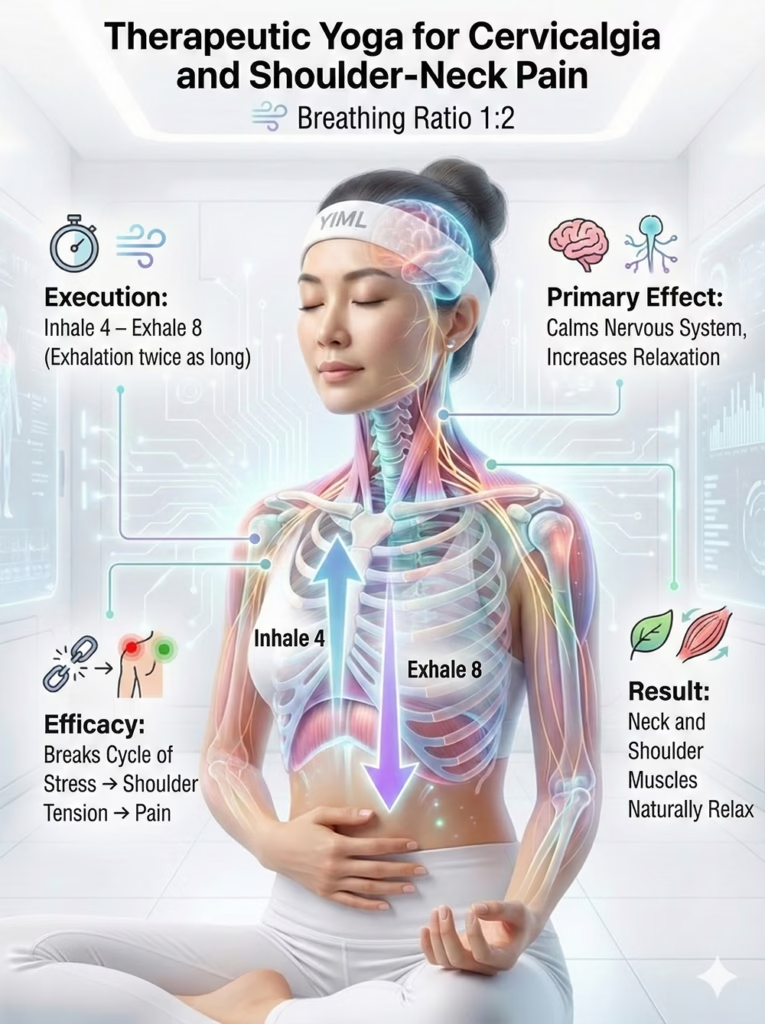
2. 1:2 Ratio Breathing
- Why it works: By extending the exhalation to twice the length of the inhalation (e.g., Inhale 4, Exhale 8), we potently stimulate the Vagus Nerve. This breaks the “stress -> muscle guarding -> pain” loop, chemically commanding the muscles to release.
3. Gentle Ujjayi Breath (Ocean Breath)
- Why it works: A very soft Ujjayi creates a subtle warmth in the throat, which can soothe deep cervical fascia. The whispering sound acts as an anchor for the mind, drawing attention away from the pain.
- Instructor’s Cue: “Whisper the sound ‘Haaaa’ with your lips sealed on the exhale. The sound should be as soft as a distant ocean wave, not a harsh snore. A correct Ujjayi relaxes the throat; it does not constrict it.”
- Safety Protocol: If you feel any strain or tickle in the throat, you are doing it too forcefully. Soften the effort.

C. Meditation & Deep Relaxation
Therapeutic Focus: To resolve tension at the subconscious level.
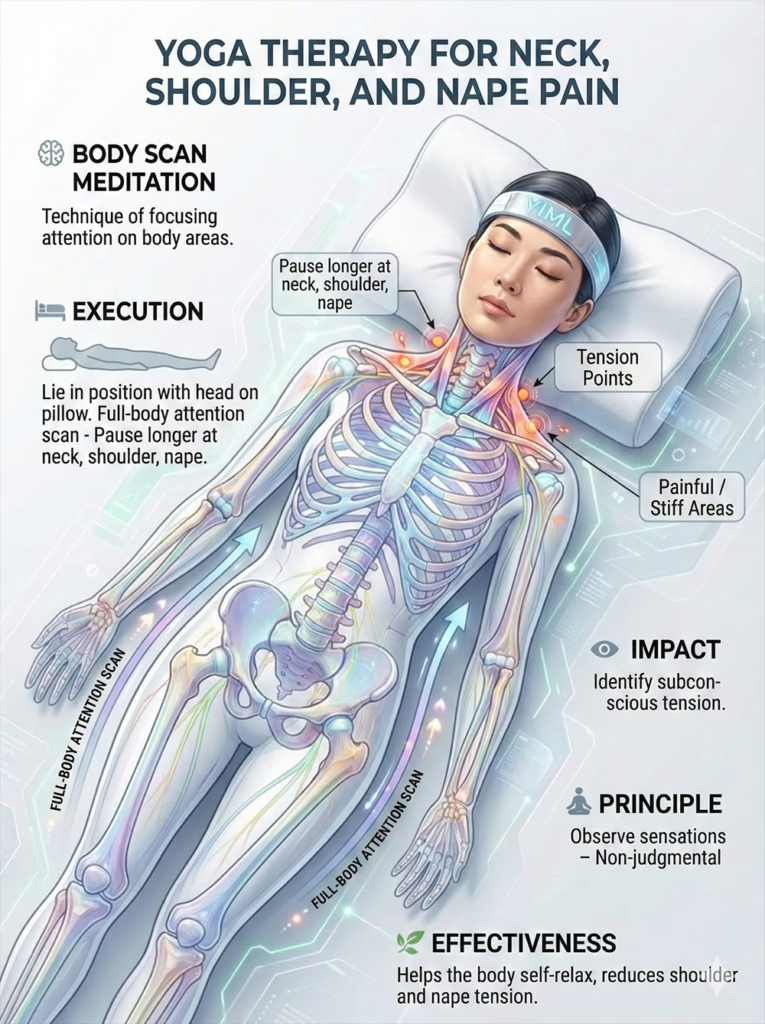
- Body Scan Meditation: Practiced in Savasana. Systematically moving awareness through the body helps you identify unconscious muscle guarding (e.g., realizing your shoulders are raised toward your ears). Awareness is the prerequisite for release.
- Yoga Nidra (Yogic Sleep): Induces a state of profound systemic rest, allowing muscles to relax beyond conscious control—highly effective for chronic, deep-seated myofascial tension.
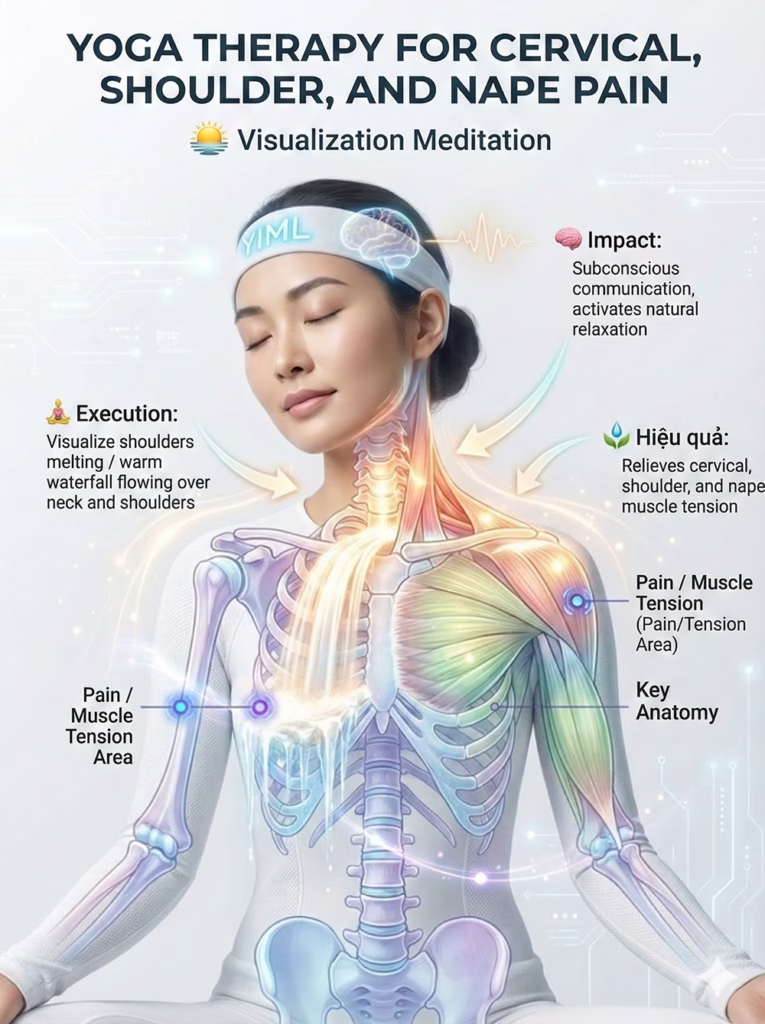
- Visualization: Imagine your shoulders melting like butter under a warm sun, or a warm waterfall washing tension off your neck. Imagery communicates directly with the nervous system, bypassing the analytical mind’s resistance.
D. Mudra & Mantra (Optional Integration)
- Ganesha Mudra: Clasp hands in front of the chest, elbows wide. Inhale. Exhale, pull hands apart without breaking the grip. Benefit: Energetically clears blockages in the chest and shoulders, symbolizing the removal of “heavy burdens.”
- Bija Mantra “Om Shanti Om”: Silently repeating “Shanti” (Peace) creates a calming vibration in the chest, soothing the Anahata (Heart) and Vishuddha (Throat) chakras.
Part IV: Integration & Practice Protocols Suggested 20-Minute Therapeutic Sequence for Neck & Shoulder Pain
Preparation (1 min): Find a quiet space. You can practice seated on a chair (feet flat) or on a mat. Have a yoga strap (or towel) and a small hand towel ready.
Phase 1: Centering & Mobilization (4 Minutes)
1. Seated Diaphragmatic Breathing (2 mins)
- Technique: Sit tall. Close eyes. Hands on belly. Perform 10-15 slow belly breaths. With every exhale, consciously drop the shoulders away from the ears.
- Goal: Down-regulates the nervous system and initiates subconscious shoulder release.
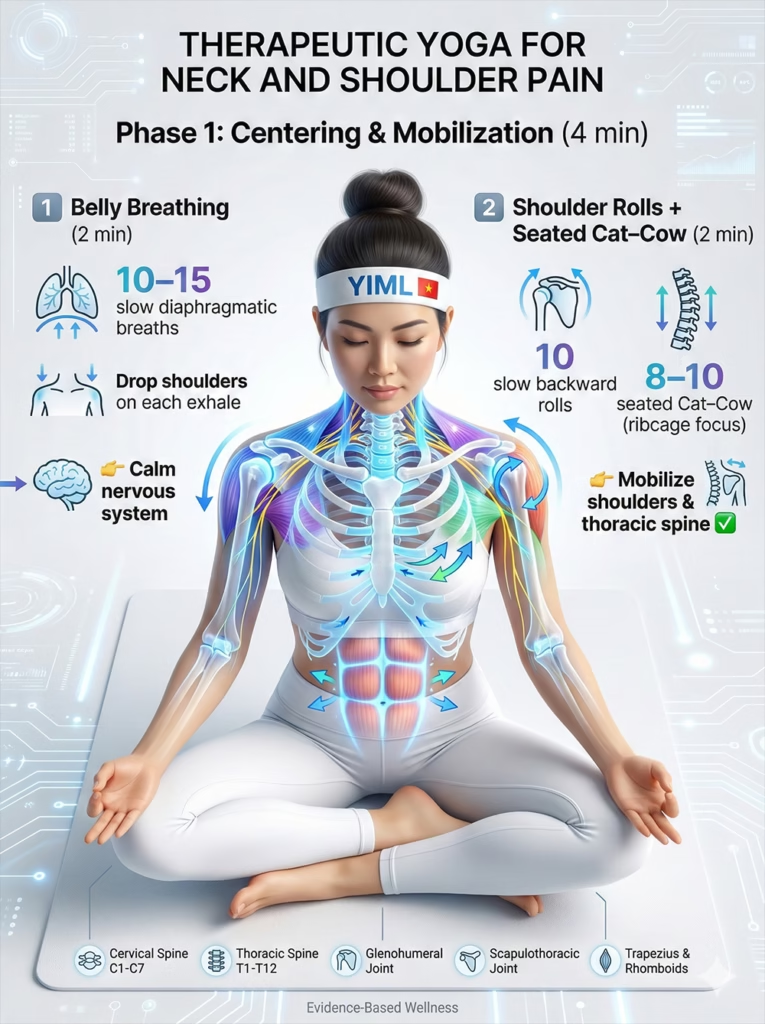
2. Shoulder Rolls & Seated Cat-Cow (2 mins)
- Technique: 10 slow backward shoulder rolls. Then, hands on knees, perform 8-10 rounds of Seated Cat-Cow, focusing entirely on the movement of the ribcage and shoulder blades.
- Goal: Lubricates the glenohumeral joint and mobilizes the thoracic spine.
Phase 2: Targeted Strengthening (Postural Correction) (5 Minutes)
3. Salabhasana Arms (Locust Arms) (2 mins)
- Technique: Sit tall, clasp hands behind the back. Inhale, straighten arms and lift the knuckles away from the lower back. Feel the shoulder blades squeeze together. Keep chest open. Hold 3-5 breaths. Repeat 3 times.
- Therapeutic Benefit: Activates the rhomboids to counteract the “slouched” shoulder posture.
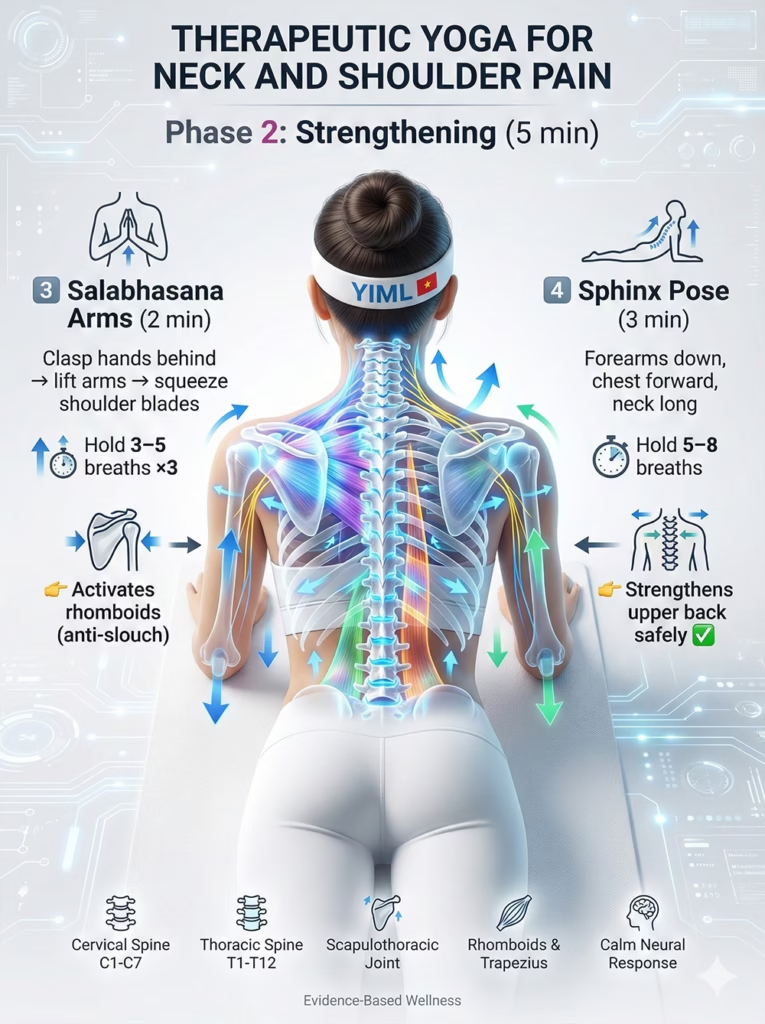
4. Salamba Bhujangasana (Sphinx Pose) (3 mins)
- Technique: Lie prone. Forearms on the floor, elbows under shoulders. Pull shoulders away from ears and draw the sternum forward. Crucial: Keep the back of the neck long; look down, do not throw the head back. Hold 5-8 breaths.
- Therapeutic Benefit: Safely strengthens the thoracic erector spinae (upper back extensors).
Phase 3: Stretching & Release (6 Minutes)
5. Gentle Neck Stretch (2 mins)
- Technique: Sit tall. Exhale, tilt the right ear toward the right shoulder. Let the head be heavy. (Optional: lightly rest the right hand on the left temple—do NOT pull). Hold 3-5 breaths. Inhale to center, switch sides.
- Therapeutic Benefit: Direct stretch for the chronically tight upper trapezius.
6. Garudasana Arms (Eagle Arms) (2 mins)
- Technique: Sit tall. Cross right arm over left and intertwine forearms (or hug opposite shoulders). Lift elbows to shoulder height and push hands away from the face. Hold 5 deep breaths, breathing into the upper back. Switch sides.
- Therapeutic Benefit: Profound stretch for the space between the shoulder blades (rhomboids/trapezius).
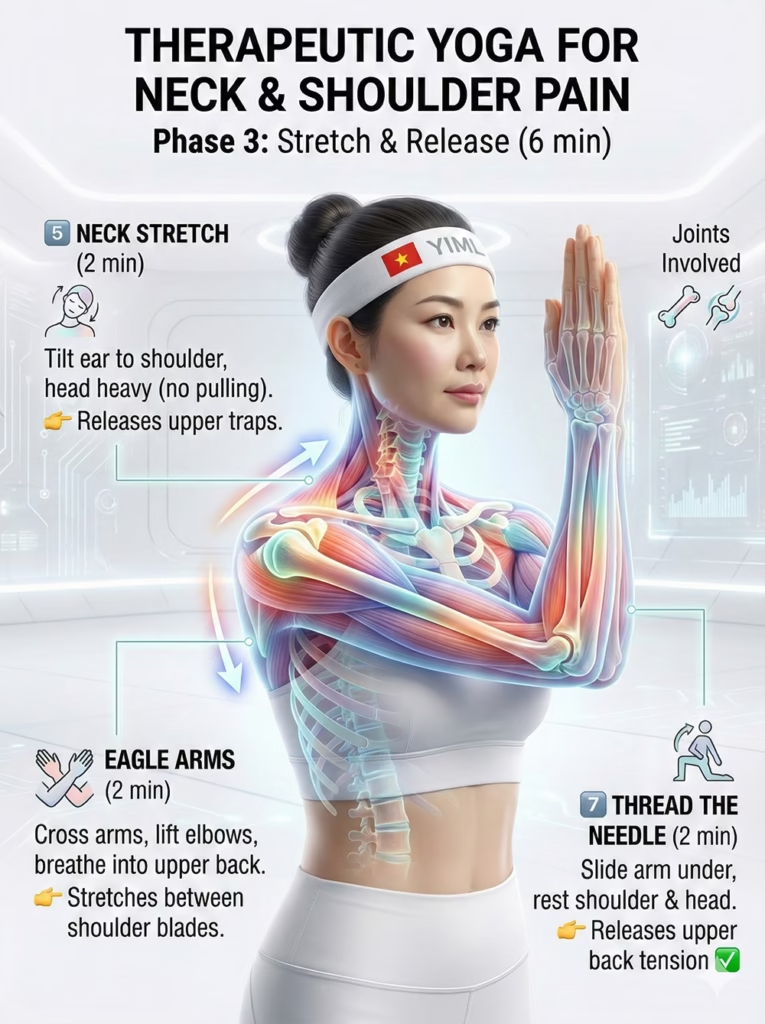
7. Parsva Balasana (Thread the Needle) (2 mins)
- Technique: From Table Top, slide the right arm under the left, resting the right shoulder and temple on the floor. Hold 5-8 breaths. Switch sides.
- Therapeutic Benefit: Releases tension in the posterior deltoid and upper back.
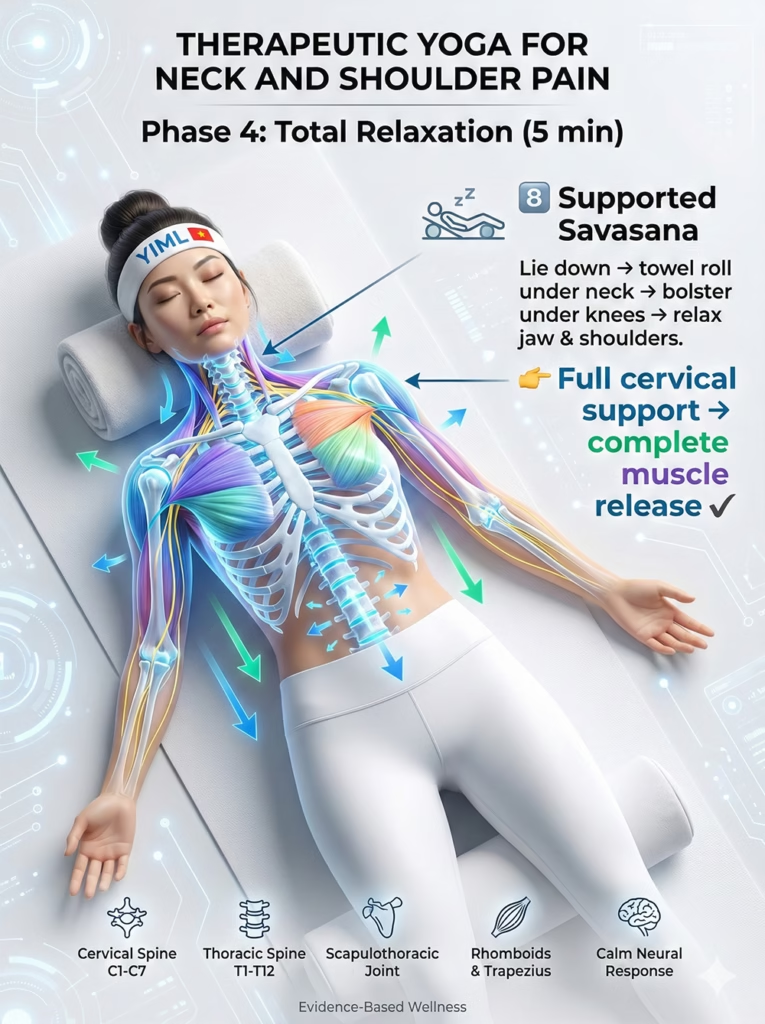
Phase 4: Total Relaxation (5 Minutes)
8. Supported Savasana with Cervical Roll
- Technique: Lie supine. Take the small hand towel, roll it into a cylinder (~2 inches thick), and place it directly under the natural curve of your neck for support. Place a bolster under the knees. Completely surrender the jaw, face, and shoulders.
- Goal: Provides total anatomical support for the cervical spine, allowing all neck musculature to completely disengage and absorb the benefits of the practice.
Lifestyle & Ayurvedic Protocols for Neck & Shoulder Pain
Daily Micro-Habits for Postural Correction The goal is to eliminate the mechanical stressors that trigger tension and intersperse the day with micro-recoveries.
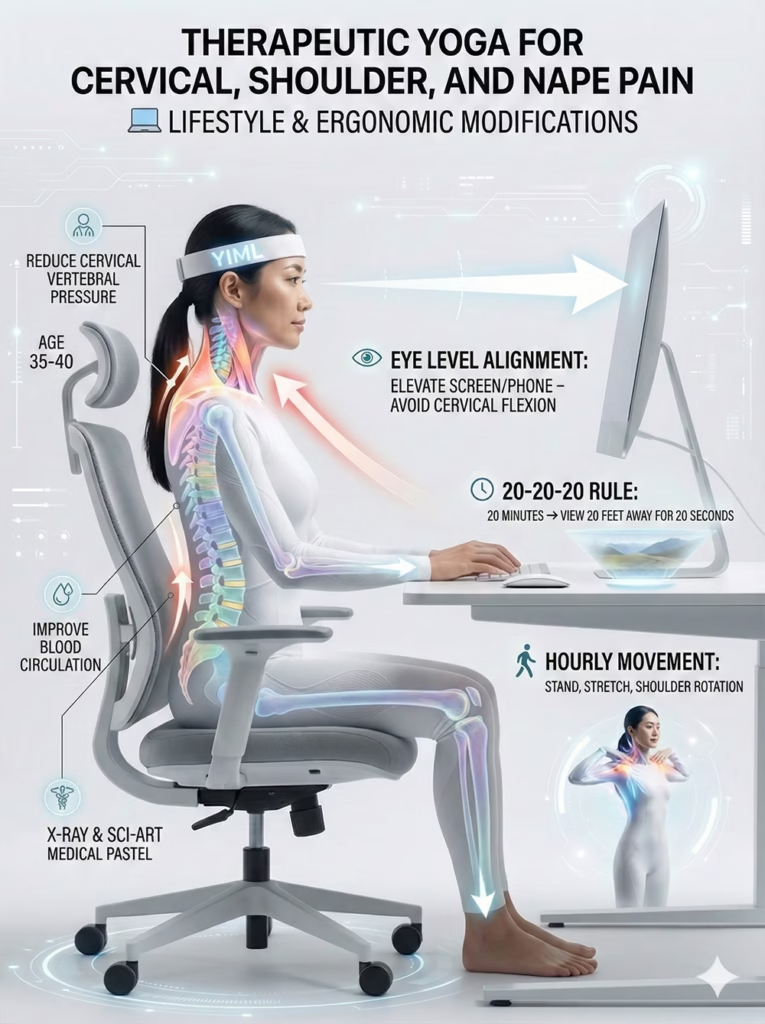
1. Office Ergonomics
- The Eye-Level Rule: Elevate your monitor so the top third is at eye level. Bring your phone up to your face rather than dropping your heavy head down to the screen.
- The 20-20-20 Rule: Every 20 minutes, look at an object 20 feet away for 20 seconds. This resets both the ocular muscles and the suboccipital muscles at the base of the skull.
- Frequent Resets: Stand up, walk, and perform three slow shoulder rolls every hour to prevent tissue ischemia (blood flow restriction) from static sitting.
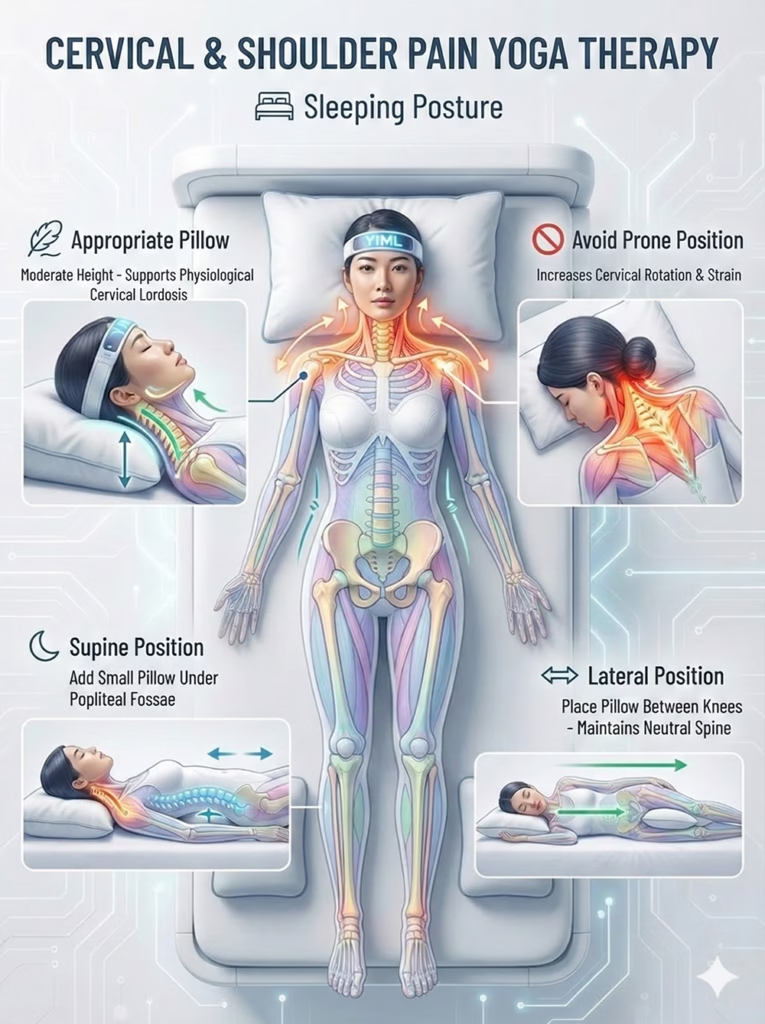
2. Sleep Posture
- Cervical Support: Invest in a pillow that supports the natural curve (lordosis) of the neck without pushing the head forward.
- Avoid Stomach Sleeping: This forces the cervical spine into extreme, prolonged rotation, guaranteeing morning stiffness. Sleep supine (on your back) or side-lying with a pillow bridging the gap between your shoulder and ear.
3. Micro-Breaks & Therapy
- The Jaw Check: Stress often manifests as unconscious jaw clenching. A tight jaw directly translates to a tight neck. Frequently check in and consciously soften your jaw and tongue.
- Heat Therapy: Apply a warm compress to the neck and shoulders for 10–15 minutes at the end of the day. Heat induces vasodilation, flushing out metabolic waste and relaxing muscle spasms.
Ayurvedic Dietary Guidelines Clinical Rationale
Ayurveda categorizes chronic neck and shoulder stiffness as a classic Vata disorder (characterized by cold, dry, and constricting qualities). The dietary antidote must focus on warmth, moisture, and grounding.
- Favor (To Pacify Vata):
- Warm, Cooked, & Oily: Soups, stews, and roasted root vegetables. Use healthy fats (ghee, sesame oil, olive oil) to internally “lubricate” dry, stiff tissues.
- Magnesium-Rich Foods: Magnesium is nature’s muscle relaxant. Incorporate cooked dark leafy greens, pumpkin seeds, avocados, and bananas.
- Warming Spices: Ginger (anti-inflammatory), cinnamon, cardamom, and turmeric improve blood circulation to the periphery.
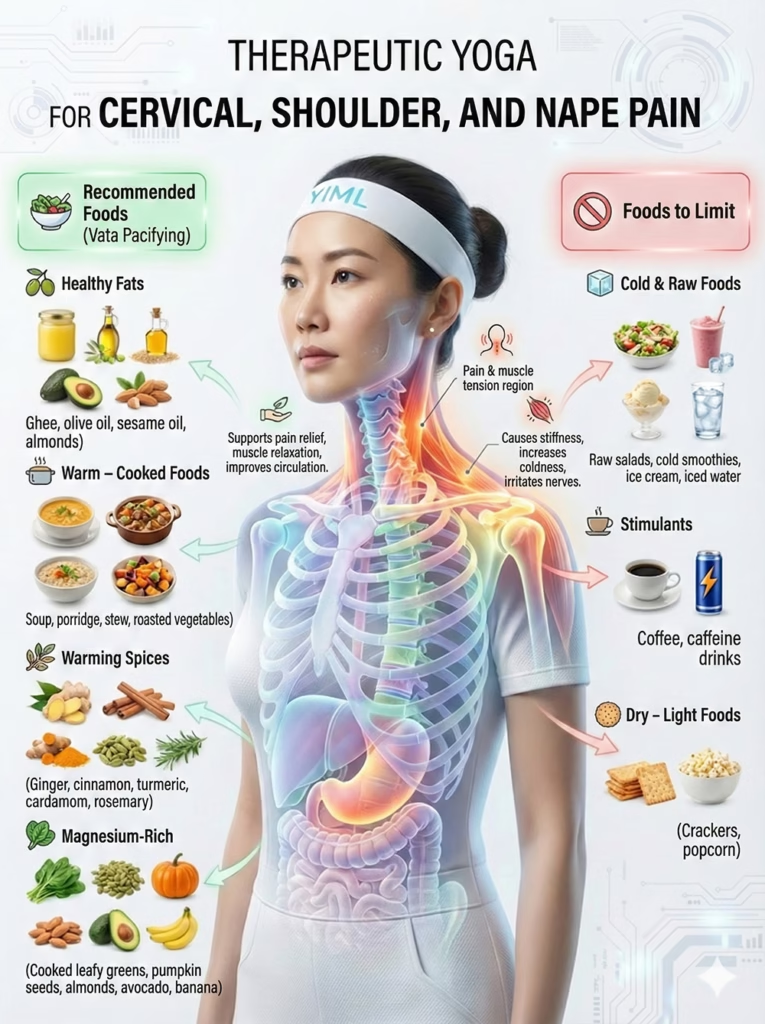
- Limit or Avoid (Vata Aggravators):
- Cold & Raw Foods: Raw salads and ice water increase internal coldness and muscular rigidity.
- Stimulants: High caffeine intake hyper-stimulates the nervous system, exacerbating anxiety and muscle constriction.
- Dry Foods: Crackers, popcorn, and chips dry out the tissues.
Part VI: Conclusion
The therapeutic yoga approach to neck and shoulder pain is a highly intelligent, comprehensive strategy that goes far beyond simple stretching. It directly addresses the biomechanical and neurological roots of “Upper Crossed Syndrome.” It systematically releases tension in the overworked anterior muscles (chest/neck), builds vital strength in the inhibited posterior muscles (upper back), and soothes the hyperactive nervous system driving unconscious muscle guarding.
By integrating targeted Asana, Pranayama, and daily postural awareness, Yoga empowers you to reprogram your body’s deeply ingrained habits. You cease to be a victim of your desk or smartphone and become an active architect of a pain-free, aligned body and a peaceful mind.
This transformational journey requires:
- Patience: To overwrite postural habits forged over years or decades.
- Interoception: The somatic wisdom to listen to your body and respect its limits without forcing.
- Consistency: Because building sustainable postural strength requires regular, dedicated practice.
Medical Disclaimer
IMPORTANT: The content provided in this article is for informational and educational purposes only. It is NOT intended to substitute for professional medical advice, diagnosis, or treatment.
- Always consult a physician or physical therapist for an accurate diagnosis, particularly to rule out serious structural issues such as cervical disc herniation, severe osteoarthritis, or nerve impingement.
- Never disregard professional medical advice or delay seeking it based on information read in this guide.
- Red Flags: Seek immediate medical care if your pain is severe, follows a trauma, or is accompanied by radicular symptoms such as numbness, tingling, or weakness radiating down the arm into the hands.
References
Medical & Scientific Sources
- American Chiropractic Association (ACA). Neck Pain. (https://www.acatoday.org)
- Cramer, H., et al. (2017). Yoga for chronic neck pain: A systematic review and meta-analysis. The Clinical Journal of Pain.
- Kim, S. D. (2014). Effects of yoga on neck-shoulder pain, and range of motion in middle-aged women. Journal of Physical Therapy Science.
- Pascoe, M. C., et al. (2017). Yoga, mindfulness-based stress reduction and stress-related physiological measures: A meta-analysis. Journal of Psychiatric Research.
- PubMed Central (National Library of Medicine). (https://www.ncbi.nlm.nih.gov/pmc/)
Yoga Therapy Sources
- Kaminoff, L., & Matthews, A. (2012). Yoga Anatomy (2nd ed.). Human Kinetics.
- McCall, T. (2007). Yoga as Medicine: The Yogic Prescription for Health and Healing. Bantam Dell.
- Saraswati, S. S. (2008). Asana Pranayama Mudra Bandha. Bihar School of Yoga.
- Yoga Journal. (https://www.yogajournal.com)