Vajrasana, commonly known as the Diamond Pose or Thunderbolt Pose, is a foundational yoga posture with profound benefits for both physical health and mental stability. The name is derived from the Sanskrit word “Vajra,” meaning “diamond” or “thunderbolt,” symbolizing firmness, indestructibility, and internal strength.
Part I: Origins and Significance
In the realm of asana, where dynamic flexibility and balance often take center stage, Vajrasana stands out for its stillness. It is a simple kneeling posture where the buttocks rest on the heels. However, its simplicity is deceptive. Named after the hardest gemstone and the most powerful weapon of the gods, Vajrasana is a practice designed to forge an “indestructible” body and a robust digestive system. Notably, it is the only yoga pose recommended for practice immediately after meals.
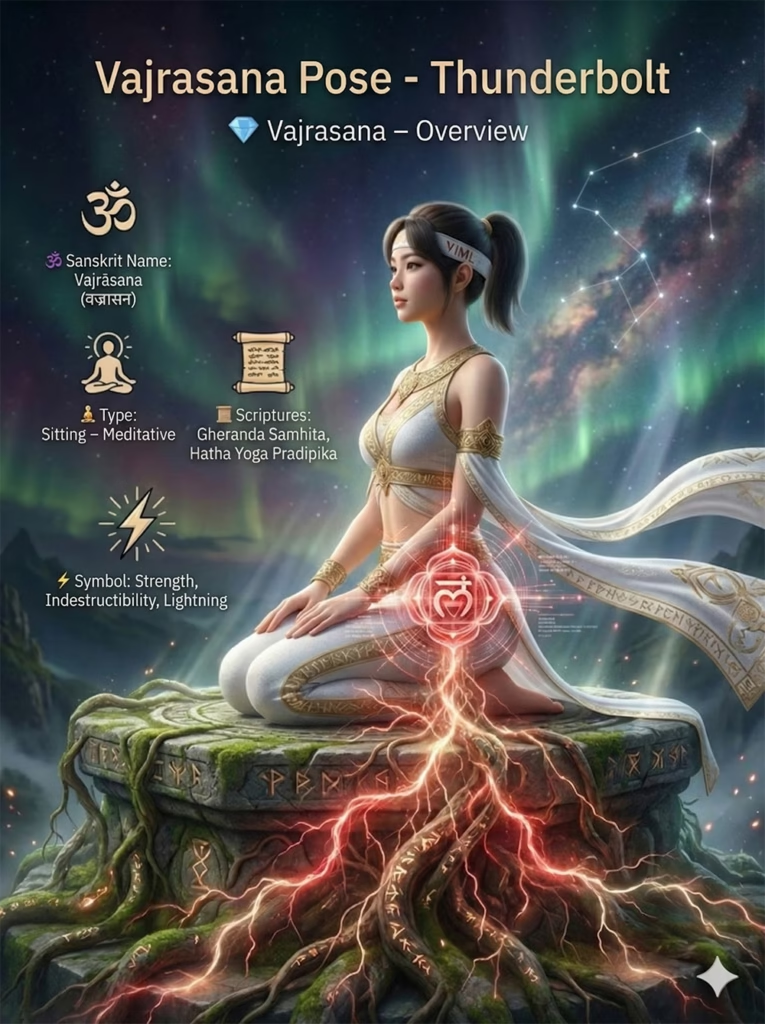
Overview
- Sanskrit Name: Vajrāsana (वज्रासन).
- English Name: Diamond Pose (or Thunderbolt Pose).
- Category: Seated, Meditative.
- Key Texts: Described in the Gheranda Samhita and Hatha Yoga Pradipika.
- Symbolism: Indestructibility, latent power, the thunderbolt of Indra, and control of sexual energy.
- Key Challenges: Ankle (dorsum) and knee flexibility; numbness in the legs during prolonged holding.
Origins and Context
Vajrasana is a classical posture appearing in foundational Hatha Yoga texts from the 15th–17th centuries. The Hatha Yoga Pradipika extols it not merely as a sitting position, but as a method to control the Nadis (energy channels) and strengthen the constitution.
Culturally, in India and many Asian societies, this is a traditional posture for prayer and dining. In modern yoga, it serves as a starting point for Pranayama (breathwork), meditation, or as a transition into poses like Camel (Ustrasana) or Rabbit (Sasangasana).
Etymology: The Meaning of the Name
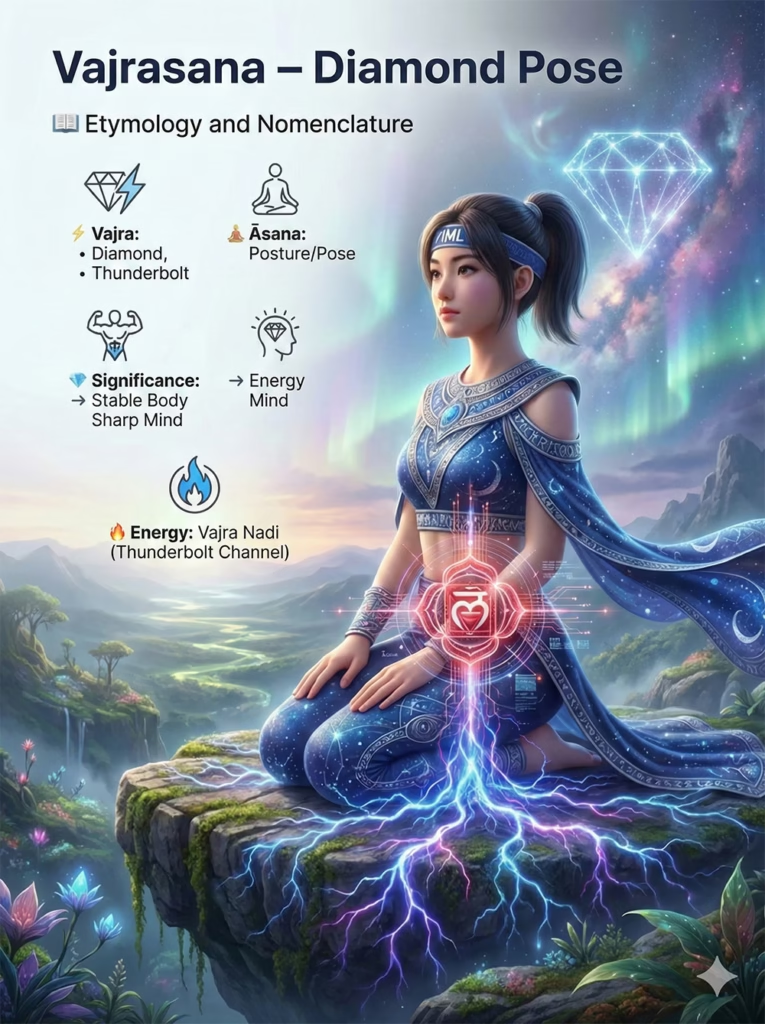
The nomenclature carries powerful implications. Vajra (वज्र) holds two primary meanings:
- “Diamond”: The hardest, most precious stone, impossible to cut.
- “Thunderbolt”: The mythical weapon of Indra (King of the Gods), representing the force that destroys ignorance and evil.
Combined with Āsana (posture), Vajrasana suggests that consistent practice cultivates a body as firm as a diamond and a mind as sharp as a thunderbolt. It is also linked to the Vajra Nadi, a subtle energy channel associated with vitality.
Philosophical Symbolism
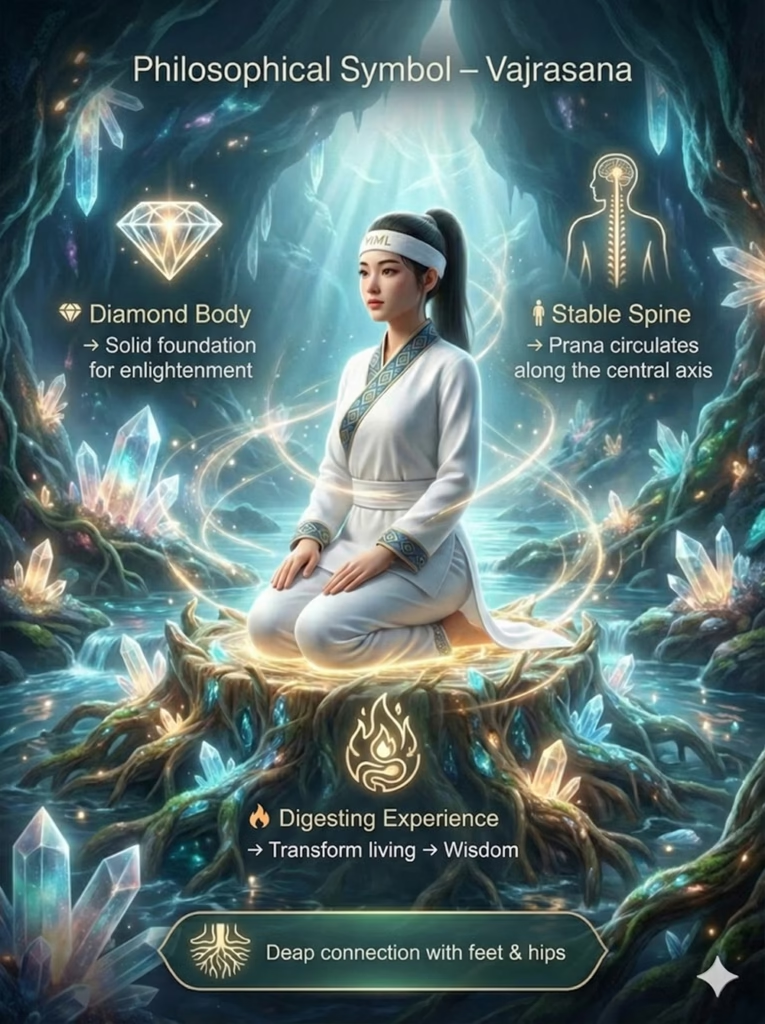
- The Diamond Body (Vajra Deha): Hatha Yoga aims to create a body immune to disease and decay—a perfect vessel for enlightenment. Vajrasana symbolizes this structural foundation.
- Spinal Stability: The pose naturally aligns the spine without excessive muscular effort. This creates an unobstructed channel for Prana (life force) to flow along the central axis (Sushumna Nadi), facilitating meditation.
- Digesting Experience: Physically, Vajrasana aids food digestion. Philosophically, it represents the “digestion” of life experiences. By sitting in stillness, we process and transform daily events into wisdom, preventing mental “indigestion.”
Functional Role and Benefits
- Digestive Support: By folding the legs, blood flow is partially redirected from the lower extremities to the abdominal region and internal organs. This enhances Agni (digestive fire), alleviating bloating and indigestion.
- Stretching: It provides a gentle stretch for the quadriceps and the dorsum of the foot (ankles)—areas often stiffened by footwear and chair-sitting.
- Meditative Alternative: For those with tight hips who struggle with Lotus pose, Vajrasana is an excellent alternative for maintaining an upright spine during meditation.
- Sciatica Relief: By maintaining a neutral spine, it can help alleviate lower back pain and sciatica in many practitioners.
Part II: Anatomy and Biomechanics
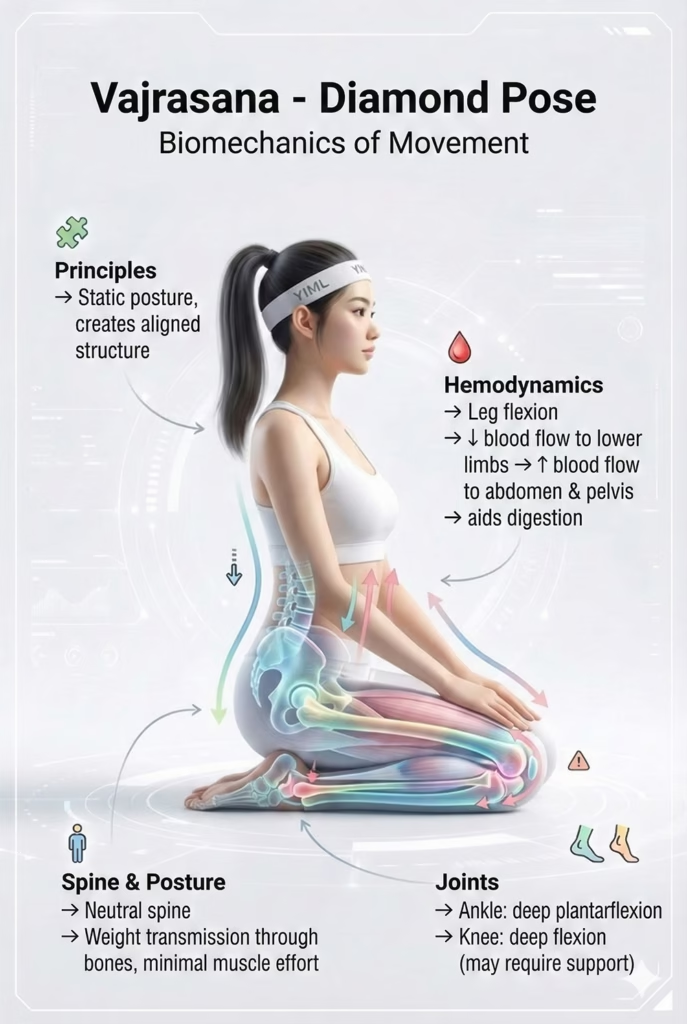
While visually static, Vajrasana requires precise coordination of the anterior chain (including the quadriceps, tibialis anterior, and the dorsum of the foot) and perfect vertical spinal alignment.
The biomechanics rely on deep flexion of the knees and ankles. This creates intentional compression that stabilizes the pelvis while requiring diaphragmatic breathing to balance physical stability with physiological recovery.
Joint Actions
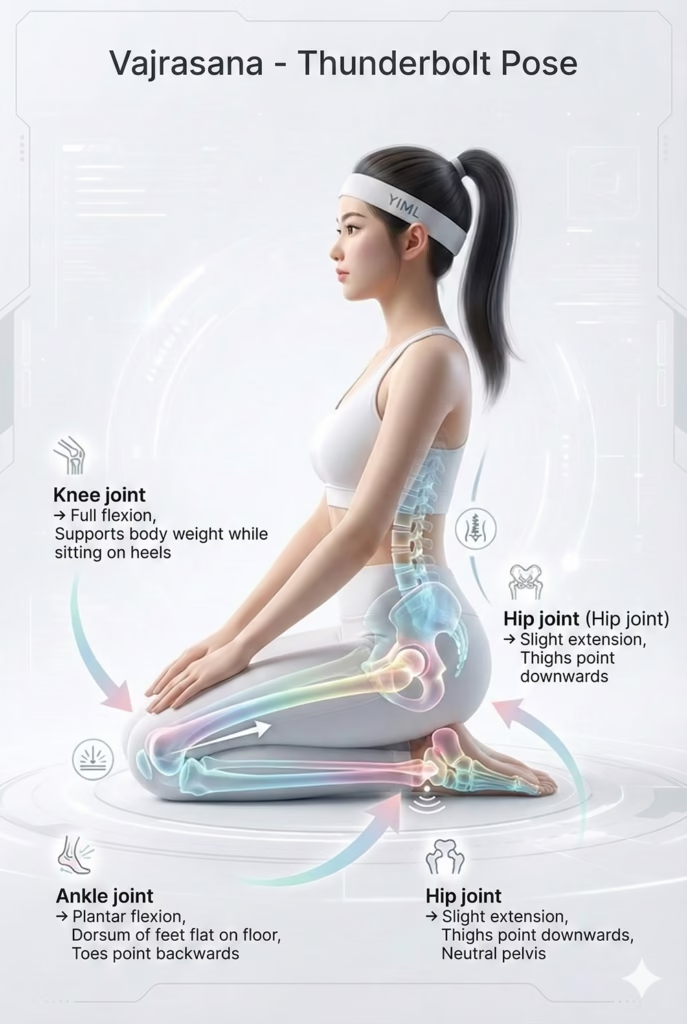
- Ankle Joint: Placed in deep plantar flexion (top of the foot flat against the floor).
- Knee Joint: In full flexion, bearing the weight of the upper body.
- Hip Joint: Positioned in mild extension or neutral alignment while resting on the heels.
Muscular Engagement
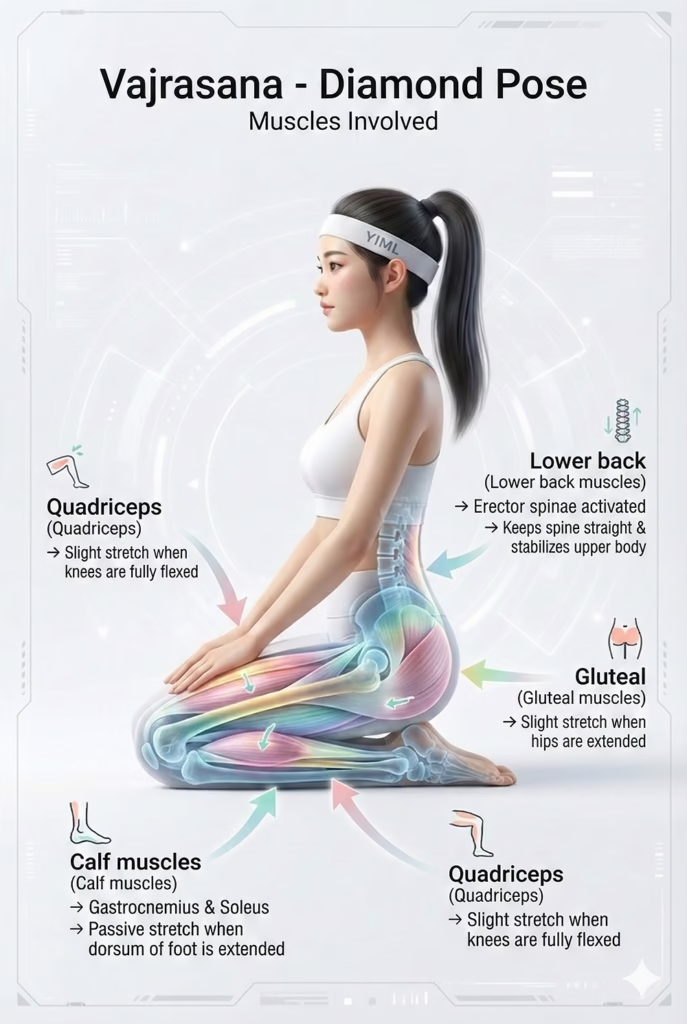
- Calf Muscles: The gastrocnemius and soleus undergo passive stretching due to the plantar flexion of the ankle.
- Quadriceps: The anterior thigh muscles are gently stretched as the knee fully flexes.
- Gluteal Muscles: Mildly stretched as the hips settle.
- Lower Back: The erector spinae activate subtly to maintain an upright, neutral spine.
Biomechanical Analysis
1. Hemodynamic Changes (Blood Flow) This is the core physiological mechanism. The deep fold of the legs creates a temporary tourniquet effect, reducing blood circulation to the lower limbs. Consequently, blood volume is redistributed to the pelvic and abdominal cavities. This increased blood supply to the stomach and intestines explains the pose’s efficacy in aiding digestion.
2. Spinal Alignment and Posture Vajrasana promotes a neutral, vertical spine. The weight of the torso is transferred directly through the ischial tuberosities (sit bones) onto the heels. This structural stacking minimizes the load on back muscles, allowing for prolonged holding times and training the postural muscles (core and spinal erectors) to maintain natural alignment.
3. Ankle and Knee Mechanisms The pose places the ankles in deep plantar flexion and the knees in deep flexion. For many modern practitioners, this is the limiting factor. Flexibility in the ankle joint and quadriceps is essential. Modifications, such as placing a rolled towel under the ankles or a block between the feet, can mitigate excessive joint pressure.
Conclusion
In summary, the primary biomechanical function of Vajrasana is to modulate blood flow to the digestive system through limb flexion, while simultaneously fostering a sustainable, upright spinal posture ideal for meditative practices. It teaches that strength lies not in bulk, but in structural integrity and internal resilience.
Part III: Energetics and the Subtle Body
This section explores the subtle anatomy of Vajrasana, examining its influence on the Chakras, the equilibrium of the three Doshas, and the flow of Prana (life force). The posture integrates physical stability with energetic alignment, fostering a deep connection between the practitioner and the universal field.
Connection to the Chakra System
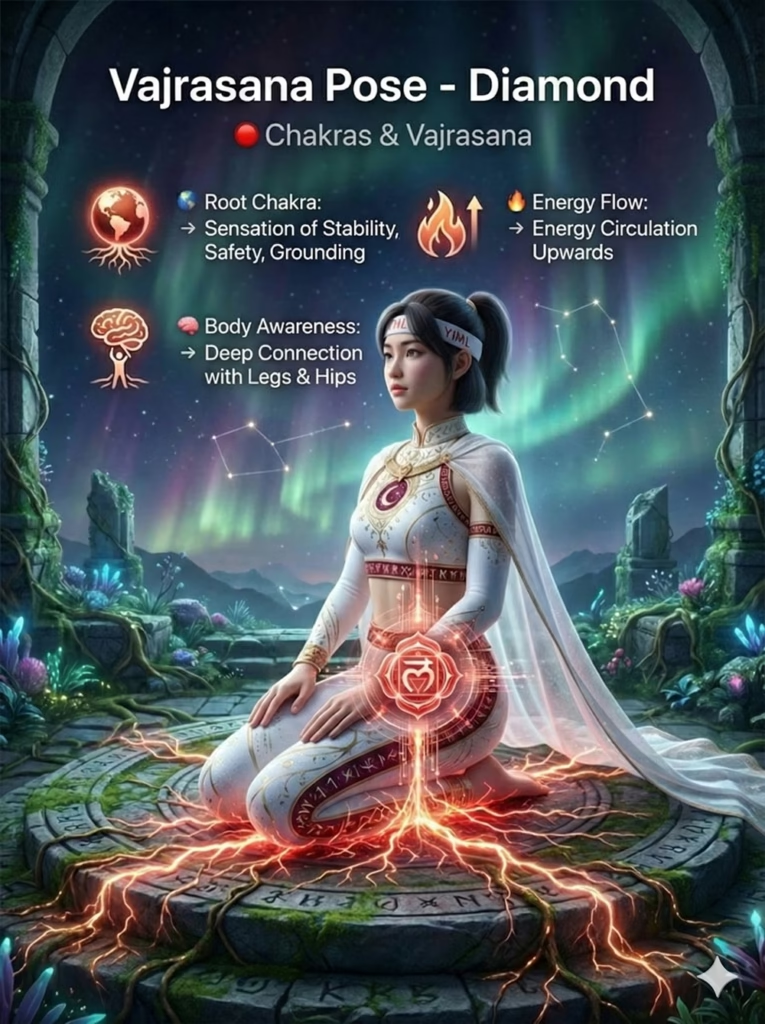
Vajrasana is primarily associated with the Muladhara Chakra (Root Chakra). Located at the base of the spine near the coccyx, this center governs stability, security, and grounding.
- Activation and Balancing: The posture stabilizes both body and mind. By sitting on the heels with the hands resting on the thighs, a closed-circuit loop is formed. This creates a solid physical foundation, enhancing the connection to the earth element and stimulating the Root Chakra to induce a sense of safety.
- Energy Flow Facilitation: Vajrasana opens the pelvic region, removing physical constriction. This allows energy to circulate freely at the base, balancing the Root Chakra and preparing the pathway for energy to ascend to higher centers.
- Somatic Awareness: The pose directs focus to the lower body—feet, knees, and hips. This heightened somatic awareness reinforces the grounding properties of Muladhara.
Impact on the Doshas (Ayurvedic Constitution)
Vajrasana is tridoshic (beneficial for all three doshas) but impacts each constitution differently. It is renowned for its ability to regulate Agni (digestive fire), making it unique as a post-meal practice.
1. Impact on Vata Dosha (Grounding & Digestion)
For Vata types, Vajrasana is a premier stabilizing posture.
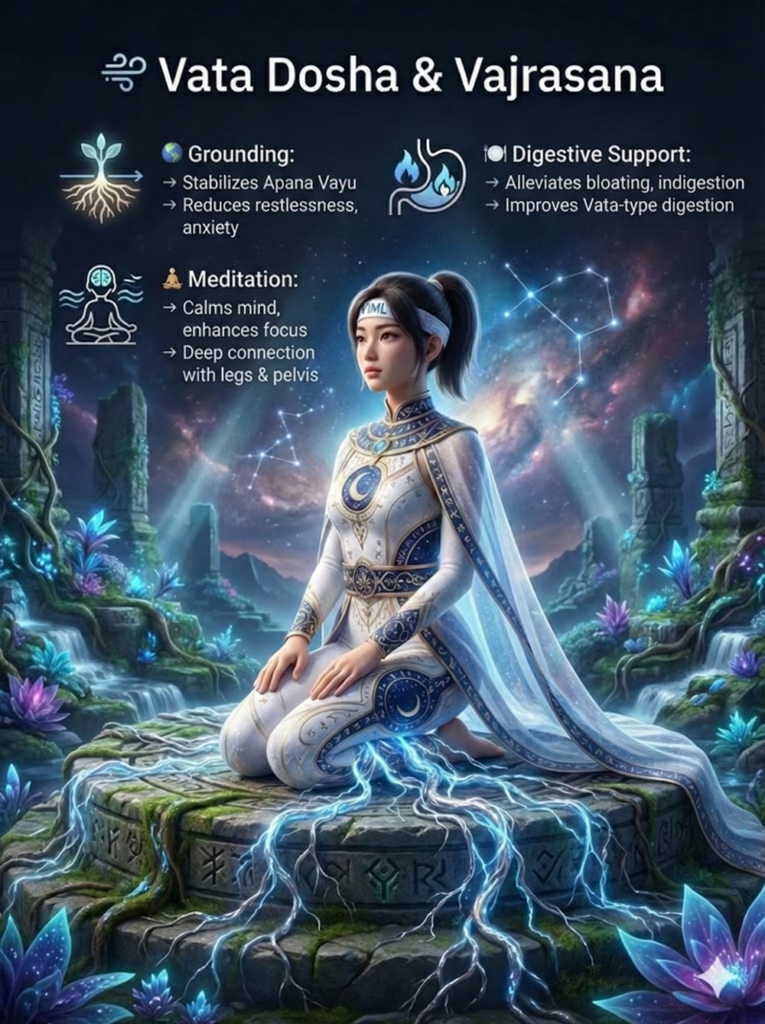
- Mechanism: It anchors the erratic nature of Vata by stabilizing Apana Vayu (downward-moving energy). This directly counters anxiety, restlessness, and dispersion.
- Digestive Aid: Vata digestion is often irregular (gas/bloating). By restricting blood flow to the legs and redirecting it to the visceral organs, Vajrasana optimizes digestive function.
- Meditative Base: The inherent stability provides a calm container for Vata minds, ideal for Pranayama.
- Note for Vata: Use props (a rolled towel under the ankles or between the calves and thighs) to prevent joint strain. Enter the pose slowly.
2. Impact on Pitta Dosha (Regulation & Cooling)
For Pitta types, the pose offers regulation and cooling.
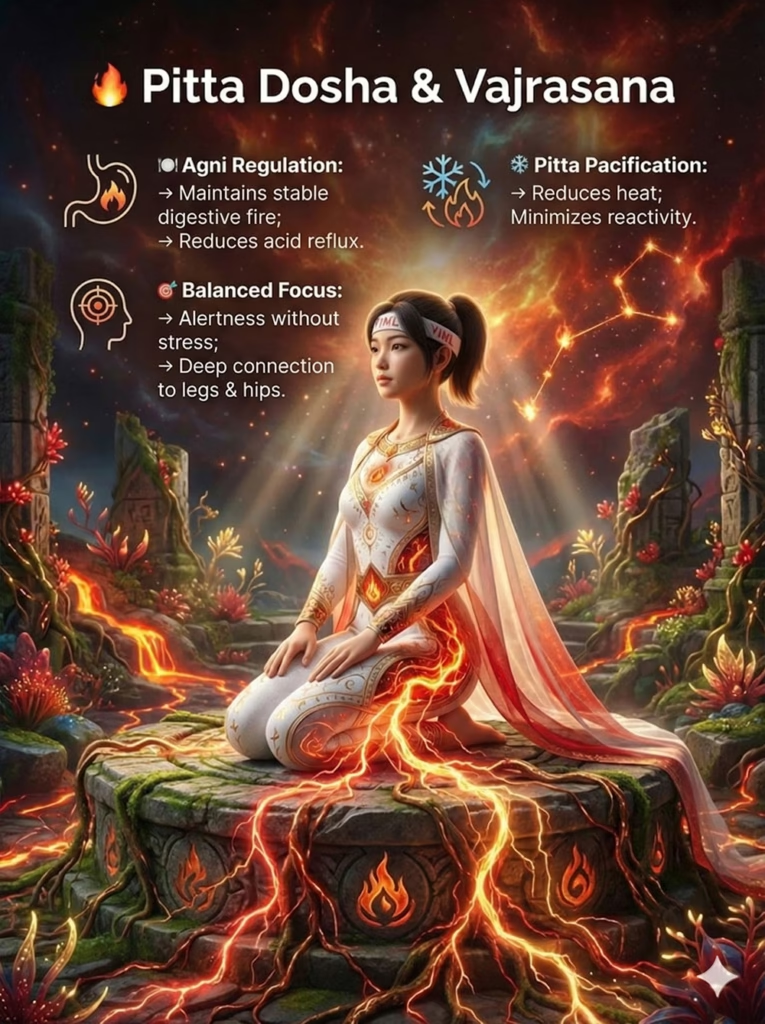
- Mechanism: While Pitta has strong digestion, it can become hyper-acidic. Vajrasana regulates Agni, ensuring efficiency without exacerbating heat or heartburn.
- Psychological Effect: The upright, static nature of the pose cools the intensity of Pitta, encouraging a “witnessing” state rather than a reactive one.
- Note for Pitta: Focus on a soft gaze and a relaxed mental state. Prioritize the sensation of grounding over perfecting the physical form.
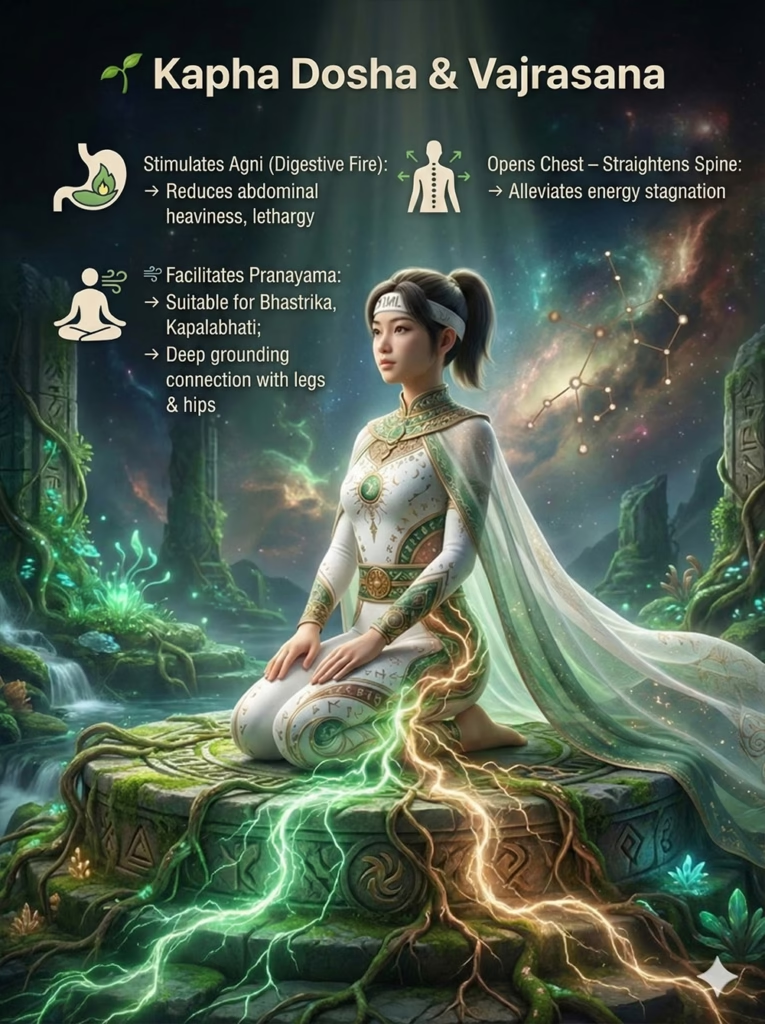
3. Impact on Kapha Dosha (Stimulation & Posture)
For Kapha types, the pose should be used actively to combat lethargy.
- Mechanism: Kapha digestion is typically slow (Manda Agni). Vajrasana stimulates metabolic activity, reducing post-meal heaviness.
- Postural Correction: It naturally lifts the chest and aligns the spine, counteracting the Kapha tendency to slouch or stagnate.
- Pranayama Utility: It is the ideal seat for energizing breaths like Bhastrika (Bellows Breath) or Kapalabhati (Skull Shining Breath) to break up stagnation.
- Note for Kapha: Maintain active engagement in the lower abdomen and lengthen the spine. Practice immediately after meals for 5–10 minutes.
Impact on the Prana Vayus (The Five Winds)
Vajrasana effectively modulates the five subdivisions of Prana, specifically focusing on the lower and central body.
- Apana Vayu (Downward Energy): This is the most significant impact. The seated position locks energy in the pelvic basin, grounding Apana to support elimination and reproduction functions.
- Samana Vayu (Centering Energy): By compressing the lower limbs, blood and prana are concentrated in the abdominal region. This stimulates Samana, which governs digestion and assimilation.
- Prana & Udana Vayu (Inward & Upward Energy): The erect spine and open chest facilitate the intake of breath (Prana Vayu) and the upward flow of expression (Udana Vayu), making it ideal for chanting or breathwork.
- Vyana Vayu (Circulatory Energy): The pose integrates the peripheral energy back into the central axis, harmonizing circulation along the spine.
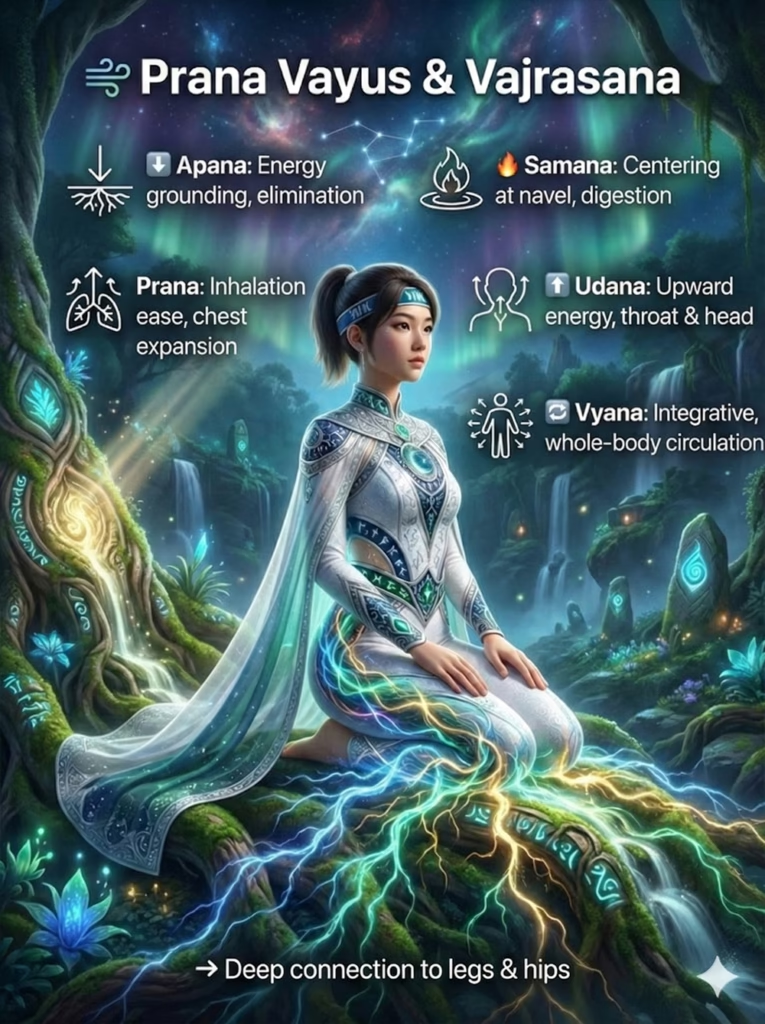
Summary: Vajrasana creates a unique energetic dynamic: it strongly grounds Apana while simultaneously stimulating Samana for digestion, all within a structure that supports the vertical flow of Prana and Udana.
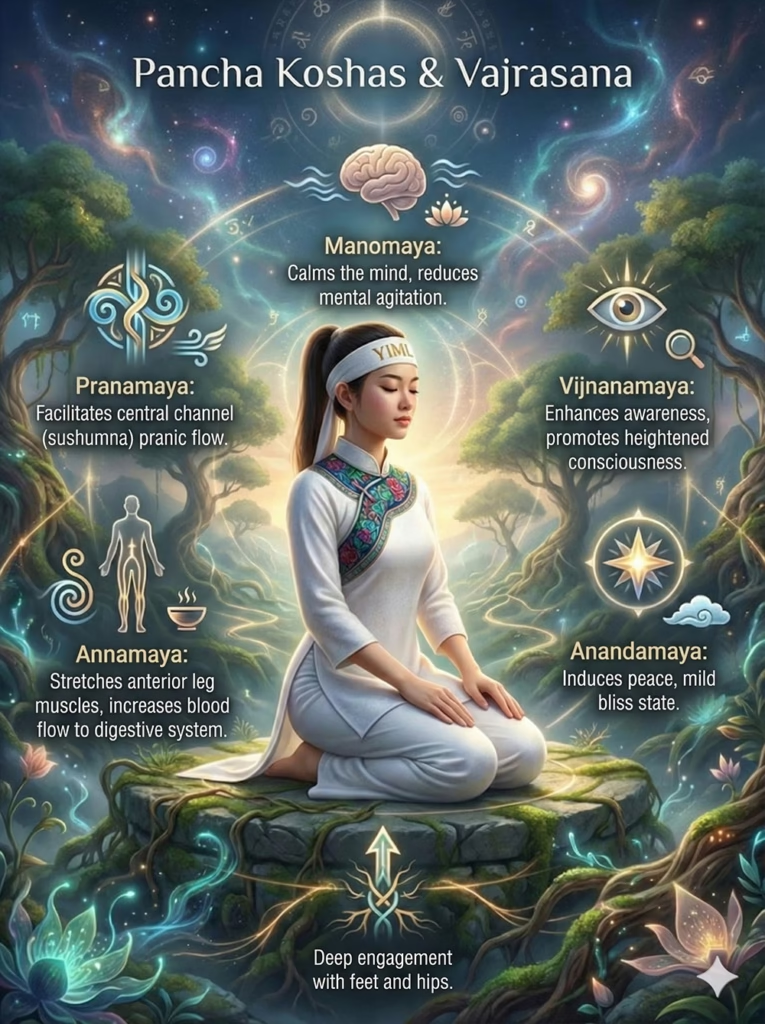
Impact on the Pancha Koshas (The Five Sheaths)
The stillness of Vajrasana allows for a systematic journey through the layers of being.
- Annamaya Kosha (Physical Body): Physiologically, it stretches the anterior ankle and thigh muscles while strengthening spinal erectors and redirecting blood flow for digestion.
- Pranamaya Kosha (Energy Body): The alignment creates an unobstructed channel for prana to flow through the Sushumna Nadi (central channel).
- Manomaya Kosha (Mental Body): The grounding effect sedates the nervous system, reducing mental fluctuation and anxiety.
- Vijnanamaya Kosha (Intellectual/Wisdom Body): In this stability, the practitioner can step back and observe the flow of thoughts without attachment, cultivating the “witness consciousness.”
- Anandamaya Kosha (Bliss Body): The cumulative effect of physical ease, energetic balance, and mental silence can lead to moments of profound inner peace and bliss.
Part IV: Psycho-Physiological Benefits and Impact
Modern medicine is increasingly investigating the physiological effects of yoga postures, specifically their ability to modulate the autonomic nervous system. While Vajrasana is a traditional posture, its mechanisms align closely with modern therapeutic principles regarding digestion and stress management.
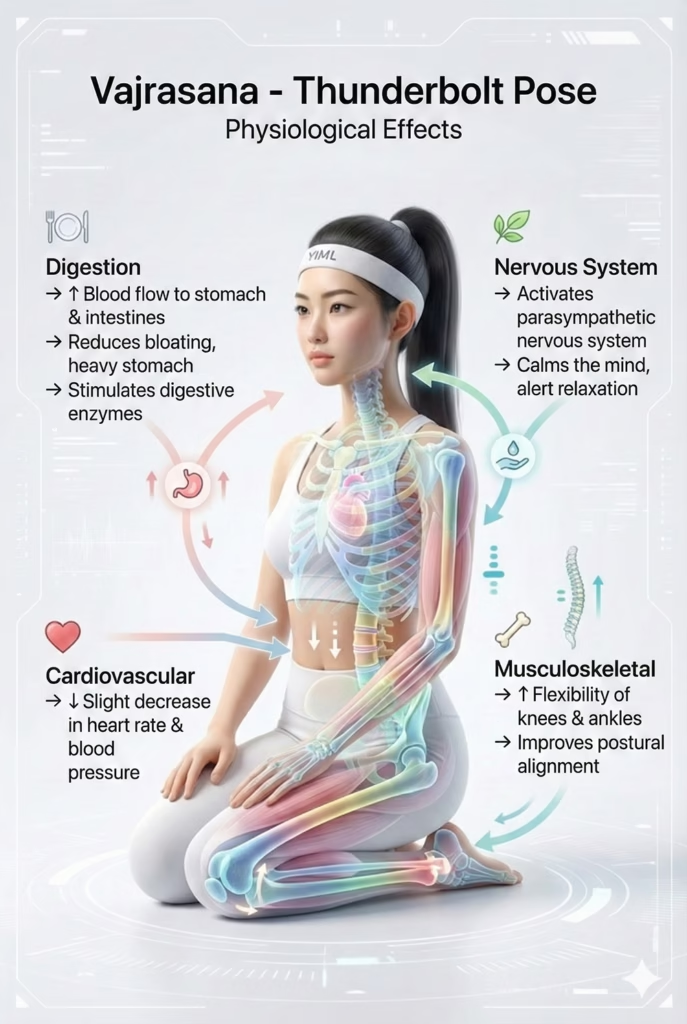
Physiological Impact
Vajrasana is unique due to its direct and immediate influence on the digestive system, which subsequently affects the nervous system.
- Digestive System: This is the most profound benefit. By compressing the legs, the pose restricts blood flow to the lower extremities and redistributes it to the pelvic and abdominal regions. This hemodynamic shift enhances the efficiency of the stomach and intestines, stimulating digestive enzymes. It is the only pose recommended for practice immediately (5–10 minutes) after meals to alleviate heaviness, bloating, and indigestion.
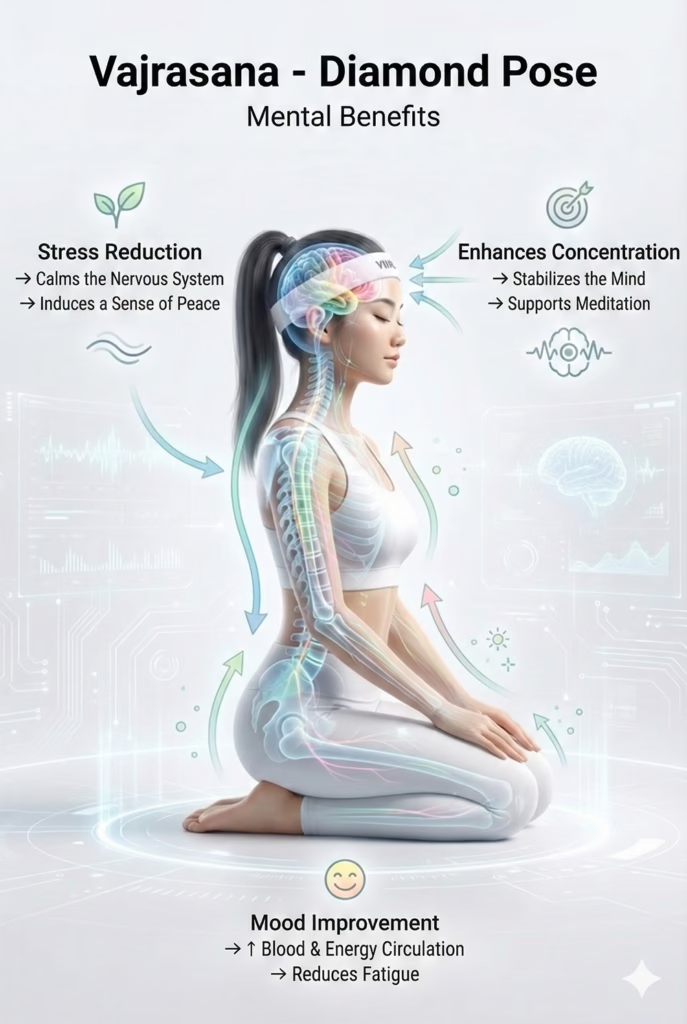
- Nervous System: The stability and grounding nature of the pose triggers the parasympathetic nervous system (the “rest and digest” mode). This physiological shift reduces anxiety and induces a state of “alert relaxation.”
- Cardiovascular System: Through parasympathetic activation, the pose can help regulate heart rate and lower blood pressure.
- Musculoskeletal System: It improves flexibility in the knee and ankle joints while stretching the quadriceps and tibialis anterior muscles. It also reinforces spinal alignment.
Mental and Emotional Benefits
- Stress Reduction: By calming the nervous system, Vajrasana acts as a somatic tool to lower cortisol levels and alleviate anxiety.
- Enhanced Focus: The upright spine and stable base minimize physical distraction, sharpening attention and concentration—crucial for meditation.
- Mood Regulation: Improved circulation and energetic flow contribute to a reduction in fatigue and an elevation in mood.
Scientific Evidence
1. Yoga vs. Conventional Treatment for IBS (Taneja et al., 2004; DOI: 10.1023/b:apbi.0000017861.60439.95)
- Study: A randomized control study comparing yoga therapy against conventional drug treatment (loperamide) in patients with diarrhea-predominant Irritable Bowel Syndrome (IBS).
- Method: The yoga group practiced a sequence including Vajrasana and specific breathing techniques twice daily for two months.
- Results: Both groups showed improvement in symptoms. However, the yoga group demonstrated significantly higher parasympathetic reactivity (reduced stress response), whereas medication only improved gastric function.
- Conclusion: Yoga offers a superior, holistic approach for managing IBS by addressing the underlying autonomic nervous system imbalance.
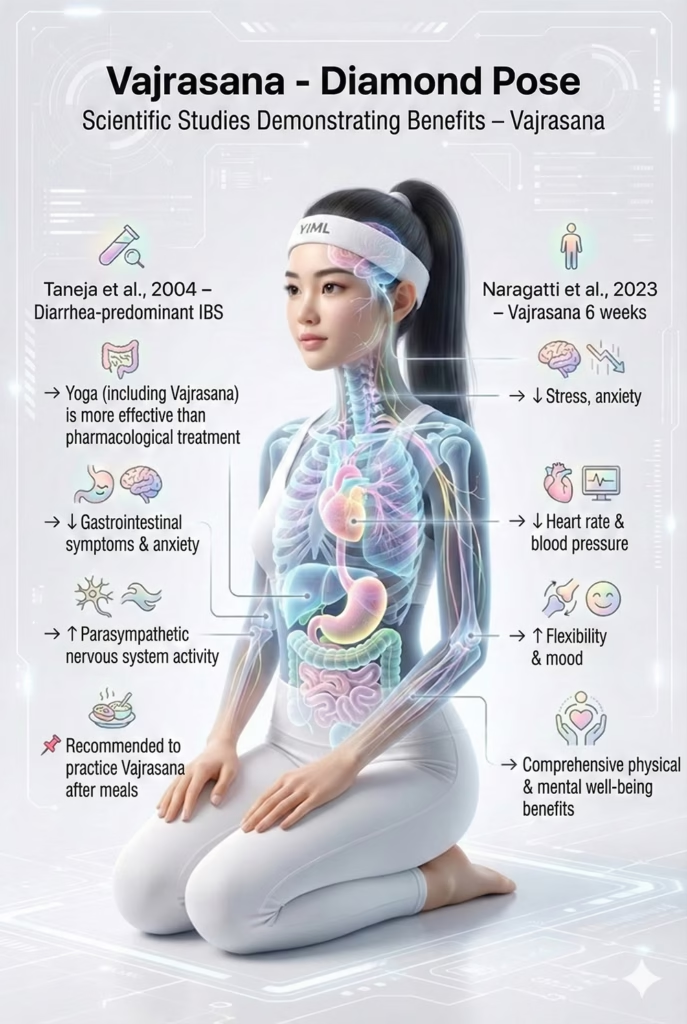
2. The Influence of Vajrasana on Individuals (Naragatti et al., 2023 , Online at Research Gate)
- Study: A mixed-method study (quantitative and qualitative) involving 50 participants practicing Vajrasana over 6 weeks.
- Results: Participants showed measurable improvements in physical flexibility and significant reductions in blood pressure and heart rate. Qualitative data indicated lower stress levels and improved mood.
- Conclusion: Vajrasana is a comprehensive tool for enhancing psychophysiological health and should be integrated into holistic wellness programs.
A growing body of randomized controlled trials supports the role of yoga-based interventions in autonomic regulation. Explore the full research archive in our Evidence-Informed Yoga Research Library.
Part V: Step-by-Step Guide to Vajrasana
Level 1: Foundation and Joint Safety
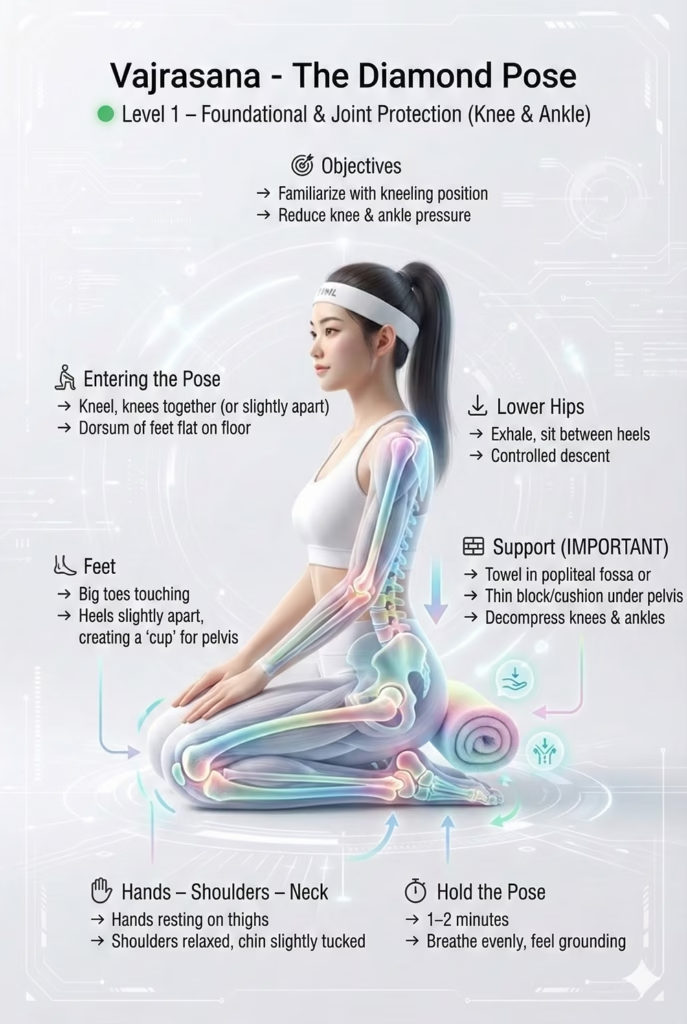
Goal: Acclimatize to the kneeling position and protect knee cartilage and ankle ligaments.
- Start: Kneel on the mat. Keep knees together (or slightly apart if thighs are larger). Rest the dorsum (top) of the feet on the floor.
- Align Feet: Touch the big toes together and separate the heels slightly to form a “cup” or cradle for the buttocks.
- Lower: Exhale and slowly lower the buttocks to sit between the heels.
- Modify (Crucial Step): If there is pain in the knees or ankles, place a rolled towel behind the knees (between calves and thighs) or place a block/cushion under the buttocks. This decompresses the joint space.
- Hand Placement: Rest palms on the thighs near the knees.
- Relax: Keep shoulders away from ears. Tuck the chin slightly to lengthen the cervical spine.
- Hold: Stay for 1–2 minutes. Focus on the stretch across the ankles.
Level 2: Spinal Alignment and Centering
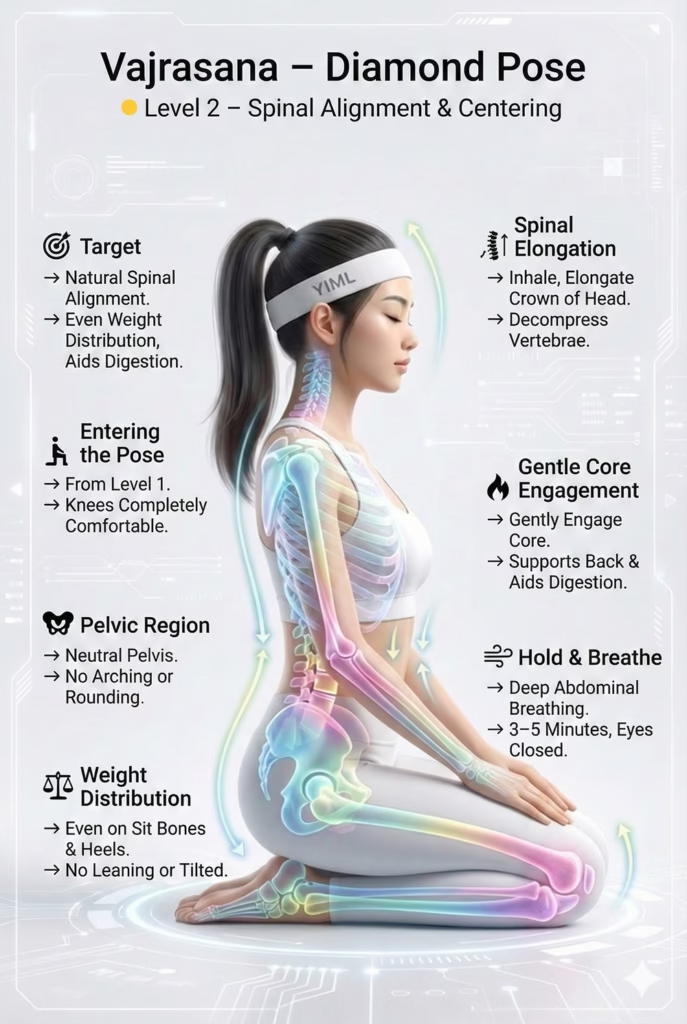
Goal: Maintain a neutral spine, distribute weight evenly, and engage the digestive fire.
- Elongate: Inhale, imagining a string pulling the crown of the head toward the ceiling.
- Pelvic Tilt: Exhale and gently tuck the tailbone to ensure a neutral pelvis (avoid over-arching the lumbar spine).
- Balance: Ensure weight is distributed equally between both sit bones and heels.
- Engage Core: Draw the navel slightly toward the spine to support the lower back and activate the Manipura (solar plexus) center.
- Breathe: Engage in diaphragmatic breathing (belly breathing). Hold for 3–5 minutes.
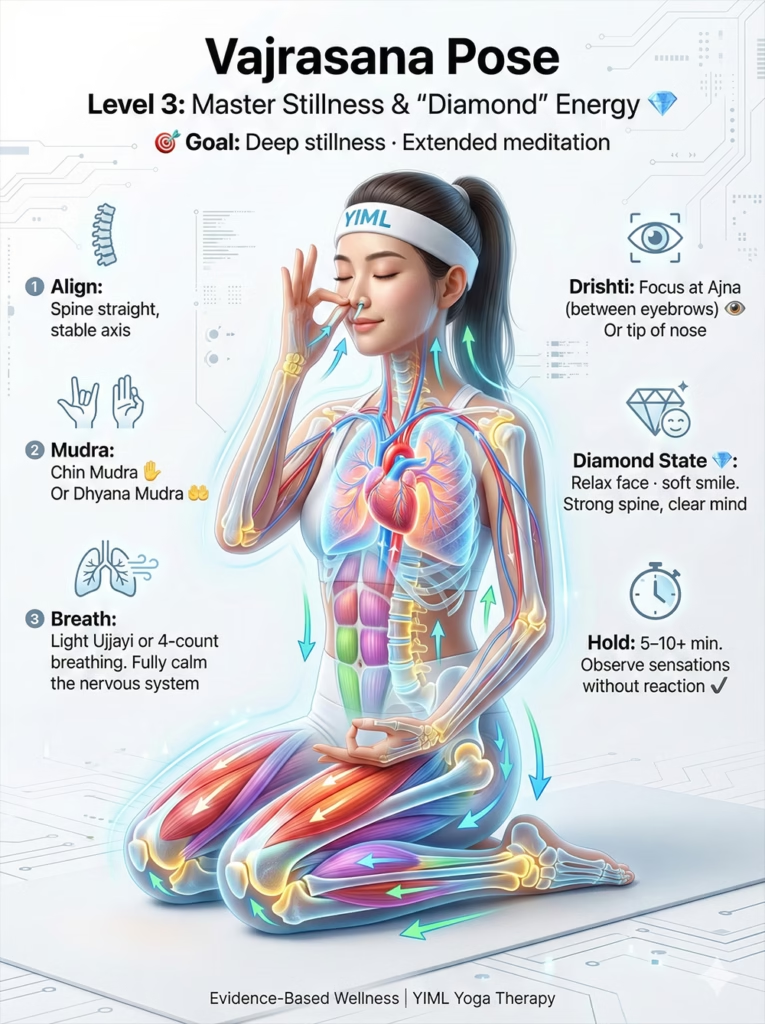
Level 3: Mastery and Energetic Stillness
Goal: Total immobility, Mudra integration, and deep meditation.
- Mudra: Adopt Chin Mudra (index finger touching thumb) or Dhyana Mudra (hands cupped in the lap).
- Pranayama: Incorporate Ujjayi breath (Ocean Breath) to further sedate the nervous system.
- Drishti: Close the eyes and focus the internal gaze at the Third Eye point (Ajna Chakra) or the tip of the nose.
- State of Being: visualize the body as a diamond—physically indestructible and mentally luminous.
- Duration: Hold for 5–10 minutes or longer for meditation.
The Exit Strategy: Counter-Poses
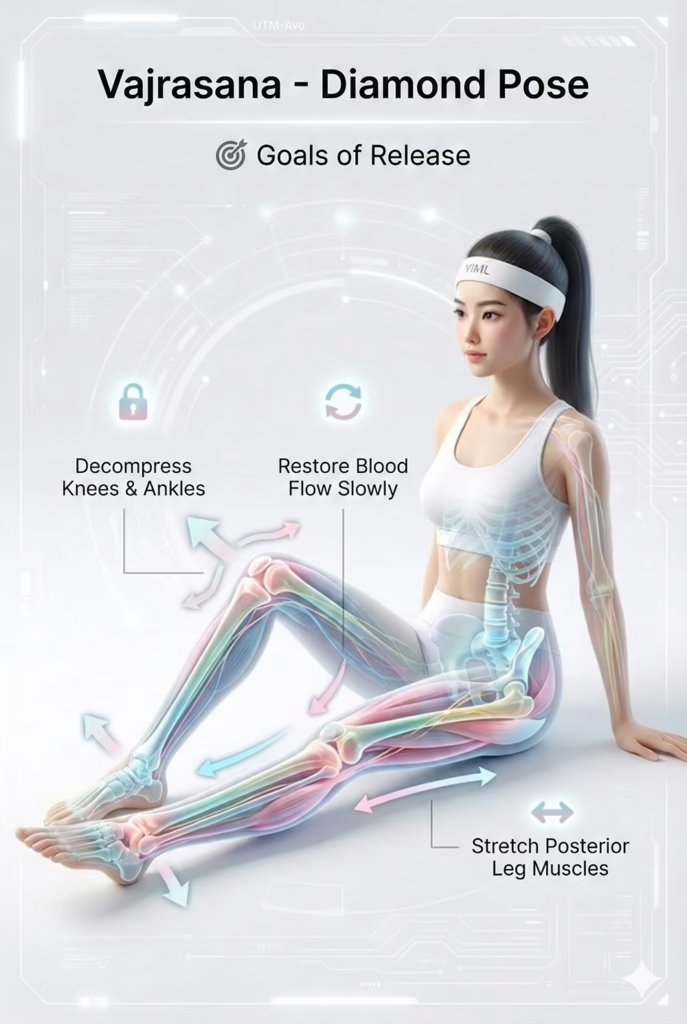
Exiting Vajrasana properly is critical. The pose causes temporary ischemia (reduced blood flow) and joint compression. Exiting too quickly can cause a “pins and needles” sensation or strain connective tissue.
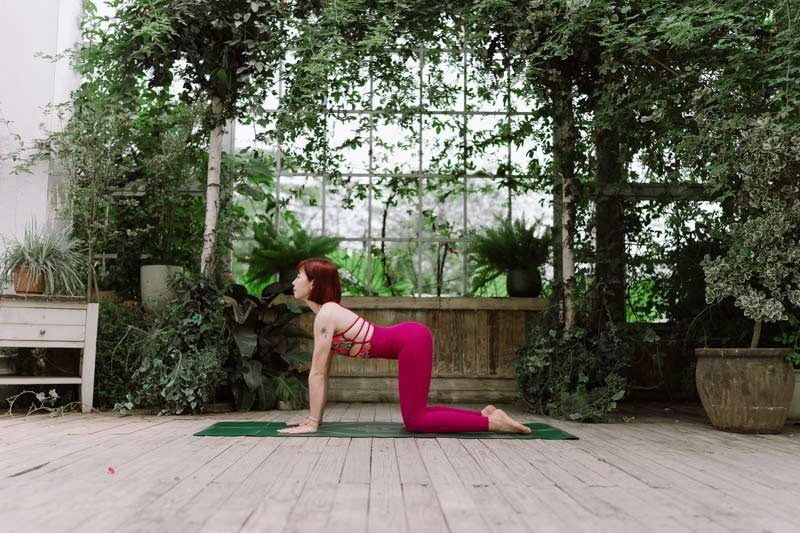
1. Immediate Release (Table Top)
- Action: Lean forward into a Table Top position (hands and knees). Extend one leg back at a time, tucking the toes and pressing through the heel.
- Why: This immediately releases knee compression and safely reintroduces blood flow (reperfusion) without shock.
2. The Primary Counter-Pose: Downward Facing Dog (Adho Mukha Svanasana)
- Action: Lift hips high, pressing heels toward the floor. Pedal the feet.
- Why: It forces the knees into extension and stretches the posterior chain (hamstrings/calves), which was shortened during kneeling.
3. Neutralization: Sphinx Pose (Salamba Bhujangasana)
- Action: Lie on the belly, propped on forearms. Lift the chest.
- Why: This gently extends the hips (which were flexed) and engages the lower back muscles, neutralizing the spine.
4. Final Relaxation: Staff Pose (Dandasana) or Savasana
- Action: Sit with legs extended forward. Shake the legs out.
- Why: Allows the body to integrate the effects of the practice and ensures full circulation is restored.
Therapeutic Applications
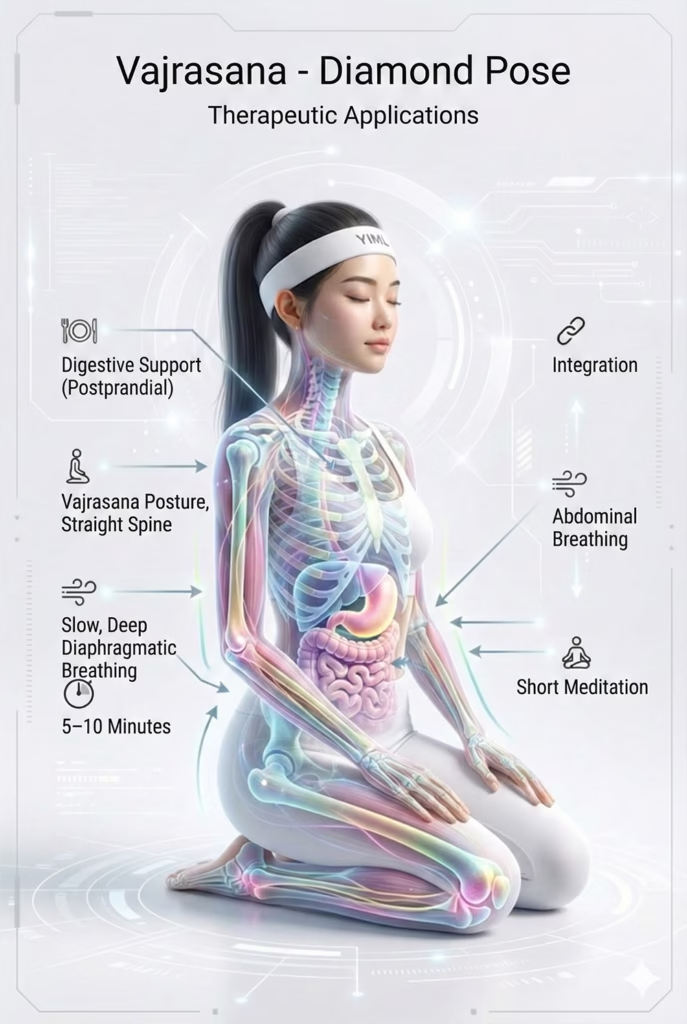
1. For Digestion (Post-Meal)
- Variation: Standard Vajrasana with deep belly breathing.
- Mechanism: Redirects blood flow from the legs to the gut, fueling Agni (digestive fire). Helps with bloating and acidity.
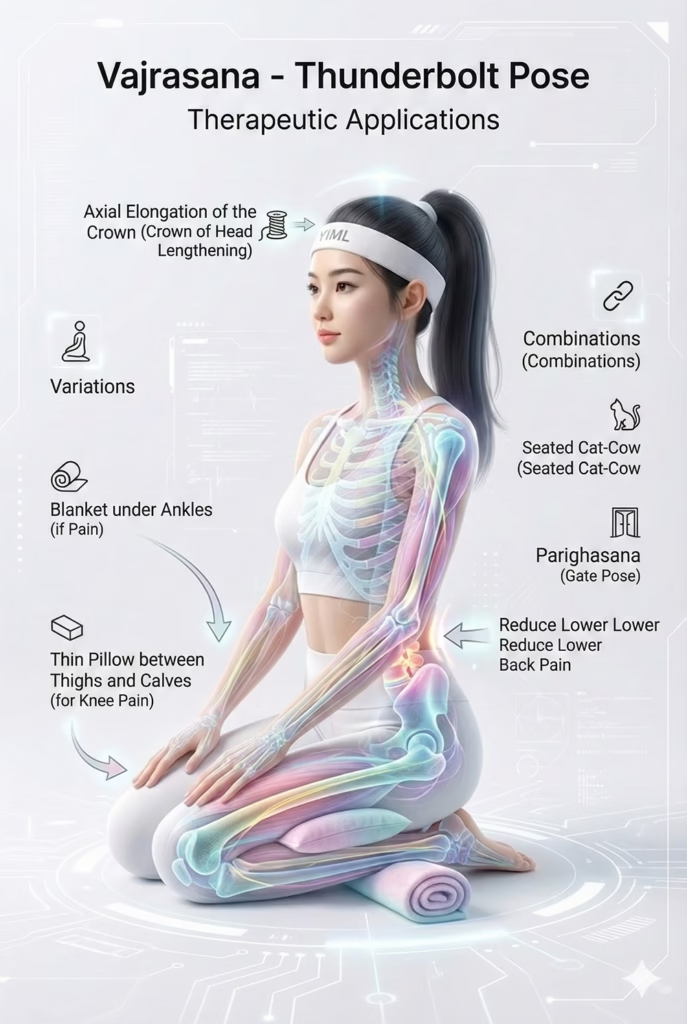
2. For Lower Back Pain
- Variation: Use props (block under hips) to ensure the spine is upright without effort.
- Mechanism: Unlike cross-legged positions which often lead to slouching, Vajrasana naturally aligns the pelvis and lumbar spine, reducing disc pressure. Combine with Seated Cat-Cow for mobility.
3. For Anxiety and Stress
- Variation: Hands in Chin Mudra, eyes closed.
- Mechanism: The pyramidal shape of the body provides physical grounding, signaling safety to the brain and down-regulating the sympathetic nervous system.
Vajrasana is frequently integrated into stress-regulation protocols, particularly those emphasizing parasympathetic activation and breath control.
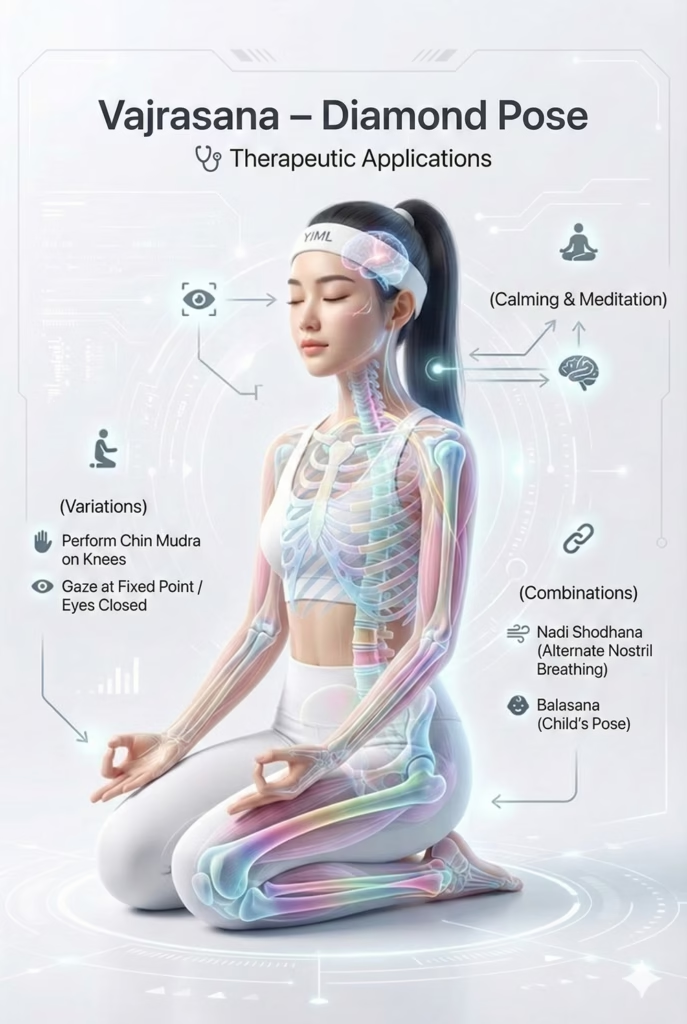
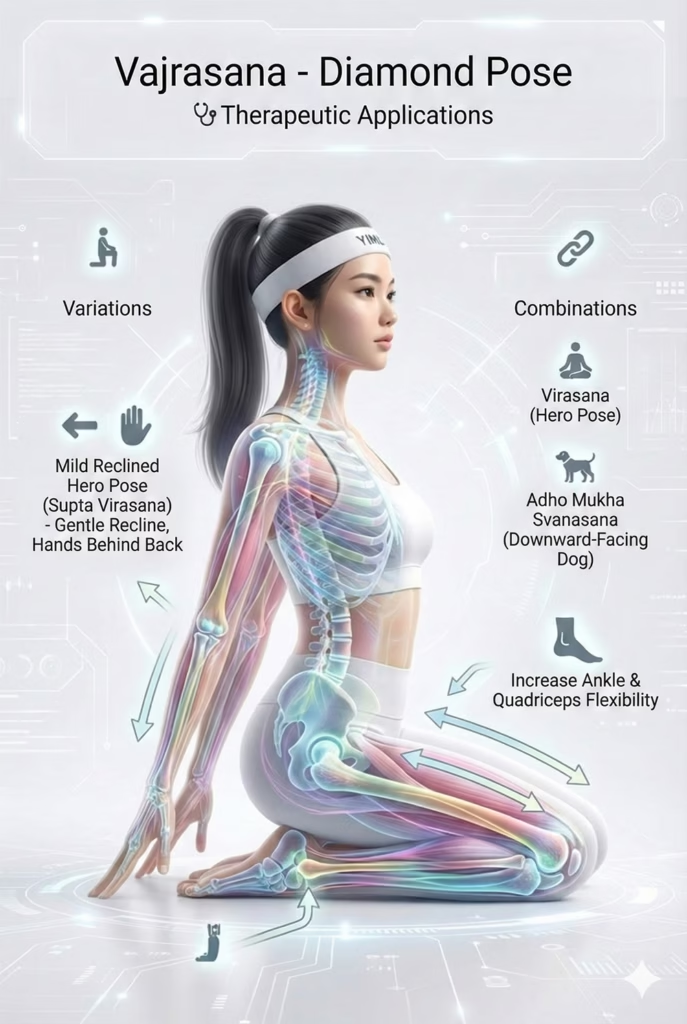
4. For Ankle Flexibility
- Variation: Lean back slightly (placing hands on the floor behind you) to increase the stretch on the tibialis anterior and ankles.
- Mechanism: Passive stretching for modern stiff ankles caused by footwear.
For individuals managing elevated blood pressure, this posture can complement broader therapeutic strategies outlined in our evidence-informed guide on Yoga for Hypertension.
Part VI: Common Mistakes and Corrective Actions
While Vajrasana appears structurally simple, incorrect alignment can lead to significant discomfort and potential injury, particularly to the connective tissues of the knees and ankles. Below are common errors and their biomechanical corrections.
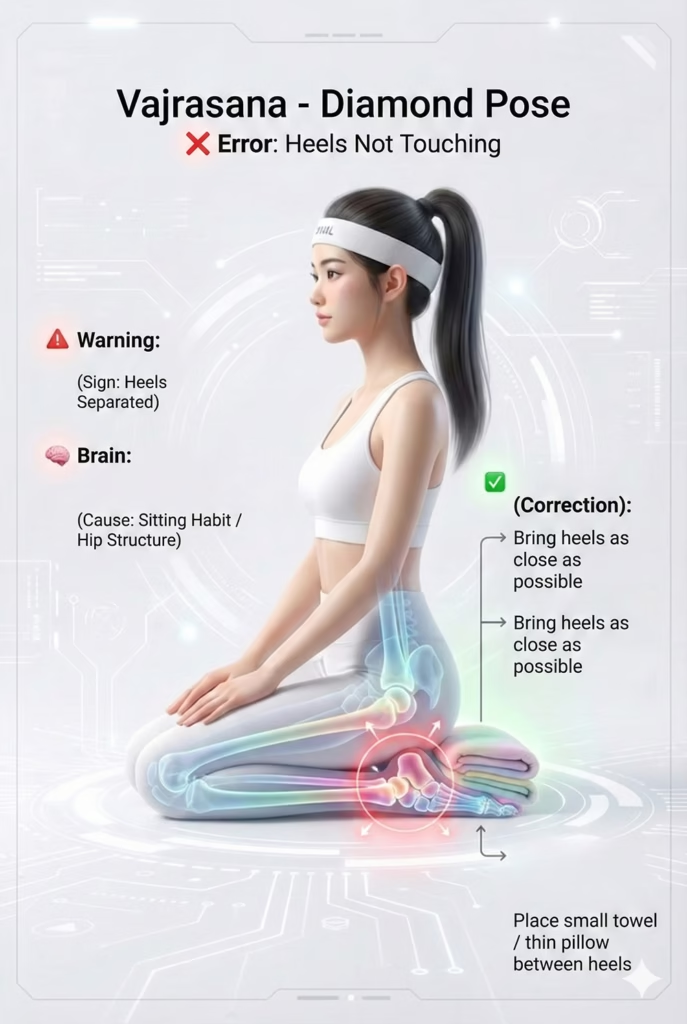
1. Heels Failing to Touch (Splayed Heels)
- The Error: The heels fall outward, failing to maintain contact with each other or the glutes.
- The Cause: Habitual sitting patterns or structural limitations in the hip joint.
- The Correction: Actively engage the ankles to bring the heels as close together as possible. Modification: Place a small folded towel or thin cushion between the heels to create tactile feedback and support alignment.
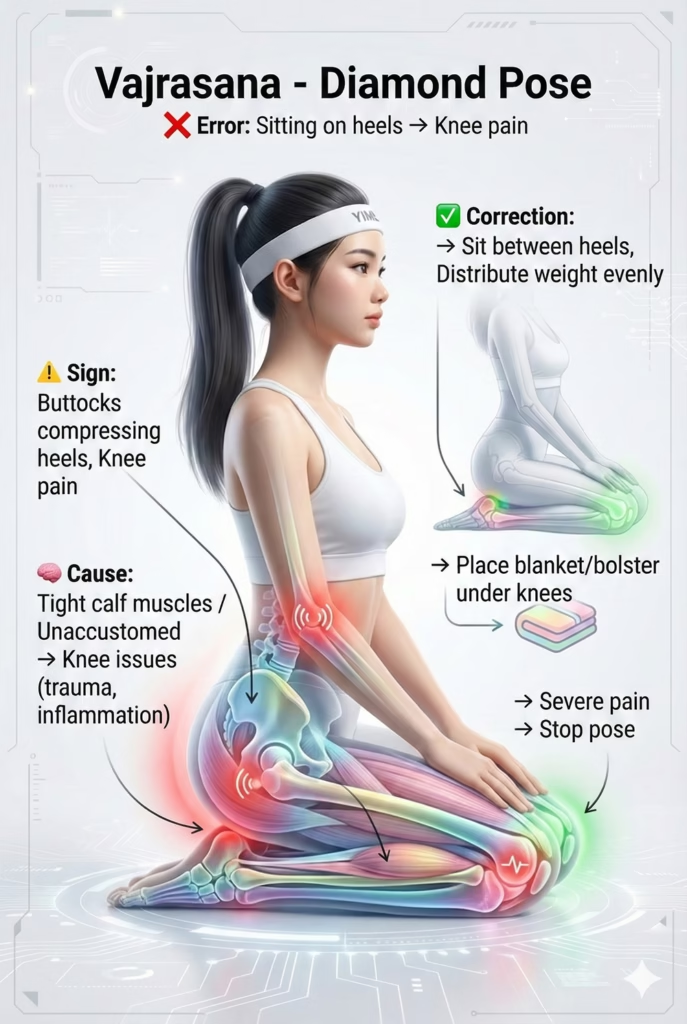
2. Excessive Knee Compression and Pain
- The Error: Placing the entire weight of the buttocks heavily onto the heels without distributing the load, leading to acute knee pain.
- The Cause: Tight calf muscles (gastrocnemius/soleus), lack of conditioning, or pre-existing knee pathology (e.g., arthritis).
- The Correction: Adjust the seating mechanics. Instead of collapsing onto the heels, ensure weight is distributed across the shins and tops of the feet.
- Note on variation: The text suggests adjusting to sit on the floor between the heels (similar to Virasana or Hero Pose) if flexibility allows, to relieve pressure.
- Therapeutic Approach: If knee pain persists, place a blanket or bolster between the calves and thighs to create space in the knee joint (decompression). If pain is sharp, discontinue immediately.
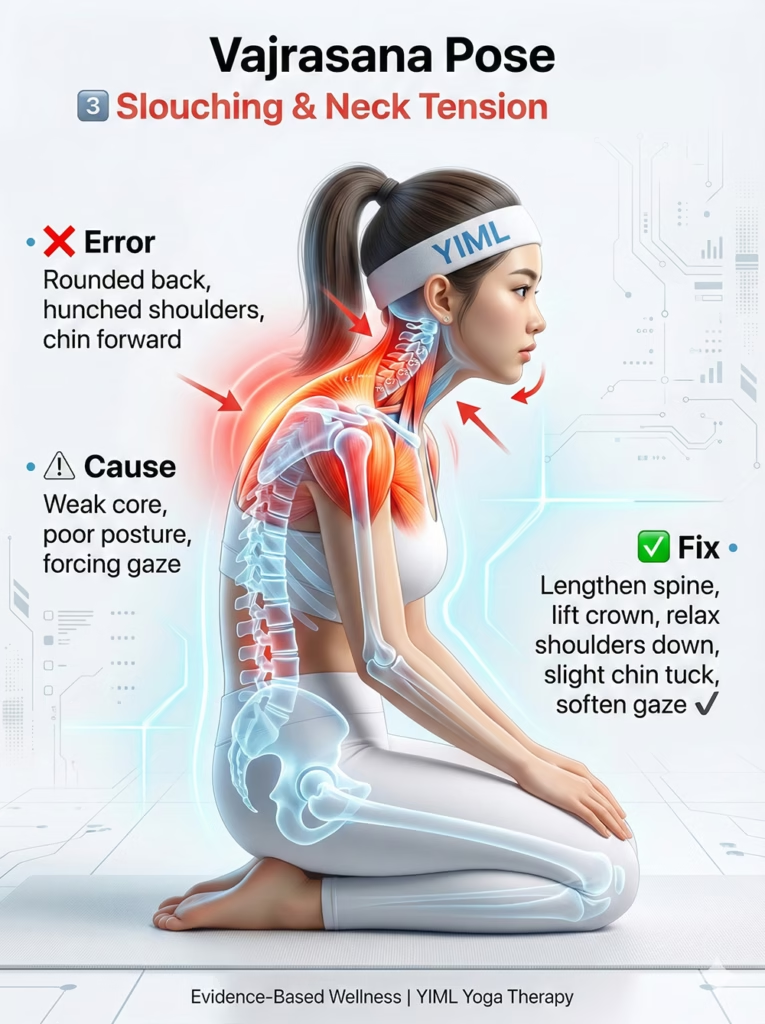
3. Spinal Kyphosis (Slouching) and Cervical Tension
- The Error: Collapsing the lumbar spine (rounding the back), hunching the shoulders, or hyperextending the neck (chin jutting out).
- The Cause: Weak core stabilizers, poor postural habits, or straining to look upward/forward.
- The Correction: Focus on axial extension. Visualize a string pulling the crown of the head upward. Draw the shoulder blades down the back and slightly tuck the chin toward the chest to lengthen the cervical spine. Close the eyes or soften the gaze downward to induce internal focus.
Part VII: Contraindications and Safety Guidelines
Despite its therapeutic profile, Vajrasana involves deep flexion of the knee and plantar flexion of the ankle, which may not be suitable for all populations.
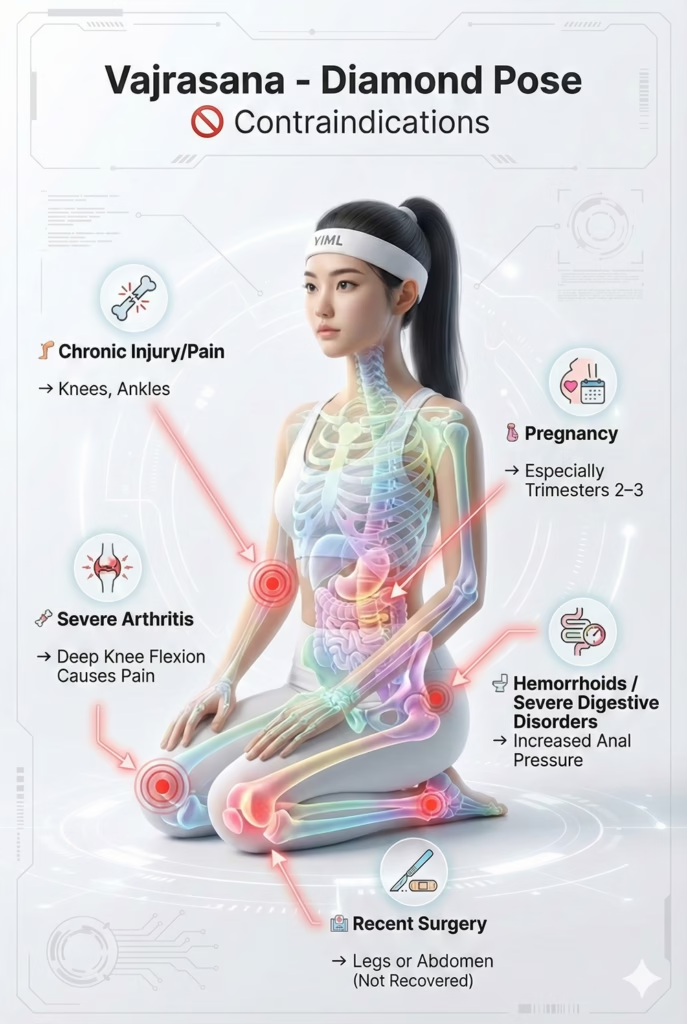
Absolute Contraindications (Who should avoid this pose)
- Acute Injury or Chronic Joint Pathology: Individuals with recent injuries or chronic pain in the knees (e.g., meniscus tears, ligament strain) or ankles should avoid this deep flexion.
- Severe Osteoarthritis: The compressive force on the knee joint can exacerbate inflammation and pain in severe arthritic conditions.
- Pregnancy (Specific Stages): While often used in prenatal yoga, deep compression of the abdomen and potential restriction of lower limb circulation means it requires caution. It is generally not recommended in the second and third trimesters without specific modification, due to increased intra-abdominal pressure.
- Hemorrhoids and Severe GI Issues: The pose increases pelvic floor pressure, which may aggravate hemorrhoids or certain rectal conditions.
- Post-Surgical Status: Individuals recovering from recent abdominal or lower limb surgery must avoid this pose until fully cleared by a medical professional.
Precautions (Who requires supervision)
- Novices: Beginners should start with short durations (30–60 seconds) to allow the connective tissues to adapt to the stretch, gradually increasing time as tolerance builds.
- Individuals with Dorsalgia (Back Pain): Those with a history of back issues should practice with a prop (cushion or block) under the buttocks. This elevates the hips, reducing the demand on the lumbar spine and preventing slouching.
- The Geriatric Population: Elderly practitioners should enter and exit the pose slowly, prioritizing comfort over depth. Props are highly recommended to reduce joint strain.
Disclaimer: If you have any concerns regarding the suitability of Vajrasana for your specific condition, consult a physician or a certified yoga therapist prior to practice. They can provide a personalized assessment and appropriate modifications.
Conclusion
In summary, Vajrasana (Diamond Pose) is a deceptively simple posture that yields profound physiological and psychological benefits. By optimizing digestive function, alleviating lumbar discomfort, strengthening the lower extremities, mitigating stress, and activating the Muladhara (Root) Chakra, it serves as an indispensable component of both asana and meditation practice.
However, to ensure safety and efficacy, practitioners must remain cognizant of contraindications. It is strongly recommended that individuals with specific health concerns perform this posture under the guidance of a qualified yoga instructor. Integrating Vajrasana into a daily regimen allows practitioners to access these therapeutic benefits, ultimately enhancing overall quality of life.
This article is part of our structured Asana Knowledge Series within the Evidence-Informed Yoga Therapy Library.
References
The following resources served as the foundational basis for this article. Readers are encouraged to explore these texts to deepen their understanding of asana practice and yoga philosophy.
Classical & Foundational Yoga
- Iyengar, B. K. S. (1979). Light on Yoga: Yoga Dipika. Schocken Books.
- Frawley, D., & Summerfield Kozak, S. (2001). Yoga for Your Type: An Ayurvedic Approach to Your Asana Practice. New Age Books.
- Singleton, M. (2010). Yoga Body: The Origins of Modern Posture Practice. Oxford University Press.
Yoga Anatomy & Physiology
- Kaminoff, L., & Matthews, A. (2012). Yoga Anatomy (2nd ed.). Human Kinetics.
- Long, R. (2009). The Key Muscles of Yoga: Scientific Keys, Volume I. Bandha Yoga Publications.
Psychology & The Chakra System
- Judith, A. (2004). Eastern Body, Western Mind: Psychology and the Chakra System as a Path to the Self. Celestial Arts.
Academic & Online Resources
- PubMed Central (US National Library of Medicine): https://www.ncbi.nlm.nih.gov/pmc/
- Research Gate: https://www.researchgate.net/